This page is archived and no longer updated — see the current guide: See the current guide
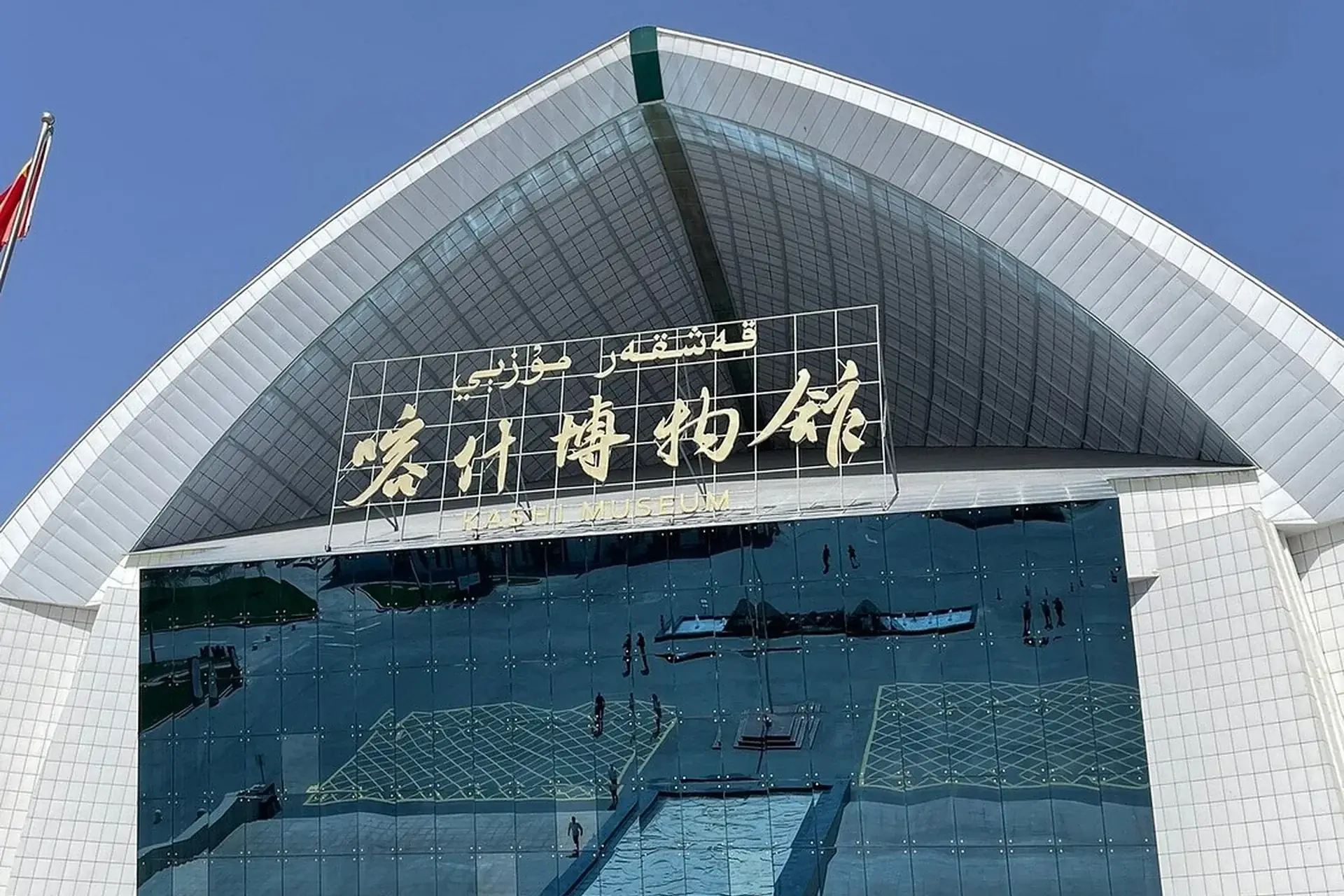
Kashgar Museum
'The Kashgar Museum (喀什博物馆) is in China''s westernmost major city, documenting the history and culture of the Xinjiang Tarim Basin. Kashgar was the western terminus of the ancient Silk Road and remains the cultural center of the Uyghur homeland. The museum covers: ancient Buddhist and Islamic history of the region, Uyghur cultural heritage, and the Silk Road archaeology of the southern route.
Kashgar · history museum2026-10-19
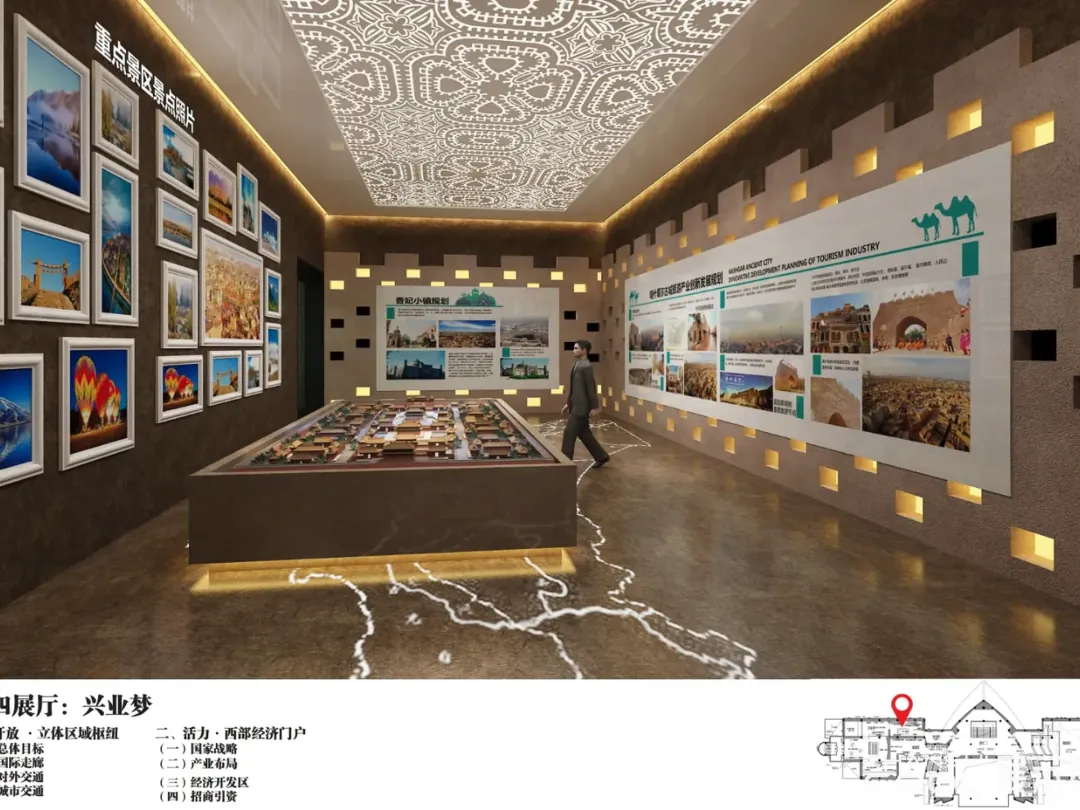
Quick Answer
Is Kashgar Museum worth visiting?
Western China's frontier museum at the ancient end of the Silk Road — Uyghur culture, the ancient Kucha and Khotan kingdoms, and the Islamic culture of the Xinjiang region. Free; 1–2 hours.
Quick facts
| Category | history |
|---|---|
| Ticket | Free. Passport required. |
| Hours | 10:00-19:00. Closed Mondays. |
| Recommended duration | 1-2 hours. |
| Best time to visit | April through October. Kashgar has extreme continental climate — hot summers (35°C+) and cold winters (-15°C to 5°C). Summer best for combining with the Karakoram Highway. |
| How to get there | Bus routes 1, 6, 8, 10 to Kashgar Museum stop. From Kashgar Airport by DiDi: ¥20-30. |
| English signage | Partial |
Why visit
Kashgar is the most culturally distinctive city in China — a Muslim-majority city at the western end of the Silk Road with a old city (老城) that feels Central Asian rather than Chinese. The museum provides essential context.
Collection highlights
- Ancient Silk Road artifacts — objects from the Kashgar-area Silk Road sites
- Uyghur cultural heritage — costumes, musical instruments, and daily objects
- Buddhist to Islamic transition documentation — materials showing the conversion of the Tarim Basin from Buddhism to Islam
- Tarim Basin mummy documentation — photographs and materials related to the preserved mummies from the Taklamakan Desert
Tips
- Combine with the Kashgar Old City (老城) walking tour — the old city is being renovated but still retains its Central Asian character
- The Sunday market (巴扎) is one of the largest in Central Asia
- The Karakoram Highway to Pakistan departs from Kashgar
Frequently asked questions
Is Kashgar safe for tourists?
Yes — Kashgar is a major tourist destination with significant security presence. The old city and Sunday market are popular tourist attractions.
How does Kashgar Museum help plan a visit to the Old City?
Kashgar Museum (喀什博物馆) provides essential context for the Kashgar Old City — the largest intact historic Uyghur neighborhood in Central Asia. Visit the museum first for free (bring passport), then explore the Old City nearby. Sunday market (牛栏关) is the most famous bazaar experience. The Id Kah Mosque is a 10-minute walk away.
When is the Kashgar Sunday market and what should I expect?
The Kashgar Sunday market (牛栏关巴扎) is one of the largest and most authentic markets in Central Asia — covering several city blocks with livestock, produce, textiles, and crafts. Arrive before 10:00 for the best experience. The market is located southwest of the old city, accessible by bus 8 or 20. Bargaining is expected. The nearby Handicrafts Street (职人工街) sells Uyghur knives, hats, and instruments at fixed prices.
Read next
Other things to do in Kashgar
Apak Khoja Tomb (Fragrant Concubine Tomb)
A 17th-century Sufi mausoleum 5 km northeast of Kashgar, clad in blue-green glazed tile and wrapped in the legend of the Fragrant Concubine (香妃) — though her real grave is 3,000 km east in Hebei.
Id Kah Mosque
China's largest mosque — ~16,800 m², holds up to 20,000 worshippers, founded 1442. ¥45. Allow 30-45 minutes; avoid Friday noon prayer when it closes to tourists.
Karakul Lake
Alpine lake at 3,600m on the Karakoram Highway — Muztagh Ata (7,546m) reflected in turquoise water. Free entry.
Kashgar Old City
A maze of mud-brick alleys and Uyghur courtyard houses on the western edge of Kashgar (1,289 m), rebuilt under a 2009-2015 quake-safety program but still lived in.