This page is archived and no longer updated — see the current guide: See the current guide
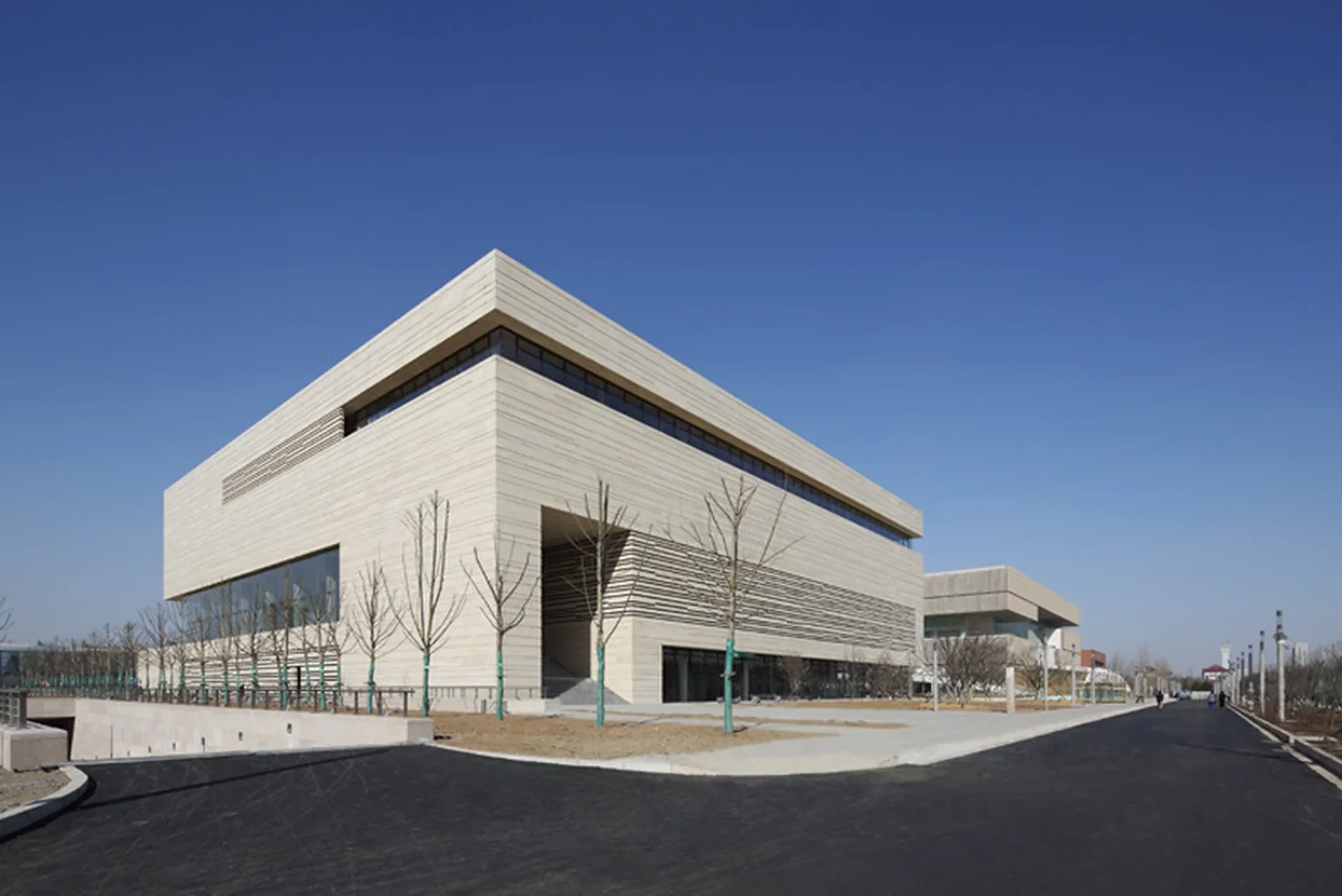
Tianjin Museum
The Tianjin Museum (天津博物馆) opened in 2012 in Tianjin Hedong District as the largest cultural institution in the Bohai Sea coastal city. Tianjin's unique 150-year history as a treaty port (1860-1943) with nine foreign concessions (British, French, American, German, Russian, Japanese, Italian, Belgian, Austro-Hungarian) gives the museum a distinctive modern urban cultural identity. The museum's core collections are: (1) Tianjin modern urban culture — the distinctive "Jin" modern culture that emerged from the treaty port period; (2) Cizhou (磁州) and Tianjin porcelain traditions — the famous Cizhou kiln black-glazed ceramics and the "Tianjin painted porcelain" (天津瓷) tradition; (3) ancient calligraphy and painting from the Tianjin collection; (4) Bohai Sea maritime archaeology.
Tianjin · history museum2026-10-19
Quick Answer
Is Tianjin Museum worth visiting?
Tianjin's flagship museum, documenting the city's 1860s-1940s treaty-port era and holding fine Cizhou ceramics, paintings and calligraphy.
Quick facts
| Category | history |
|---|---|
| Ticket | Free. Passport required. Walk-in from the main gate. |
| Hours | 9:00-16:30 (last entry 16:00). Closed Mondays. |
| Recommended duration | 2-3 hours. |
| Best time to visit | April through October. Tianjin has a temperate continental climate — cold winters (December-February, -5°C to 5°C) and hot summers (June-August, 28-35°C). Spring (April-May) and autumn (September-October) are ideal. Beijing day-trippers often visit Tianjin. |
| How to get there | Metro Line 5 to Tianjinxiao Road Station (天津站站), Exit A, then walk 10 minutes. Bus routes 13, 92, 185, 186, 605, 650, 668, 675, 680, 827, 830, 868 to Tianjin Museum stop. From Beijing South Station by high-speed train: 30 minutes. |
| English signage | Partial |
Why visit
Tianjin's treaty port history created a unique urban culture found nowhere else in China — European-influenced architecture, food (the birthplace of many Chinese fast food chains), and a cosmopolitan identity that set it apart from both Beijing and Shanghai. The museum provides essential context for Tianjin's distinctive character.
Collection highlights
- Tianjin Treaty Port period archive — photographs, architectural drawings, and documents from Tianjin's 1860-1943 period as a major treaty port with nine foreign concessions
- Cizhou kiln black-glazed ceramics — the world's largest collection of Cizhou (磁州) kiln black-glazed ceramics, including the famous painted enamel (铁锈花) and slip-cast techniques
- Tianjin painted porcelain tradition — the distinctive "Tianjin painted porcelain" (天津瓷) folk art tradition of painted porcelain panels produced in Tianjin from the 18th century
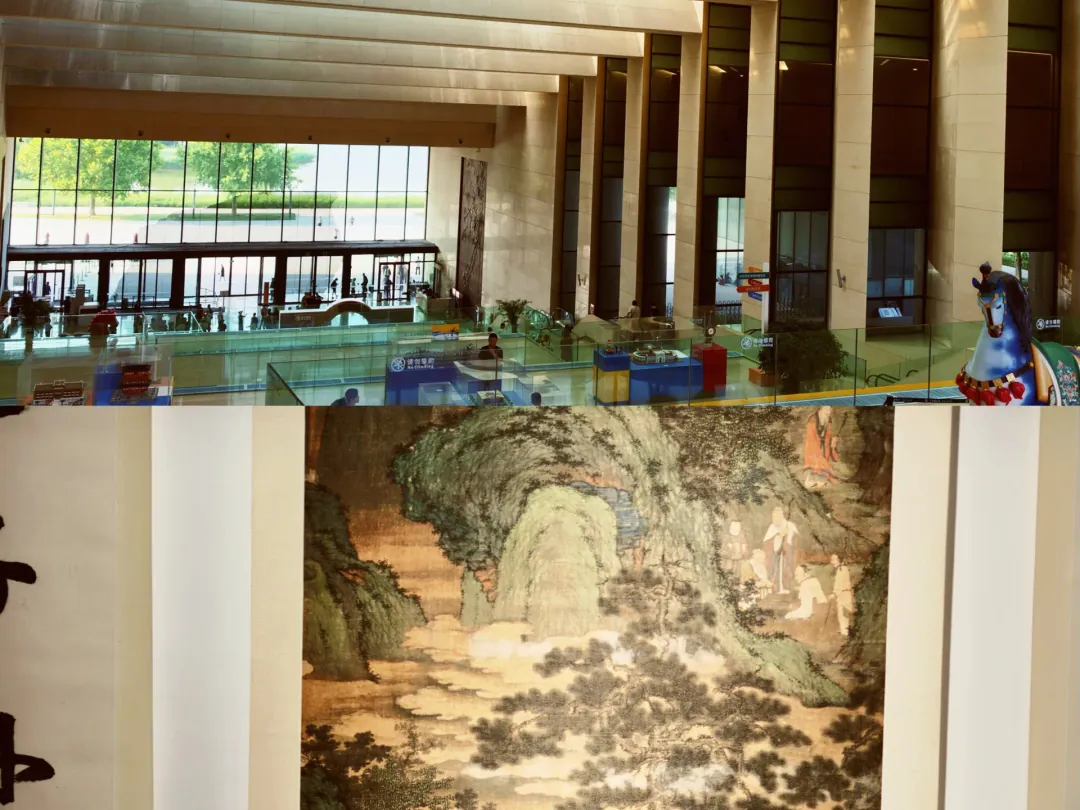
- Ancient Chinese calligraphy and painting — important works from the Tianjin collection, including pieces by the Qing Dynasty "Four Wangs" (四王) and individual masters
- Bohai Sea maritime archaeology — objects recovered from shipwreck sites in the Bohai Sea showing the maritime trade of ancient northern China
- Tianjin "Jin" modern cultural objects — costumes, advertising posters, and daily objects from the 1920s-1940s treaty port period
Tips
- Combine with the famous "Ancient Culture Street" (古文化街) and the "Italian Style Development Zone" (意大利风情区) for a full Tianjin cultural day
- Tianjin is 30 minutes from Beijing by high-speed train — it is the most popular day trip destination from Beijing
- The "Gul古" (狗不理) steamed bun (包子) was invented in Tianjin — eat them at the original Gulou (狗不理包子铺总店) near the Ancient Culture Street
- The museum is near the Tianjin Railway Station (天津站), making it easy to combine with Beijing day trips
- Tianjin also has the famous "Tianjin Eye" (天津之眼)摩天轮 — the world's only bridge-mounted Ferris wheel
- For Beijing visitors wanting a taste of European-influenced China without leaving the country, Tianjin is ideal
Frequently asked questions
Why does Tianjin have so many European-style buildings?
Tianjin was one of China's major treaty ports after the Opium Wars. In 1860-1900, nine foreign powers (Britain, France, US, Germany, Russia, Japan, Italy, Belgium, Austro-Hungary) established concession areas in Tianjin, each building European-style residential and commercial districts. These areas still exist today, particularly the Italian Style Development Zone (意大利风情区). Tianjin's treaty port history is more visually apparent than any other Chinese city except Shanghai's Bund.
How does Tianjin compare to Shanghai's Bund?
Shanghai's Bund (外滩) shows British and French colonial architecture from the same treaty port era. Tianjin's foreign concessions are more diverse (nine powers vs. primarily British and French in Shanghai) and more spread throughout the city. The Italian Style Development Zone in Tianjin is unique in China. For treaty port history, Shanghai's Bund is more famous; Tianjin offers more variety.
Is Tianjin worth a day trip from Beijing?
Yes — the 30-minute high-speed train makes it the easiest international-standard day trip from Beijing. Combine: Tianjin Museum + Ancient Culture Street (古文化街) + Italian Style Zone + lunch of authentic Gul steamed buns (狗不理). The Taku (大沽)炮台 historical site is also worth visiting for China's 1900 defense against the Eight-Nation Alliance.
Does Tianjin Museum have English signage?
Partial — the Cizhou ceramics and treaty port sections have English labels. The calligraphy and painting sections have limited English. No English audio guide as of 2026.
What is Cizhou porcelain?
Cizhou (磁州) was one of the largest and most productive kiln complexes in northern China during the Song and Yuan dynasties (10th-14th centuries). It is known for black-glazed ceramics with painted designs (铁锈花, "iron-rust flower"), carved slip-cast patterns, and white-on-black contrast designs. The Tianjin Museum has the world's largest collection.