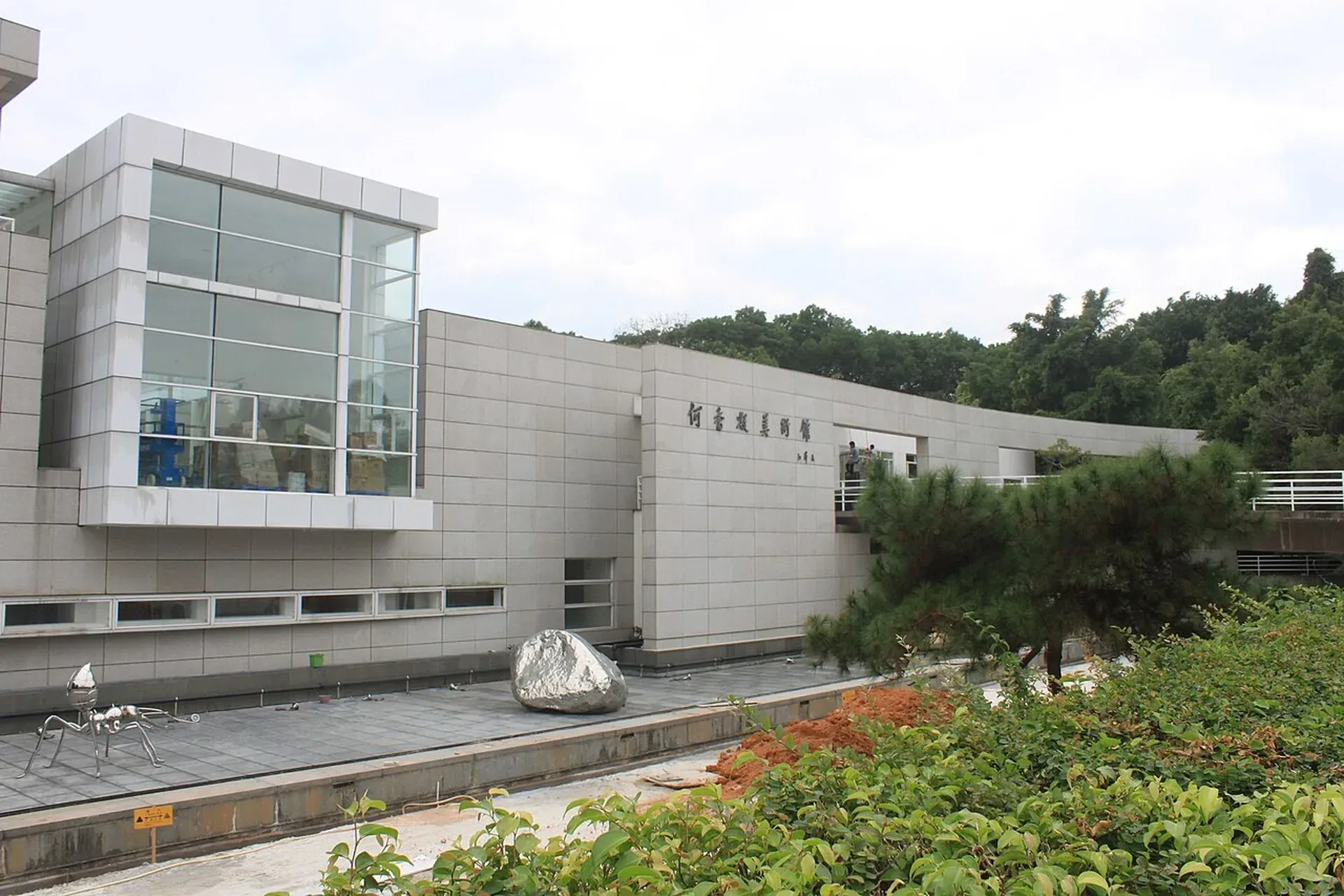
Xianning Museum
The Xianning Museum documents the history and culture of Xianning in southern Hubei — from the Battle of Red Cliffs (208 CE), fought on the Yangtze at today's Chibi, to the brick-tea trade of Yangloudong on the historic Tea Road and the hot springs behind the city's fame.
Xianning · history museum2026-10-18
Quick Answer
Is Xianning Museum worth visiting?
The regional museum of Xianning, southern Hubei — hot-spring city, osmanthus capital and Tea Road brick-tea country near the Red Cliffs battlefield. Free entry; allow 1 hour.
Quick facts
| Category | history |
|---|---|
| Ticket | Free. |
| Hours | 9:00-17:00. Closed Mondays. |
| Recommended duration | 1 hour. |
| Best time to visit | April-October. |
| How to get there | Bus routes 1, 2, 6 to Xianning Museum stop. |
| English signage | Partial |
Why visit
Xianning is known for its hot springs, its osmanthus groves and the brick-tea town of Yangloudong; the museum gives the compact historical context for all of them, including the Battle of Red Cliffs of 208 CE, fought on the Yangtze within territory Xianning administers today.
Collection highlights
- Red Cliffs heritage — the 208 CE battle that sealed the Three Kingdoms division was fought on the Yangtze at today's Chibi, under Xianning's administration
- Yangloudong and the Tea Road — the Ming-Qing brick-tea town in Chibi that shipped tea toward Russia along the Wanli Chadao
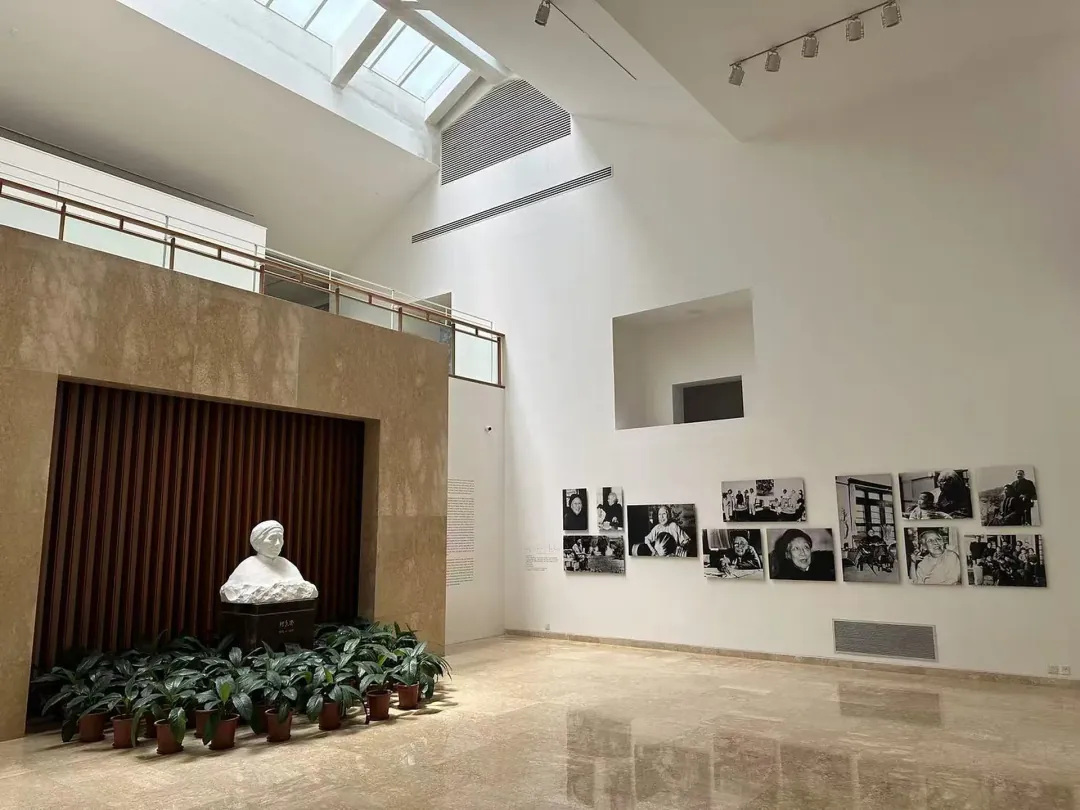
- Hot-spring and osmanthus culture — the regional traditions behind Xianning's fame as a hot-spring city and osmanthus capital
Tips
- Combine the visit with the hot-spring resorts in Xianning's urban area
- For the battle site itself, plan a side trip to the Chibi Ancient Battlefield (三国赤壁古战场), about 1.5 hours away
Frequently asked questions
What is Xianning's connection to the Battle of Red Cliffs?
The Battle of Red Cliffs (208 CE), the decisive defeat of Cao Cao that fixed the Three Kingdoms division, was fought on the Yangtze at today's Chibi, a county-level city under Xianning's administration. The Chibi Ancient Battlefield scenic area preserves the site, and the museum gives the historical context behind it.
Is Xianning worth stopping at when leaving Wuhan?
Yes — it is about 40 minutes from Wuhan by high-speed train and works well as a hot-spring rest stop. For Three Gorges cruises the departure city is Yichang, further west. For the region's history, the museum plus the Yangloudong tea town make a good day trip.
What are the hot springs in Xianning and how do I visit them?
Xianning (咸宁) is known as "China's hot spring city" (温泉之城) with a hot-spring tradition of many centuries. The main resorts cluster in the city's hot-spring district, featuring outdoor pools in landscaped settings. From Wuhan, take the high-speed train to Xianning (about 40 minutes, ¥40-60) then a short taxi ride to the resorts. Entry typically ¥100-200.