Jiangxi
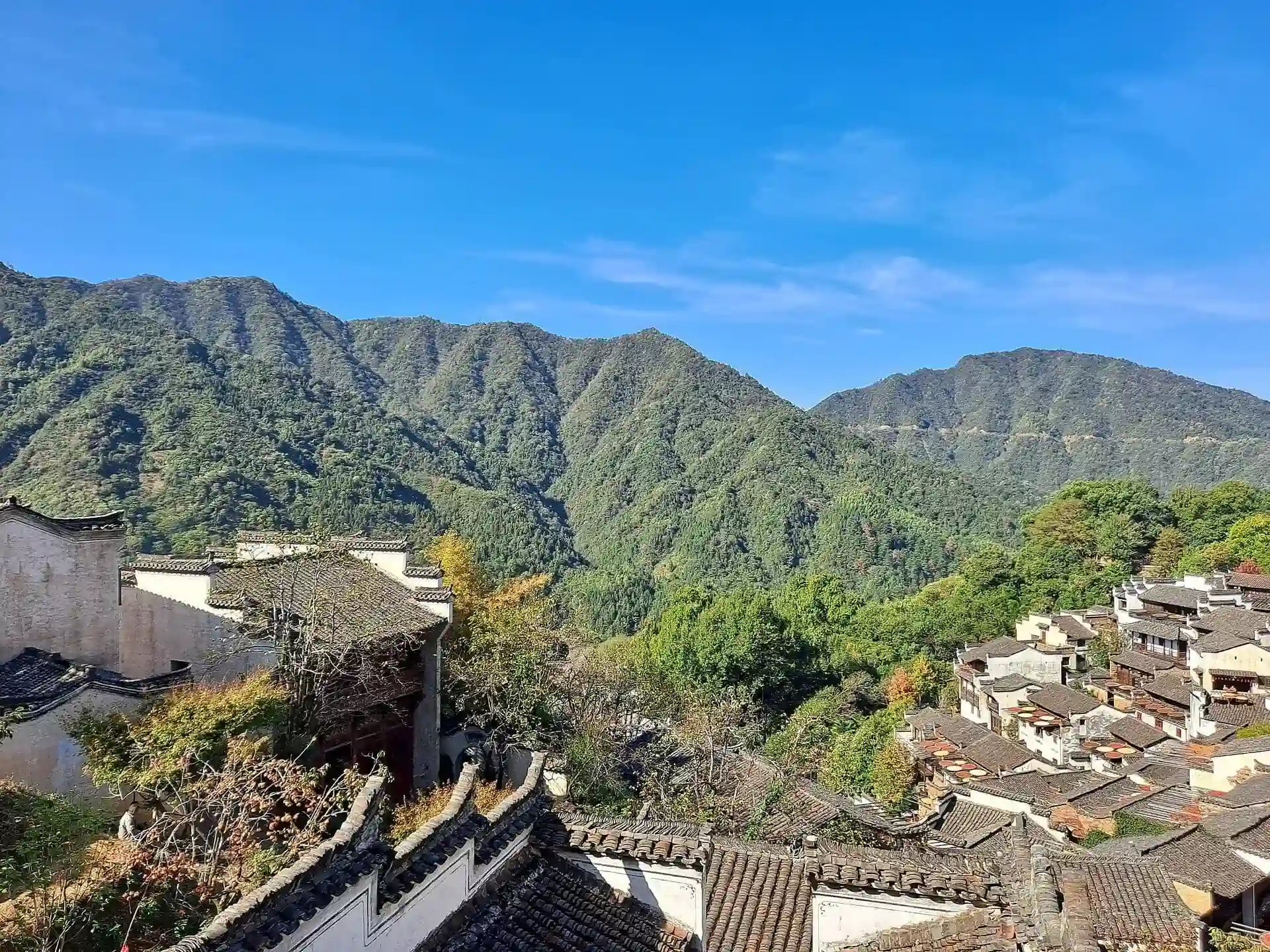
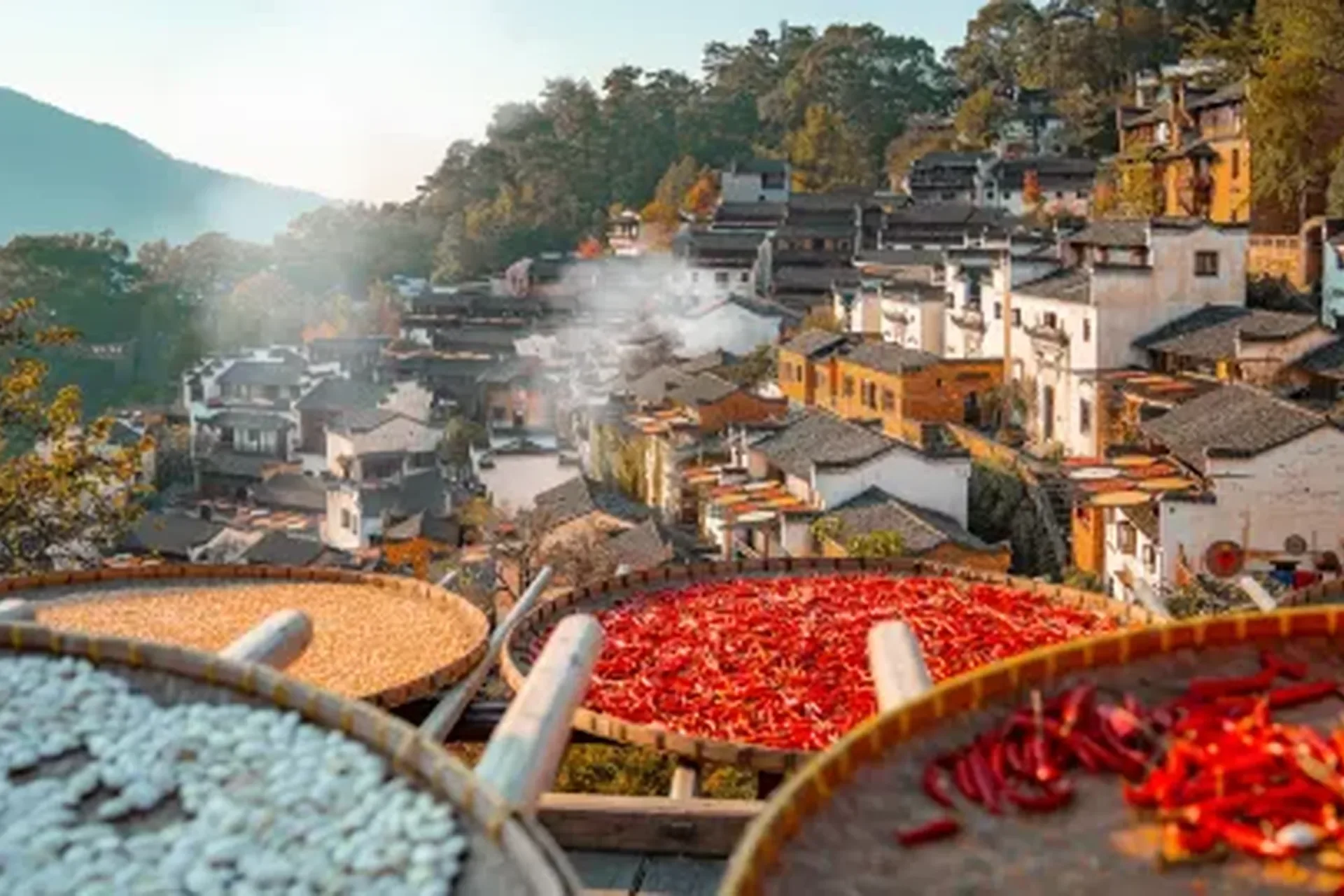
Southeastern province home to the misty Mount Lu (inspiration for countless Chinese paintings), the porcelain capital Jingdezhen, and the photogenic Wuyuan ancient villages.
provinces2026-10-27
At a glance
- Region
- east
- Capital
- Nanchang
- Population
- 45.2 million
- Area
- 166,900 km²
- Best season
- April–May and September–November
- Pinyin
- Jiāngxī
- Country
- CN
- Signature cuisine
- Jiangxi Rice Noodles
Why visit
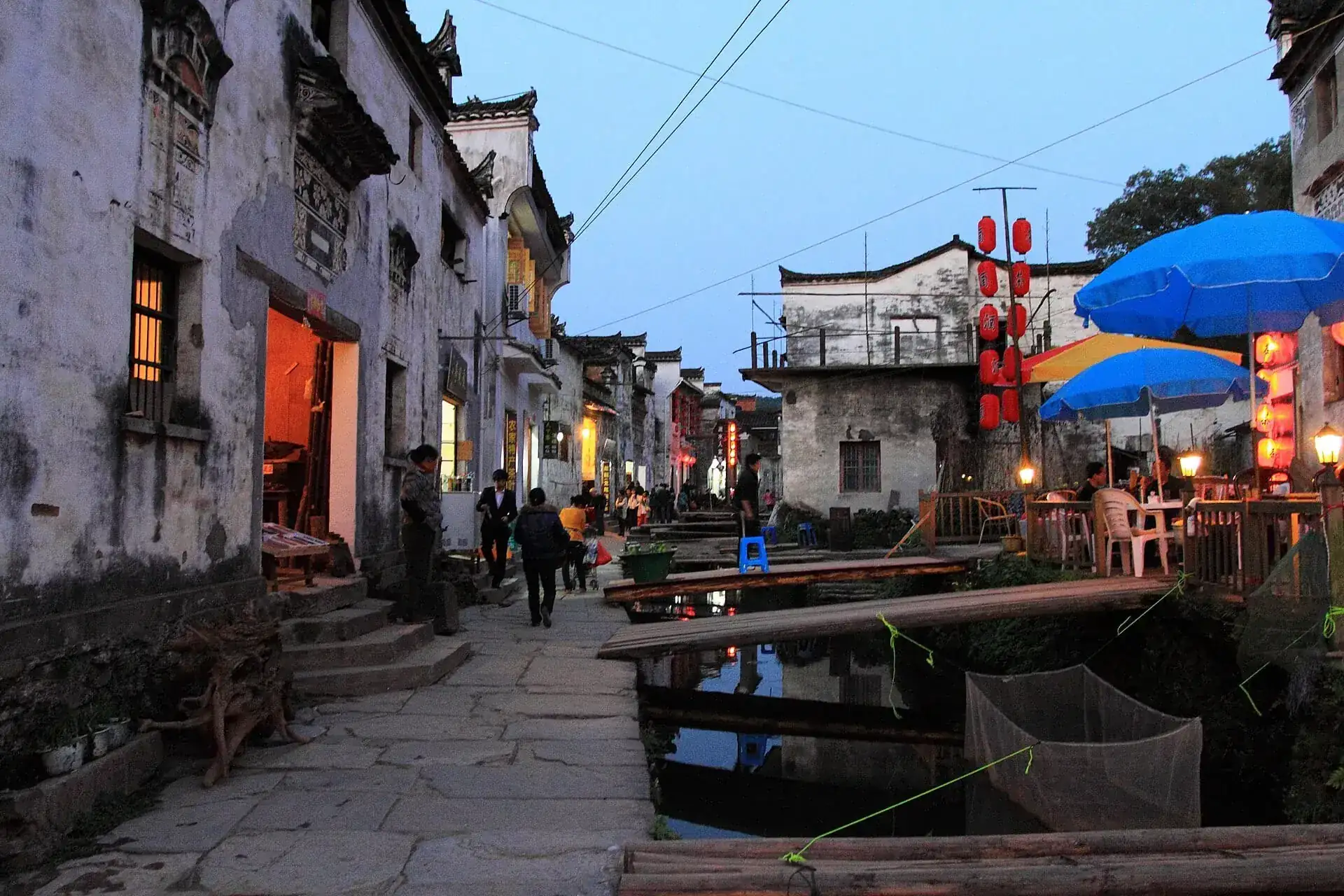
For Mount Lu — the misty mountain retreat where Chinese painters came for inspiration. For Wuyuan — the most photogenic ancient villages in China, with whitewashed Hui-style houses among rapeseed fields. For Jingdezhen's ceramic workshops where you can try making your own porcelain.
Getting there
Nanchang (KHN) and Jingdezhen (JDZ) have airports. HSR from Shanghai: 2.5h to Nanchang, 3h to Jingdezhen. From Hangzhou: 2-3h to Wuyuan.
Getting around
HSR within the province is fast. Wuyuan and Mount Lu have local buses and taxis. Jingdezhen is walkable.
UNESCO sites
- Mount Lushan National Park(1,996)
Day by day
3 — Wuyuan + Mount Lu
Day 1: Wuyuan (Huangling, Likeng, Jiangling). Day 2-3: Mount Lu (hike and stay overnight on the mountain).
5 — Porcelain + Villages + Mountain
Day 1-2: Jingdezhen (porcelain workshops, Imperial Kiln Museum). Day 3: Wuyuan. Day 4-5: Mount Lu.
Famous for
- Mount Lu (Lushan)
- Wuyuan ancient villages
- Jingdezhen porcelain
- Tengwang Pavilion
FAQs
When is Wuyuan most beautiful?
March-April for rapeseed flowers (the famous yellow fields). November for autumn colors. Avoid Chinese holidays (Spring Festival, National Day). Weekday visits are calmer.
What is Jingdezhen famous for?
Imperial porcelain — the "china" in "china" came from Jingdezhen. The city has produced porcelain for 1,300+ years, including for the Ming and Qing imperial courts. Today it's still the center of Chinese ceramics, with many artist studios you can visit.
Is Mount Lu worth visiting?
Yes — it's a UNESCO site with dramatic scenery (cliffs, valleys, waterfalls, sea of clouds) and deep literary associations (hundreds of poems written about it). 2 days is enough. Stay overnight to see sunrise/sunset.
Can I make my own porcelain in Jingdezhen?
Yes — many studios offer 1-2 day workshops (¥200-500) where you can throw a pot, glaze, and have it fired (takes 1-2 weeks for delivery). Sanbao Pottery Village is the best area for this.
How do I get to Wuyuan?
HSR to Wuyuan Station: from Shanghai 2.5h, from Hangzhou 2h, from Huangshan 30 min. Then local bus or taxi to specific villages.