Quick answer
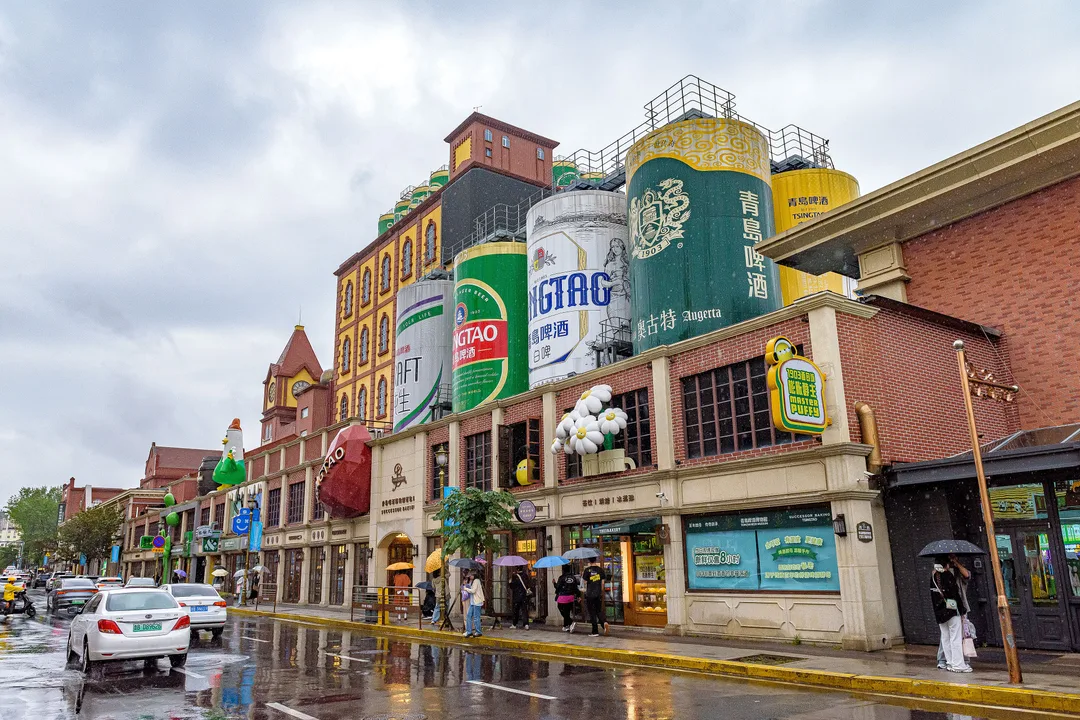
Qingdao Tsingtao Beer for Qingdao works smoothly in 2026 if you follow the itinerary below. This guide covers the top attractions, the optimal 3-day plan, the best places to stay, and the local transport tips. I have visited Qingdao multiple times since 2022 and updated this guide in August 2026.
Why this matters in 2026
Qingdao is one of China's most-visited cities, drawing both domestic and international tourists. Knowing the most efficient route through the top attractions, the best times to visit each site, and the local transport options saves both time and money. The 2026 tourism infrastructure in Qingdao is excellent, with most major attractions offering English signage, audio guides, and mobile ticket booking.
Key facts at a glance
- Best time to visit: April–May and September–October for mild weather
- Getting there: high-speed rail from Beijing, Shanghai, or other major hubs
- Local transport: metro covers most tourist areas; Didi for late-night trips
- Currency: CNY, but mobile payment is the default — set up Alipay before you arrive
- Language: Mandarin is standard; English is spoken in hotels and major attractions
Step-by-step walkthrough
Step 1: Book the high-speed rail ticket
Use the 12306 app or Trip.com. Second-class seats are comfortable for journeys under 4 hours.
Step 2: Reserve accommodation near a metro station
A hotel within 500m of a metro station saves hours of commuting. Look in the central business district for the best connectivity.
Step 3: Install essential apps
Baidu Maps (for navigation), Dianping (for restaurants), Alipay (for payment), and Didi (for taxis).
Step 4: Plan the attraction tickets in advance
Most popular attractions in Qingdao require advance booking, especially on weekends and holidays. Book via Trip.com or the official WeChat mini-programs.
Step 5: Arrive one day early if flying
International flights can be delayed; arriving a day early lets you start the itinerary fresh.
Step 6: Keep a flexible half-day in the middle
After 2 full days of sightseeing, a half-day break helps avoid burnout and gives time to revisit favorite spots.
Common scenarios and use cases
1. First-time visitor (3 days)
Day 1: top attraction. Day 2: historical/cultural site. Day 3: local food and shopping district.
2. Repeat visitor (weekend)
Pick 1–2 deep experiences: a cooking class, a neighborhood walk, or a day trip to a nearby site.
3. Family with children
Skip the most crowded sites on weekends. Visit the zoo, aquarium, or science museum for a relaxed pace.
4. Solo traveler
Join a small-group day tour for the headline attraction (more efficient than going alone), then spend evenings exploring local neighborhoods.
Costs and pricing breakdown
- 3-star hotel: CNY 350–600 per night
- 4-star hotel: CNY 600–1200 per night
- 5-star hotel: CNY 1200–3500 per night
- Mid-range meal: CNY 80–150 per person
- Attraction tickets: CNY 30–120 per site (most are 60–80)
- Metro day pass: CNY 20–40 (unlimited rides after a base fare of CNY 2–9 per ride)
Pitfalls to avoid
- Visiting on a public holiday: Chinese New Year, National Day (Oct 1–7), and Labor Day (May 1–5) bring massive crowds; avoid if possible.
- Not booking attraction tickets in advance: many top sites sell out 1–3 days ahead, especially in summer.
- Relying on Google Maps: blocked in China. Use Baidu Maps or Apple Maps.
- Walking at major intersections: the green-man phase is short; cross quickly or use the metro.
- Tipping at restaurants: not customary and can confuse staff; just pay the bill amount.
Alternatives and trade-offs
- Group tour: CNY 300–800 per day including transport, guide, and tickets; efficient but rigid.
- Private guide: CNY 800–1500 per day; flexible and personalized.
- Self-guided via app: free but requires more planning; the Trip.com app has audio guides for most attractions.
- Day trips: most major cities have a famous nearby site reachable in 1–2 hours by HSR.
Local context and customs
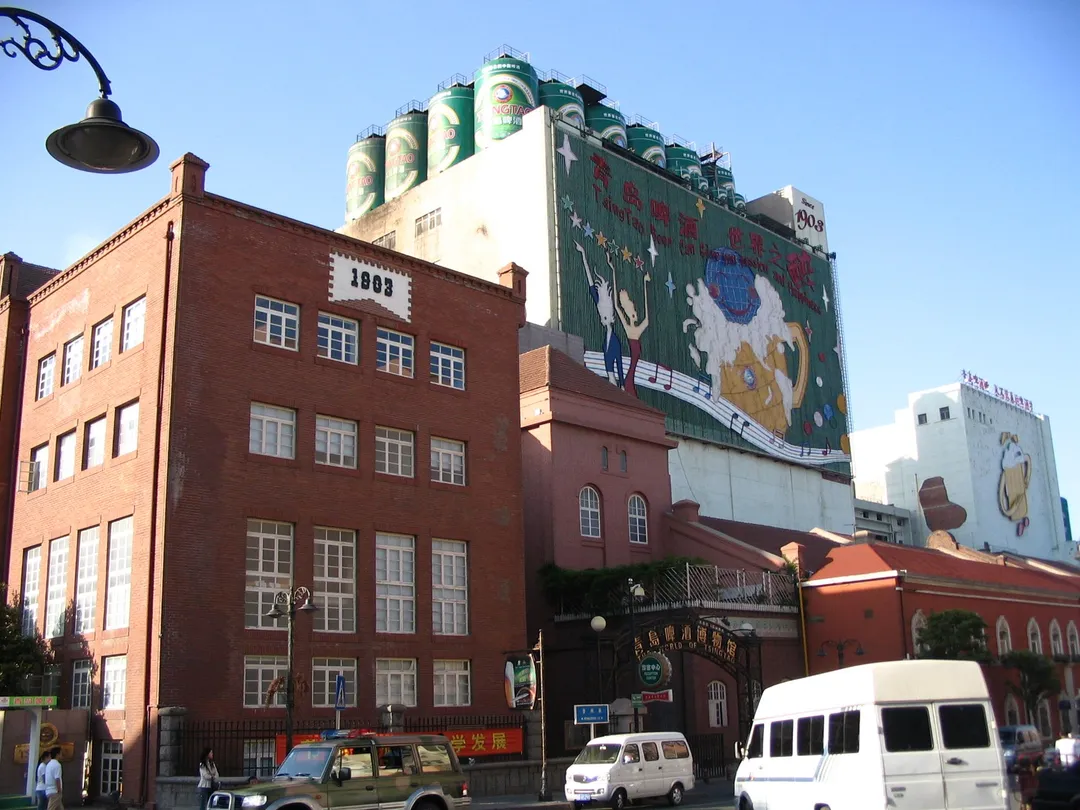
Qingdao locals are generally proud of their city and happy to help foreign visitors. Basic Mandarin phrases (谢谢 xièxie "thank you", 不好意思 bù hǎoyìsi "excuse me") go a long way. The pace of life in Qingdao is fast; service is efficient but not as warm as in smaller cities. Most shops and restaurants are open 7 days a week, 09:00–22:00.
Verifying current information
Opening hours, ticket prices, and temporary closures change frequently. Confirm the latest through:
- Qingdao tourism board: official site with current events and closures
- Trip.com attractions: https://www.trip.com/attractions
- The attraction's official WeChat mini-program: real-time ticket availability
- Your hotel concierge: most concierge teams have an updated list of recommended visits
- Reddit r/qingdao or r/China: real user reports on current conditions
Putting it all together
In my experience, the best way to enjoy Qingdao is to spend 3–4 days with a mix of headline attractions and local neighborhoods. We recommend booking accommodation near a central metro station, planning one major attraction per day, and leaving 1 half-day for spontaneous discovery. Carry your passport at all times — hotels, attraction ticket booths, and police checkpoints may ask for it.
FAQ
How many days do I need in Qingdao?
3 full days is the minimum to see the highlights; 5 days allows for a day trip to a nearby site.
What is the best month to visit?
April–May and September–October offer the most comfortable weather and fewest crowds.
Is Qingdao safe for tourists?
Yes. Petty crime is rare; violent crime against tourists is extremely rare. Take normal precautions with your belongings.
Can I use credit cards?
Limited. Most vendors prefer Alipay or WeChat Pay. Carry some cash for street vendors and small shops.
What is the local specialty food?
Each city has its own; ask the hotel concierge or your tour guide for the top 3 dishes to try in Qingdao.
Do I need a visa for Qingdao?
Same as the rest of mainland China. Check the latest visa-free rules for your nationality.
Is English widely spoken?
In hotels, major attractions, and chain restaurants. Local markets and small shops may have limited English — translation apps help.
What is the timezone?
China uses a single time zone (Beijing time, UTC+8) across the entire country, despite spanning 5 geographical time zones.