Quick answer
Shanghai's metro is one of the most foreigner-friendly systems on earth: a network of more than 800 route-kilometers and over 500 stations where every station name, transfer sign, and in-car announcement is bilingual, and where English-speaking staff are a platform office away. Fares run CNY 3–9 for typical city trips, trains come every 2–4 minutes on core lines from about 05:30 until around 23:00, and a one-day pass costs CNY 18. You can ride entirely paper-free — the Metro Metropolis (Metro 大都会) app's QR code, Alipay's transit code, or a contactless loop — but the honest answer for a short stay is simpler: the English signage does the navigating, and the app does the paying. This guide covers the few real friction points: security checks, rush hours, airport transfers, and the Maglev.
Why this matters in 2026
Shanghai is the city where "I don't speak Chinese" fails least as an excuse not to take the train: the system was engineered for international visitors — English-first ticket machines, bilingual station announcements, color-coded line maps at every platform edge. What trips travelers up is not language but behavior: the security X-ray at every entrance, the right-hand-queue-left-stand escalator dance, rush-hour carriages at 08:30 and 17:30–18:30 that compress politely but firmly, and the fact that taxis can be slower than the metro for almost any cross-town trip. Master four or five lines and the whole city — the Bund, Yu Garden, French Concession, Pudong skyline — opens up at CNY 3–9 per ride.
Key facts at a glance
- Network: 800+ route-kilometers, 500+ stations — among the world's longest metro systems
- Fares: CNY 3–9 for typical trips, by distance; day pass CNY 18
- Hours: roughly 05:30–23:00, trains every 2–4 minutes on core lines
- Language: bilingual signage and announcements throughout; station staff offices with English speakers
- Paying: Metro Metropolis app QR, Alipay/WeChat transit codes, or single-use tokens from machines
- Airports: Line 2 serves both Hongqiao and Pudong airports; the Maglev (CNY 50, CNY 40 with same-day metro ticket) covers Longyang Road–Pudong in 8 minutes
Step-by-step walkthrough
Step 1: Pick your payment method
Short stay: single-journey tokens from English-first touchscreen machines (CNY 3–9), or just scan the Alipay/WeChat transit code. A week or more: the Metro Metropolis app or the CNY 18 day pass for heavy days.
Step 2: Learn the entrance routine
Every entrance runs a security X-ray for bags — backpacks off, bottles sometimes sipped. It takes 10–20 seconds; fighting it wastes a minute and earns a whistle.
Step 3: Read the platform like a local
Platform screens show the next two trains in English and Chinese; floor arrows mark the queue lanes — queue right (or left, per station), let passengers out first. Escalators: stand left, walk right in practice despite the signs.
Step 4: Navigate transfers by color and number
Every line has a color and a number; transfer corridors are signed with both plus the destination direction. Long walks between lines (People's Square is the classic) are normal — follow the signs, not your GPS.
Step 5: Handle the rush hours
07:45–09:15 and 17:15–18:45 on Lines 1, 2, and 9 are compressions, not violence: backpacks go front, and the crowd flows in rhythm. Off-peak, you get a seat and a view.
Step 6: Use the airport connections
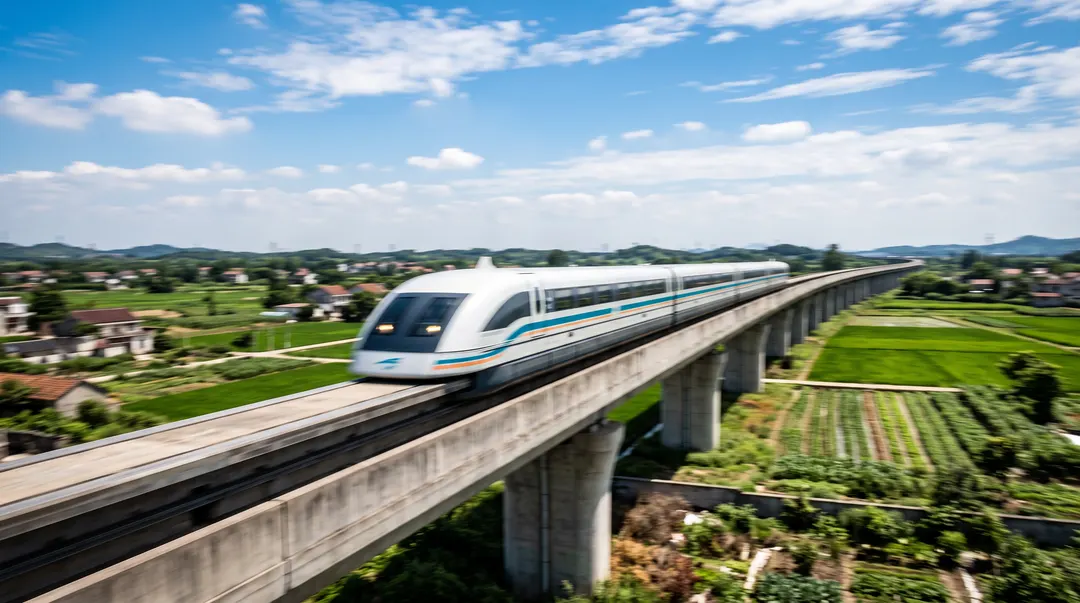
Hongqiao Airport Terminal 2 sits on Line 2 and the HSR station; Pudong Airport connects via Line 2 or — faster and more fun — the Maglev from Longyang Road: 8 minutes at 300 km/h, CNY 50 (CNY 40 with a same-day metro ticket).
Common scenarios and use cases
1. The Bund and Pudong skyline
East Nanjing Road (Line 2/10) for the Bund; across the river to Lujiazui (Line 2) for the towers — two stops, CNY 3–4, or the sightseeing tunnel if you want cheese with your view.
2. Yu Garden and the Old City
Yuyuan Garden station (Line 10/14) drops you at the entrance quarter; go before 09:30 or after 16:30 for breathing room.
3. French Concession wandering
South Shaanxi Road (Lines 1/10/12) or Hengshan Road (Line 1) put you under the plane trees; this is a walk-first district with metro as the shuttle.
4. Arriving by air or rail
Hongqiao: Line 2/10/17 under the complex. Pudong: Maglev to Longyang then Line 2/7, or Line 2 direct. Shanghai Railway Station: Lines 1/3/4.
Costs and pricing breakdown
- Single ride: CNY 3–9 by distance within the core network
- Day pass: CNY 18, unlimited rides until closing
- Maglev: CNY 50 one way; CNY 40 with a same-day metro ticket
- 3-star hotel near a metro station: CNY 350–600 per night
- Mid-range meal after a ride: CNY 80–150 per person
- Transport budget, 3 days: under CNY 100 per person for most itineraries
Pitfalls to avoid
- Skipping the security check etiquette: bags go on the belt every time; unprepared fumbling is the top cause of entrance bottlenecks.
- Rush-hour luggage: big suitcases at 08:30 on Line 2 test everyone's patience; travel to stations with bags after 09:30.
- Trusting taxis over the metro: crosstaxi trips that take 12 minutes by rail routinely run 40+ in traffic; the metro is the fastest thing in Shanghai.
- Missing the last train: service ends around 23:00 (later on Friday/Saturday on some lines); a 22:40 platform is your warning, not your deadline.
- Ignoring exit numbers: exits are numbered and matter — Exit 1 vs Exit 14 at a mega-station can be a 10-minute walk apart. Check the exit map against your destination.
Alternatives and trade-offs
- Metro: default; fast, bilingual, CNY 3–9.
- Didi: door-to-door; better late night or with luggage, 3–5x the price, traffic-dependent.
- Buses: bilingual route apps exist, but the metro outclasses them for visitors.
- Bike-share: great for the last kilometer along the Bund or in the former Concession; needs a Chinese payment app.
- Maglev: the only must-do "alternative" — a ride on the world's first commercial high-speed maglev line is part of the experience.
Local context and customs
Shanghai commuters are the politest crowd-compressors in China: the platform lines hold, phones stay quiet, and priority seats actually go to those who need them more often than not. Offer your seat when in doubt; keep your backpack in front in crowds; and let people off before boarding — the shuffling is choreography, not rudeness. English announcements are standard, but during service disruptions the fastest updates come from station staff with a printed detour map — they will mime routes with real patience.
Verifying current information
Fares, first/last trains, and line openings change as the network grows. Confirm via the official Shanghai Metro app or website, station signage on the day, and Trip.com city guides. This page was last verified 2026-10-11.
Putting it all together
Shanghai by metro is a three-decision trip: pay with an app QR or tokens (CNY 3–9 a ride, CNY 18 day pass), ride outside 07:45–09:15 and 17:15–18:45 when you can, and use Line 2 plus the Maglev to stitch the airports into the city. Everything else — bilingual signs, 2–4 minute headways, 500+ stations — is the system doing the work for you. The city's headline sights all sit within a 10-minute walk of a station; that is the whole guide, mastered in one morning.
FAQ
Is the Shanghai Metro easy for English speakers?
Yes — station names, transfers, announcements, and ticket machines are all bilingual, and major stations have staff who can help in English.
How much does a ride cost?
CNY 3–9 for typical city trips by distance; a one-day pass is CNY 18; the Maglev is CNY 50 (CNY 40 with a same-day metro ticket).
What are the operating hours?
Roughly 05:30 to 23:00, with trains every 2–4 minutes on core lines; some lines run later on Friday and Saturday nights.
How do I pay without Chinese apps?
Buy single-journey tokens from touchscreen machines with an English option, or the day pass — cash and foreign cards work at staffed booths in central stations.
Which line serves the airports?
Line 2 connects both Hongqiao and Pudong airports; the Maglev from Longyang Road to Pudong takes 8 minutes at up to 300 km/h.
When should I avoid the metro?
07:45–09:15 and 17:15–18:45 on Lines 1, 2, and 9 if you dislike compression — or travel with luggage.
Can I get to the Bund by metro?
Yes — East Nanjing Road (Lines 2/10) is a 10-minute walk from the waterfront promenade.
Is the day pass worth it?
Only for 4+ rides in one day; app QR or tokens beat it for lighter schedules.