Taipei Travel Guide
Summary
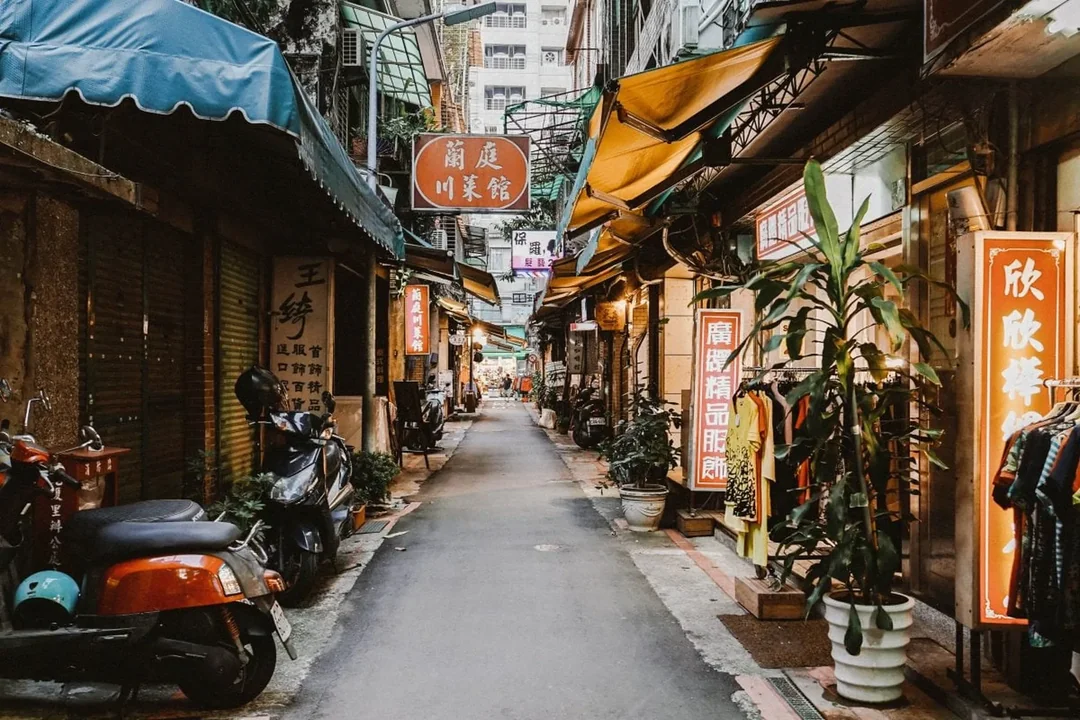
Taipei (台北) rewards travelers who come for the everyday texture of the city rather than a checklist of monuments. The skyline is anchored by Taipei 101, but the real city lives at street level: night markets the size of small towns, an MRT system that makes almost everything walkable-from-a-station, hot-spring neighborhoods in the mountains 30 minutes from downtown, and a food culture that runs from a 60 TWD bento to a 3,000 TWD tasting menu. Two million people live here comfortably in a basin the size of a mid-sized European capital, and the density is what makes it work: a famous beef-noodle counter, a 40-year-old tea house, and a shrine to a folk deity can sit on the same block without anyone considering it unusual.
This guide covers the practical decisions: which attractions actually justify your time, where to base yourself, what things cost in 2026, and how to move between the city and the day-trip countryside around it. We write from repeated visits rather than a single itinerary, which means the recommendations skew toward places that remain worth your time on a second or third trip, not just the first photo.
Why Taipei
Taipei is a city built for visitors who like cities. It is compact, sandwiched between the Keelung and Xindian rivers, with the mountains close enough that a trailhead is a bus ride from anywhere. The MRT is clean, bilingual in signage, and cheap by any regional standard, which removes the single biggest friction that makes other large Asian capitals exhausting: the two hours a day you otherwise lose to traffic, negotiation, and confusion. When a city's metro covers its attractions this completely, you walk more, see more, and end the day less angry.
The second reason is food. The city has an unreasonable density of good eating: breakfast shops folding egg crepes to order at 6 a.m., beef-noodle counters with 40-year histories and strong opinions about broth clarity, and night markets that each maintain their own specialty map, so that locals argue about which one is for oyster vermicelli and which is for pepper buns. Taipei is also one of the easiest places in the region to be a coffee drinker; the third-wave scene here has passed from trend to institution, and a 150 TWD hand-drip that would be a spectacle elsewhere is simply Tuesday.
The third reason is contrast. Within one day you can take a sunrise hike on a volcanic ridge in Yangmingshan, spend the afternoon in one of the Chinese-speaking world's great museums, and end the day in a steaming limestone bath in Beitou. Few cities of this size pack hot springs, sea coast, old mining towns, and a national-park volcano range into a 90-minute radius, all connected by a transit card you bought at the airport.
Top Attractions
The attractions below are ranked by how much they justify the time they cost. Taipei 101 and the National Palace Museum are the two global names and both earn their reputations, but the temple-and-night-market layer underneath is what people actually remember, because it is the layer you can eat.
Taipei 101 and Xiangshan
Taipei 101 was the world's tallest building from 2004 to 2010 and remains the city's visual anchor, a segmented bamboo-like tower that survives typhoons and earthquakes by design: the 728-ton tuned mass damper suspended between the 87th and 92nd floors is itself a visitor exhibit. The indoor observatory on the 89th floor and the outdoor deck on the 91st cost around 600 TWD for an adult ticket (2026 pricing; student and child discounts apply, and combination tickets with the damper gallery exist). Go on a clear afternoon, ideally on a weekday, and stay into early evening so you see the city in daylight, at dusk, and lit up; the visit is the same ticket for all three.
The better view, in our opinion, is free: hike Xiangshan (Elephant Mountain), the ridge directly east of the tower. The climb to the famous rock-outcrop viewpoint takes 20 to 30 minutes on well-built stone steps with rope handrails and viewing platforms along the way. Sunset is crowded, especially on weekends, so arrive 60 to 90 minutes early if you want a spot on the boulders themselves. Bring water; there are no vendors on the trail, and the steps are steep enough in the final stretch that you will want both hands for the rails.
National Palace Museum
The National Palace Museum holds one of the largest collections of Chinese imperial artifacts in existence, a collection assembled over centuries and moved repeatedly across the twentieth century before settling here: ritual bronzes three thousand years old, Song-dynasty calligraphy, Ming porcelain, and the two crowd favorites, the jadeite cabbage with its carved locust and the meat-shaped stone that resembles braised pork belly so closely that visitors photograph it in disbelief. Admission is around 350 TWD (2026), and the museum shortens hours or closes some Mondays; check the official site before you go.
Give it half a day, not two hours. The collection is enormous and the labeling is dense, so rent the audio guide (around 150-200 TWD) or join a timed highlights tour. If your energy flags, the third-floor terrace looks over the Zhishan Garden and the green valley the museum sits in, and the basement-level children's gallery is a quiet, air-conditioned secret for families. The museum is a 20-30 minute bus or taxi ride from the MRT red line; buses R30 and others run frequently from Jiannan Road station, and the ride itself winds through the northern hills.
Chiang Kai-shek Memorial Hall
The memorial hall, its 250,000-square-meter square, and the National Theater and Concert Hall that flank it in Chinese palace style form one of the most photographed classical compositions in the city. Entry to the main hall is free; the hourly changing-of-the-guard ceremony on the main floor is a precision drill with rifle spins timed to the second, and it is worth structuring your visit around (the ceremony pauses when the hall closes in the evenings). The hall's exhibition rooms document the period the memorial commemorates; read them as a document of how history is told here rather than a neutral chronicle, which is itself instructive.
The surrounding Liberty Square is a public space in the fullest sense: tai chi groups at dawn, dance students rehearsing in the colonnades by afternoon, lantern festivals and civic gatherings by turns on weekends. The gardens on the eastern and western sides of the square are quieter than the plaza and planted with ponds and penjing; they are where the wedding photographers work. An hour is enough for the ceremony and a lap; two if you sit in the gardens and let the city pass.
Longshan Temple and Báng-kah
Longshan Temple, founded in 1738, is the most active temple in the city and the best introduction to the living folk religion of Taiwan: hanging lanterns, spiraling incense coils that burn for days, deity processions on festival days, and a crowd that has come to worship, ask questions of the moon blocks, and give thanks, not to perform for visitors. It is free, open from early morning into the evening, and sits one minute from MRT Longshan Temple station on the blue line. The temple survived wartime bombing and was rebuilt by community subscription, which locals will tell you about with pride.
The surrounding Wanhua district, historically called Báng-kah and the city's oldest quarter, rewards an unhurled hour: Herb Lane, where traditional medicine shops still bundle their strange and beautiful inventories; Bopiliao Historic Block, a preserved street of Qing and Japanese-era facades; and the morning markets where the neighborhood does its actual shopping. The area has a reputation, partly earned decades ago, for seediness around Huaxi Street; in practice it is safe, just gritty, and considerably more real than the polished east of the city.
Shilin Night Market
Shilin is the largest and most famous of Taipei's night markets, a full district of food stalls, game stands, and clothes vendors wrapped around Jiantan MRT station, with the main food court rebuilt underground and the famous stalls still fanning out along the streets above. Go hungry and share portions so you can cover ground: pepper buns from ovens that look like tandoors, oyster vermicelli, fried chicken cutlets the size of your face, stinky tofu if you are brave, and mango shaved ice when the season allows. Budget 300-600 TWD per person for a serious eating walk, more if the shaved ice is large.
The market is at its best Thursday to Sunday from around 6 p.m., with many stalls closing by midnight; weeknights are quieter, and a handful of stalls rest on Mondays. Keep your bag in front of you in the crush near the food alley; the market is crowded rather than dangerous. Vendors are patient with pointing and with the Mandarin phrase bu yao la (that is enough), which is useful when the portions being assembled for you exceed your plan.
Where to Stay
Around Taipei Main Station is the transport pivot: the airport express, the MRT interchange, the high-speed rail, and the long-distance buses all converge here. Hotels skew business-functional, the streets are workmanlike, and prices in 2026 run around 1,800-2,800 TWD for a clean mid-range double. Choose this if you are arriving late, leaving early, or building your trip around day trips by rail; the time you save on three train mornings pays for the lack of charm.
Ximending (West Gate), two MRT stops west of the main station, is the youth-culture quarter: arcades, street fashion, tattoo parlors, and a permanent street-performance scene under the old Japanese-era arch. It is loud at night and dead in the morning, which suits a certain kind of traveler perfectly. Mid-range rooms run 1,600-3,000 TWD; the cinema density here is the highest in the city, and late shows are a local institution. Pick it if you want to walk home from dinner and do not mind neon outside the window.
The East District (Da'an and Zhongxiao) is where the city's better cafes, restaurants, and boutiques concentrate, along the blue line between Zhongxiao-Dunhua and Sun Yat-sen Memorial Hall stations. The lanes off the boulevard hold the Taipei that magazines photograph: coffee bars, independent bookstores, and small galleries. Rooms in the same quality band cost more, typically 2,500-4,500 TWD, but you trade price for proximity; this is our default recommendation for a first visit of three days or more.
Xinyi, at the foot of Taipei 101, is the glass-and-steel business and shopping district: the newest hotels, the highest prices, the flagship malls, and the shortest walk to Xiangshan's trailhead. Expect 3,500 TWD and up for the brand-name mid-range, with real luxury above that. For budget travelers, hostels around the Main Station and Ximending have dorm beds from roughly 700-1,000 TWD, and the standards are high for the region: pod-style bunks, lockers, and social areas are normal.
Gastronomy
Start with beef noodle soup, the dish the city holds competitions over and argues about with religious intensity. A bowl costs 180-350 TWD depending on the shop's bravado about its broth; famous counters queue at lunch and sell out by mid-afternoon. The dividing lines are broth (clear versus braised-dark) and noodle cut (machine versus hand), and every local has a fixed opinion; your job is to try at least two houses on opposite sides of the schism.
Next, breakfast, which Taipei does better than almost any city in the region: fan tuan (rice rolls wrapped around fried dough and pickled mustard), dan bing (egg crepes rolled and sliced), shao bing sandwiches, and warm or iced soy milk, usually 40-90 TWD total from shops that open before 6 a.m. and often close by 11. The breakfast-shop canon is a lifetime study; order what the person ahead of you ordered and you will not go wrong.
Xiao long bao (soup dumplings) were globalized by a chain founded on these streets; the founding flagships still draw queues, with sets from around 200-300 TWD per person and a timed-entry system at the most famous branch. For a splurge, the city's high-end Chinese and Japanese restaurants hold their own regionally, with tasting menus commonly 1,500-3,500 TWD. Vegetarians are unusually well served: Buddhist buffet halls charge by weight (per 100 grams, typically 15-30 TWD), and most noodle shops can assemble a meatless version. Bubble tea was born in central Taiwan and commercialized here; 50-90 TWD a cup, with sugar and ice levels you set yourself, which the staff will wait for you to decide.
Two more categories deserve a paragraph. The first is the bicycle-cafe canon: because rents along the lanes are survivable, young chefs open eight-seat rooms doing one dish extremely well, from eel rice to Singapore-style mee siam, and the best of them become lines on the weekend; follow the local food press rather than the laminated English lists, which age badly. The second is the fruit. Taiwan grows fruit the way wine regions grow grapes, with named cultivars and seasonal windows: custard apples in autumn, wax apples in early summer, mangoes from June, and the winter strawberry runs out of the northern hills. The fruit stalls on Yongkang Street will cut and cup anything you point at, and a 150 TWD cup of cut mango in July is a legitimate reason to have walked there.
Practical Information
The practical layer in Taipei is thin compared with most of the region: the transit card solves movement, cash solves the markets, and everything else is detail. The two things to get right before arrival are data connectivity (arrange a SIM or eSIM in advance, or buy at the airport arrivals hall where counters open early) and entry documentation, which we address below.
Entry and Documents
Entry requirements depend on your passport and on current policy, and they have changed repeatedly in recent years; some nationalities receive visa-free stays of varying lengths, others need documents arranged in advance, and the specifics move with bilateral relations. We deliberately do not print a rules table here: check the official immigration authority for the territory and your own government's travel information before booking, and re-check within a month of travel. If your itinerary combines Taipei with mainland cities, note that the two legs are separate journeys with separate rules on both sides; plan tickets, documents, and the order of visits accordingly, and build in buffer time where a connection depends on policy rather than physics.
Currency and Payments
The currency you will actually use on the street is the New Taiwan dollar (TWD, also written NT$), issued in coins of 1-50 and notes of 100-2,000. Cash remains the medium at night markets, breakfast shops, and small retailers; cards are accepted in hotels, department stores, and chain restaurants, and increasingly at convenience stores. Domestic mobile wallets dominate the QR-code ecosystem; do not assume your international wallet will work everywhere, and keep a few hundred TWD in small notes for the stalls.
ATMs are dense and reliable; every 7-Eleven has one that accepts foreign cards with English menus, and withdrawal limits are generous. Rough 2026 exchange context: 1 USD is in the neighborhood of 30-32 TWD. A comfortable mid-range day (hotel excluded) runs about 1,200-2,000 TWD per person: 150-300 for breakfast-plus-coffee, 200-400 for lunch, 400-800 for dinner, and the remainder on transport, tickets, and the drink you did not plan.
Getting Around
The MRT is the spine of the city: five color-coded lines plus the circular line, stations every few hundred meters in the core, fares 20-65 TWD by distance, and trains every 3-8 minutes from roughly 6 a.m. to midnight. Buy an EasyCard (100 TWD refundable deposit, top it up at any station or convenience store) and tap onto MRT, buses, the airport express, and YouBike, the city bike-share whose first 30 minutes cost a token fee and whose riverside lanes are a legitimate sightseeing network.
Buses accept the same card and fill the gaps the rail does not cover; destinations are announced in Mandarin, Taiwanese, Hakka, and English. Taxis are metered, honest, and plentiful; a cross-town ride is typically 200-400 TWD, and drivers rarely expect tips. From Taoyuan International Airport, the Airport MRT express reaches Taipei Main Station in about 36-40 minutes for roughly 160-200 TWD, with a slower commuter version stopping at more stations; a taxi covers the same distance in 45-60 minutes for 1,100-1,400 TWD.
Best Time to Visit
October to April is the comfortable window: dry, mild, and occasionally cool enough in December-February that you will want a real jacket, especially at night and on the mountains. May and June bring the plum rains, a grey damp stretch with lush greens and thinner crowds. July, August, and early September are hot, humid, and carry typhoon risk, with the compensations of the year's greenest mountains, beach weather on the north coast, and softer hotel rates.
If you come in summer, shape your days around the heat: museums and department stores in the afternoon (air-conditioned to near-arctic), mountains and outdoor sights early and after dusk, and night markets as the default evening. Check the typhoon forecast during summer trips; when one approaches, the city shuts down thoroughly and briefly, usually for a day, then reopens as if nothing had happened.
Cultural Considerations
Manners here are quiet ones, and the city runs on them. Queue for the train car before its doors open; platform markers show where, and the queue forms precisely on them. Do not eat or drink on the MRT, a rule enforced socially more than by fine; locals will stare with real disapproval. Give up the priority seats to elders even when the car is half empty. Escalators stand right, walk left, like the city's inherited Japanese etiquette.
Temple etiquette rewards attention: enter through side gates rather than the center doorway where the architecture provides one, do not point directly at deity statues with a finger, and step over, not on, the raised thresholds. Photographs are generally welcome, but ask before photographing individuals at worship, which in practice means a nod and a raised camera. If you are handed a business card or a receipt with two hands, receive it with two hands; it is a small ritual that reads as respect.
Tipping is not expected, not in restaurants and not in taxis; a few hotels add a 10 percent service charge on the bill instead, and that is the whole of it. The deepest local courtesy is volume: keep your voice at local levels, especially on transit, in cafes, and in the residential lanes, and you will be extended a welcome that the city does not advertise but reliably provides.
Two-Day Itinerary
Day one is the classic core. Morning: Longshan Temple at 8 a.m., before the tour groups, followed by breakfast in Wanhua and an unhurled lap of Bopiliao. Late morning: MRT to Chiang Kai-shek Memorial Hall for the 11 a.m. guard ceremony, then lunch in the East District before the National Palace Museum through the afternoon (last entry is late enough that a 2 p.m. arrival gives you three good hours). Evening: Xiangshan for sunset over Taipei 101, dinner in Xinyi, and the building's ground-level light show if you skip the observatory.
Day two, choose a direction. The city version: morning coffee in Da'an, the Sun Yat-sen Memorial Hall gardens, Yongkang Street for lunch and its shops, and Ningxia or Raohe night market after dark, with a KTV booth for the brave finale. The out-of-town version: Beitou hot springs in the morning, the Tamsui waterfront for the sunset over the river mouth, and a final night-market dinner on the way back. Either day stays inside the transit card; nothing in this paragraph is more than 40 minutes from anything else in it, which is exactly the argument for the city.
Beyond the Highlights
The second layer of the city begins where the itinerary ends: the hot-spring valley, the river-mouth old port, and the tea terraces, all of which are technically in the municipality and practically another world. Each is an MRT ride followed by a short walk, and each changes the register of the trip from urban to landscape within half an hour.
Beitou Hot Springs
Thirty minutes by MRT (red line to the Xinbeitou branch) puts you in a Japanese-era hot-spring valley where the stream runs warm and the architecture remembers the 1910s. Public bathhouses charge from about 40-150 TWD for the communal experience; private-room resorts along the valley run 800-1,500 TWD per hour with full soaking tubs and the option of staying the night. The valley also has a free public foot-bath by the stream, a hot-spring museum in a restored colonial bathhouse, and the green-roofed Beitou Branch of the public library, worth seeing even if you borrow nothing. Sulfur water blacks silver jewelry rapidly; leave it at the hotel.
Tamsui Riverside
The red line's northern terminus is an old port town with a waterfront promenade, a fisherman's wharf with the obligatory lover's bridge, and the tourist-cliché-but-genuinely-good sunset over the river mouth. Old Street is a snack corridor running the length of the waterfront; Fort San Domingo, a fort first raised by the Spanish in the 17th century and later a British consulate, anchors the quiet hillside above it with period rooms and a small museum. Give it a half day timed to end at sunset; ferries across the river to the Bali district add a 20-minute riverside bike loop on rented YouBikes if the weather holds.
Maokong Gondola
The gondola from the Taipei Zoo station lifts you over tea terraces to Maokong, a hillside of tea houses 30 minutes from downtown, with the city unspooling below the cabin. A round-trip cabin ticket is roughly 250-300 TWD (2026; the glass-floored crystal cabins cost more), and the zoo at the base station is one of Asia's better ones if you travel with children, cheap at around 100 TWD admission. Once up top, walk the tea trails between houses, order a pot of the local tieguanyin, and watch the dusk settle over the basin. The gondola pauses for maintenance on some Mondays; check before committing the afternoon.
Nightlife
Nightlife splits by district and by decade. Xinyi's hotel bars and rooftop terraces trade on the skyline; cocktails run 450-800 TWD and the dress codes are polite rather than strict. The Da'an lanes around Zhongxiao-Dunhua hold the craft-beer and speakeasy layer, with pints at 180-300 TWD, English-friendly lists, and bartenders who will ask what you like rather than hand you a binder. Live music concentrates around the university corridor on the brown line, where venues range from 100-person rooms to proper theaters; ticketed shows run 600-1,500 TWD and sell out on weekends.
The other nightlife is KTV (karaoke box) culture, which is less a night out than a civic institution: rent a room by the hour, order beer and fried snacks from the tablet on the wall, and sing badly among friends with the lights off and the disco ball on. Walk-in chains near Main Station and Ximending take solo travelers and pairs without blinking; budget 400-800 TWD per person per hour block with drinks. Last MRT trains run shortly after midnight; after that, night buses and taxis cover the gap, and the city's 24-hour convenience stores pick up whatever the night still needs.
Two evening registers complete the picture. The riverside bike lanes along the Xindian and Keelung rivers stay lit and populated until late, and renting a YouBike after dinner to ride the levee paths is a local habit that costs almost nothing. And the city's night markets, covered elsewhere as food destinations, double as social theaters on weekends: fortune tellers with queues, claw-machine arcades by the dozen, and the small comedy of families negotiating over goldfish. If your evening energy is cultural rather than liquid, the concert halls at Liberty Square run orchestral and opera programs at ticket prices (typically 500-2,000 TWD) that would embarrass most capitals, with same-day returns often available at the box office.
Day Trips
Jiufen is the default day trip and earns the title: a former gold-mining hill town of lantern-lit stairway streets and teahouses, 60-90 minutes away by direct bus (around 100-150 TWD) or train-plus-bus via Ruifang. Go on a weekday, arrive before 10 a.m. or after 3 p.m. to dodge the crowds, and stay for the lanterns if your schedule allows, because the town transforms at dusk into what the postcards promised. The Gold Museum on the hillside above documents the mining era with an actual tunnel walk and a gold bar you can attempt to lift.
Pingxi line combines naturally with Jiufen via Ruifang: a single-track branch railway threading villages in a river valley, of which Shifen is the famous one for releasing sky lanterns, at 150-300 TWD depending on size and color scheme, and for a waterfall walk at the line's end. Buy the all-day branch-line pass and ride the rails as the attraction themselves. Yehliu Geopark, 40 minutes by bus past Keelung, is a cape of wind-carved sandstone formations, including the famously photogenic queen's head, with entry about 300-320 TWD; pair it with Keelung's Miaokou night market for an evening return.
Yangmingshan National Park, directly north of the city, is the volcano-and-grassland backyard: trailheads, sulfurous fumaroles, and March-April cherry-blossom traffic, reached by bus from Jiantan MRT. The park's small-network buses circle the loop road on weekends when private cars are restricted, which is the parking problem solved for you; the classic half-day walks are the Qingtiangang grassland loop among the cattle and the Lengshuikeng-to-Milk-Pond trail over steaming ground. Bring a layer even in summer, because the ridge weather ignores the forecast for the basin, and check the park's own trail-status notices after heavy rain, when some paths close for safety.
A final word on planning day trips: stack them away from your arrival and departure days, because the rail-and-bus mornings run smoother on rested legs, and pair one mountain day with one coast day rather than two of either. If a typhoon warning lands mid-trip, swap the outdoor day for museums, department-store basements, and the spa, and rebook the mountain for the clear air that follows the storm, which locals will tell you is the finest walking weather the island produces. For farther days, the high-speed rail from Taipei Main Station or Nangang reaches Taichung in 50-70 minutes (roughly 700-900 TWD full fare) for Sun Moon Lake connections, and TRA local trains reach the Hualien area in 2-3 hours along the east coast; some east-coast rail and park access has been limited in recent years, so verify current status before committing a day to it.
Events and Festivals
Lunar New Year, wherever it falls in January or February, is the biggest event in the civic calendar: the Dihua Street dried-goods market builds to a pre-holiday crush of bulk shoppers, temples run around-the-clock incense, and the city empties for a few family days, which means some independent restaurants close but the queues vanish everywhere else. The Lantern Festival that closes the New Year period moves venues between cities yearly; when Taipei or New Taipei hosts it, the waterfront installations are worth an evening on their own.
June brings dragon-boat races on the riverside, with team tents and drummers along the Dajia riverbank. The seventh lunar month adds ghost-month traditions: temple processions, waterfront ceremonies, and quietly observed food offerings at shopfronts, photogenic and, to locals, entirely serious. Autumn is the serious hiking season, when Yangmingshan's grasslands turn golden and the air finally clears, and December 31 is the Taipei 101 fireworks countdown, one of the region's signature New Year spectacles; hotels with view rooms sell out months ahead, and the riverside parks fill by early evening.
Shopping
The department-store palaces of Xinyi, including the mall at Taipei 101's base, carry the global brands with the skyline as ceiling; the interesting shopping is in the lanes. Yongkang Street and the Chaozhou Street area in Da'an hold independent bookstores, ceramics studios, and tea shops that will brew three comparisons before you commit to a tin. Wufenpu, near Songshan station, is the wholesale-fashion rag market: chaotic, size-limited, genuinely cheap, and best entered with a plan and an exit. The Zhongshan district's Japanese-era shopping streets have the stationery and paper-craft culture, where a good notebook is a regional specialty.
Taiwan-specific buys travel well: high-mountain oolong tea, bought from a teahouse that brews it for you rather than from a souvenir aisle (300-600 TWD per 100 grams at entry level, rising steeply for competition grade); pineapple cakes in boxed gift sets (250-500 TWD from the heritage bakers); the local craft-beer scene's canned releases; and coffee roasted on the island. For electronics, the Zhongzheng district's old camera rows are a browser's delight, with secondhand glass at prices that make photographers weak. Night-market game stalls are entertainment, not commerce; budget for them as theater and you will leave happy.
Decision Support
Map
Taipei sits in a basin with rivers on three sides and Yangmingshan's volcanoes to the north. The MRT's blue and red lines form the useful cross: blue runs east-west through Ximending and the East District, red runs north-south past Taipei Main Station up to Tamsui and out to Xinyi. Taipei 101 and its observatory are on the red line; the night markets sit on station doorsteps; and every attraction in this guide is within about 20 minutes of a station exit. The airport express lands you at the center of this cross.
Cost breakdown
Daily budget (mid-range, 2026): accommodation 2,500-4,000 TWD, food 900-1,500 TWD, transport 100-200 TWD, attractions and tickets 300-700 TWD. Total: roughly 3,800-6,400 TWD per person per day, equivalent to about 120-210 USD. Backpacker days (hostel bed, market food, free sights and hikes) run 1,200-1,800 TWD; luxury days with view hotels and fine dining begin around 10,000 TWD and have no meaningful ceiling.
When to go
Best window: October to April, dry and mild. Shoulder: May-June, the plum rains, lush and uncrowded. Summer: July-September, hot and humid with typhoon risk, compensated by green mountains, north-coast beach weather, and the year's lowest rates. Whatever the season, time-shift your days: outdoors early and late, indoors through the afternoon peak.
Practical
Currency: New Taiwan dollar (TWD); carry cash for markets and small shops. Transit: EasyCard for MRT, buses, YouBike, and the airport express. Connectivity: arrange a SIM or eSIM in advance or at the airport arrivals hall. Language: Mandarin is universal in service settings, English signage is complete on transit and partial elsewhere, and pointing at menu photos is normal and unremarkable. Emergency numbers: 119 for ambulance, 110 for police. Convenience stores are open 24 hours and will solve most small problems, including cash, tickets, coffee, and midnight noodles.
Sources
Official tourism information for the greater Taipei area, including event calendars and transport guides: https://www.taipei.travel
Taipei 101 observatory hours, ticketing, and the tuned-mass-damper exhibit: https://www.taipei-101.com.tw
MRT route, fare, and service-status reference from the operator: https://www.metro.taipei
Prices and hours above were last reviewed in 2026; verify tickets and opening times on the official pages before you lock an itinerary around them.