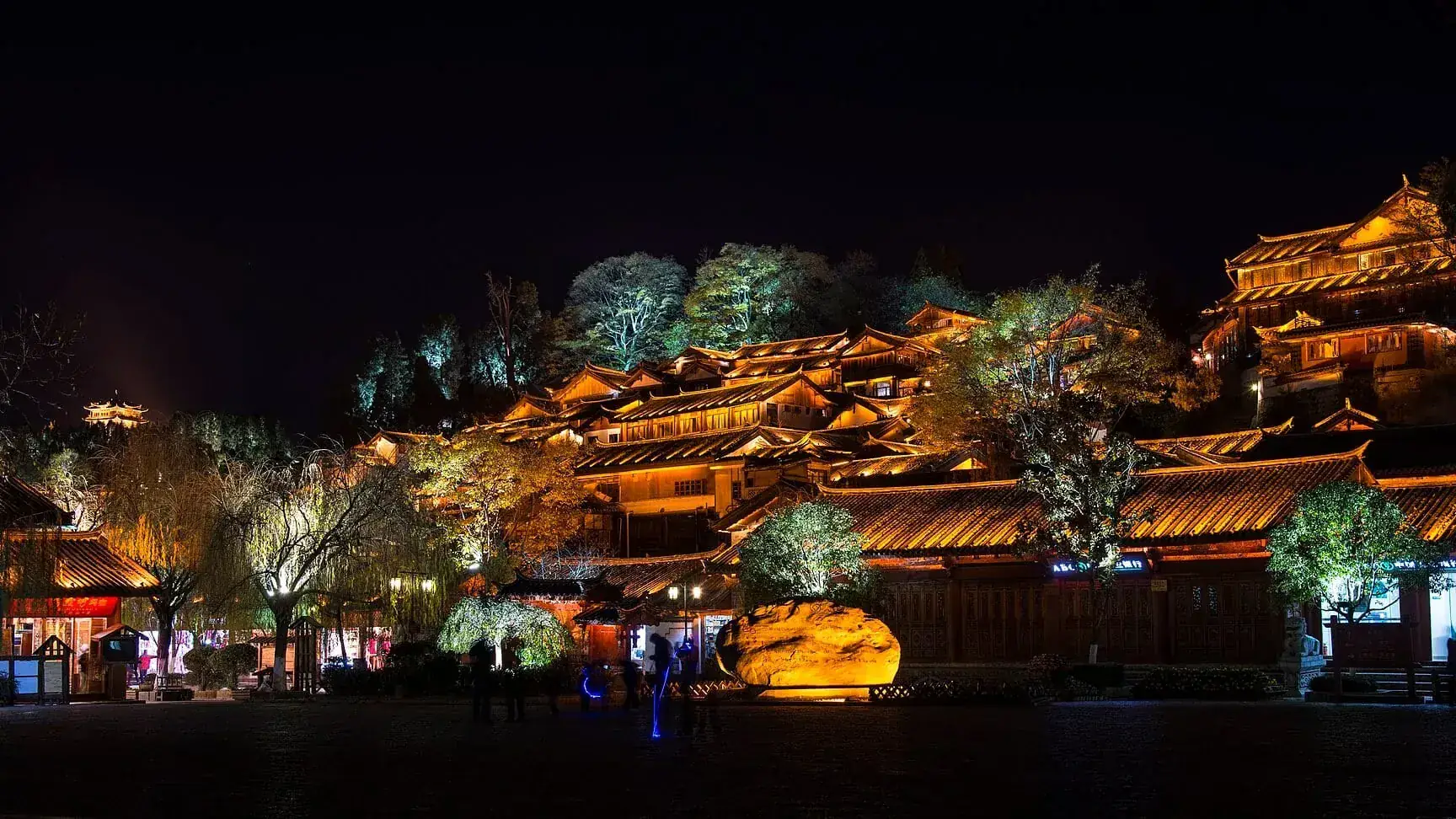
Old Town of Lijiang
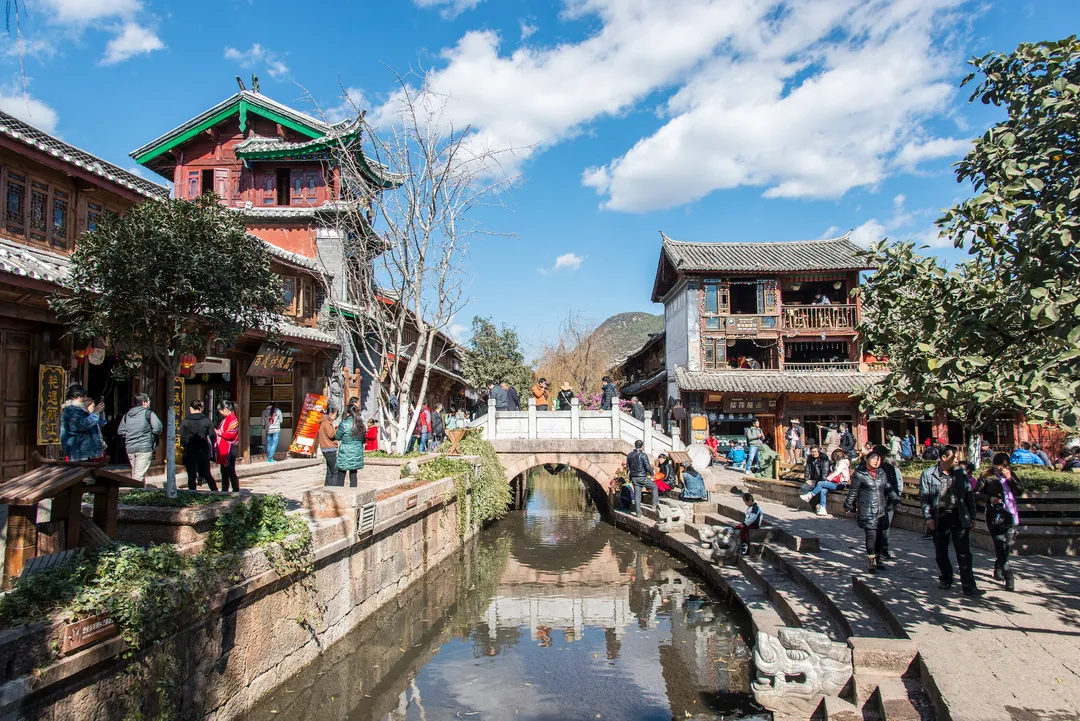
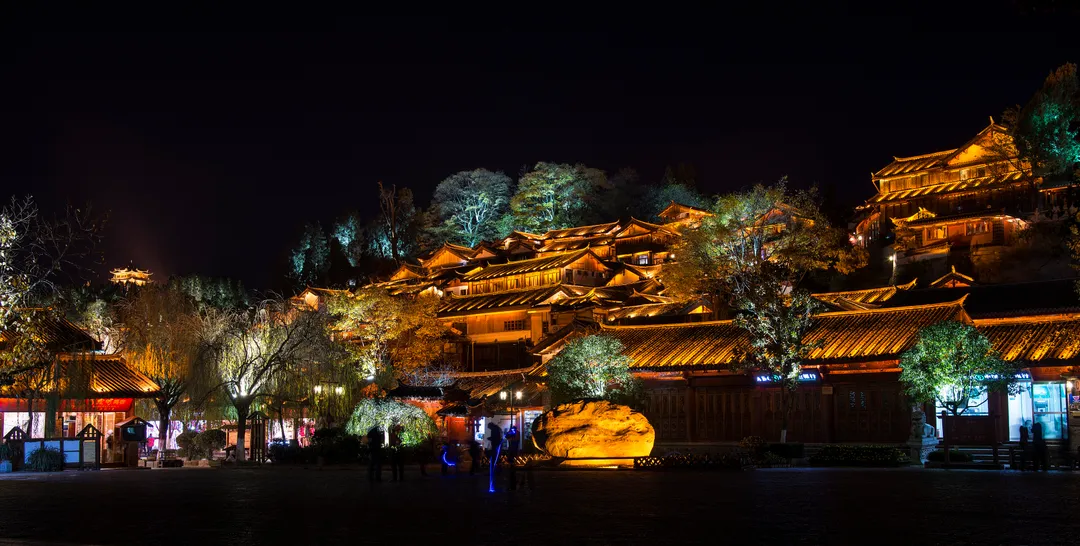
An 800-year-old Naxi ethnic town of cobbled streets, canals, and wooden buildings at 2,400 m in Yunnan. Views of Jade Dragon Snow Mountain. Atmospheric but heavily touristed. 2 days.
unesco2026-10-27
At a glance
- ticket
- ¥50 "Ancient Town Maintenance Fee" (paid once). Jade Dragon Snow Mountain ¥130 + cable car ¥180.
- hours
- Town: 24/7. Snow Mountain cable cars: 7:00–16:00.
- bestTime
- March–May and September–November. Avoid Golden Week and summer holidays (inundated). Winter for snow mountain views and fewer crowds.
- transport
- Fly to Lijiang Sanyi Airport (LJG) from Kunming (1h), Chengdu (1.5h). HSR from Kunming: 3h. Taxi to old town: 30 min.
- duration
- 2 days. Day 1: old town morning + Black Dragon Pool + Shuhe. Day 2: Jade Dragon Snow Mountain.
- Category
- cultural
- Year inscribed
- 1,997
- Category
- cultural
Why visit
Lijiang at 7:00 AM — when the cobblestone streets are empty, the canals are audible, and the first light hits Jade Dragon Snow Mountain — is magical. By 10:00 AM, the magic is buried under flag-waving tour groups and drum-shop noise. The trick: stay inside the old town, wake up early, enjoy 2–3 hours of the ancient Lijiang, then escape to the surrounding countryside (Shuhe, Baisha, the mountain itself) for the rest of the day.
Highlights
- Black Dragon Pool (黑龙潭) — the classic Lijiang view: pool, bridge, pavilion, and snow mountain
- Mu Mansion (木府) — the Naxi ruling family's palace, a "mini Forbidden City"
- Shuhe Ancient Town — smaller, quieter Lijiang 4 km north
- Jade Dragon Snow Mountain — cable car to 4,506 m, the highest tourist-accessible point in China outside Tibet
- Dongba culture — pictographic script, still used by Naxi shamans (dongba) for religious texts
Tips
- Stay inside the old town to access early-morning empty streets
- The maintenance fee (¥50) is checked at major attractions — buy it once and keep the receipt
- Skip the "Impression Lijiang" snow mountain show — it is expensive and, frankly, not good
- Altitude at the snow mountain cable car station is 4,506 m — buy oxygen canisters and take it slow
FAQs
Is Lijiang too touristy?
Yes, during the day — drum shops, selfie-stick vendors, and identical tourist restaurants dominate the main streets. But the town retains its character in the early morning and late evening. Shuhe and Baisha (nearby ancient towns) are calmer alternatives. The setting (2,400 m, snow mountain backdrop) remains impressive.
What is Dongba script?
The only pictographic writing system still in use today, developed by the Naxi people over 1,000 years ago. It uses simplified pictures to represent words and ideas (similar to Egyptian hieroglyphics). Dongba shamans use it for religious manuscripts. You can see it on signs throughout Lijiang and at the Dongba Culture Museum.
Can I visit Jade Dragon Snow Mountain?
Yes — the cable car takes you to Glacier Park at 4,506 m from the base (3,356 m). The view from the top is dramatic: a glacier overlooking the old town and the surrounding valleys. The altitude is serious — 4,500+ m can cause symptoms even in fit travelers. Bring oxygen, go slow, and do not attempt if you have heart or respiratory issues.
Is Lijiang earthquake-damaged?
The 1996 magnitude 7.0 earthquake killed 309 people and destroyed much of the old town. The reconstruction was faithful to the original Naxi architecture, but many buildings are now modern structures with traditional façades. UNESCO's inscription was actually accelerated by the earthquake — the international attention helped fund the restoration.