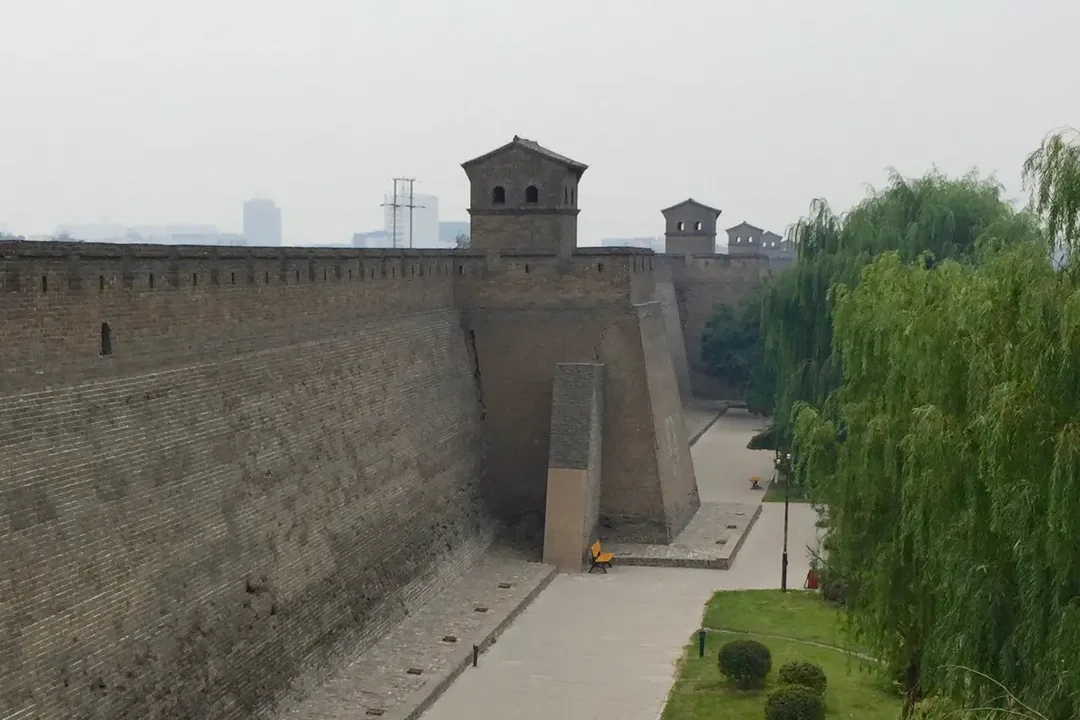
Ancient City of Ping Yao
The best-preserved ancient walled city in China — streets, shops, homes, and walls essentially unchanged since the Ming Dynasty (1370). The birthplace of Chinese banking.
unesco2026-10-27
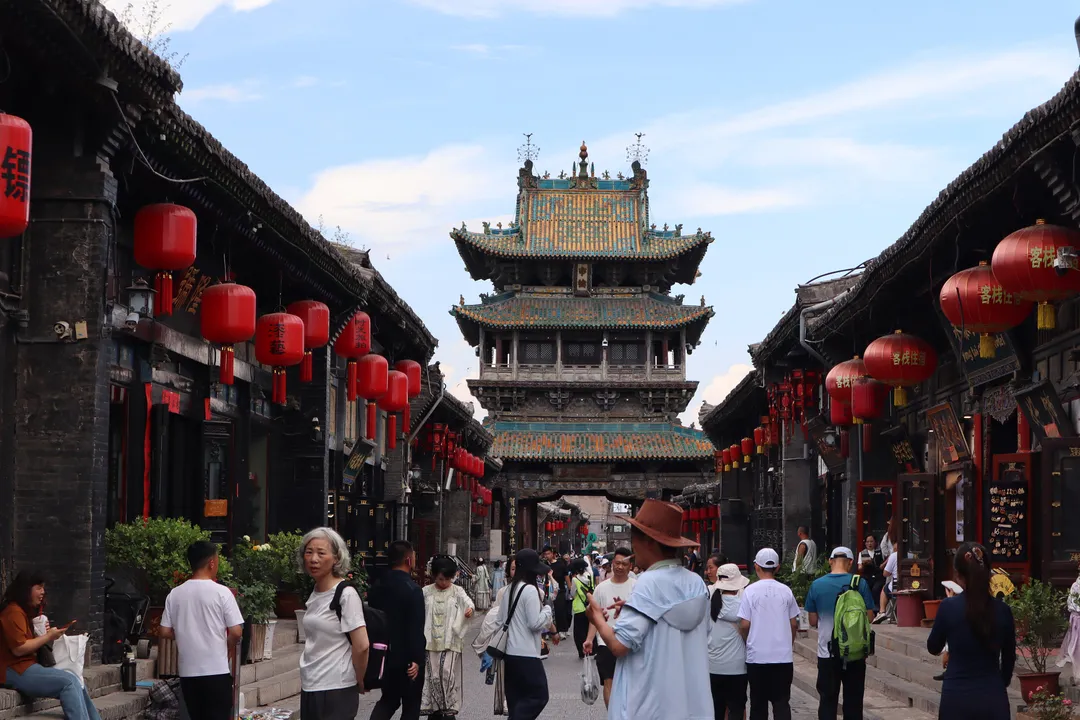
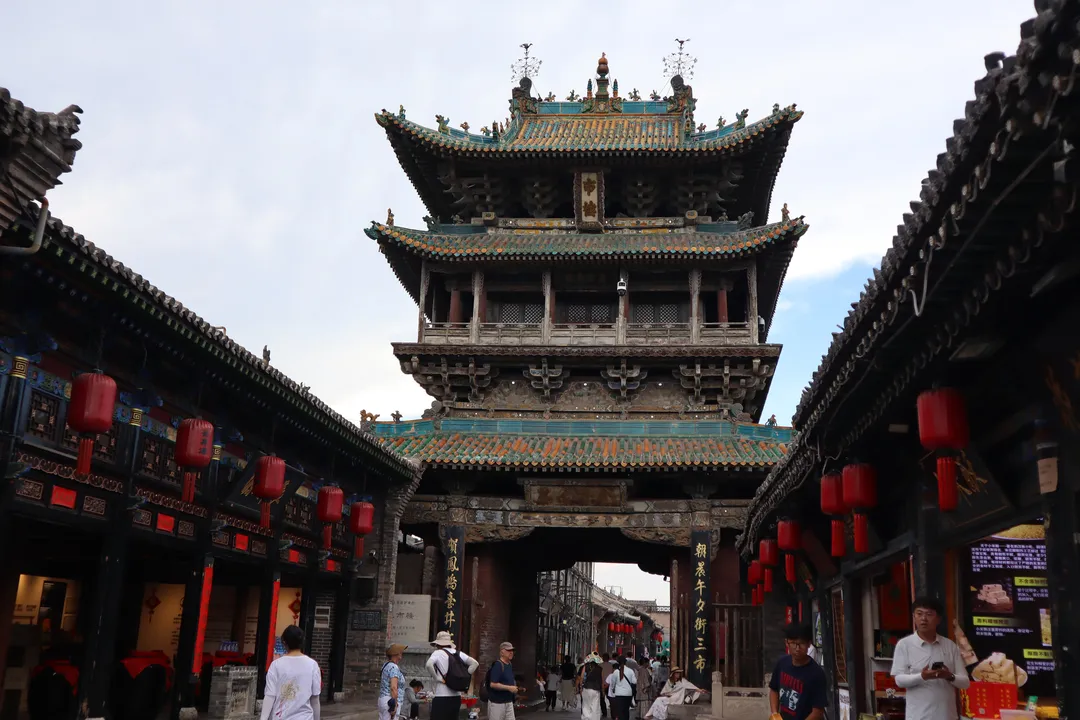
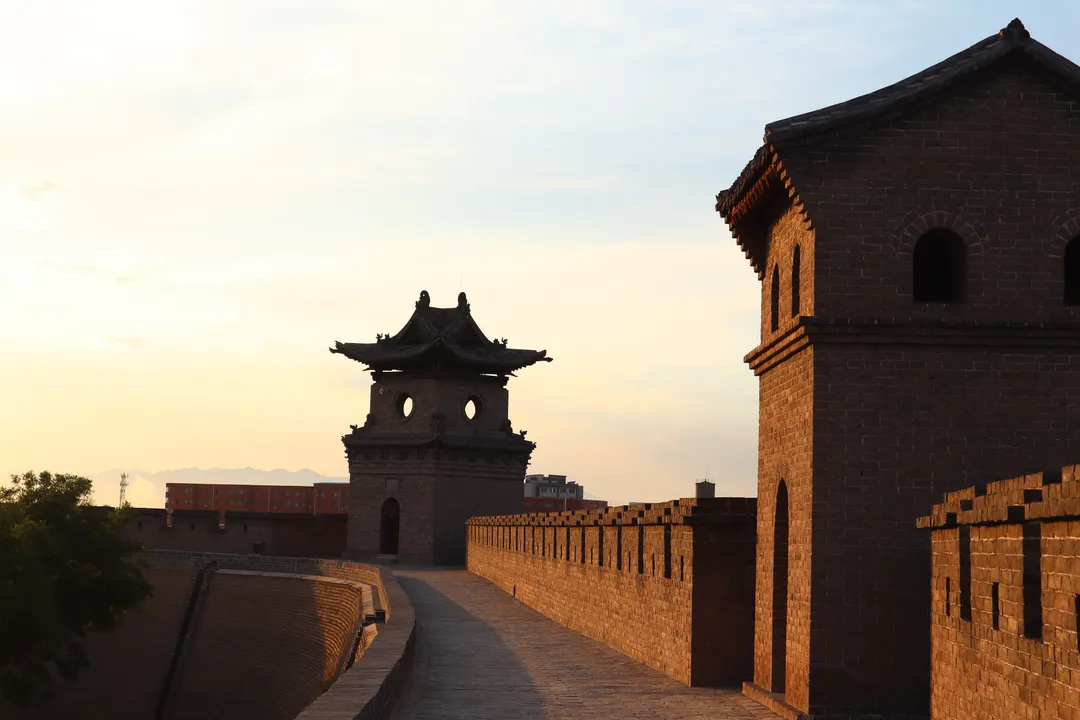
At a glance
- ticket
- ¥130 (city-wide pass, covers 20+ sites). Walk the walls: included.
- hours
- Streets open 24/7. Museums/sites: 8:00–17:30.
- bestTime
- April–May and September–October. Winter is cold but uncrowded. Avoid Golden Week (gridlock).
- transport
- HSR to Pingyao Ancient City Station from Beijing (3.5h), Xi'an (3h), or Taiyuan (30 min). Walk or taxi from station: 15 min.
- duration
- 1 full day for highlights. 2 days for all museums + back-alley exploration. Overnight stay strongly recommended.
- Category
- cultural
- Year inscribed
- 1,997
- Category
- cultural
Why visit
Pingyao is the closest you can get to time travel in China. Walk the city walls at dusk. Stay in a courtyard inn (kezhan) that was a merchant's house 200 years ago. The banking museums are genuinely fascinating — the Rishengchang invented the remittance system that connected Qing China's economy. Yes, the main streets get crowded with domestic tourists by midday, but the back alleys are empty and atmospheric.
Highlights
- City walls — 6.4 km circuit, 72 watchtowers, walkable (particularly good at sunset)
- Rishengchang Draft Bank — China's first bank (1823), preserved with original ledgers and vaults
- Ming-Qing Street (South Street) — the main commercial artery, lined with traditional shops
- County Yamen (government office) — a Qing Dynasty courthouse with original torture instruments display
Tips
- Stay in a courtyard guesthouse (kezhan) inside the walls — ¥150–500/night
- Walk the back alleys (between South Street and West Street) for empty Ming Dynasty streets
- The city pass covers 20+ sites but you will realistically visit 5–7 in a day
- Avoid buying "antiques" — they are reproductions. Silver items from the banking museums are better souvenirs
FAQs
Why is Pingyao a UNESCO site?
It is the best-preserved ancient walled city in China, with its Ming Dynasty walls (1370), streets, shops, temples, and courtyard homes essentially intact. It was also the birthplace of Chinese banking — the first piaohao (remittance banks) were established here in 1823.
How many days do I need in Pingyao?
1 full day covers the highlights (walls + 5–7 museums). 2 days allows a deeper exploration of back alleys and all major sites. Stay overnight — the city is most atmospheric after day-trippers leave at 17:00.
Is Pingyao crowded?
The main streets are packed with domestic tourists on weekends and holidays. Back alleys are nearly empty even during peak times. Weekday mornings (before 10:00) are quiet everywhere. Winter is the least crowded season.
How do I get to Pingyao?
HSR to Pingyao Ancient City Station from Taiyuan (30 min), Xi'an (3h), or Beijing (3.5h). From the station, walk 15 min or take a battery car (¥10) to the city gates. No cars are allowed inside the walls.
What is a piaohao (draft bank)?
The world's first remittance banking system, invented in Pingyao in 1823. Merchants could deposit silver in one city and withdraw it in another using a paper draft — eliminating the need to transport physical silver across bandit-infested roads. At their peak, Pingyao's 22 piaohao branches controlled ~50% of China's silver trade.