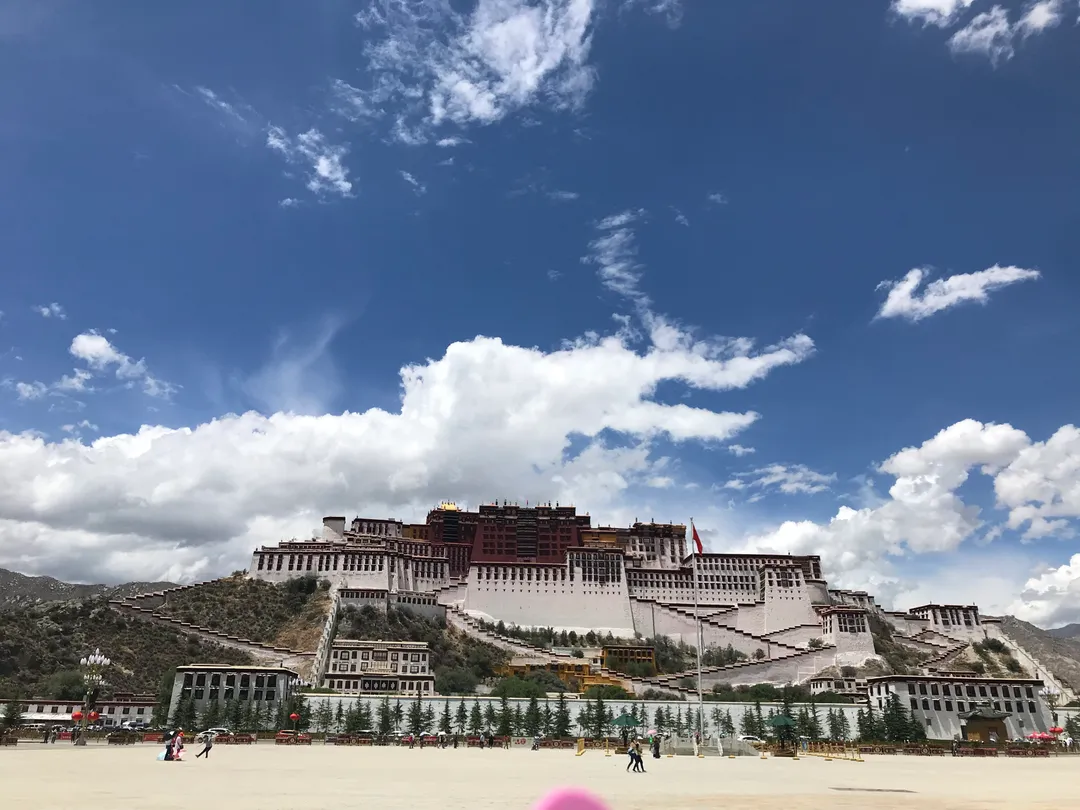
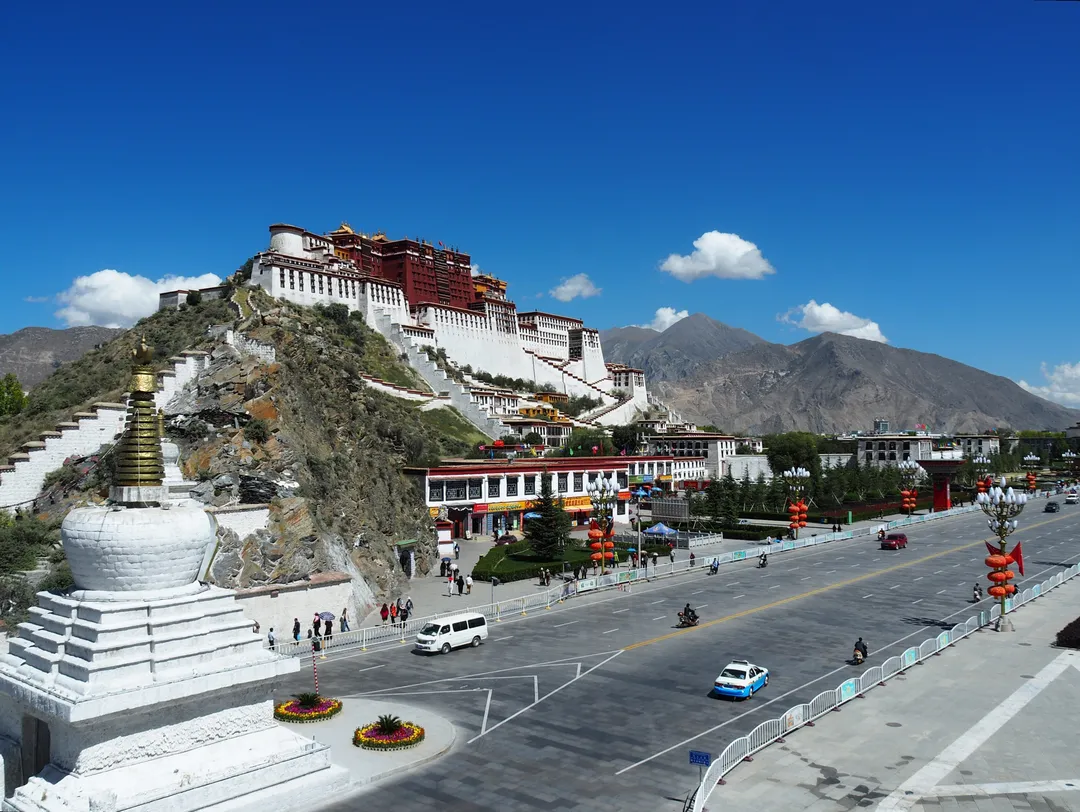
Historic Ensemble of the Potala Palace, Lhasa
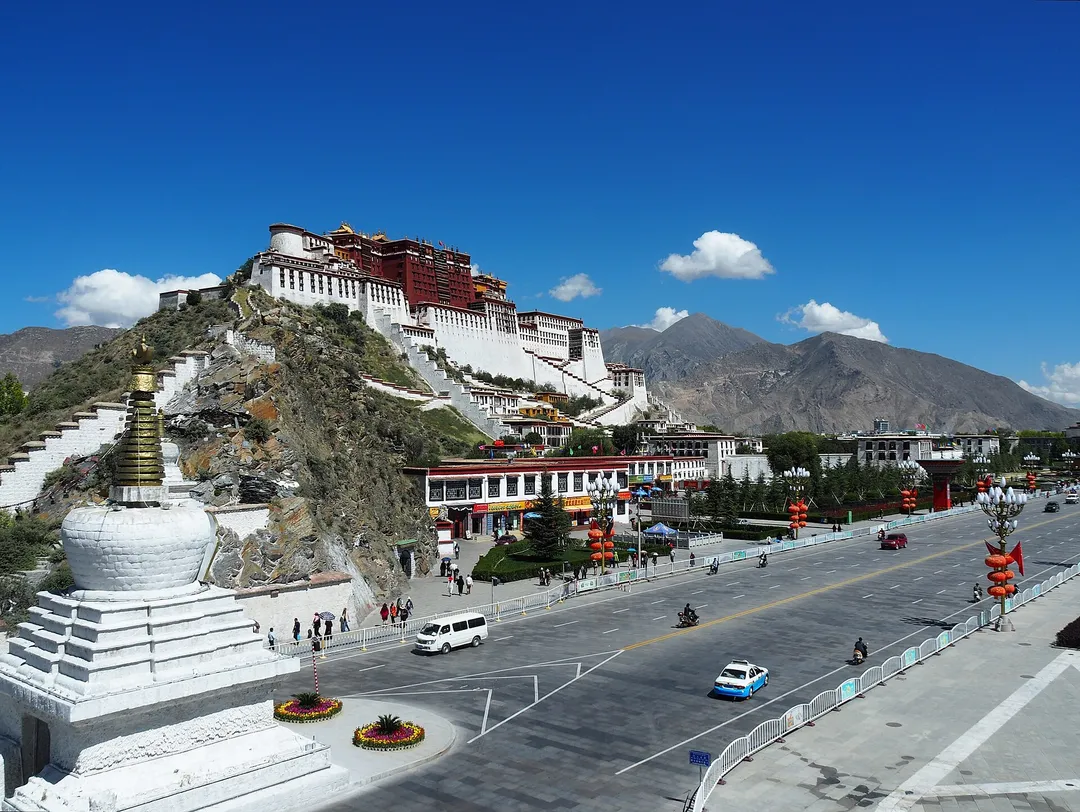
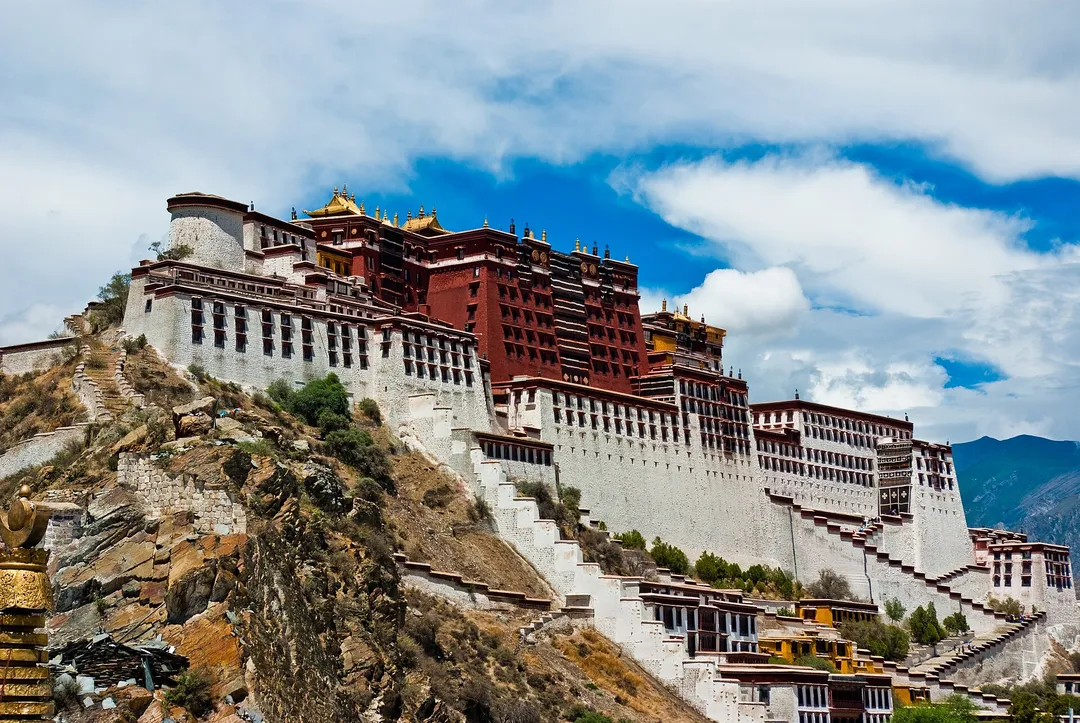
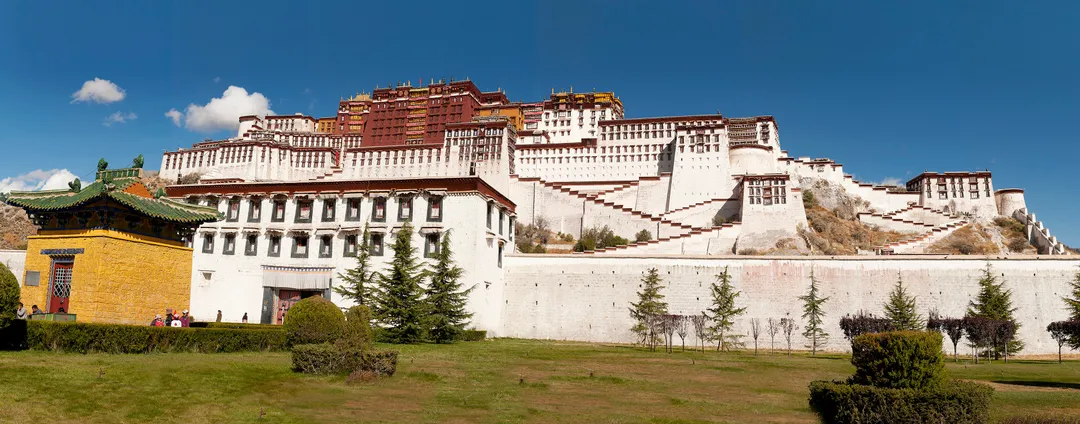
The 13-story winter palace of the Dalai Lamas, 3,700 m above sea level. 1,000+ rooms, 200,000+ Buddhist statues. The most important Tibetan Buddhist site. Book weeks ahead. Tibet permit required.
unesco2026-10-27
At a glance
- ticket
- ¥200 (May–Oct) / ¥100 (Nov–Apr). Book 1–7 days ahead via official WeChat. Strict time-limit: 1 hour inside the palace.
- hours
- 9:00–16:00 (last entry 15:00).
- bestTime
- May–June and September–October. July–August is rainy season. Winter is cold but uncrowded.
- transport
- Walk from central Lhasa (Barkhor area). Taxi ¥15 from most hotels. No DiDi in Lhasa.
- duration
- 1 hour inside Potala (enforced). 2–3 hours for the full complex + exterior photos. Jokhang Temple: 1–2 hours. Norbulingka: 1–2 hours.
- Category
- cultural
- Year inscribed
- 1,994
- Category
- cultural
Why visit
Standing on the Potala roof at 3,750 m, looking across Lhasa at the Himalayan foothills, the scale of Tibetan Buddhism's achievement hits you — this structure, built with yak-blood mortar and manual labor at oxygen levels 40% lower than sea level, contains more art, gold, and religious devotion per square meter than almost anywhere I have been. The Jokhang Temple's Barkhor circuit, where thousands of pilgrims prostrate daily, is one of the most intense spiritual experiences in Asia.
Highlights
- Red Palace — tombs of 8 Dalai Lamas, the largest with 3.7 tonnes of gold
- White Palace — the Dalai Lama's former living quarters and throne room
- Jokhang Temple — the Jowo Rinpoche statue, Tibet's most sacred object, brought by Princess Wencheng in 641 AD
- Barkhor Circuit — the pilgrimage kora around Jokhang, thousands of prostrating pilgrims daily
Tips
- Tibet Travel Permit required — book through a registered agency (¥200–500)
- Potala tickets are strictly limited — book 1+ week ahead, and the 1-hour limit is enforced
- Acclimatize in Lhasa for 2 days before climbing the Potala stairs — the altitude is punishing
- No photography inside the Potala or Jokhang. Phones and cameras must be stored at security
- Dress modestly — shoulders and knees covered. Remove hats inside temples
FAQs
Do I need a special permit to visit the Potala Palace?
Yes — foreign travelers need a Tibet Travel Permit (TTP), which can only be obtained through a registered Chinese travel agency. You must book a tour package (minimum: guide + transport). Independent travel in Tibet is not permitted for foreigners. The permit takes 7–10 days to process.
How do I book Potala Palace tickets?
Through your travel agency, or via the official Potala Palace WeChat mini-program (Chinese only). Tickets sell out days ahead in peak season. The 1-hour time limit inside is strictly enforced — guards will move you along if you linger.
Can I visit Lhasa independently as a foreigner?
No. All foreign travelers in Tibet must be part of an organized tour with a licensed guide. You cannot rent a car, take public intercity transport, or stay in budget guesthouses independently. This applies to the entire Tibet Autonomous Region.
How do I handle the altitude in Lhasa?
Lhasa is at 3,650 m — 40% less oxygen than sea level. Spend 2 full days acclimatizing before doing anything strenuous. Symptoms: headache, shortness of breath, insomnia. Drink 3–4L of water per day. Avoid alcohol for the first 48 hours. The Potala stairs (365 steps) are genuinely hard at altitude — rest often.
What is the Jokhang Temple and why is it so important?
Built in 641 AD by King Songtsen Gampo, it houses the Jowo Rinpoche — a life-sized statue of the Buddha at age 12, said to have been blessed by the Buddha himself. It is the single most sacred object in Tibetan Buddhism. The Barkhor circuit around the temple is the pilgrimage route completed by millions of Tibetans, many prostrating the entire 1 km circuit.
Is Tibet safe for tourists?
Lhasa is generally safe. Altitude sickness is the main health risk. Political sensitivity: avoid discussing Tibetan independence, the Dalai Lama, or taking photos of military/police. Internet access is more restricted than in mainland China — VPNs may not work reliably. The Chinese government maintains a significant security presence.