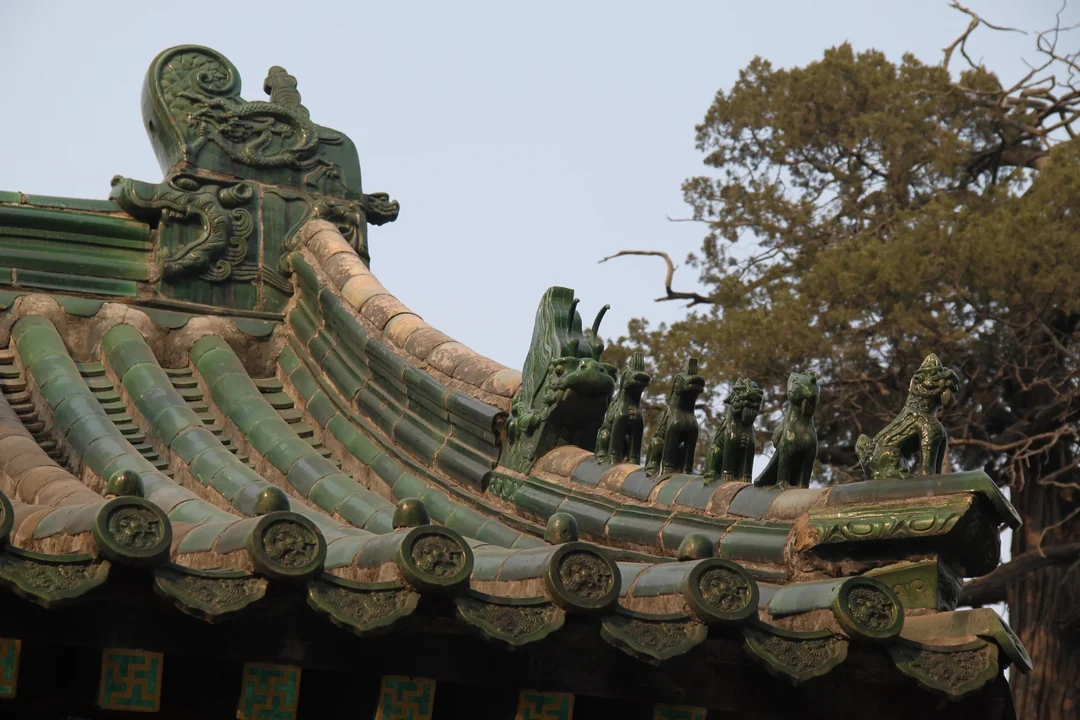
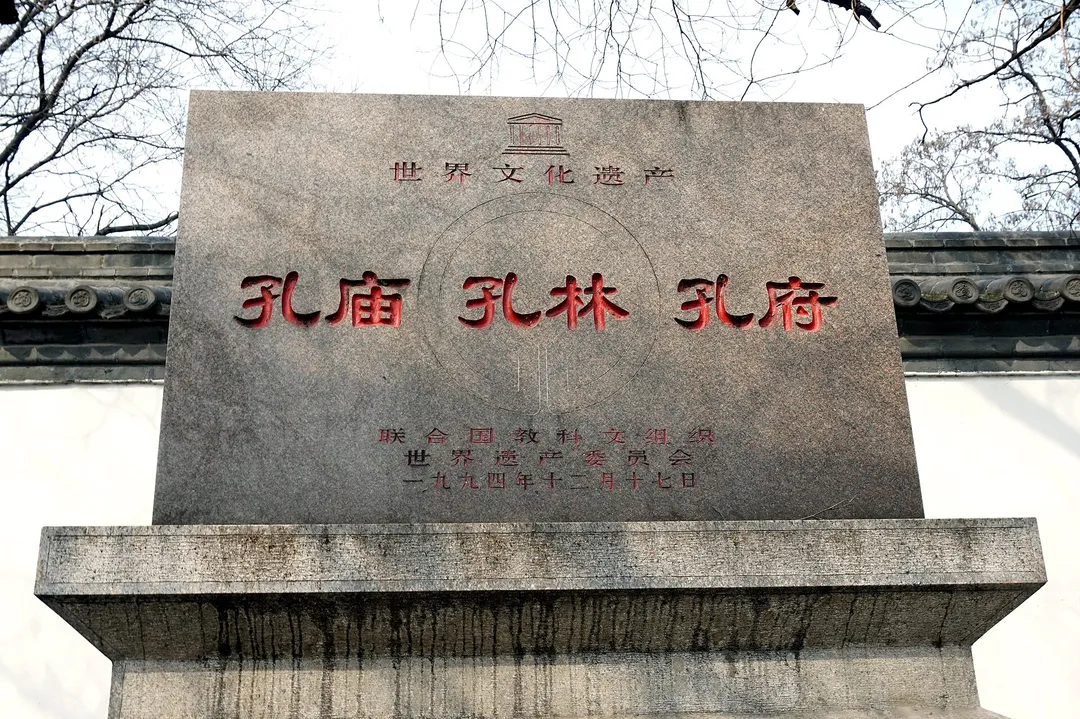
Temple and Cemetery of Confucius and the Kong Family Mansion
The birthplace of Confucius (551–479 BC), with a temple, family mansion, and cemetery containing 100,000+ of his descendants. The closest thing China has to a pilgrimage city.
unesco2026-10-27
At a glance
- ticket
- Temple ¥150, Mansion ¥60, Cemetery ¥60. Combo ¥210.
- hours
- 8:00–17:00.
- bestTime
- April–May and September–October. Avoid Confucius's birthday (September 28) — crowded with ceremonies.
- transport
- HSR to Qufu East from Beijing (2h, ¥220) or Jinan (30 min, ¥60). Bus to old town: 20 min.
- duration
- 1 full day for all three sites.
- Category
- cultural
- Year inscribed
- 1,994
- Category
- cultural
Why visit
Confucius shaped China, Korea, Japan, and Vietnam more than any emperor. Walking through his family cemetery — a forest of 100,000 graves, 2,500 years of one continuous lineage — is a surprisingly moving experience. The temple complex is vast and beautiful, with 466 halls and pavilions built across every Chinese dynasty, each adding its own architectural layer. The highlight for me was the 2,100+ stone steles in the temple, including one from Kublai Khan.
Highlights
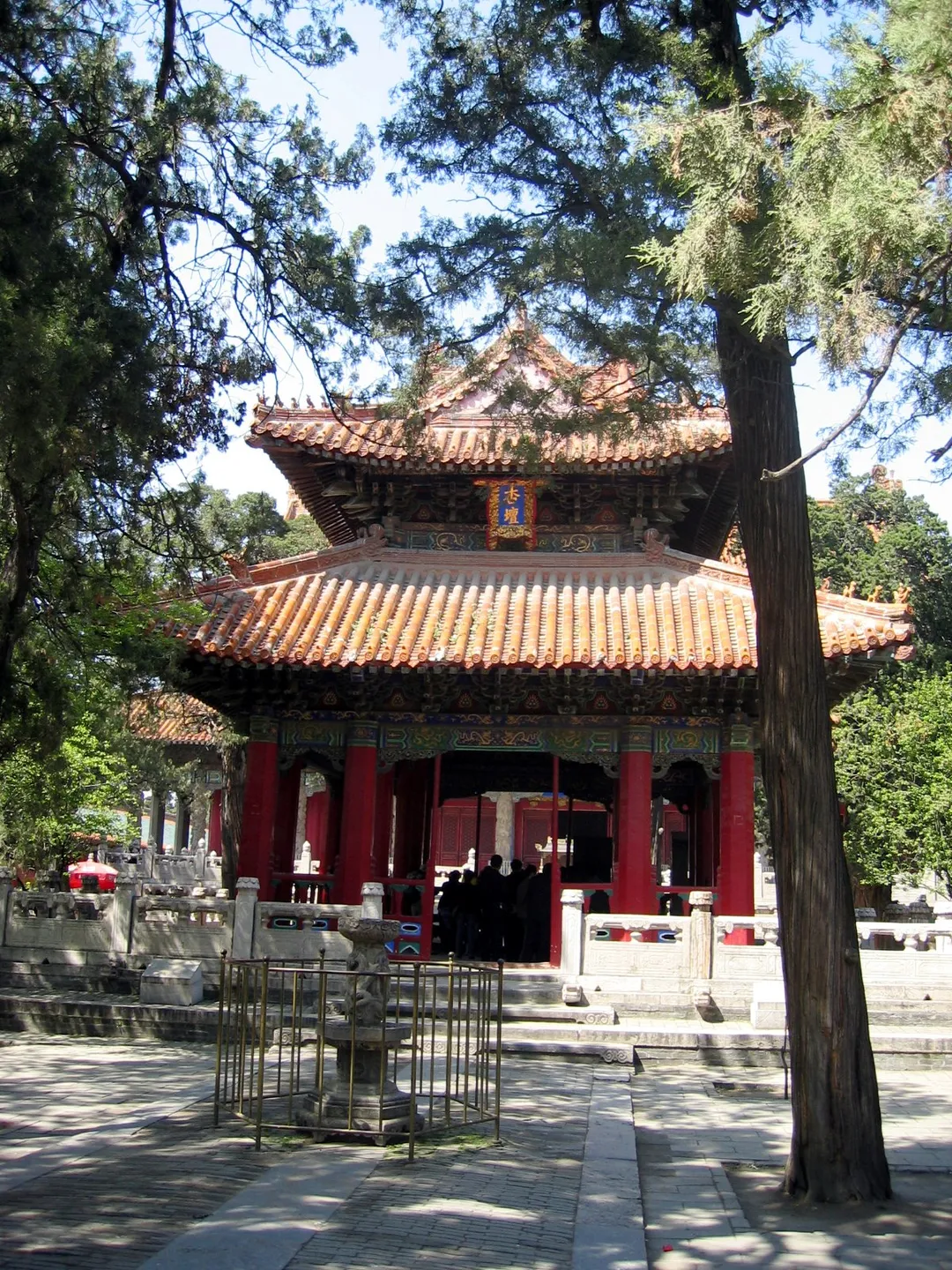
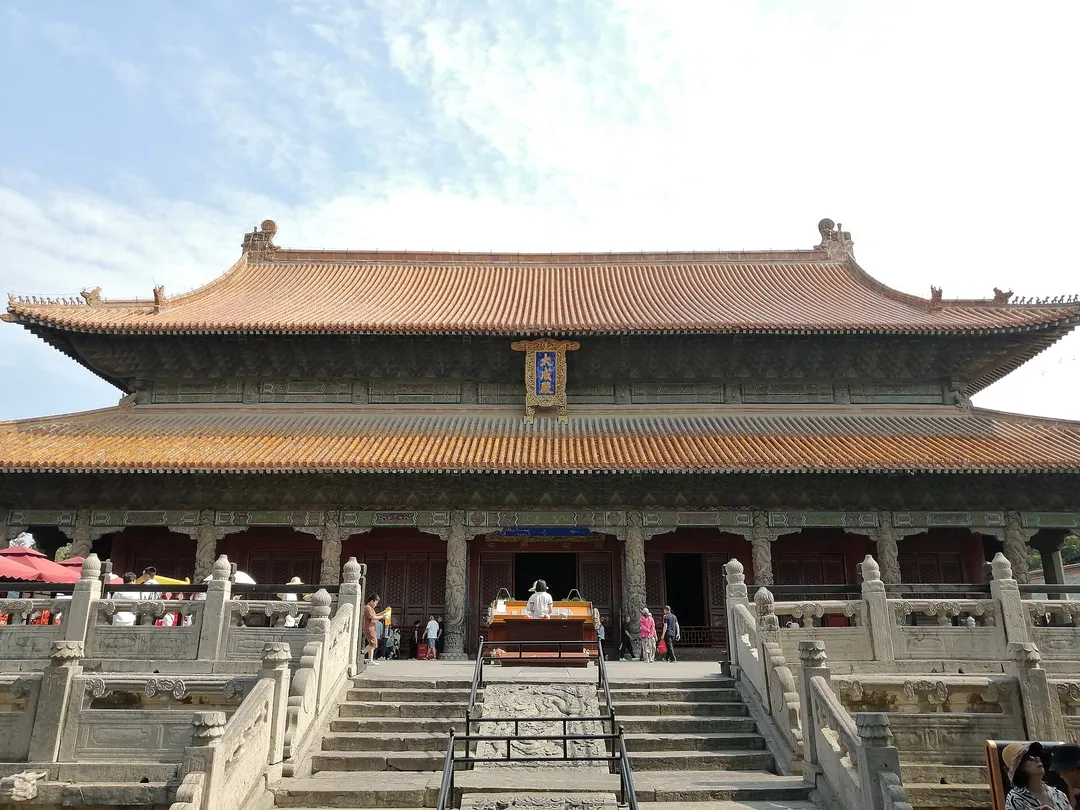
- Temple of Confucius — 466 halls, the Dacheng Hall (main hall with 10 dragon-carved stone columns)
- Cemetery of Confucius — Confucius's actual tomb + 100,000+ descendants' graves in a 200-hectare forest
- Kong Family Mansion — where the 77th-generation direct descendant lived until 1937
- 2,100+ inscribed stone steles — 2,000 years of emperors honoring Confucius
Tips
- The combo ticket saves money if visiting all 3 sites
- Hire a guide or rent the audio guide — the temple has sparse English signage
- The Cemetery is 2 km north of the temple — take a rickshaw (¥20) or walk
- Combine with Mount Tai (Tai'an, 30 min by HSR) for a 2–3 day Shandong cultural trip
FAQs
Is Qufu worth visiting?
For anyone interested in Chinese philosophy, history, or East Asian culture: absolutely. Qufu is the spiritual home of Confucianism, which shaped the ethics, governance, and education of a quarter of the world's population for 2,000+ years. 1 day is sufficient.
Can you see Confucius's actual tomb?
Yes — it is in the Cemetery of Confucius, a simple grassy mound with a stone tablet reading "Tomb of the Sacred Master of Culture, the Ultimate Sage." His son Kong Li and grandson Kong Ji (Zisi) are buried nearby. The cemetery has been maintained continuously for 2,500 years — the Kong family still holds ceremonies here.
How many descendants does Confucius have?
An estimated 3 million living descendants worldwide. The Kong family genealogy is the world's longest continuously maintained family tree (2,500+ years, 83+ generations). The 77th-generation direct descendant lived in the Kong Family Mansion until 1937 and fled to Taiwan in 1949. The 79th-generation descendant currently lives in Taiwan.