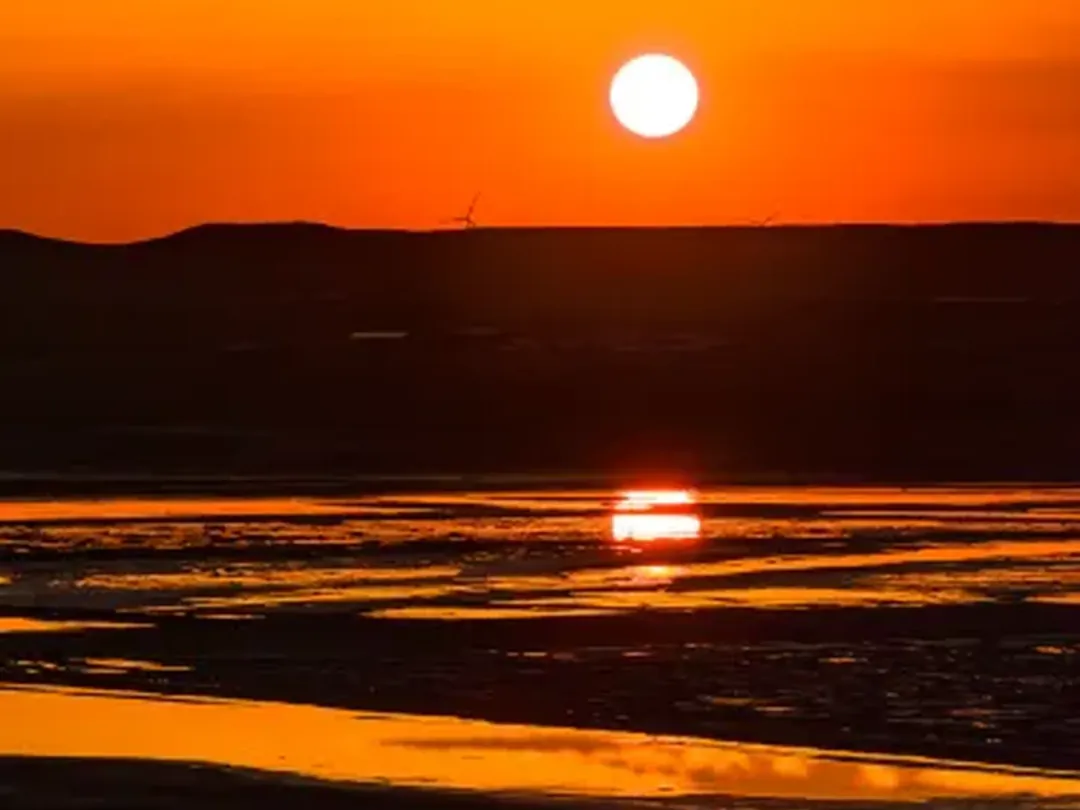
Site of Xanadu
The ruins of Kublai Khan's 13th-century summer capital, described by Marco Polo and immortalised in Coleridge's poem. Grassland, scattered foundations, and a museum. Remote and atmospheric.
unesco2026-10-27
At a glance
- ticket
- ¥50 (site + museum).
- hours
- 8:30–17:30 (May–October). Closed November–April due to snow.
- bestTime
- June–August (grassland is green, Naadam festival season nearby). September for golden steppe and fewer insects.
- transport
- From Beijing: HSR to Hohhot (2.5h) or fly to Xilingol (1h), then drive 2–3 hours to Zhenglan Banner. The site is remote — self-drive or join a tour.
- duration
- 2–3 hours on site. Full day including transport.
- Category
- cultural
- Year inscribed
- 2,012
- Category
- cultural
Why visit
Xanadu is a pilgrimage site for anyone who ever read Coleridge in high school. The reality is subtle — grass-covered foundations under a huge sky, wind in the steppe, almost no visitors. I was one of four people on site that afternoon. The museum does an excellent job of reconstructing what the city looked like, and the sheer remoteness of the location adds to the sense of lost empire. It is not a blockbuster, and that is exactly why I liked it.
Highlights
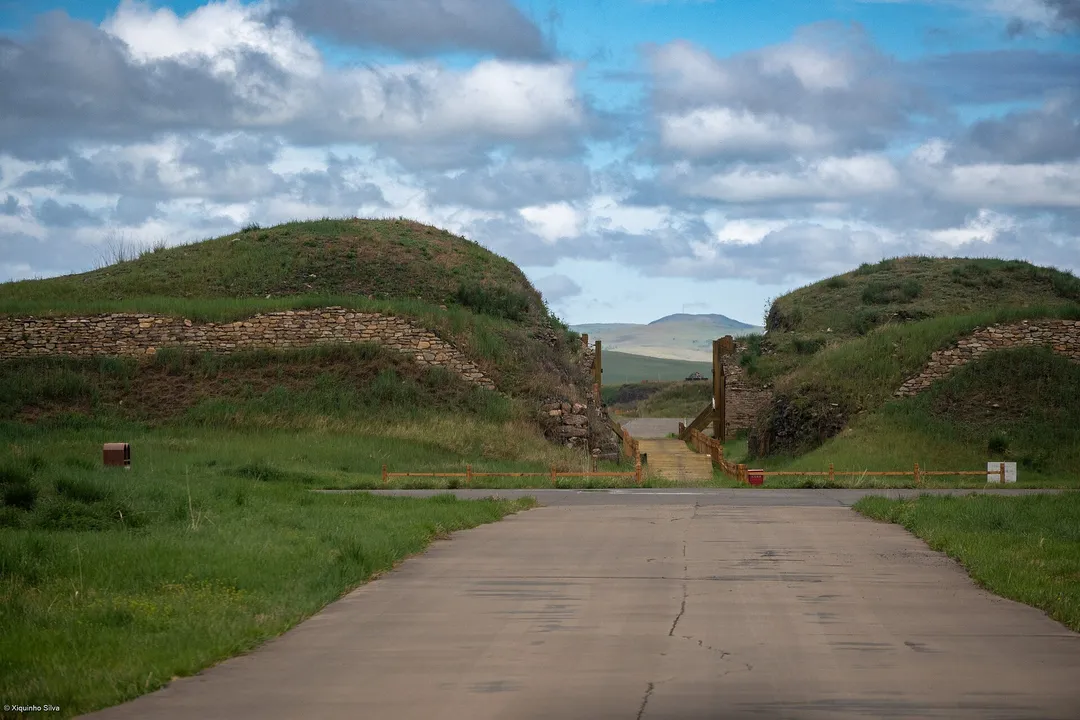
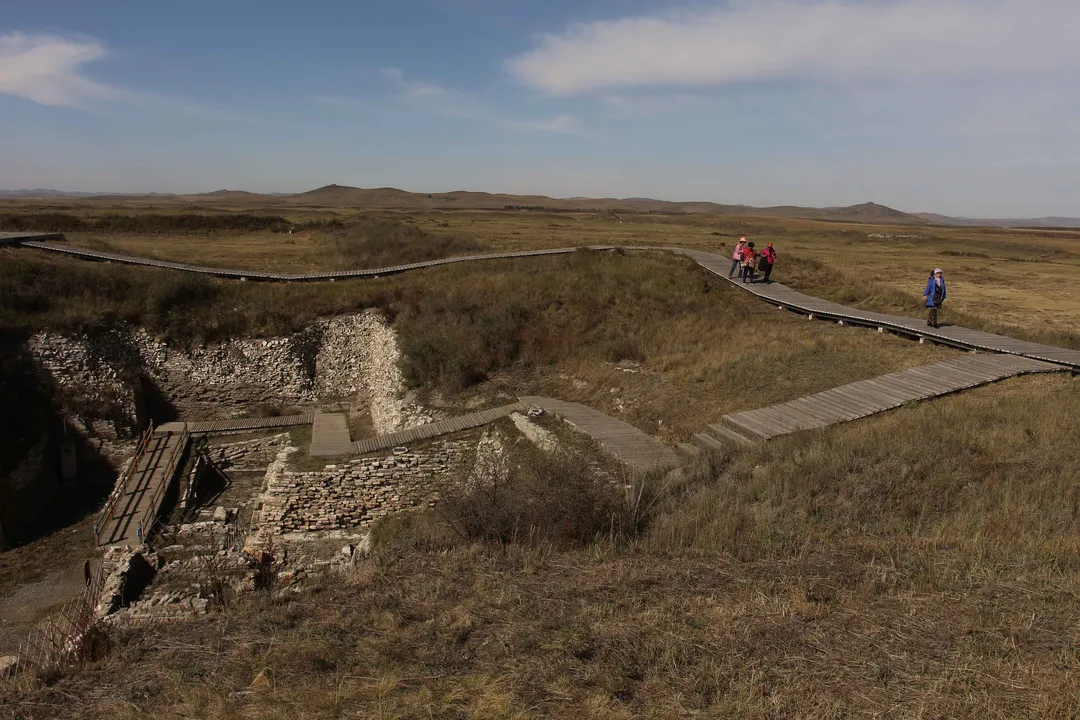
- Outer City foundations — the grid layout is still visible from the raised viewing platforms
- Imperial Palace platform — the central mound where Kublai Khan's palace stood
- Museum — scale models, artefacts, and Marco Polo's account in multiple languages
- Surrounding steppe — the grassland itself, with herders and horses, is the larger attraction
Tips
- Visit in June–August when the grassland is green and the weather is pleasant
- There is no shade on site — bring a hat, sunscreen, and 2L of water
- Combine with a Mongolian grassland homestay (yurt, horse riding, hotpot) nearby
- Read Marco Polo's account of Xanadu before visiting (book 1, chapter 57) — it makes the ruins come alive
FAQs
What is left of Xanadu to see?
Foundations of the palace platform, city walls, and the grid layout of the outer city are visible as raised grassy mounds. The museum contains scale models, excavated artefacts, and detailed reconstructions. There are no standing buildings — the city was systematically dismantled after 1368 and the wooden structures burned.
Is Xanadu worth the trip?
For history enthusiasts and Marco Polo fans: yes — the remoteness and atmosphere compensate for the modest ruins. For general tourists spending limited time in China: the time-to-reward ratio is low. Combine with a broader Inner Mongolia grassland trip for the best experience.
How do I get to Xanadu?
The site is in Zhenglan Banner (正蓝旗), Inner Mongolia. Fly Beijing → Xilingol (1h), then drive 2h. Or HSR to Hohhot (2.5h) then drive 3h. Public transport is impractical — hire a car or join a tour. The nearest town (Shangdu Town) is 20 km away.
What did Marco Polo say about Xanadu?
He described "a very fine marble palace" with gilded halls and a bamboo pavilion on gilded columns that could be taken down and moved. He wrote of 10,000 white horses kept for the Khan, falconry expeditions, and the Khans' ability to control weather through astrologers. His account (Book 1, Chapter 57 of "The Travels") is the most detailed Western description of a Mongol capital in the 13th century.