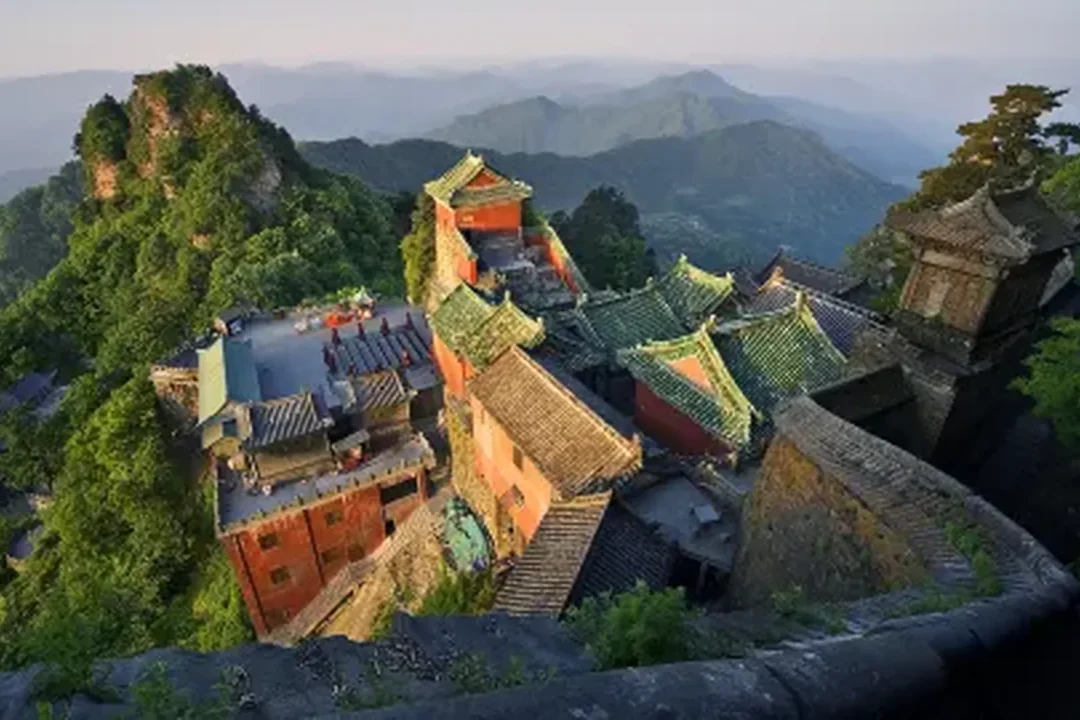
Ancient Building Complex in the Wudang Mountains
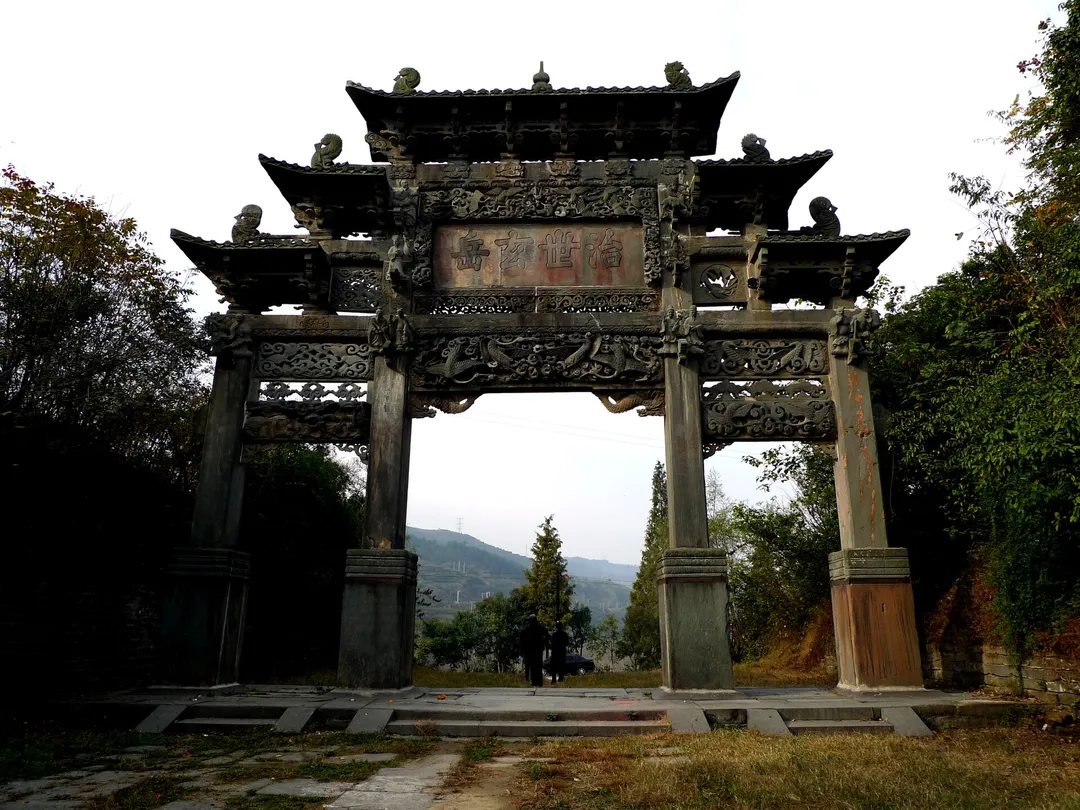
Taoist sacred mountain with 62 temple complexes built into cliffs. Birthplace of tai chi (taijiquan). Kung fu schools still operate here. 2 days minimum.
unesco2026-10-27
At a glance
- ticket
- ¥240 (includes shuttle bus). Cable car ¥90 one-way. Kung fu school day visits ¥200–300.
- hours
- 7:00–17:30.
- bestTime
- April–May and September–November. Winter is quiet but cold; the Golden Hall at -10°C is atmospheric.
- transport
- HSR to Wudangshan West Station (1.5h from Wuhan). Bus to park entrance: 30 min.
- duration
- 2 full days. Day 1: Purple Cloud Temple + Nanyan Temple. Day 2: summit (Golden Hall) via cable car + hike.
- Category
- cultural
- Year inscribed
- 1,994
- Category
- cultural
Why visit
Unlike the Shaolin Temple (commercial, crowded, more performance than practice), Wudang feels like a living Taoist mountain. Monks in blue robes still train in the courtyards. The morning kung fu practice sessions at the Purple Cloud Temple are open to visitors who arrive early. I watched a 70-year-old master practice sword forms at sunrise — no crowd, no ticket booth, just practice.
Highlights
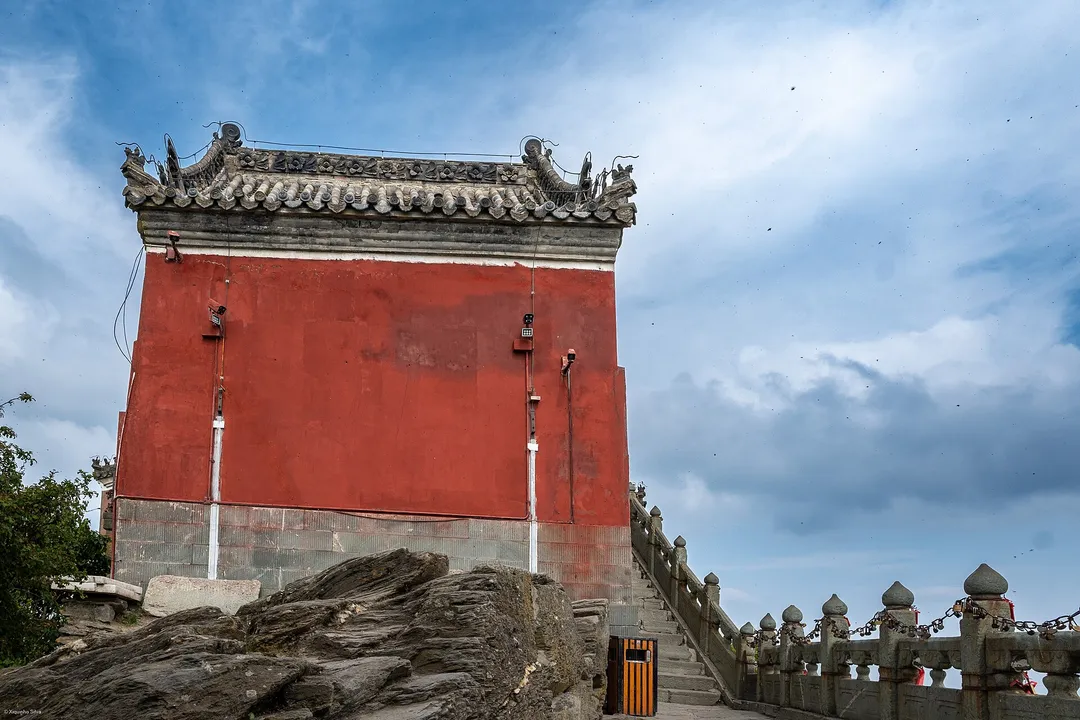
- Golden Hall at Tianzhu Peak (1,612 m) — gilded bronze, built 1416
- Purple Cloud Temple — the largest complex, active kung fu training
- Nanyan Temple — built into a cliff face, the most dramatic setting
- Tai Chi training — morning practice sessions open to respectful visitors
Tips
- Stay inside the park at Nanyan or Zixiao Palace area for early-morning access
- The vegetarian restaurant at Purple Cloud Temple is excellent (¥30–50)
- Hire a guide to explain the Taoist symbolism — the temples are indecipherable without context
FAQs
Is Wudang Mountain better than Shaolin Temple?
Wudang is less crowded, more spiritual, and the temples are more dramatic (built into cliffs). Shaolin is more famous and more commercialized. For martial arts: Shaolin = external/hard styles (kung fu). Wudang = internal/soft styles (tai chi, bagua). Both are worth visiting for different reasons.
Can I take a kung fu class at Wudang?
Yes — several schools offer day classes (¥200–300) or multi-day programs. The Wudang Daoist Kung Fu Academy and Wudang Mountain Kung Fu School are the most reputable for foreigners. Classes include tai chi, qigong, and sword forms.
How do I get to Wudang Mountain?
HSR to Wudangshan West Station from Wuhan (1.5h) or Xi'an (3h). Then bus to the park entrance (30 min, ¥10). Shuttle buses run inside the park between temple sites.
What is the Golden Hall?
A 20-tonne Taoist hall made entirely of gilded bronze, built in Beijing in 1416 and carried piece by piece to the 1,612 m summit. Inside: a statue of Zhen Wu (the Perfected Warrior), the mountain's patron deity, surrounded by bronze attendants. The hall is remarkably well-preserved after 600+ years.
How many days do I need at Wudang?
2 full days. Day 1: Purple Cloud Temple area. Day 2: summit (cable car to Golden Hall) + Nanyan Temple. 3 days allows hiking the full summit trail and visiting outlying temples.