
Summary
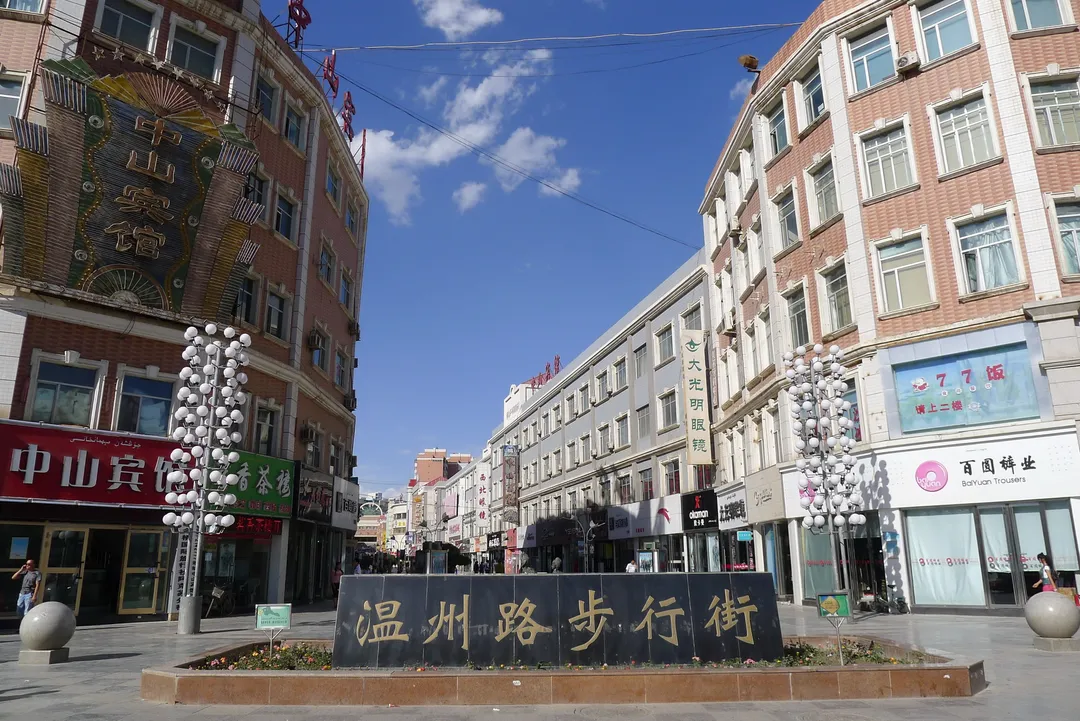
This guide introduces Aksu (阿克苏) — a city and prefecture on the Tianshan foothills in Xinjiang. Recommended stay: 2-3 days, with a day trip out to Kuqa's Buddhist caves and canyons.
We focus on the practical decisions a first-time visitor needs: how to split time between Aksu city and Kuqa, what the distances really are, what to budget, and when the orchards and poplar forests are at their best.
Why Aksu
Aksu is the agricultural heart of southern Xinjiang — famous for its "ice-sugar-heart" apples, walnuts and red dates — and the western gateway to the ancient Buddhist sites of the northern Silk Road. The prefecture spans desert edge to 7,443 m Tomur Peak, the highest summit of the Tianshan. Travellers come for the Kizil Caves, the red-rock Kuqa Grand Canyon, and the Tarim River's golden poplar forests in late October.
Top Attractions
- Kizil Thousand-Buddha Caves (克孜尔千佛洞) — the earliest Buddhist cave complex in China, started in the 3rd century, about 70 km west of Kuqa; some caves open to visitors with timed entry.
- Tianshan Kuqa Grand Canyon (天山神秘大峡谷) — a red-sandstone slot canyon north of Kuqa, walkable in 1-2 hours; go in the morning for light and temperature.
- Subash Ancient City (苏巴什故城) — ruins of a large Buddhist monastery complex where Xuanzang once preached, just north of Kuqa.
- Wensu Grand Canyon (温宿大峡谷) — eroded danxia ridges about 80 km from Aksu city, the closest dramatic landscape to town.
- Tarim populus euphratica forests (胡杨林) — golden desert poplars along the Tarim River, at their best in late October.
For full attraction details, see the dedicated attraction pages.
Where to Stay
Stay in central Aksu city for the food markets and airport, or in Kuqa county-level city for two nights if the caves and canyon are the priority — Kuqa saves 4-5 hours of round-trip driving from Aksu. Hotels are mid-range and inexpensive by coastal-China standards; book ahead around National Day week.
Gastronomy
Southern-Xinjiang food: laghman hand-pulled noodles, polu (pilaf with lamb and carrots), roast lamb skewers, baked naan, and Aksu's own apples, walnuts and red dates — the orchards supply most of China. Night markets in Aksu and Kuqa are the best-value eating. Use mobile payment (Alipay / WeChat Pay); carry small cash for market stalls.
Practical Information
Mobile payment: Alipay with international card works in the city. SIM: tourist eSIM recommended (Airalo 5-30 USD). Distances are desert-scale — Aksu to Kuqa is about 260 km — so plan fuel, water and daylight around drives. English signage is rare outside hotels; screenshot your destinations in Chinese or Uyghur. Bring your passport for hotel check-in and intercity transport.
When to Go
Best seasons: May–June and September–October — mild days, orchard country in blossom or harvest. Late October adds the golden poplar forests along the Tarim. Avoid Chinese national holidays (early February, early May, early October) due to extreme crowds; summer exceeds 35 °C.
Itinerary Suggestions
A 2-3 day stay works like this: day 1 in Aksu city (night market, Wensu Grand Canyon), day 2-3 for Kuqa — Kizil Caves, Kuqa Grand Canyon and the old town in one loop, by hired car or the frequent Aksu–Kuqa trains and buses. Flights from Urumqi reach Aksu (AKU) in about 1.5 hours.
Beyond the Highlights
Aksu rewards a slow loop: the Sunday livestock market in Kuqa county villages, desert-edge orchards where you can buy apples straight from growers in October, and the Tomur Peak national nature reserve viewpoints on the Kyrgyz border. Check local advisories and travel with daylight — this is remote Xinjiang.
Reflections
The best Aksu trips balance headline sights with everyday moments — a morning at the main attraction, an afternoon in a quiet neighbourhood, an evening meal where locals go. This guide is a starting point; the rest is up to you.
Glossary of Useful Terms
| Chinese | Pinyin | Meaning |
|---|---|---|
| 你好 | nǐhǎo | hello |
| 谢谢 | xièxie | thank you |
| 多少钱 | duōshǎo qián | how much |
Emergency Contacts
- Police: 110
- Ambulance: 120
- Fire: 119
- Tourist hotline: 12301
Additional Resources
- Nearby cities in the same province: see related links at the top
- Trip planning: see the trip-days tool
Final Reflections
Aksu offers a focused window into regional Chinese life. We hope this guide helps you plan a trip that suits your time and interests. Updated 2026-09-01.