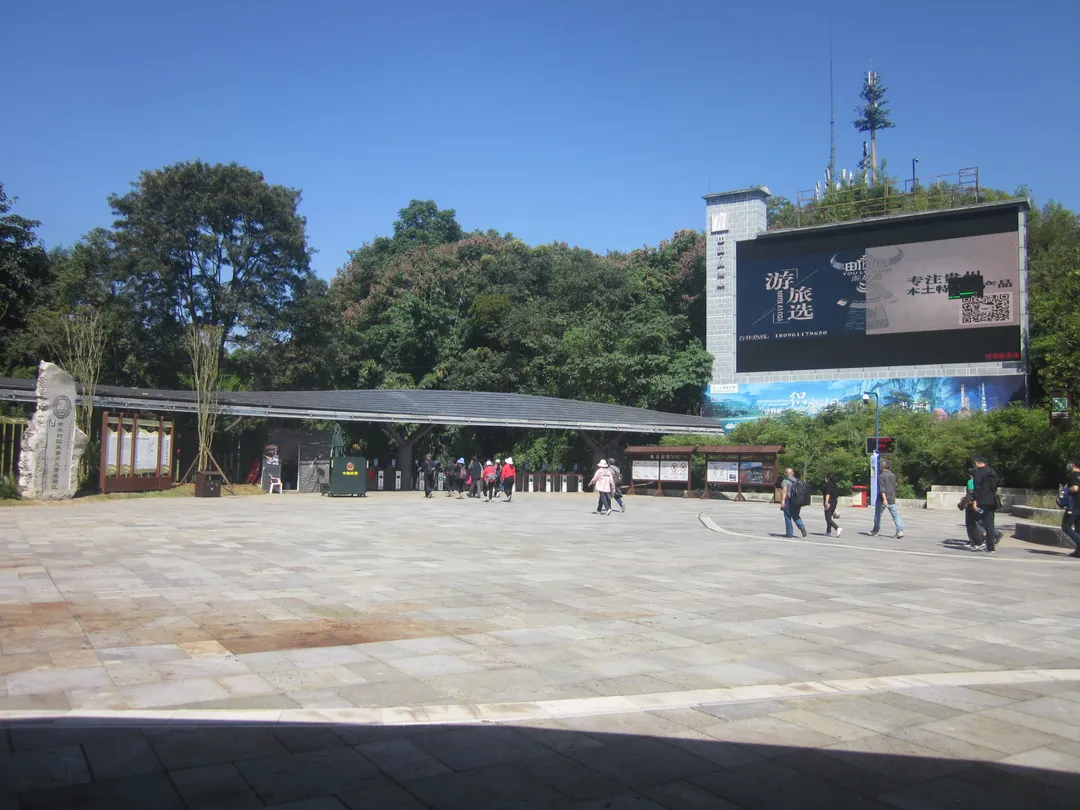

Anshun at a Glance
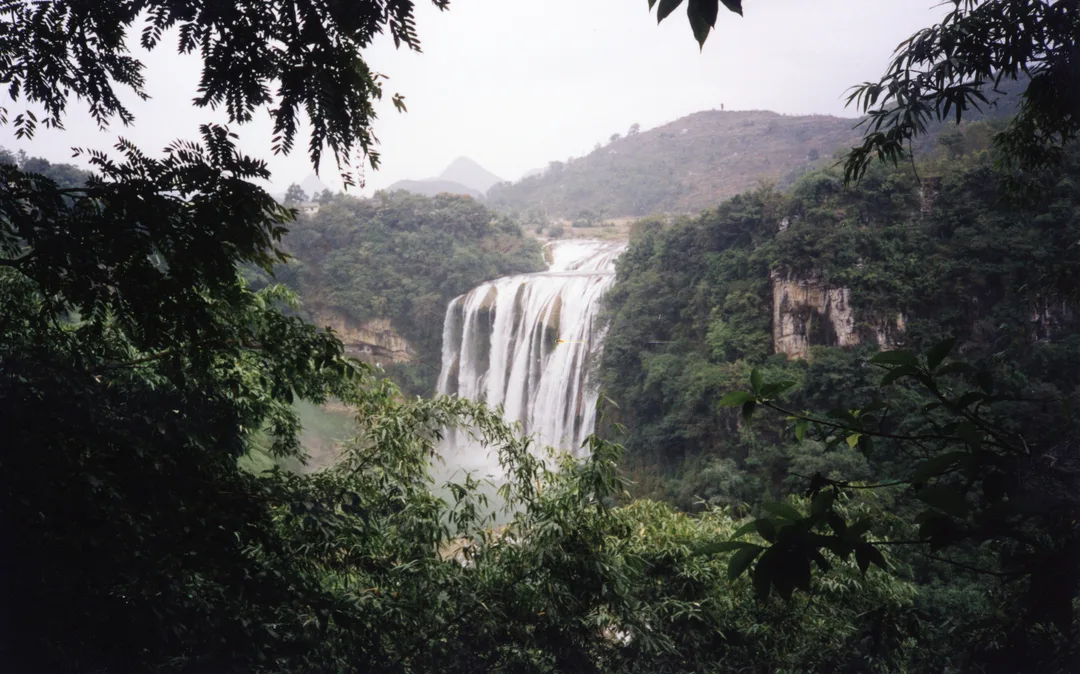
Give Anshun 2-3 days and put water first. This prefecture-level city in Guizhou is the gateway to Huangguoshu Waterfall — 77.8 m high and 101 m wide, the largest waterfall in China — plus Longgong, a second 5A scenic area where boats glide through flooded karst caves, and a belt of Ming-dynasty Tunpu garrison villages east of town. A workable split: one full day for Huangguoshu's three waterfall zones, one for Longgong plus a Tunpu village, and a third for Jiuzhou Ancient Town and the city's own Confucian Temple. Come between June and October, when the Baishui River is at full volume; the trip runs mid-range at roughly 500-1000 CNY per day including a hotel.
Why Anshun
Anshun works as a base because the sights are close and the rail connection is fast: Anshun West station sits 30 minutes from Guiyang North on the high-speed line, and the waterfall is 45 minutes beyond that by road. The prefecture counts roughly 2.4 million people, and the city itself sits at about 1,400 m elevation, so summer evenings stay cool even when the gorges are humid.
What sets Anshun apart from Guizhou's other destinations is the pairing of water and people. Huangguoshu is the headline — a curtain of water you can walk behind through the 134 m Water Curtain Cave — but the surrounding countryside holds the Tunpu villages, settled by Ming soldiers after the 1381 campaign into the southwest. Their descendants still wear Ming-era dress, stage masked Dixie opera, and live in stone courtyards that have nothing in common with the timber architecture most visitors expect from rural China. Two full days cover both halves; a rushed day trip from Guiyang covers only the waterfall.
Huangguoshu Waterfall: the Main Event
Huangguoshu is a national 5A scenic area and has been on the map since the Ming traveler Xu Xiake described it in 1638. The main fall drops 77.8 m over a 101 m face — China's largest by volume, and among the largest in Asia — and the spray it throws off feeds permanent rainbows in the gorge on summer afternoons. Plan 2-3 hours for the main falls alone, a full day (6-8 hours) if you take in all three zones.
Three facts shape the visit. First, the ticket: 180 CNY in peak season (March-November) or 160 CNY in winter, and it bundles all three waterfall zones plus the shuttle bus between them — refuse the "express bus" upgrades sold near the gate. Second, the Water Curtain Cave: a 134 m natural tunnel behind the fall, with six "windows" opening straight onto the back of the water. The stone path involves no climbing, but you will get soaked — bring a raincoat or buy the 5 CNY poncho at the entrance. Third, the crowds: on Chinese holidays the cave's narrow path can back up for 2 hours or more, so visit on a weekday if you can. An escalator ride (30 CNY) bypasses the stairway down to the main viewing platform, which matters for older travelers; the platform itself is wheelchair-accessible.
Hours run 07:00-18:30 in summer and 07:30-18:00 in winter. Buy at the official counter or the Huangguoshu WeChat mini-program — the "skip-the-line" tickets touts sell around Anshun's stations are counterfeits or marked-up resales.
Tianxingqiao and Doupotang: the Other Two Zones
The same ticket covers two more stops along the Baishui River, which carries 18 waterfalls through the karst in this one system. Tianxingqiao is a 2-3 hour loop across karst boulders and stone forest; its signature moments are the "date stones" — stepping stones each engraved with a day of the year — and Silver Chain Falls, a fan-shaped cascade spilling over limestone terraces. Doupotang, a shuttle ride away, is the widest fall in the complex: a 105 m sweep of water over a broad rock shelf, the filming location for the 1986 "Journey to the West" television series. Give it about an hour.
The order that wastes the least time: Tianxingqiao in the morning, the main falls and Water Curtain Cave at midday, Doupotang in the afternoon, when tour groups have thinned. With only a half-day, skip Doupotang — the main fall and the cave are the reason you came.
Longgong: the Dragon Palace Caves
Longgong, Anshun's second 5A scenic area, is the counterweight to all that open-air spray: a boat ride through flooded karst caves on an underground river, past chambers lit for the passage and a waterfall inside the cave system. The circuit takes a relaxed half-day including transport, which is why it pairs naturally with an afternoon at a Tunpu village. Confirm current ticketing on arrival — the pricing structure here has changed more than once, so check at the gate or through the official mini-program rather than trusting older guides.
The Tunpu Villages and Jiuzhou Ancient Town
Tianlong Tunpu is the most visited of the garrison villages: stone lanes, families in Ming-style dress, and regular Dixie opera performances — masked, drum-heavy opera that garrison communities have staged for centuries. Above the village, Tiantai Mountain carries the Wulong Temple, a compact temple complex wrapped around a rocky summit.
Deeper east, the Yunfeng Tunpu cluster is quieter. Yunshan Tun keeps a complete Ming-era main street; Benzhai, a short distance away, is a fortress-like grid of watchtowers and stone courtyards. Jiuzhou Ancient Town, the usual lunch stop on this side, sits on a river bend and is known for its lazi ji — Guizhou-style spicy chicken — and riverside lanes. Stone-related detour: Shitouzhai near Zhenning is an all-stone Buyi village where walls, roofs and lanes are cut from the same grey rock.
A Two-Day Plan (and a Third Day)
- Day 1 — Huangguoshu, all three zones. Enter at the 07:00 opening, bus to Tianxingqiao first, then the main falls and Water Curtain Cave around midday, Doupotang after 15:00. Sleep in Anshun city.
- Day 2 — Longgong, then Tianlong Tunpu. Boat through the Dragon Palace caves in the morning; drive to Tianlong for the Dixie show and stone lanes in the afternoon; climb to Wulong Temple if legs allow.
- Day 3 — Yunfeng Tunpu and Jiuzhou. Ming street at Yunshan Tun, watchtowers at Benzhai, spicy-chicken lunch in Jiuzhou, back to Anshun West station for an evening train.
With only two days, fold day 3 away and keep the Longgong-plus-Tianlong pairing intact — it is the best single day in the prefecture. The day-by-day versions live in our 3-day Anshun itinerary, 5-day Anshun itinerary and 7-day Anshun itinerary.
Getting There: Guiyang Transfer and Anshun West
Almost every itinerary funnels through Guiyang. The high-speed line — the Shanghai-Kunming corridor — covers Guiyang North to Anshun West in 30 minutes for 46 CNY, with continuing service toward Kunming (Guiyang-Kunming itself takes about 2 hours). From Anshun West or the city bus station, the Huangguoshu bus runs 45 minutes for 22 CNY. Alternatively, a direct tourist bus links Guiyang's Jinyang bus station with the waterfall in about 2 hours for 60 CNY. A DiDi from Anshun to the falls costs 120-150 CNY in 45 minutes; from Guiyang, a direct ride runs 400-500 CNY one way — the train-plus-bus combination beats it.
| Route | Time | Typical cost |
|---|---|---|
| Guiyang North → Anshun West (HSR) | 30 min | 46 CNY |
| Anshun → Huangguoshu (bus) | 45 min | 22 CNY |
| Guiyang Jinyang → Huangguoshu (direct tourist bus) | about 2 h | 60 CNY |
| Anshun → Huangguoshu (DiDi) | 45 min | 120-150 CNY |
| Within scenic area (shuttle between three zones) | 10-20 min per hop | included in ticket |
Where to Stay
Base in Anshun city for a first visit. Mid-range chains near the bus station and the Hongshan Lake area run roughly 150-300 CNY a night, put you 10 minutes from both the rail station and the Huangguoshu buses, and keep dinner options on Rulin Road within walking distance. Staying near Huangguoshu itself buys an early start at the gate but costs you evening choices; it only makes sense in peak season when you want to be first through the turnstiles. For the Tunpu day, the villages are an easy half-day loop from the city, so no need to move your bags. Book two to three weeks ahead for the early-May and early-October holiday weeks.
What to Eat in Anshun
Anshun eats Guizhou's sour-and-spicy language with street-food dialects of its own. Guojuan — cold rice-sheet rolls wrapped around shredded vegetables and a vinegar-chili dip — is the handheld snack sold from trays along Rulin Road. Duoduofen is the after-dark one-pot: rice jelly, potatoes and skewers you "poke" (duo) into the broth, eaten in crowded little shops around the old streets. For breakfast, posu bao — flaky steamed buns that pull apart in layers — with soy milk runs 5-10 CNY. In Jiuzhou, order the lazi ji, chicken flash-fried with dried chilies. Alipay and WeChat Pay work nearly everywhere; carry 50-100 CNY in small notes for stalls that do not take cards.
What a Day Costs
| Item | Price | Notes |
|---|---|---|
| Huangguoshu ticket | 180 CNY (Mar-Nov) / 160 CNY (Dec-Feb) | all three zones + shuttle included |
| Escalator to main platform | 30 CNY | optional; skips the stairway |
| Poncho at the falls | 5 CNY | or bring your own raincoat |
| HSR Guiyang North → Anshun West | 46 CNY each way | 30 min |
| Bus Anshun → Huangguoshu | 22 CNY each way | 45 min |
| Mid-range hotel | 150-300 CNY/night | near bus station or Hongshan Lake |
| Breakfast + street food | 15-40 CNY/day | posu bao, guojuan, duoduofen |
Count on roughly 500-1000 CNY per person per day at mid-range including accommodation — the lower end outside the June-August peak — and under 250 CNY for a backpacker day built on hostels and the public bus.
When to Go
June to October is the window: the rainy season swells the Baishui River to full volume, and Huangguoshu is at its most forceful from June through August — audible hundreds of meters before you reach the platform. September and October keep a strong flow with fewer crowds and easier walking weather. Winter trades volume for a 160 CNY ticket and empty paths, but the fall thins noticeably. Avoid the national holiday weeks — early February, early May and above all early October — when the Water Curtain Cave queue alone can eat half a day.
Practical Tips
- Mobile payment: Alipay with an international card works at ticket windows and most stalls; carry small cash as backup.
- Connectivity: a tourist eSIM (about 5-30 USD) avoids the ID-registration queue; download an offline map, since signal drops in the gorges.
- Cash machines: ICBC and Bank of China branches in the city center.
- Rain strategy: ponchos at the falls, dry shoes back at the hotel, electronics in a sealed bag inside the cave.
- Emergencies: police 110, ambulance 120, fire 119, national tourist hotline 12301.
Frequently Asked Questions
How many days do I need in Anshun?
Two days cover the essentials — Huangguoshu's three zones plus Longgong and Tianlong Tunpu. A third day adds the Yunfeng villages and Jiuzhou Ancient Town at a sane pace. One day is only enough for the waterfall itself, and it is a long one.
Can I visit Huangguoshu as a day trip from Guiyang?
Yes. The direct tourist bus takes about 2 hours each way (60 CNY), or take the 30-minute HSR to Anshun West and the 45-minute bus from there. Inside the scenic area, count 6-8 hours for all three zones — leave Guiyang by 08:00 at the latest.
Is Huangguoshu worth it outside the wet season?
The waterfall runs year-round. December to February cuts the ticket to 160 CNY and the queues to almost nothing, at the cost of a slimmer curtain of water. June to August is the opposite trade: maximum flow, maximum spray, maximum company.
Is the site manageable for older travelers or children?
Largely, yes. The shuttle bus links all three zones, the main viewing platform is wheelchair-accessible, and the 30 CNY escalator replaces the longest staircase. The Water Curtain Cave path has wet, slippery steps, and Tianxingqiao involves sustained walking — take the half-day version and skip Doupotang.
What should I eat in Anshun?
Start with the trio locals actually queue for: guojuan rolls on Rulin Road, duoduofen in the evening shops around the old streets, and posu bao for breakfast. In Jiuzhou, the spicy chicken.
Useful Phrases
| Chinese | Pinyin | Meaning |
|---|---|---|
| 黄果树 | Huángguǒshù | Huangguoshu, the waterfall |
| 水帘洞 | Shuǐlián dòng | Water Curtain Cave |
| 裹卷 | guǒjuǎn | guojuan rice-sheet rolls |
| 安顺西站 | Ānshùn xī zhàn | Anshun West railway station |
| 多少钱 | duōshǎo qián | how much |
Final Notes
Every figure in this guide — the 77.8 m drop, the 180/160 CNY ticket, the 30-minute HSR hop, the 134 m cave — is checked against our Anshun attraction data and the scenic area's published listings. Prices move; reconfirm within a fortnight of travel. Anshun rewards travelers who give it two real days: a morning among the karst of Tianxingqiao, the main fall at full noon, a masked Dixie opera the next afternoon, and guojuan somewhere in between. Last verified 2026-10-12. For the day-by-day versions, start at the Anshun trip hub or the wider Guizhou guide.