Hong Kong · Visitor Guide
Victoria Peak (太平山, Tàipíng Shān)
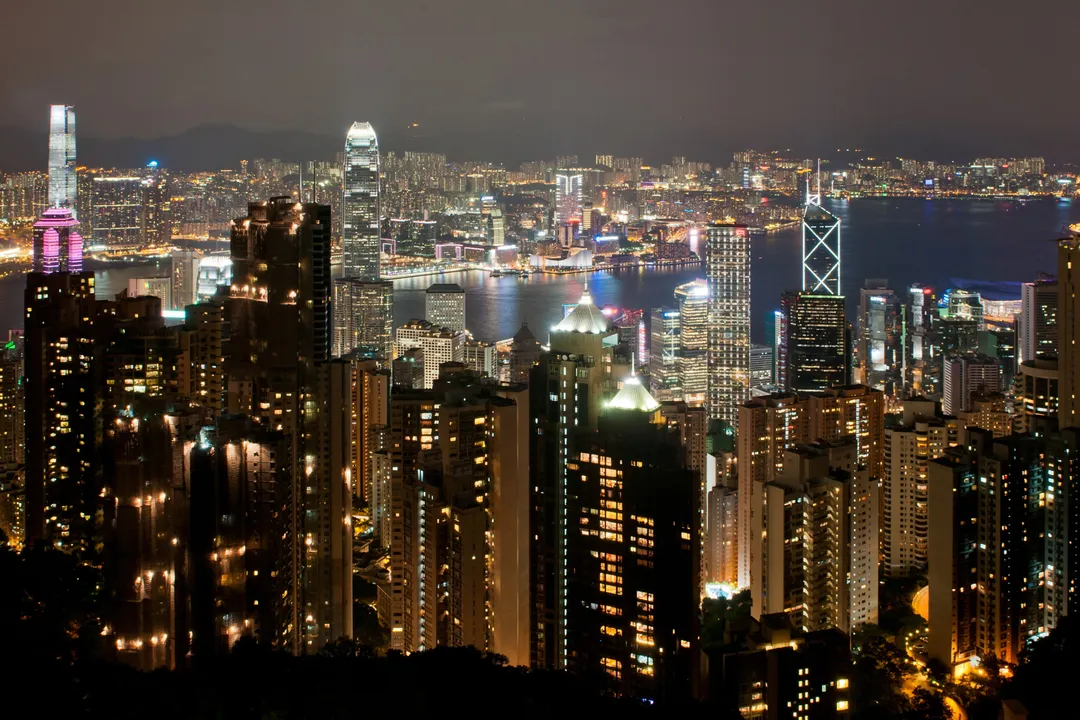
"\"Victoria Peak (The Peak) is Hong Kong Island's highest summit at 552 m, offering the definitive view of one of the world's most dramatic skylines: Victoria Harbour flanked by Kowloon on one side and the South China Sea on the other. The 8-minute Peak Tram ride (opened 1888) climbs a 27-degree gradient — steep enough that high-rises appear to lean. At the top, the Sky Terrace 428 observation deck provides 360-degree views. The Peak Circle Walk (3.5 km, flat, ~1 hour) offers harbor views without the Sky Terrace ticket fee.\".".
Last updated:
Quick Answer
Is Victoria Peak worth visiting?
"Hong Kong's highest point at 552 m — the famous skyline panorama of Victoria Harbour, Kowloon, and the South China Sea. The Peak Tram ascent is half the experience. Best at sunset. 2-3 hours.".
Quick facts
| Ticket | Peak Tram Sky Pass (tram + Sky Terrace 428): HK$88 (as of June 2026). Peak Tram only: HK$48. Sky Terrace only: HK$52. Free views from the Peak Circle Walk and Lugard Road. |
|---|---|
| Hours | Peak Tram: 7:00 AM–midnight (every 10–15 min). Sky Terrace 428: 10:00 AM–21:00 (Mon–Fri), 8:00 AM–22:00 (Sat–Sun). |
| Recommended duration | 2–3 hours including tram wait and Sky Terrace. Add 1 hour for the Peak Circle Walk. |
| Best time to visit | Late afternoon arrival (4:30–5:00 PM) to catch daytime, sunset, and night views in one visit. November–March for clearest skies. |
| How to get there | Peak Tram Lower Terminus: 15-min walk from Central MTR Station (Exit J2), or bus 15C from Central Pier 8. Taxi from Central: HK$50–60. |
| English signage | yes |
| Wheelchair accessible | partial |
| Elevation | 552 m (1,811 ft) |
| Peak Tram opened | 1888 (Asia's oldest funicular) |
| Gradient | Up to 27 degrees |
| Sky Terrace height | 428 m above sea level |
| Circle Walk | 3.5 km, flat, ~1 hour |
What to expect
The Peak Tram is a 136-year-old funicular railway that climbs 396 vertical meters in 8 minutes through jungle-like vegetation. The gradient — up to 27 degrees — is disorienting: you lean back in your seat while skyscrapers slide past the window at impossible angles. The experience is as much the reason to come as the view itself.
At the top, the Peak Tower complex houses shops, restaurants, and the Sky Terrace 428 observation deck. I stood on the Sky Terrace as the sun dropped behind Lantau Island and the city lights flicked on block by block — it is genuinely one of the best urban views on the planet. For a quieter (free) alternative, walk Lugard Road: the same harbor view minus the crowd and the ticket price.
How to get there
MTR Island Line to Central Station, Exit J2. Follow the signs to the Peak Tram Lower Terminus (10–15 min walk up Garden Road). Alternatively, bus 15C from Central Pier 8 (Star Ferry pier) to the terminus. The queue for the tram can exceed 90 minutes on weekends — book ahead via Klook or arrive before 9:00 AM.
Best photo spots
- Sky Terrace 428 at blue hour (5:30–6:30 PM) — the skyline in transition
- Lugard Road lookout — harbor view without glass or crowds
- Inside the Peak Tram — 27-degree angle with skyscrapers framing the window
- Peak Circle Walk western section — sunset over the South China Sea
Tips
- Buy Peak Tram tickets online (Klook, official website) to skip the ticket queue — but you still queue for the tram itself
- Take a seat on the right side of the tram (going up) for the best city views
- The Peak Circle Walk (free) offers the same views as Sky Terrace from a quieter perspective
- Avoid Saturday afternoons and public holidays — 90+ minute tram queues are normal
- Combine with a morning Central–Mid-Levels Escalator walk and Star Ferry crossing
Scams to avoid
- Touts near Central MTR selling "express Peak Tram tickets" at 2x the official price — they are the same ticket
- Unlicensed taxis offering "Peak + Repulse Bay tour" that skip the Peak entirely and spend 3 hours at jewelry shops
Frequently asked questions
Is the Peak Tram worth the queue?
Yes — the 8-minute, 27-degree climb is one of the world's great urban transport experiences. If the queue exceeds 90 minutes, take bus 15 (Central Pier 5, HK$10.30, 35 min) or taxi (HK$60) to the top and ride the tram down instead (shorter queue).
Can I visit the Peak without buying Sky Terrace tickets?
Yes. The Peak Circle Walk (Lugard Road + Harlech Road, 3.5 km, flat, ~1 hour) offers harbor views for free. The Lions View Point Pavilion (free) also has a good view. The shopping mall at the Peak Tower is free to enter.
What time of day is best for the Peak?
Arrive at 4:30 PM to see Hong Kong in daylight, watch the sunset (5:30–6:30 PM depending on season), and stay for the night skyline. This is the busiest window — expect crowds. For a quieter experience, go at 8:00 AM opening.
Is the Peak foggy? How do I check visibility?
Hong Kong can be hazy (March–May) or foggy (February–April). Check the Hong Kong Observatory app or website for visibility before going. If visibility is below 8 km, the view will be washed out. November–January has the clearest skies.
How do I get to the Peak without the tram?
Bus 15 from Central Pier 5 (HK$10.30, 35–45 min, double-decker — sit upstairs left side). Taxi from Central: HK$60, 20 min. Walking: the steep Morning Trail from Hatton Road (45 min, quite strenuous).
Can I eat at the Peak?
The Peak Tower has a food court (budget), Bubba Gump (mid-range), and Peak Lookout (historic building, HK$300–500pp). The food is overpriced and mediocre — eat in Central before or after. The view from Peak Lookout's terrace is excellent.
Read next
Other things to do in Hong Kong
Museums in Hong Kong
Hong Kong Heritage Museum
"Opened 2000 in Sha Tin, the city's largest museum covers 7,500 sq m of galleries on Cantonese opera, Bruce Lee, and New Territories history — plan 2.5 to 3 hours.".
Hong Kong Museum of Art
"Hong Kong's flagship public art museum on the Tsim Sha Tsui waterfront holds roughly 17,000 objects spanning ancient Chinese antiquities to contemporary local works,.".
Hong Kong Museum of History
"One 8,000-square-meter building holds 400 million years of Hong Kong's natural and human past; plan 2-3 hours for the 8-gallery \"Hong Kong Story\" walk-through.".
Hong Kong Science Museum
"Hong Kong's best science museum with 500+ interactive exhibits — famous for the 22m energy pendulum and the full DC-3 airplane hanging in the atrium. HK$20 (free on Wednesdays).面向儿童和科学爱好者.".