This page is archived and no longer updated — see the current guide: See the current guide
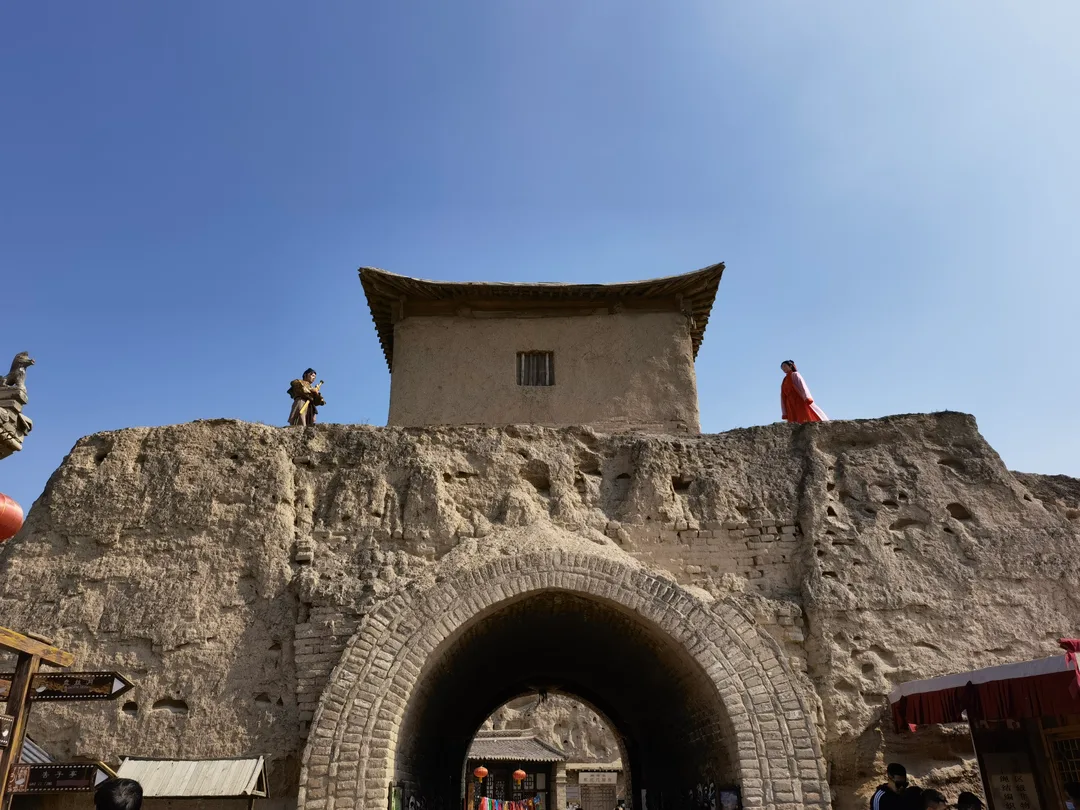
Zhenbeipu Western Film Studio镇北堡西部影城
Zhenbeipu Western Film Studio is an open-air film set 35 km west of Yinchuan, built from two real Ming- and Qing-era military forts that director Zhang Xianliang converted into a working studio in 1993 after a 1980s pilot run. It is the principal shooting location for over 200 Chinese films and TV series, including Red Sorghum, A Chinese Odyssey, and Kangxi Dynasty. It is now a working studio, a museum of Chinese cinema, and one of Ningxia's most-visited day-trip sites, drawing more than 1 million visitors a year (as of 2024 figures).
Yinchuan · Visitor Guide2026-10-19
Quick Answer
Is Zhenbeipu Western Film Studio worth visiting?
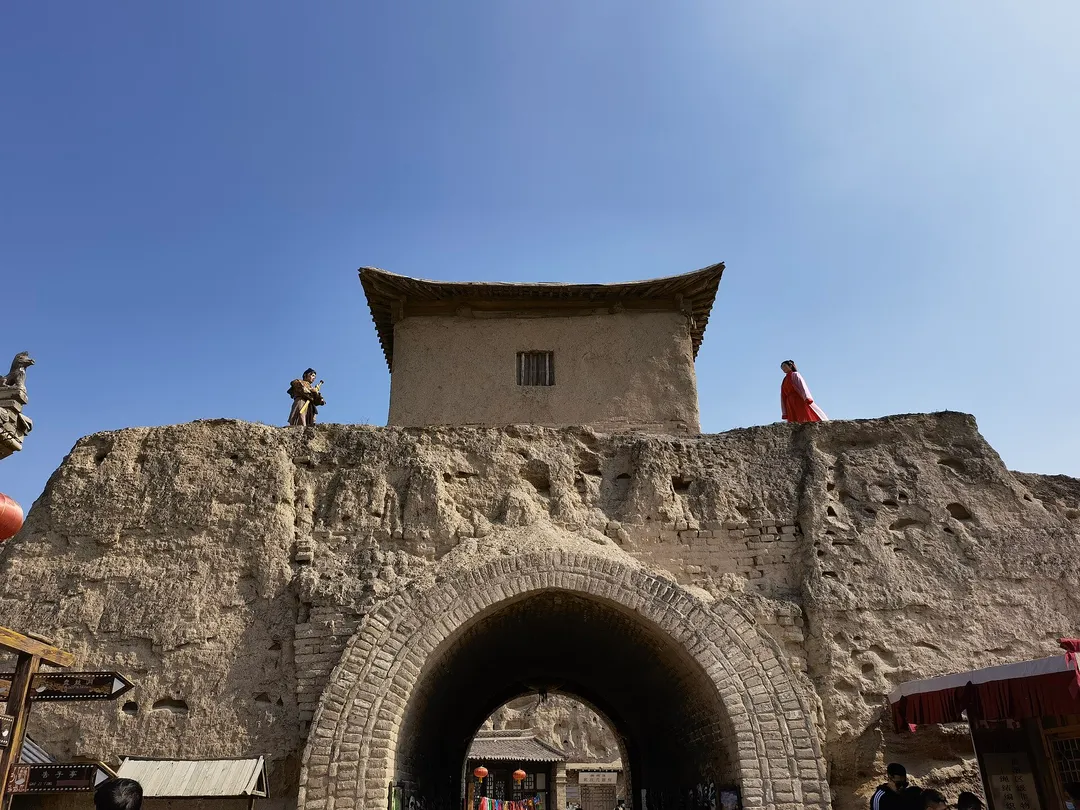
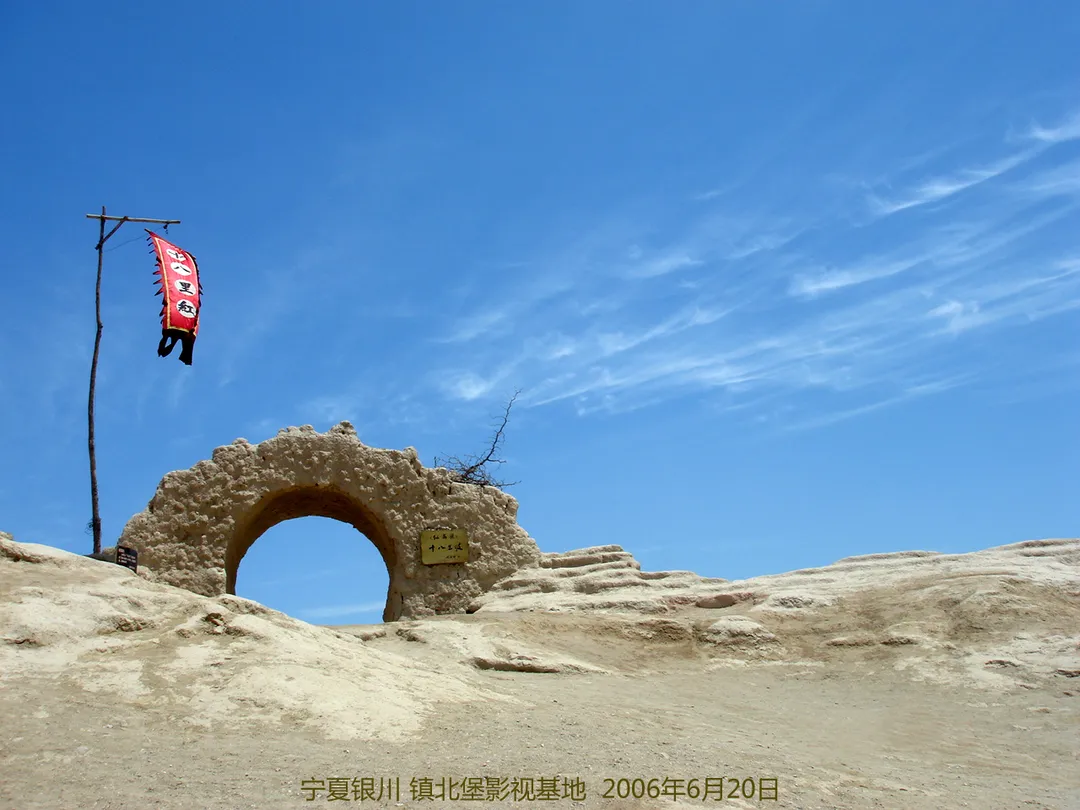
Two adjoining ramshackle forts west of Yinchuan, dressed up as the Wild West and a Ming garrison, where Zhang Yimou shot Red Sorghum (1987) and Jeffrey Lau filmed A Chinese Odyssey (1995).
Quick facts
| Ticket | 100 CNY for the main Zhenbeipu Old Fortress (the east fort, the original Red Sorghum set). 60 CNY extra for the adjacent Qing Dynasty Old Fortress (the west fort, the A Chinese Odyssey set). Combined ticket CNY 150. Students with ID pay half. Free for children under 1.2 m. Prices as of 2026. |
|---|---|
| Hours | Open daily 08:00–18:00 in summer (May–October) and 08:30–17:30 in winter (November–April). Last entry one hour before closing. The site occasionally closes for film shoots — call 0951-2136068 the day before during May Day, National Day, and Lunar New Year week. No regular weekly closing day. |
| Recommended duration | 2.5–3 hours for the full combined ticket at a normal walking pace, including both forts and the Old Street. 1.5 hours if you only do the east fort (Red Sorghum village). 4+ hours if you stop at every staged photo booth and any active film shoot. Most independent travelers spend about 2.5 hours here. |
| Best time to visit | Late May to mid-October, with September and early October the sweet spot — Helan Mountain harvest in the background, temperatures 15–25°C, low dust. Avoid Golden Week (Oct 1–7) when the staff opens the site to overflow coach tours and the Red Sorghum distillery alley becomes a queue. Early morning (08:00–10:00) is the quietest slot in any season, since most day-trip coaches arrive after 10:30. |
| How to get there | Take Yinchuan Metro Line 1 northbound to Yinchuan Railway Station (银川火车站), then a DiDi (Chinese Uber) or taxi directly to the studio gate — about 50 minutes, CNY 120–150 one way. There is NO direct public bus from the city center. The Ningxia Tourism Bus (宁夏旅游直通车) runs a direct coach from Yinchuan South Bus Station (银川汽车站) on weekends in peak season (May–October), 90 minutes, CNY 30 each way, departing 08:30. From the airport, DiDi is CNY 180–220 one way. Self-driving: take G6 Beijing–Lhasa Expressway west to the Zhenbeipu exit, 45 minutes; parking is CNY 10. |
| English signage | Partial |
| Wheelchair accessible | Partial |
| Built | 1993 (film studio) on 1500s Ming-era fort foundations; older Qing-era fort (the "Qing Fortress" or "Clear Town") added 1997 |
| Size | 60 hectares (0.6 km²) split between the Old Fortress (Ming/Yongning fort) and Qing Old Fortress |
| Founders | Writer Zhang Xianliang and entrepreneur Zhang Xianliang (not the same person — film producer Zhang Xianliang of Ningxia Film Studio). Reconstruction led by Zhang Xianliang of the Ningxia Film Studio from 1992 |
| Notable films shot here | Red Sorghum (1987, Zhang Yimou), A Chinese Odyssey (1995, Jeffrey Lau), The Soong Sisters (1997), Kangxi Dynasty (TV, 2001), Wolf Totem (2015) |
| Best known building | The Moonlight Box at the top of the east fort — exact setting of the 1987 Red Sorghum distillery courtyard |
| Visitors per year | Approximately 1.3 million as of 2024; one of Ningxia's top 3 paid attractions |
| UNESCO status | Not a UNESCO site; no World Heritage listing. The site is on the China Film Archive's protected film set list. |
What to expect
You arrive at the East Gate and step into a deliberately battered, dust-coloured 1980s Chinese Wild West. The east fort is the original 1993 set: a maze of rammed-earth walls, watchtowers, fake temple facades, a wine distillery alley, and a main courtyard that doubles as an active outdoor stage. The 1987 Zhang Yimou classic Red Sorghum was shot almost entirely on this side, and the production team left most of the set standing. The west fort (Qing Old Fortress, added 1997) is bigger, more polished, and built for A Chinese Odyssey (1995) — the gilded pavilion at the top is where the Bodhi Tree and the Spider Cave scenes were filmed. Between the two forts runs a 300-meter "Old Street" of staged photo booths (rickshaw rides, donkey carts, fake execution grounds) that double as paid costume-rental stalls; budget CNY 50–150 if you want the full hanfu-or-warlord costume experience.
The site has its origin in two real military forts built in the Ming dynasty (the "Old Fortress," 据说是1500s 边塞城堡) and the Qing dynasty (the "Clear Town," 清城, 1730s). They were abandoned by the 1940s and sat as rubble piles in a wheat field when, in 1992, the Ningxia Film Studio's deputy director Zhang Xianliang (not the writer of the same name) leased the sites and rebuilt them as a working film set. The first Red Sorghum shoot (1987) used only temporary sets, but the commercial success of the film convinced Zhang to reconstruct the same sets permanently and turn the location into a hybrid working-studio / tourist site. The two forts were the production base for over 200 films and TV series in the 1990s and 2000s; since 2010 the tourist operation has been the main revenue, with film production reduced to occasional shoots. The site is on the China Film Archive's protected set list and was named a National AAAA scenic site in 2011.
Practical reality: "the site is large and the sun is direct — there is almost no shade in the courtyard alleys." Bring a hat and at least 1 liter of water per person, especially May–August when Yinchuan daytime temperatures are 30–35°C. The site is actively used for film shoots about 2–4 weeks a year; when production is in progress, large sections may be closed to visitors without notice. The food on site is mediocre and overpriced (CNY 50 for a basic bowl of noodles); the on-site restaurant "Red Sorghum Village" is themed but forgettable. The most common complaint from independent travelers is that the staged photo booths (rickshaw, horse ride, fake "wedding sedan chair") feel extractive at CNY 30–100 per shot — agree on a price before sitting down. Free flush toilets at the entrance only; bring your own toilet paper. A scooter-style cart tour of the grounds is CNY 50 for the full 30-minute loop and is worth it for anyone with limited walking time.
How to get there
By DiDi or taxi: From central Yinchuan (Xingqing District), a DiDi to the Zhenbeipu gate is 50–60 minutes and CNY 120–150. From the Yinchuan railway station, about the same. From Yinchuan Hedong International Airport, 70–80 minutes and CNY 180–220. The driver will drop you at the East Gate (东门); there is no Uber app outside China, so use the Alipay Tour Pass DiDi mini-program or have your hotel call a car. By bus: Bus 57 from Yinchuan South Bus Station (银川汽车站, Huaiyuan East Street near the Drum Tower) runs 6 daily departures to Zhenbeipu, 90 minutes, CNY 20; first departure 07:30, last return bus leaves Zhenbeipu at 17:30. On weekends in May–October, the Ningxia Tourism Bureau runs a direct coach (旅游直通车) from Yinchuan South Bus Station to the studio gate, 90 minutes, CNY 30 each way, departing 08:30 and returning 16:00 — book through your hotel the day before. By metro + DiDi: Metro Line 1 to Yinchuan Railway Station (45 minutes from the airport, CNY 7), then DiDi 50 minutes to the studio. There is no metro or tram to Zhenbeipu. Self-driving: take the G6 Beijing–Lhasa Expressway west from Yinchuan to the Zhenbeipu exit, 45 minutes, CNY 10 parking at the visitor lot. Foreign driving licences are not valid in China without a Chinese licence, so most travelers use DiDi.
Best photo spots
- East fort main courtyard (the Red Sorghum distillery setting, 1987) — shoot from the north gate looking south for the classic walled-village frame with the watchtower at the end.
- Moonlight Box on the top platform of the east fort — exact location of the A Chinese Odyssey "Bodhi Tree" farewell scene. Best light 16:00–17:30.
- West fort main gate (清城大门) — a curved glazed-tile roof, the most photographed single structure on the site. Use a wide-angle lens.
- Old Street rickshaw alley — staged but photogenic; go at 09:00 when the costumed staff are setting up, before the queues start.
Tips
- Buy the combined CNY 150 ticket, not the single CNY 100 ticket. The west fort (A Chinese Odyssey set) is the more visually interesting side; the east fort is the historically important Red Sorghum side. If you only have 90 minutes, do the east fort.
- Skip the on-site restaurant "Red Sorghum Village" — the food is bad and overpriced. Eat in Yinchuan before you go; the studio is 35 km from the nearest decent restaurant cluster.
- Negotiate staged-photo prices BEFORE you sit on the rickshaw, horse, or sedan chair. Posted prices are 2–3x what locals pay; CNY 20 for a single rickshaw shot is normal, CNY 50 for a horse is the going rate.
- Visit in early morning (08:00–10:00). The day-trip coaches arrive at 10:30 and the narrow alleys become single-file by 11:00. Weekday mornings are quietest.
- Call 0951-2136068 the day before to confirm the east fort is not closed for a film shoot. About 2–4 weeks a year the production team closes major sections to visitors.
- Bring a face mask in spring (March–April) — west Yinchuan is downwind of the Tengger Desert and the studio alleys act as wind tunnels.
Scams to avoid
- Staged photo booths at the Old Street: rickshaw, horse, and sedan-chair operators quote CNY 50–100 per shot, then claim you "didn't hear the price" and demand CNY 200+. Agree on a written price before you sit down.
- "Free guide" touts at the entrance — they walk you in with no ticket, then demand a CNY 100–200 "tip" at the end. There is no free tour. Either buy the official ticket or politely decline.
- Costume rental overcharging: "hanfu and warlord costume rental is posted at CNY 80–150; when you return, the" operator claims the costume is "damaged" and demands a CNY 200–500 cleaning fee. Inspect the costume and photograph any pre-existing damage before putting it on.
- Unofficial DiDi drivers at the gate offering a "cheaper" return to Yinchuan — they will be unmarked, will not use a meter, and the price quoted is rarely honored at the destination. Use the Alipay Tour Pass DiDi mini-program or have the ticket office call a metered taxi.
Frequently asked questions
How much is the Zhenbeipu Western Film Studio ticket in 2026?
The main east fort (Red Sorghum set) costs CNY 100. The adjacent west fort (A Chinese Odyssey set) is CNY 60 extra. The combined ticket for both forts is CNY 150. Students with ID pay half. Children under 1.2 m are free. Prices as of 2026.
What are Zhenbeipu's opening hours?
Open daily 08:00–18:00 in summer (May–October) and 08:30–17:30 in winter (November–April). Last entry one hour before closing. There is no regular weekly closing day, but the site closes without notice 2–4 times a year for film shoots.
How do I get to Zhenbeipu from central Yinchuan?
The fastest option is DiDi, 50–60 minutes and CNY 120–150 one way. The cheapest scheduled option is Bus 57 from Yinchuan South Bus Station, 90 minutes and CNY 20 each way, 6 daily departures. On weekends in peak season the Ningxia Tourism Bureau runs a direct coach for CNY 30 each way. There is no metro.
Which films were shot at Zhenbeipu?
Over 200 films and TV series. The most famous are Red Sorghum (1987, Zhang Yimou, won the 1988 Golden Bear at Berlin), A Chinese Odyssey (1995, Jeffrey Lau), The Soong Sisters (1997, Mabel Cheung), and the TV series Kangxi Dynasty (2001). Wolf Totem (2015, Jean-Jacques Annaud) used nearby locations but not the studio itself.
How long do I need at Zhenbeipu?
Allow 2.5–3 hours for the full combined ticket at a normal walking pace. 1.5 hours is enough for the east fort only (Red Sorghum). Most independent travelers spend about 2.5 hours. Add an extra 30 minutes if you want the scooter-style cart tour of the full grounds.
Is Zhenbeipu a UNESCO World Heritage site?
No. Zhenbeipu is not a UNESCO site and has no World Heritage listing. It is on the China Film Archive's protected film-set list and is a National AAAA scenic site (designated 2011). The real UNESCO-related site in the Yinchuan area is the Western Xia Imperial Tombs, which is on the UNESCO Tentative List.
Can I visit Zhenbeipu on a day trip from Yinchuan?
Yes — Zhenbeipu is the standard half-day trip from Yinchuan and pairs easily with the Western Xia Imperial Tombs (35 km east of the studio) for a full day. Plan morning at the tombs, lunch in Yinchuan, afternoon at the studio. The 70-km round trip via DiDi is CNY 240–300 in total.
Is Zhenbeipu worth it for travelers who haven't seen the films?
Maybe. The two forts themselves are atmospheric and the west fort in particular is one of the better-preserved Qing-era sets in China. But the cultural references land much harder if you've seen Red Sorghum or A Chinese Odyssey. If you have neither, the Helan Mountain rock art site (closer to town, CNY 70) gives a similar day-trip payoff with stronger universal appeal.
Is Zhenbeipu wheelchair accessible?
Partial. The main courtyards, the Old Street, and the west fort's flat sections are level. The upper platforms of both forts and most of the narrow alleyways have steps and rough rammed-earth surfaces that are not wheelchair-friendly. The site is workable for a short visit on a paved route, but not for a full tour.
Are the two forts connected, or do I have to walk outside between them?
They are connected by a covered 300-meter Old Street of staged photo booths and shops, so you can walk between them without leaving the site. The combined ticket covers both. The Old Street is the busiest part of the site on weekends.
Read next
Other things to do in Yinchuan
Helan Mountain Rock Art
Some 5,000+ petroglyphs chipped into the desert-varnished cliffs of the Helan range over a roughly 7,000-year span, 50 km northwest of Yinchuan; plan 2 hours for the cliff walk plus the small on.
Western Xia Imperial Tombs
Nine earthen pyramid-tombs of the Tangut Western Xia dynasty (1038-1227), 30 km west of Yinchuan at the foot of the Helan Mountains — the 'Oriental Pyramids,' but mostly ruined cores plus a stro.