Yinchuan · history museum
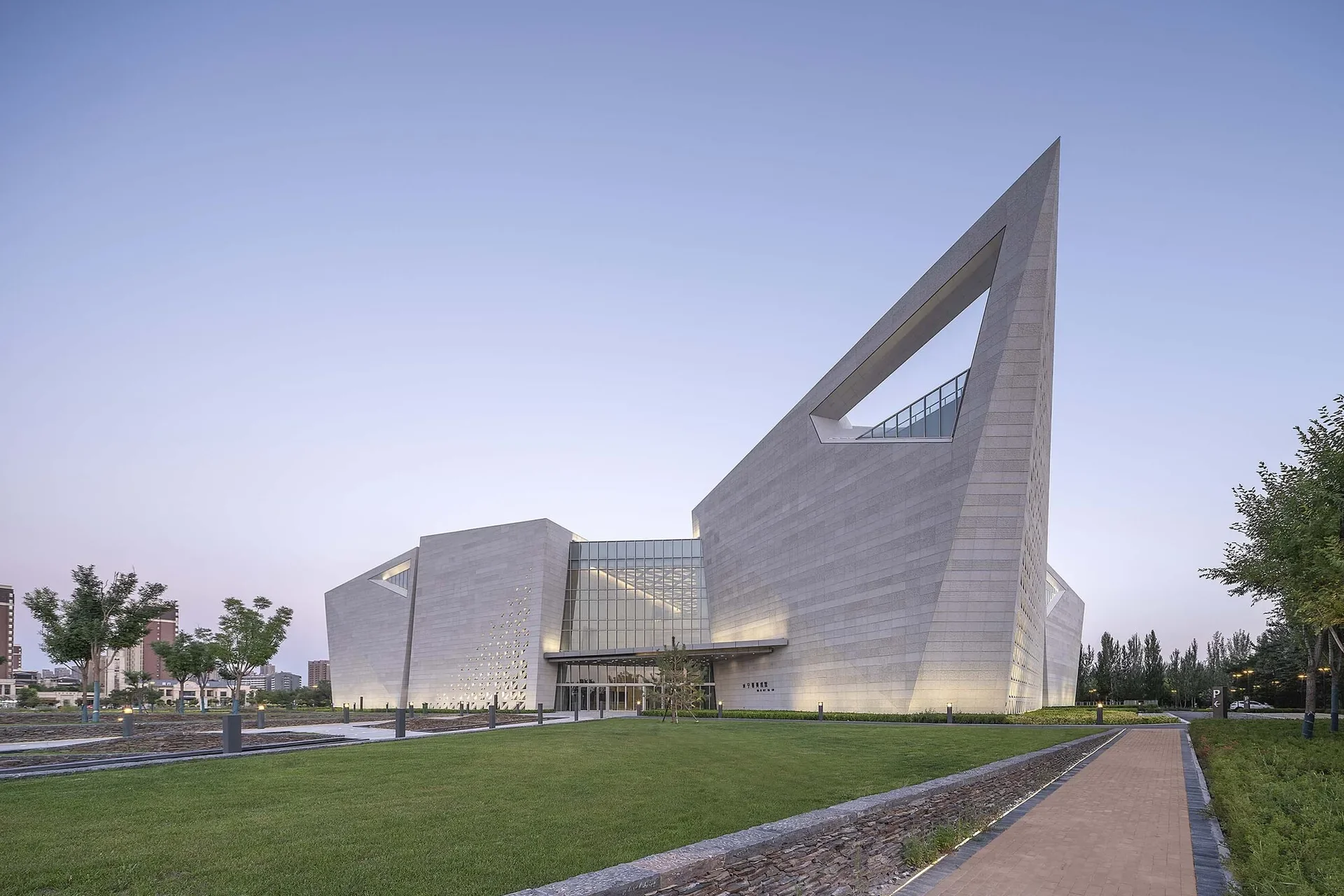
Ningxia Museum (宁夏回族自治区博物馆, Níngxià Huízú Zìzhìqū Bówùguǎn)
"\"The Ningxia Museum (宁夏回族自治区博物馆) in Yinchuan is the principal museum for China's Hui Muslim Autonomous Region and the Western Xia (西夏) Kingdom that ruled Ningxia from 1038-1227 CE. Ningxia's unique position — between the Central China plains, the Mongolian plateau, and the Tibetan plateau — gave rise to a distinctive cultural fusion. The museum's four core collections are: (1) Western Xia Kingdom artifacts — Buddhist art, Tangut script documents, and architectural elements from the mysterious Tangut Xia Kingdom destroyed by the Mongols in 1227; (2) Silk Road archaeology — objects from the Western Xia and earlier periods showing Central Asian, Tibetan, and Chinese cultural exchange; (3) Hui Muslim cultural heritage — the unique culture of the Hui people (Muslims of Chinese descent); (4) the Helan Mountains geology and ecology — including the Helan Mountains nature reserve and the ancient Jiuqi (Nine-Chapter) irrigation system.\".".
Last updated:
Quick Answer
Is Ningxia Museum worth visiting?
"China's Muslim (Hui) frontier museum — documenting the Western Xia (Xia) Kingdom (1038-1227), the Silk Road across the Helan Mountains,.".
Quick facts
| Category | history |
|---|---|
| Ticket | Free. Passport required. Walk-in from the south gate. |
| Hours | 9:00-17:00 (last entry 16:00). Closed Mondays. |
| Recommended duration | 2-3 hours. |
| Best time to visit | May through October. Ningxia has a continental desert climate — hot and dry summers (25-35°C, May-September) and cold winters (-10°C to 5°C, November-March). Spring (April-May) is pleasant. The Helan Mountains are best visited April-June and September-October. |
| How to get there | Bus routes 1, 11, 12, 13, 22, 28, 34, 41, 49, 60, 101, 102, 201 to Ningxia Museum stop (宁夏博物馆站). From Yinchuan Hedong International Airport by DiDi: ¥30-40. From Yinchuan Railway Station: ¥20-30. |
| English signage | partial |
Why visit
The Western Xia Kingdom collection is the definitive display of this mysterious civilization — destroyed so thoroughly by the Mongols in 1227 that the Tangut script was forgotten for 700 years and only rediscovered in the 20th century. The Buddhist sculptures and Tangut documents in this museum are the primary evidence for an entire lost civilization.
Collection highlights
- Western Xia Tangut Buddhist sculptures — stone and bronze Buddhist figures from the Western Xia Kingdom (1038-1227), showing a distinctive Sino-Tibetan Buddhist style
- Tangut script documents — original documents written in the Tangut (Western Xia) script, the writing system invented by the Xia Kingdom that was destroyed by the Mongols and deciphered only in the 20th century
- Western Xia Buddhist murals — mural paintings from Western Xia Buddhist temple sites showing the distinctive Tangut interpretation of Tibetan Buddhist art
- Helan Mountains geological specimens — rocks, minerals, and fossils from the Helan Mountains that form Ningxia's western border
- Hui Muslim cultural objects — traditional costumes, Quran copies, and daily objects from the Hui Muslim communities of Ningxia
- Western Xia architectural elements — carved stone column bases, tile ends, and decorative architectural fragments from the Western Xia capital at Yinchuan
Tips
- Combine with the Western Xia Imperial Tombs (西夏王陵) — the burial complex of the Western Xia kings, 30 minutes by bus from Yinchuan
- The Western Xia galleries (1st-2nd floors) are the most internationally significant — prioritize them
- Yinchuan is a small city — the museum, Western Xia Imperial Tombs, and the famous Nanguan Mosque (南关清真寺) can all be visited in 1.5 days
- The Helan Mountains west of Yinchuan are excellent for hiking and wine production (China's "Ningshan" wine region) in summer and autumn
- Ningxia is China's smallest provincial-level region — it can be visited as part of a Gansu (Lanzhou, Dunhuang) or Shaanxi (Xi'an) itinerary
- The museum is near the Yinchuan People's Square (人民广场) and the Drum Tower (鼓楼)
Frequently asked questions
What was the Western Xia Kingdom?
The Western Xia Kingdom (西夏王国, 1038-1227 CE) was founded by the Tangut (Xi Xia / 西夏) people in Ningxia and at its peak controlled much of modern Gansu, Ningxia, Shaanxi, and parts of Mongolia. It was a sophisticated kingdom that invented its own script (Tangut), adopted Tibetan Buddhism as the state religion, and built a capital at present-day Yinchuan. It was completely destroyed by the Mongol Empire in 1227 — the most thorough genocide in Chinese history — and the Tangut script was forgotten until rediscovered by archaeologists in the 20th century. Only 5% of Tangut texts survive.
How does this museum relate to the Western Xia Imperial Tombs?
The Ningxia Museum (宁夏博物馆) is in Yinchuan city and shows the artifacts and history of the Western Xia and Ningxia region. The Western Xia Imperial Tombs (西夏王陵) are the actual burial site of Western Xia kings, 30km west of Yinchuan — a dramatic site of pyramids and ruined tombs. Both should be visited together.
What is unique about Ningxia's Hui Muslim culture?
The Hui (回族) are Muslims of Chinese descent living throughout China. Ningxia has the highest concentration and the most distinctive Hui culture, shaped by centuries of Arabic, Persian, and Central Asian influences. The Nanguan Mosque (南关清真寺) in Yinchuan is one of China's most architecturally distinctive mosques.
Does Ningxia Museum have English signage?
Partial — the Western Xia sections have English labels. The Silk Road and Hui cultural sections have limited English. No English audio guide as of 2026.
Can I visit Ningxia and Gansu together?
Yes — Yinchuan to Lanzhou is 4 hours by high-speed train. The best combined itinerary is: Day 1: Arrive Yinchuan, visit Ningxia Museum + Western Xia Imperial Tombs; Day 2: Morning Helan Mountains or Nanguan Mosque + afternoon train to Lanzhou (4 hours); Day 3: Gansu Museum + Yellow River + train to Dunhuang.
Read next
Other things to do in Yinchuan
Helan Mountain Rock Art
Some 5,000+ petroglyphs chipped into the desert-varnished cliffs of the Helan range over a roughly 7,000-year span, 50 km northwest of Yinchuan; plan 2 hours for the cliff walk plus the small on…
Shapotou
China's most famous desert-meets-river park, where the Tengger dunes drop ~100 meters to a Yellow River bend — ¥80 entry plus per-ride fees, plan 4–6 hours.…
Western Xia Imperial Tombs
Nine earthen pyramid-tombs of the Tangut Western Xia dynasty (1038-1227), 30 km west of Yinchuan at the foot of the Helan Mountains — the 'Oriental Pyramids,' but mostly ruined cores plus a stro…