Xiamen University厦门大学
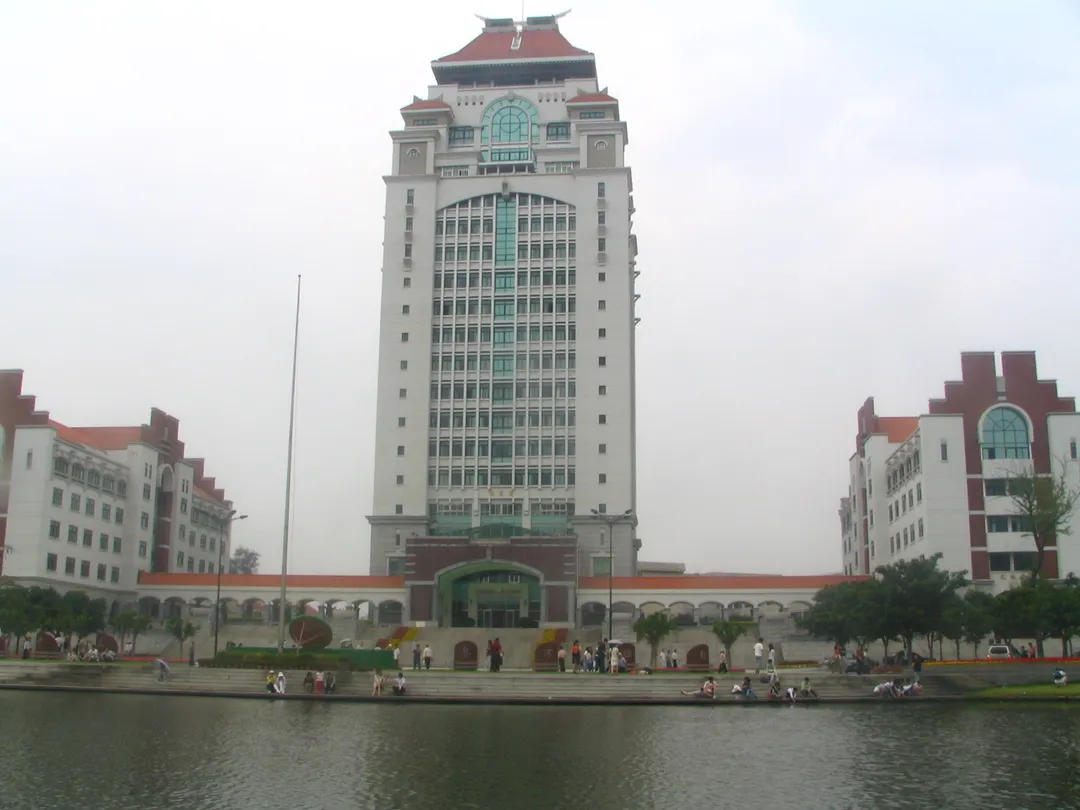
La Universidad de Xiamen (XMU) es ampliamente considerada como uno de los campus más bellos de China, y combina la arquitectura de revivencia morisca española de su fundación en los años veinte con jardinería tropical: banianos, avenidas de palmeras, estanques de lotos y setos de hibisco. Fundada por Tan Kah Kee en 1921, se asienta en una ladera con vistas a la bahía de Xiamen. El campus está abierto a los visitantes y se recorre a pie en 2–3 horas.
Xiamen · guía de visita2026-10-18

Respuesta rápida
¿Merece la pena visitar Xiamen University?
Uno de los campus universitarios más bellos de China. Arquitectura de época colonial, lagos y avenidas de palmeras. Se puede entrar gratis. Verificado en 2026.
Datos rápidos
| Entrada | Entrada gratuita (a 2026). Museos del campus: CNY 10–20. Los visitantes deben presentar identificación y registrarse a través del miniprograma de WeChat de la XMU. |
|---|---|
| Horario | Campus: abierto a visitantes de 12:00 a 13:00 y de 17:00 a 21:00 entre semana; todo el día en fines de semana y festivos. Museo: 8:00–11:30 y 14:30–17:00. |
| Duración recomendada | 2–3 horas. |
| Mejor época para visitar | La hora del almuerzo entre semana (12:00–13:00), cuando no hay estudiantes. Otoño (octubre–noviembre), por el clima suave y los eventos del campus. Evita los festivos chinos, cuando el campus se llena de visitantes. |
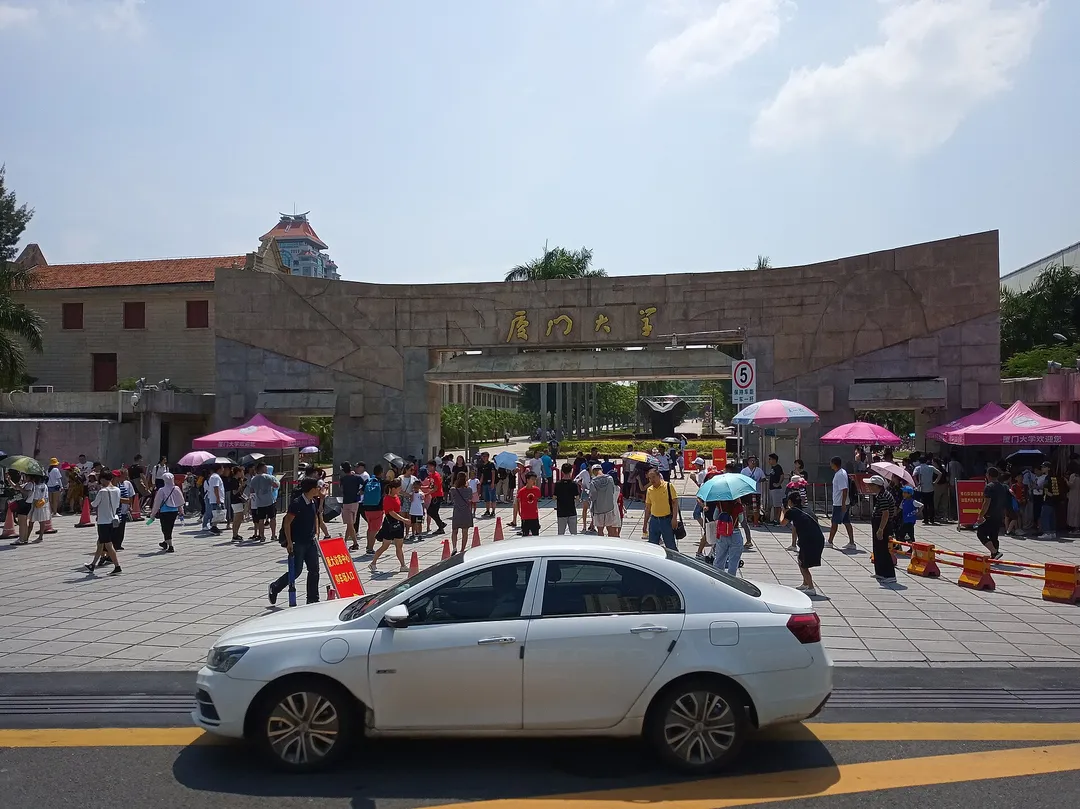
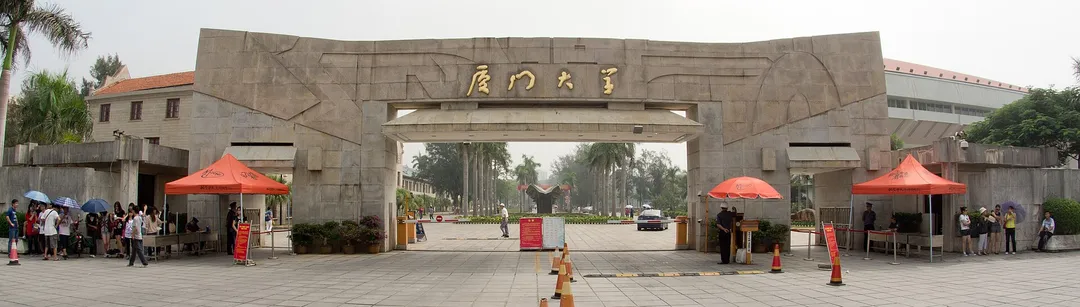
| Cómo llegar | Metro línea 1 hasta la estación de la Universidad de Xiamen (lado oeste) o hasta Nanputuo, salida 2, y 5 minutos a pie hasta la puerta principal sur en Siming South Road. Regístrate en el miniprograma de WeChat «XMU Visitor» antes de entrar. Lleva tu pasaporte o documento de identidad chino para el registro. |
| Señalización en inglés | Sí |
| Acceso en silla de ruedas | Parcial |
| Fundación | 1921, por Tan Kah Kee |
| Estudiantes | Más de 40.000 (grado y posgrado) |
| Alumnos ilustres | Mo Yan (Nobel de Literatura 2012) |
| Estilo arquitectónico | Revivencia morisca española (años veinte) |
| Superficie del campus | 0,9 km² (campus principal) |
Qué esperar
La Universidad de Xiamen fue fundada en 1921 por Tan Kah Kee, un acaudalado empresario chino de ultramar que hizo su fortuna en Singapur y regresó a China para invertir en educación. Su visión era crear una universidad moderna para la provincia de Fujian, y contrató al arquitecto Chen Zhiqian, formado en Estados Unidos, para diseñar el campus en estilo de revivencia morisca española: muros blancos, tejados de teja roja, columnatas con arcos y azulejos decorativos, algo inusual en la China de entonces y que sigue siendo distintivo.
El campus se levanta en una ladera que desciende hacia la bahía de Xiamen, con los edificios académicos principales en el centro y las residencias estudiantiles subiendo por la ladera oeste. Una red de senderos a la sombra de los banianos conecta facultades, bibliotecas e instalaciones deportivas. Los dos hitos de la universidad —el estadio del Upper Campus (Shangxianchang), con su graderío sobre un lago, y el edificio de la Facultad de Letras con sus famosas torres gemelas del reloj— están entre los rincones más fotografiados de Xiamen.
La XMU tiene un amplio cuerpo de estudiantes internacionales y ofrece programas impartidos en inglés. El campus bulle todo el año con estudiantes en bicicleta entre clases, partidos de baloncesto y estudio a la sombra de los banianos. Está abierto al público en horarios concretos, y los fines de semana se llena de turistas, sobre todo familias con niños.
Cómo llegar
Metro línea 1 hasta la estación de la Universidad de Xiamen (lado oeste) o hasta Nanputuo, salida 2, y 5 minutos a pie hasta la puerta principal sur en Siming South Road. Regístrate en el miniprograma de WeChat «XMU Visitor» antes de entrar. Lleva tu pasaporte o documento de identidad chino para el registro.
Mejores puntos fotográficos
- Las torres gemelas del reloj del edificio de la Facultad de Letras: la imagen de marca de la XMU
- El estadio del Upper Campus (Shangxianchang) y su reflejo en el lago
- La avenida principal arbolada de banianos desde la puerta sur hasta la plaza central
- La palmera junto a las pistas de vóley playa del lado este
Consejos
- Regístrate en el miniprograma de WeChat «XMU Visitor» antes de tu visita: sin registro previo no se entra
- Ve en la ventana del almuerzo entre semana (12:00–13:00), cuando el campus está más tranquilo
- Combínalo con el templo de Nanputuo, al lado: empieza en el templo a las 8:00 y entra en la universidad al mediodía
- El campus tiene una buena y barata cafetería universitaria abierta a visitantes (lleva efectivo); el café de la librería universitaria es mejor
- La zona de playa al este del campus está abierta al público y casi nunca se llena
Estafas que evitar
- «Guías del campus» que esperan junto a la puerta sur cobrando de más por los tours: el campus es fácil de recorrer con un mapa descargado de antemano
- «Recuerdos de la XMU» no oficiales vendidos por vendedores ambulantes: el único merchandising oficial está en la librería universitaria, dentro del campus
Preguntas frecuentes
¿Hace falta registrarse para visitar la Universidad de Xiamen?
Sí. Los visitantes extranjeros deben registrarse en el miniprograma de WeChat «XMU Visitor» y presentar el pasaporte en la puerta. Los visitantes chinos pueden usar su documento nacional. El registro es gratuito. Entre semana la entrada se limita a 12:00–13:00 y 17:00–21:00; los fines de semana y festivos está abierto todo el día.
¿Se puede comer en las cafeterías universitarias?
Sí. Las cafeterías estudiantiles están abiertas al público y sirven comida china auténtica y muy barata (CNY 15–30 por comida). La calidad es buena. Lleva efectivo. El Faculty Club (Shengshi Fuwu Zhongxin) tiene más variedad, incluidas opciones occidentales.
¿Es accesible en silla de ruedas?
Parcialmente. Las zonas llanas principales (plaza central, zona del lago del Upper Campus) son accesibles, pero muchos edificios históricos tienen escaleras. Los edificios nuevos y el museo suelen ser accesibles. La zona residencial del oeste, en la ladera, no.
¿Qué hay que ver en la XMU además de la arquitectura?
El campus tiene un buen museo de historia natural (museo de Antropología de la XMU, CNY 10), una galería de arte (sala de exposiciones de la Facultad de Arte) y varias salas conmemorativas de Tan Kah Kee. La zona costera con las pistas de vóley y el lago son agradables para pasear.
¿Cuánto tiempo hace falta para recorrer la XMU?
De dos a tres horas para un paseo exhaustivo. Un tour rápido de lo esencial lleva 1 hora. Combínalo con el templo de Nanputuo, al lado, para una visita de medio día.
Leer después
Otras cosas que hacer en Xiamen
Gulangyu Island
Isla sin coches con arquitectura colonial, museo del piano y encanto marinero. Ferris desde Xiamen. Mejor un día entero.
Gulangyu Piano Museum
La mayor colección pública de pianos del mundo, en la isla sin coches de Gulangyu. Pianos antiguos de los siglos XVIII–XX. Entrada ¥20.
Huandao Road (Island Ring Road)
Carretera escénica costera de 43 km alrededor de la isla de Xiamen. Mejor en bicicleta. Gratis. Playas, palmeras y vistas al mar.
Nanputuo Temple
Templo budista al pie del pico Wulao, en Xiamen. Entrada gratuita. Restaurante vegetariano en el recinto. Uno de los monasterios más activos de China. Verificado en 2026.
Zengcuoan Ancient Village
Antigua aldea de pescadores convertida en calle gastronómica turística. Callejones estrechos, aperitivos locales y hostales económicos. Gratis pasear.
Museos en Xiamen
Museo de Órganos de Gulangyu
El mejor museo de órganos de Asia, en la isla de Gulangyu — con conciertos a las 10:00, 12:00, 14:00 y 16:00.
Museo Marítimo de Gulangyu
El museo de la isla de Gulangyu, que documenta los 140 años de historia de esta isla colonial declarada Patrimonio de la UNESCO como isla del piano y puerto de tratado. Gratuito (el acceso a la isla cuesta ¥50-100 para no residentes).