

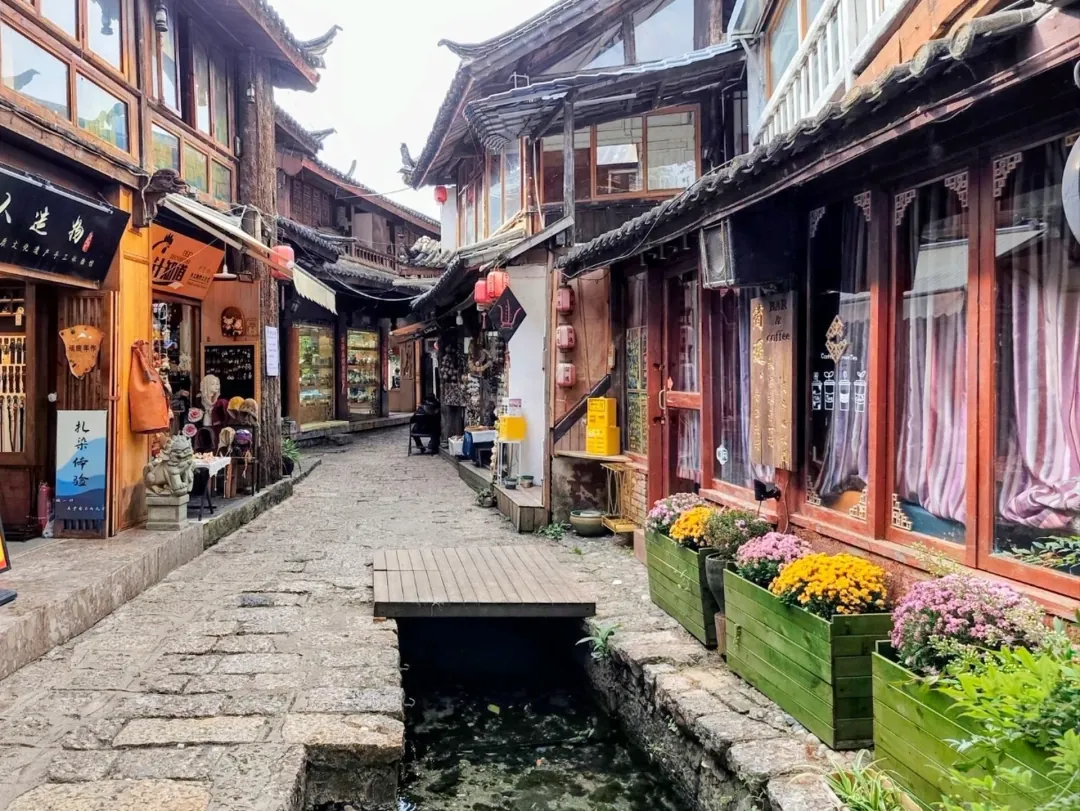

Liangshan at a Glance

Liangshan is not one town but a prefecture — the Liangshan Yi Autonomous Prefecture of southern Sichuan, a plateau of deep valleys where the Yi people are the largest ethnic group — and its practical front door is Xichang, the capital on the shore of Qionghai lake. Give it two days, three with a mountain: day one walks the lake paths around roughly 31 km² of water at about 1,510 metres, climbs Lushan hill to the prefecture museum (opened 1985) and ends at the Ming-era Datong gate of the old town; day two rides a cable car toward the 4,359-metre glacial summit of Luoji Mountain, with a stop at the clay pinnacles of the Huanglian earth forest on the way back; day three reserves ahead for the Xichang Satellite Launch Center about 60 km northwest — operating since 1970, and the place where China's Chang'e-1 lunar probe lifted off on 24 October 2007.
The numbers that matter: a mid-range day runs 500-1000 CNY per person including a 300-600 CNY hotel, and the best windows are April-June and September-November, with the Yi Torch Festival landing on lunar June 24.
Why Liangshan
Liangshan is the least touristed corner of Sichuan this guide covers, and that is the argument. The corridor from Chengdu to Kunming rushes over it; the travellers who stop find a lake city at 1,500 metres with genuine four-season sunshine, a living Yi culture — language, silver dress, lacquerware, the torch festival — and mountains that stay snow-dusted into spring. Xichang itself is a relaxed modern city of about a million people, laid out around the lake and its wetlands.
The honest trade-offs: distances are prefecture-scale, so you will drive — the launch centre is 60 km out and Luoji is a separate direction — buses and English signage are thin outside the lake front, and food outside the city runs rural. What you get is Sichuan without the queues, at plateau light.
Qionghai, Lushan and the Old Town
Start at the water. Qionghai is one of the largest freshwater lakes in Sichuan, roughly 31 km² of clean, shallow water at about 1,510 metres, with a lakeside park, wetland boardwalks and a working fishing fleet at its east end. Rent nothing: the shore path from the wetland park to the little harbour makes a 2-3 hour walk, and the water light at dusk is the reason photographers point at Xichang on a map.
Across the road, Lushan hill rises directly from the lake shore. Halfway up sits the Yi History Museum, opened in 1985, which documents Liangshan's Yi society — the pre-1956 clan system, the social reforms of 1956 that ended it, slavery-era artifacts, and the bright lacquer and silver work of the crews — with labels in Chinese and Yi script. It is the fastest hour you will spend understanding this prefecture. The hill's temples above the museum give a lake view; the descent drops you near the old town's Datong gate, a Ming-era city gate that still frames a street of noodle shops and barbecue stalls.
Luoji Mountain: the Glacial Day
South of Xichang, Luoji Mountain is an ancient glacial massif whose summit reaches 4,359 metres. On the Puge county side, a cable car lifts most of the climb; from the upper station, boardwalks link a chain of small lakes scoured out by old ice — on a clear day the water sits mirror-flat under the ridge. Azaleas run May-June and can carpet whole slopes. Take a warm layer: at 3,800 metres the wind is winter even in July, when the city below sits near 30 degrees. Count a full day.
On the return leg, the Huanglian earth forest — clay pinnacles weathered out of the hillside about 30 km from town — makes a half-hour stop. It photographs best late in the afternoon, when the rills of the clay throw hard shadows.
The Launch Center
Xichang earns a line in every Chinese space history: the Xichang Satellite Launch Center, about 60 km northwest of the city, has operated since 1970 and flew its first mission in 1984; on 24 October 2007 the Chang'e-1 lunar probe lifted off from here, China's first step to the moon. Visits are possible but controlled — book ahead through a travel desk, bring your passport, and expect ID checks and route rules on site. For most visitors the draw is standing under the same gantries that send the lunar missions up; check the tour schedule rather than the weather, since launch windows are not published for visitors.
Old Towns on the Old Trade Route
The southern tea-and-horse trade crossed Liangshan on its way to Yunnan, and Lizhou ancient town, north of Xichang, keeps the streets that grew rich on it: Ming-Qing timber courtyards, courtyard inns, a slow main street where afternoon tea still costs street money. It pairs naturally with the launch centre on the same day — both lie northwest of the city — and sees almost no foreign visitors. Back in Xichang, the Datong gate quarter covers the evening.
What to Eat in Liangshan
The Yi kitchen and the Sichuan kitchen overlap here, and the result is specific:
- Tuotuo meat (tuotourou) — pork or mutton boiled in big cubes and tossed with chili and salt; the dish of every Yi gathering.
- Buckwheat cakes (qiaomoba) — bitter-buckwheat flatbreads, the highland staple, served with honey or fermented sauce.
- Qionghai fish — the lake's own catch, grilled or in soup at the shore restaurants.
- Xichang barbecue — skewers over charcoal, a local obsession after dark.

A Yi banquet like the one above runs around 50-100 CNY a head; a lakeside fish dinner for two with beer lands near 150 CNY. If your dates hit the Torch Festival (lunar June 24 — usually July), expect fire, horse racing and crowds, and book rooms weeks ahead.
A Two-Day Plan (and a Third)
- Day 1 — lake, hill and gate. Morning boardwalks on Qionghai, Lushan hill and the museum after lunch, the old town and Datong gate for dinner and barbecue.
- Day 2 — Luoji. Early start for the cable car and the glacial lakes; Huanglian earth forest on the way home; lakeside fish for dinner.
- Day 3 — the space run. Reserve ahead, then the launch centre and Lizhou old town in one northwest loop.
The hour-by-hour versions live in our 3-day Liangshan trip builder, and the 5-day and 7-day routes push on toward Lugu Lake and the Yunnan border.
Getting There: Trains, Flights and Local Transport
The rebuilt Chengdu–Kunming line puts Xichang West about 3 hours from Chengdu by train, with the lake front a taxi ride from the station. Xichang's Qingshan airport receives flights from Chengdu and Kunming; treat schedules as seasonal. Inside the prefecture, budget for cars: a day trip to Luoji or the launch centre is 1-2 hours each way by road.
| Route | Time | Notes |
|---|---|---|
| Chengdu → Xichang West (train) | about 3 h | rebuilt Chengdu–Kunming line |
| Xichang West station → Qionghai lakefront | 15-20 min by taxi | short hop |
| Xichang → Luoji Mountain cable-car base | about 1-1.5 h by car | Puge county side |
| Xichang → launch centre | about 1 h by car | about 60 km northwest, reserve ahead |
| Xichang → Lizhou old town | about 40-50 min by car | pairs with the launch centre |
| Xichang → Huanglian earth forest | about 30 km | half-hour stop |
Keep the Chinese name of your destination written down — 西昌 for the city, 邛海 for the lake — as drivers rarely read English.
Where to Stay
Stay on or near the lakefront between the wetland park and the little harbour: mid-range hotels run 300-600 CNY a night, sunrise over the water is a walk away, and the barbecue streets are close. Hotels near the train station suit early departures; the older city centre trades lake views for food density. For the Torch Festival, book weeks ahead — the prefecture's whole diaspora comes home and beds vanish.
What a Day Costs
| Item | Price | Notes |
|---|---|---|
| Qionghai lakeside park | free to low | boardwalks, shore path |
| Yi History Museum on Lushan | low single digits | closed Mondays in most seasons |
| Luoji cable car + entry | low hundreds | priced seasonally at the gate |
| Launch centre tour | reserve ahead | passport required |
| Mid-range hotel | 300-600 CNY/night | lakefront band |
| Meals | 100-200 CNY/day | barbecue to banquet |
| Local transport | 30-60 CNY/day in town | taxis; charters extra |
| Attractions | 50-150 CNY/day | one headliner a day |
Match this against our roster's estimate for the city — accommodation 300-600 CNY, food 100-200 CNY, transport 30-60 CNY and tickets 50-150 CNY — for a mid-range total of 500-1000 CNY per person per day. A backpacker day on hostel beds, city buses and noodle shops lands near 40; the luxury ceiling is about 300.
When to Go
April-June brings azaleas and clear skies before the summer rains; September-November is the calm, sunlit season on the plateau. The Torch Festival falls on lunar June 24 — usually July — and turns Xichang into a week-long festival town. Winter is dry, sunny and cold at altitude. The single avoid-window is the first week of October, when the whole country travels.
Practical Tips
- Payment: link an international card to Alipay or WeChat Pay before arrival; keep 50-100 CNY in small notes for the lakeside stalls.
- eSIM: a tourist data eSIM (about 5-30 USD) avoids the phone-shop passport queue; install a VPN before you fly, since Google, WhatsApp and Instagram are blocked on the mainland.
- Altitude: Xichang sits at about 1,500 metres and Luoji's boardwalks run to 3,800 metres — go slow on day one and carry a warm layer.
- Reservations: the launch centre requires advance booking and passport checks; museum days off vary by season, check locally.
- Emergencies: police 110, ambulance 120, fire 119, national tourist hotline 12301.
Frequently Asked Questions
How many days do I need in Liangshan?
Two cover the lake, the museum and Luoji Mountain. The third unlocks the launch centre and Lizhou old town as one loop. Fewer than two and you see only Qionghai — a fine afternoon, a thin trip.
How do I get from Chengdu to Xichang?
The rebuilt Chengdu–Kunming railway runs trains from Chengdu to Xichang West in about 3 hours; the lakefront is then 15-20 minutes by taxi. Flights from Chengdu and Kunming serve Xichang Qingshan airport seasonally. Buy train tickets on the 12306 app with a passport.
Can tourists visit the Xichang Satellite Launch Center?
Yes, with conditions: tours must be booked in advance, passports are checked, and some zones are closed. The centre has operated since 1970, flew its first mission in 1984, and launched the Chang'e-1 lunar probe on 24 October 2007. Arrange it through a local travel desk a day or more ahead.
Is Luoji Mountain hard to climb?
Not by foot — the cable car does the climbing from the Puge side, and boardwalks link the glacial lakes from the upper station. The altitude is the real factor: the walk sits near 3,800 metres, so pace yourself and carry a warm layer even in summer.
When is the Torch Festival?
It follows the lunar calendar, on the 24th day of the sixth lunar month — usually falling in July. Expect bonfires, costume, horse racing and heavy demand for hotel rooms; reserve weeks ahead.
What food is Liangshan known for?
Yi-style tuotuo meat cubes, bitter-buckwheat cakes, Qionghai lake fish and Xichang charcoal barbecue. A Yi banquet runs 50-100 CNY a head; the lakeside fish dinner is the classic sit-down meal.
Do I need cash in Xichang?
Mostly no: Alipay or WeChat Pay linked to an international card works in town and at the lakeside. Keep 50-100 CNY in small notes for village stalls and the smallest barbecue stands outside the centre.
Useful Phrases
| Chinese | Pinyin | Meaning |
|---|---|---|
| 你好 | nǐhǎo | hello |
| 谢谢 | xièxie | thank you |
| 多少钱 | duōshǎo qián | how much |
| 西昌 | Xīchāng | Xichang, the prefecture capital |
| 邛海 | Qiónghǎi | Qionghai lake |
| 螺髻山 | Luójī Shān | Luoji Mountain |
| 彝族 | Yízú | the Yi people |
| 火把节 | huǒbǎjié | Torch Festival |
| 砣砣肉 | tuótuó ròu | tuotuo meat |
Final Notes
Every figure above — the 31 km² lake at 1,510 metres, the museum of 1985 and the reforms of 1956, Luoji's 4,359-metre summit, the earth forest 30 km out, the launch centre 60 km northwest with its 1970 founding, 1984 first mission and the Chang'e-1 liftoff of 24 October 2007, the roughly 3-hour rail link to Chengdu and the 500-1000 CNY daily band — was checked in October 2026 against our Liangshan trip-days data and the prefecture's published listings. Prices move; reconfirm within a fortnight of travel. Come for the lake, stay for the highlands — and if the calendar is kind, watch a mountain town dance around firelight.
- Source: China National Tourism Administration — policy and seasonal notices.
- Source: Trip.com — live train and hotel listings for cross-checks.
Last verified 2026-10-16.