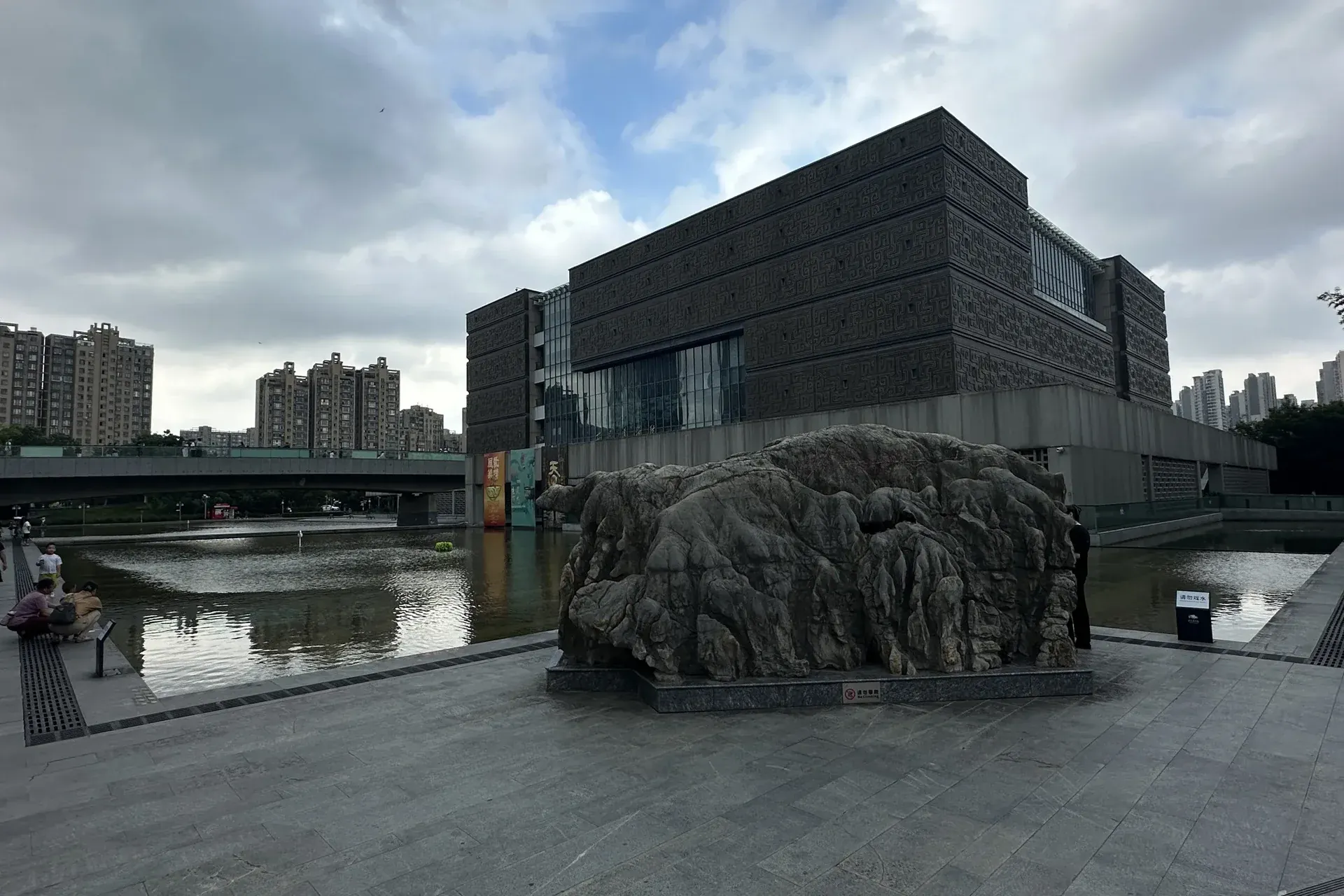
Anhui Museum
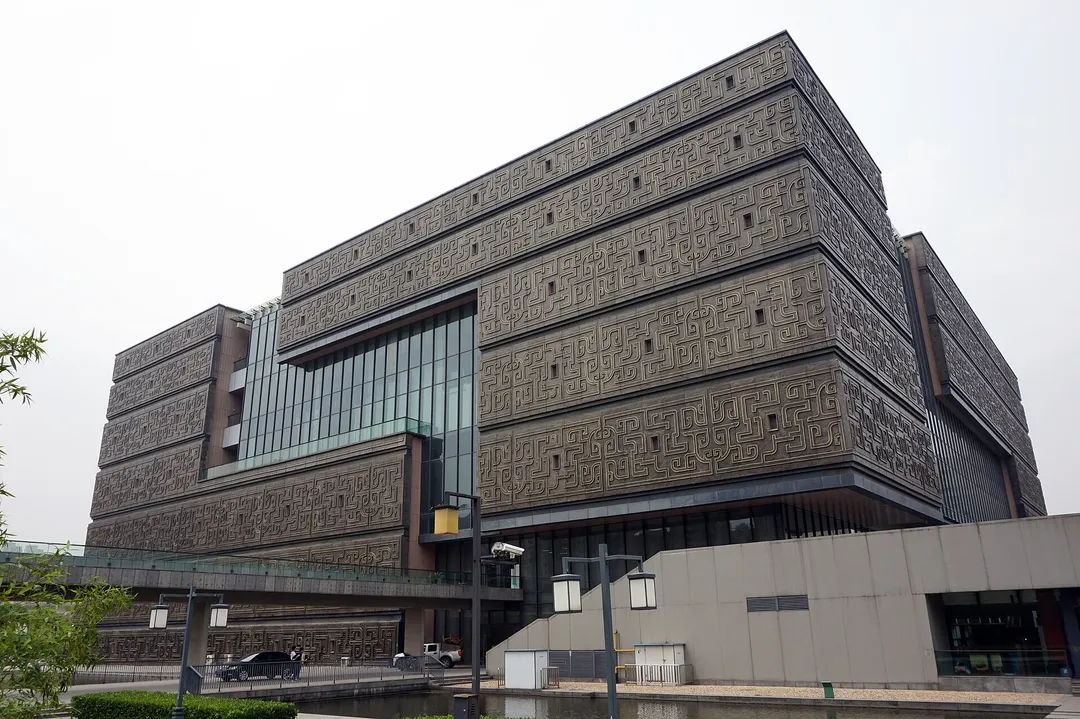
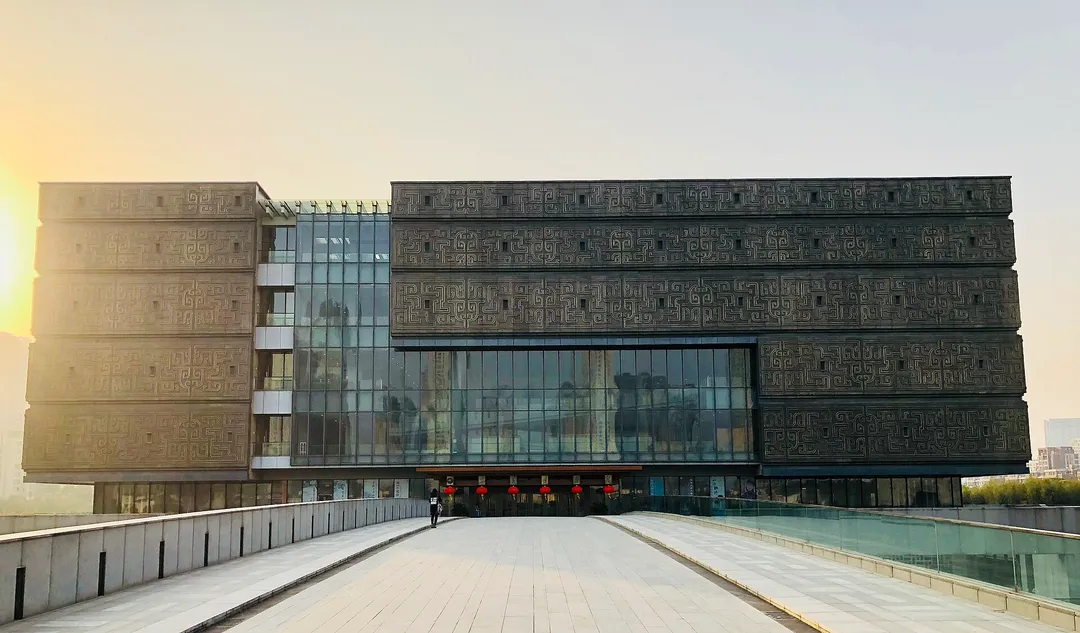
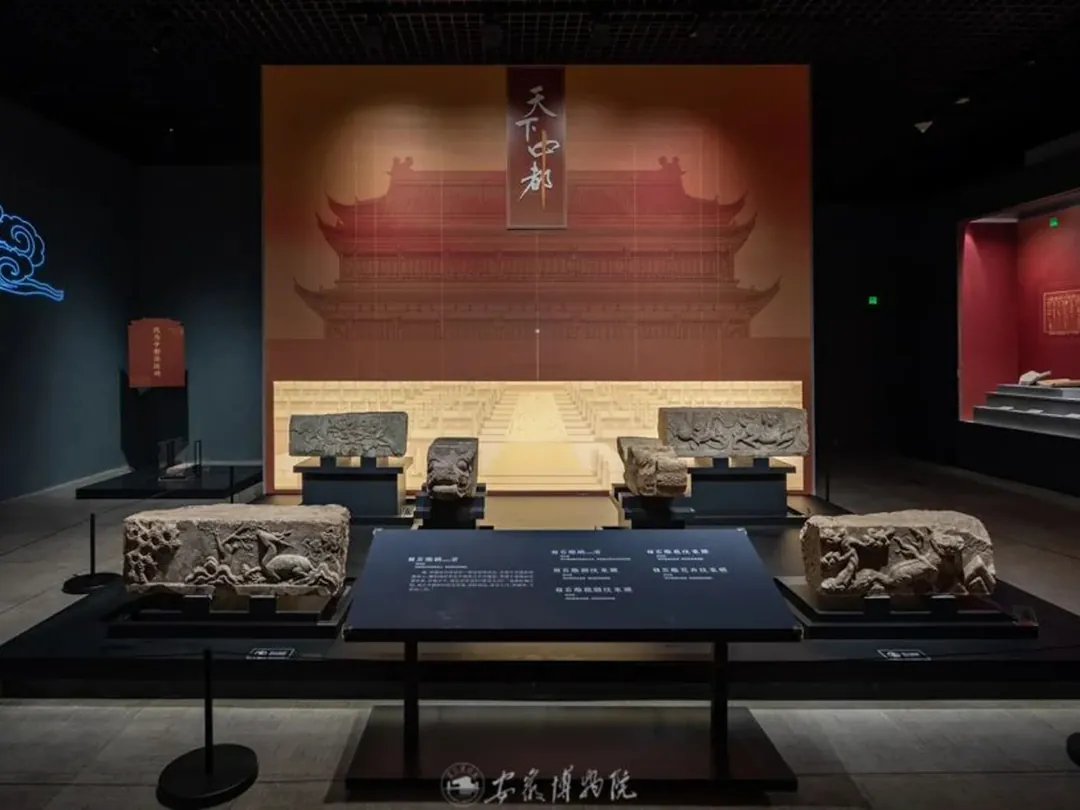
The Anhui Museum (Anhui Provincial Museum) relocated in 2011 to a new building in Hefei's New Municipal Cultural District, designed to evoke the shape of the Four Treasures of the Study (文房四宝): brush, ink stick, ink stone, and paper — all traditional Huizhou specialties. The collection of 220,000 objects is strongest in three areas: Shang and Zhou Dynasty bronzes from Anhui's many ancient states (especially the state of Chu), Huizhou (徽州) art from the Ming and Qing dynasties, and the Anhui School of painting (新安画派) from the 17th-18th centuries. The Huizhou section is particularly valuable — it preserves architectural elements (carved wooden beams, brick relief panels, stone gateways) salvaged from dismantled Huizhou villages, along with the region's famous ink stones, calligraphy, and merchant-ledger records that document China's most sophisticated pre-modern merchant culture.
Hefei · history museum2026-10-18
Quick Answer
Is Anhui Museum worth visiting?
Huizhou art and architecture, Shang-Zhou bronze, and the Anhui School of painting — a strong provincial museum in Hefei's 2011 landmark building. Free.
Quick facts
| Category | history |
|---|---|
| Ticket | Free. Passport required. Reserve via the Anhui Museum WeChat mini-program. Walk-ins accommodated on weekdays. |
| Hours | 9:00-17:00 (last entry 16:00). Closed Mondays. |
| Recommended duration | 2.5-3 hours. |
| Best time to visit | Tuesday-Thursday mornings. Hefei's best weather is March-May and October-November. Summers (June-September) are hot (35°C+) and humid. The museum is fully air-conditioned. |
| How to get there | Metro Line 3 to Anhui Museum (安徽博物院), Exit A. Walk north 3 minutes on Huaining Road. Or bus routes 13, 20, 41, 43, 128, 129, 162, 166, 502, 901 to Anhui Museum stop. DiDi from central Hefei costs ¥15-25. Hefei is 2 hours from Nanjing by high-speed train, 3.5 hours from Shanghai. |
| English signage | Partial |
Why visit
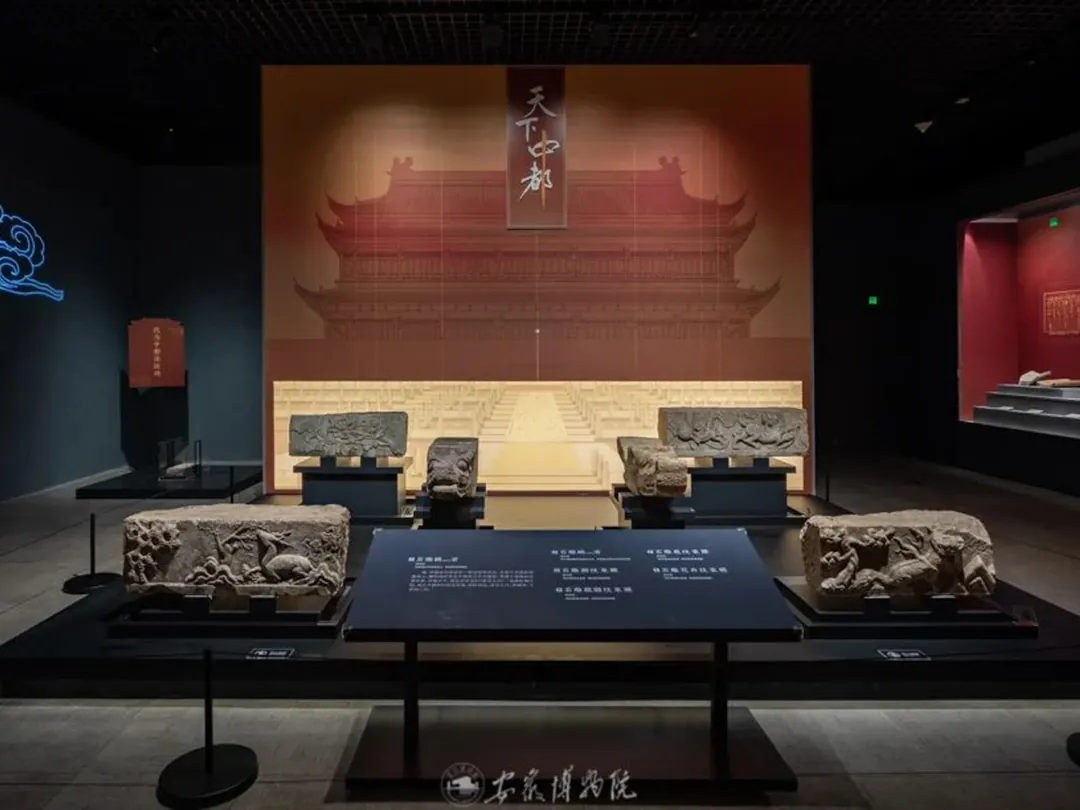
The Huizhou architectural carvings — intricate wooden panels depicting entire narrative scenes from Chinese opera and folklore — are worth the visit alone. They preserve physical fragments of a vernacular architecture that is disappearing from rural Anhui. The Shang-Zhou bronze collection is also strong, with inscribed vessels from the Chu state that document the political geography of pre-imperial southern China.
Collection highlights
- Huizhou architectural carvings — Ming and Qing Dynasty wood, brick, and stone carvings salvaged from dismantled Huizhou village houses. Wooden panels show complete narrative cycles from operas like "The Peony Pavilion" (牡丹亭)
- Chu State bronze ding inscribed with 120+ characters — a Warring States ritual vessel from Shou County, recording a Chu king's land grant to a loyal minister
- Anhui School landscape paintings — hanging scrolls by Jian Jiang (渐江), Zha Shibiao (查士标), and other 17th century Xin'an masters known for austere pine-and-rock compositions
- She ink stones (歙砚) — the finest Chinese ink stones, carved from She County slate with natural gold-star or eyebrow (眉纹) inclusions, from Song through Qing dynasties
- Huizhou merchant account books — Ming-Qing ledgers in meticulous small-regular script, documenting the vast trade networks of Huizhou merchants who dominated Chinese commerce for 400 years
- Shang Dynasty bronze fangyi from the state of Hu — a square wine vessel (fangyi) with taotie mask decoration and a 10-character interior inscription, excavated in Funan, Anhui
Tips
- The Huizhou architectural carving gallery is on the 3rd floor — start there for the most distinctive Anhui content before moving to the bronzes
- The museum has two locations — this entry refers to the New Museum (新馆) in the Municipal Cultural District. The Old Museum (老馆) on Anqing Road has a smaller collection focused on revolutionary history
- I visited in April 2026 and was surprised by the quality of the Huizhou carvings — the wood panels showing "The Peony Pavilion" scenes are so detailed you can identify individual characters from their costumes and gestures
- Hefei is not a major tourist city but the museum is a strong reason to stop — it provides context for visiting the Huizhou villages (Xidi, Hongcun, 3 hours south by bus)
- The museum shop sells replica She ink stones (¥120-800) and Huizhou ink sticks (徽墨, ¥30-200) — both are authentic local products, not tourist kitsch
- Combine with the Bao Gong (Judge Bao) Memorial Temple in Hefei's old city center for a half-day of Hefei culture
Frequently asked questions
What is Huizhou culture?
Huizhou (徽州) is a historical region in southern Anhui (centered on modern Huangshan City) known for three things: (1) Huizhou merchants (徽商), who dominated Chinese commerce from the Song through Qing dynasties with trade networks spanning the empire, (2) distinctive black-tile white-wall architecture with elaborate wood, brick, and stone carvings, and (3) the "Four Treasures of the Study" — Huizhou produces China's finest ink sticks (徽墨), ink stones (歙砚), paper (宣纸 from nearby Jing County), and calligraphy brushes. The Anhui Museum's Huizhou gallery brings all four together.
Where is the Anhui Museum?
The Anhui Museum (New Museum) is at 268 Huaining Road, Shushan District, Hefei (合肥市蜀山区怀宁路268号). It is in Hefei, the provincial capital — not near the famous Huangshan mountains or Huizhou villages. Hefei is served by high-speed rail from Nanjing (1 hour), Shanghai (3 hours), and Beijing (4 hours).
What is the Anhui School of painting?
The Anhui School (新安画派, Xīn'ān Huàpài, literally "Xin'an Painting School") was a group of 17th-18th century painters from Anhui who reacted against the decorative academic style of the Qing court with austere, monochrome landscapes of the Huangshan mountains. Led by Jian Jiang (渐江, 1610-1664), they used dry brushwork, geometric rock forms, and sparse compositions to convey spiritual solitude. Many were Ming loyalists who retreated to the mountains after the Manchu conquest. The Anhui Museum holds the largest collection of Xin'an School works anywhere.
Is the Anhui Museum worth visiting if I am not going to Huangshan?
Yes, if you are passing through Hefei by high-speed train or have an interest in Chinese bronze inscriptions or merchant culture. The museum is strong enough to justify a 3-hour stop. If you are visiting the Huizhou villages (Hongcun, Xidi) or Huangshan mountain, visit the Anhui Museum first in Hefei — it provides deep cultural context that will make the villages more meaningful.
Does the Anhui Museum have English signage?
Partial — the bronze and Huizhou architectural carving galleries have English labels for major objects. The painting, calligraphy, and ink stone galleries are mostly Chinese-only. The audio guide via the WeChat mini-program is Chinese-only. Bring a translation app.
How do I get to the Anhui Museum from Hefei South Station?
Take Metro Line 1 to Hefei Railway Station, transfer to Line 3, exit at Anhui Museum station (安徽博物院站), Exit A. Total travel time about 40 minutes. DiDi from Hefei South Station is about 25 minutes (¥30-40).