Hefei at a Glance
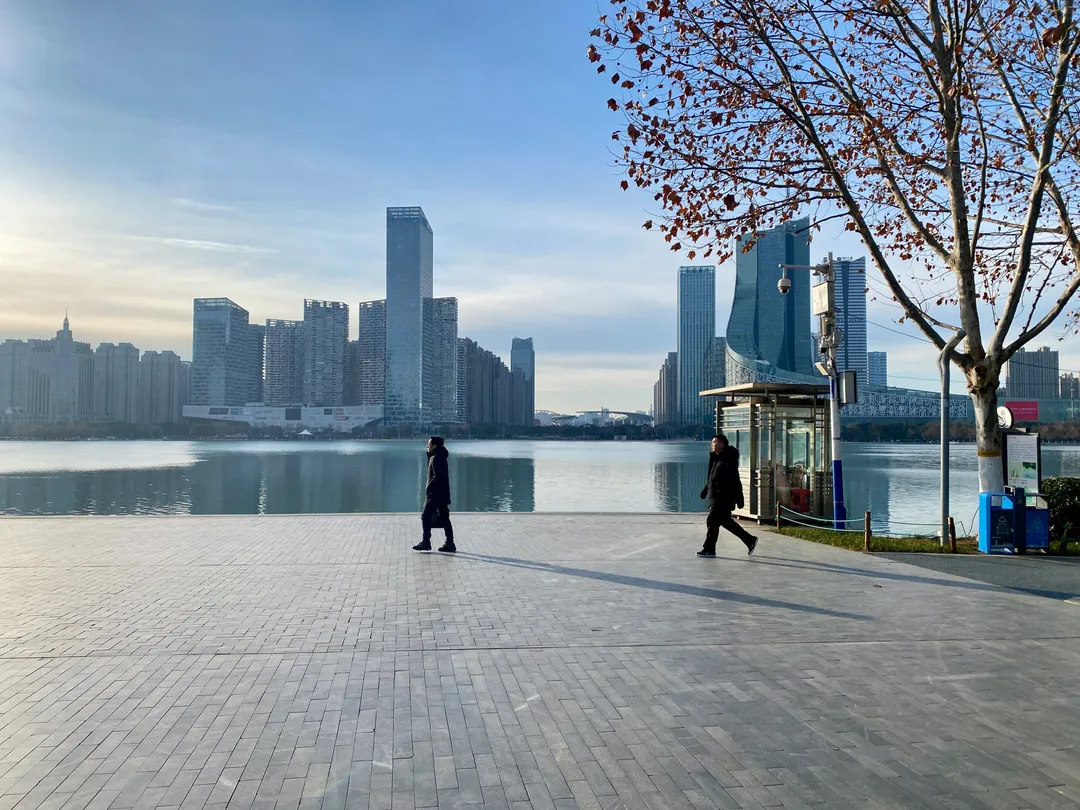
Give Hefei two days, three if you add the lake. Anhui's capital has spent the last decades turning into a science-and-manufacturing engine, but the reasons to visit are older and stranger: a moat-side park honouring Bao Zheng (999-1062), the Song dynasty judge whose name became China's word for incorruptible officialdom; a museum holding a Chu bronze ding of about 400 kg dug up in 1933; a 2,500-year-old river town 40 km south where an 1858 battle and the wartime street of a Nobel laureate share the same lanes; and Chaohu, one of China's five great freshwater lakes, spreading some 780 km² along the city's south. Add the battlefield park where 800 riders of Wei general Zhang Liao broke a 100,000-man siege in 215 AD, and the city reads as a crossroads of Chinese history that never bothered to become a postcard. This guide covers the practical version: what to see in two or three days, how the metro and rail lines work, what a day costs, and where to eat between the dynasties.
Why Hefei
Hefei sits between the Huai and the Yangtze, on the high-speed spine that runs from Bengbu and Huainan down toward the river cities — Wuhu and beyond — and most travellers still cross it without stopping, which is precisely the argument for stopping. The sights cluster in the central area, walkable or a single metro stop apart, and they stack in an unusual order: a Song judge, a Qing statesman, a Bronze Age hoard, a battle of the Three Kingdoms, then a lake the size of a small sea. The museums carry the labeling burden with bilingual panels where it matters, and everything in this guide runs on a scale where a taxi across town costs less than lunch.
The honest trade-offs: Hefei has no single landmark silhouette — the pleasure is the layering, not one vista; summers on the Yangtze hinterland are hot and sticky; and the best excursion, Sanhe, needs its own half day. For the provincial picture — Huangshan's peaks, Huizhou villages — start from our Anhui guide; Hefei is its practical northern gateway.
Baogong Park and the Old Center
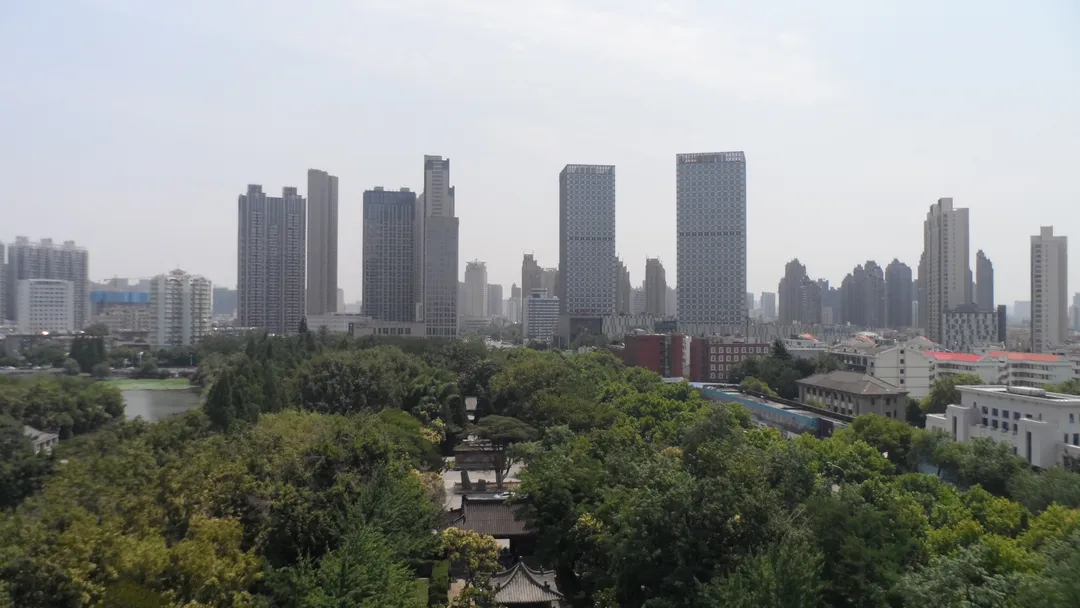
Start at the moat. Baogong Park gathers the shrine, the tomb and the Qingfeng Pavilion (finished in 1999) of Bao Zheng (999-1062), the Song judge born here whose posthumous fame outran every official of his century — the black-faced, incorruptible Lord Bao of opera and television. The park is where the city explains itself to itself: expect incense, stone tablets, and locals who can recite his verdicts. An unhurried circuit takes about two hours across the water and courtyards.
The statesman half of the story sits downtown: the residence of Li Hongzhang, the late-Qing chancellor whose treaties and telegraphs tied Anhui to the fate of the empire. The compound is compact — an hour, comfortably — and pairs naturally with a dinner on Lei Street, the food lanes where the city goes to argue about Anhui cooking. Together they give you the old center in one day with the metro underneath it.
The Anhui Museum and Swan Lake
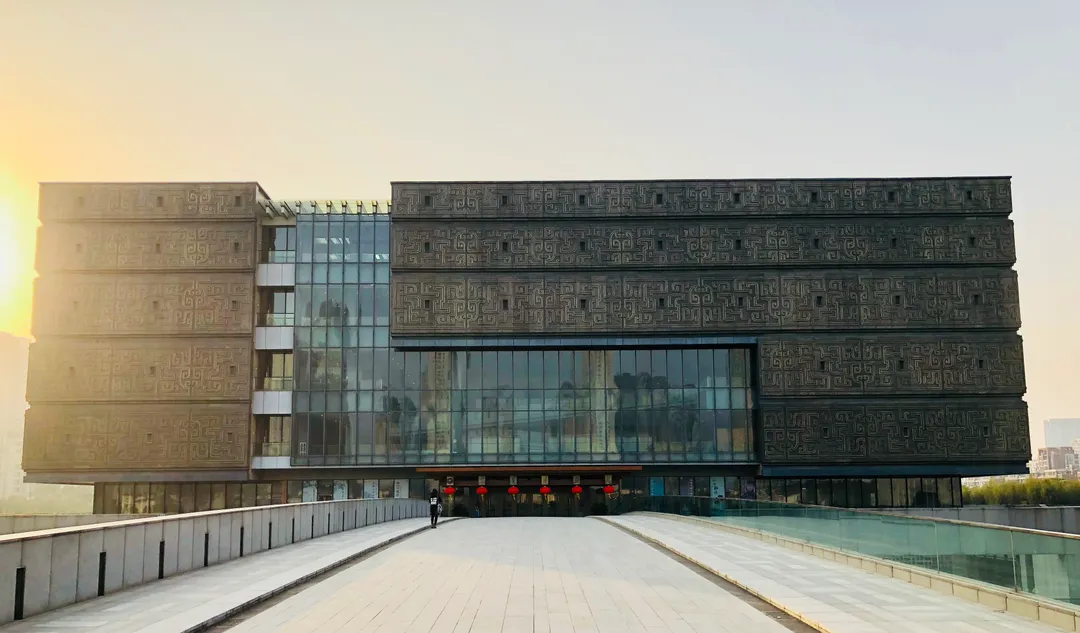
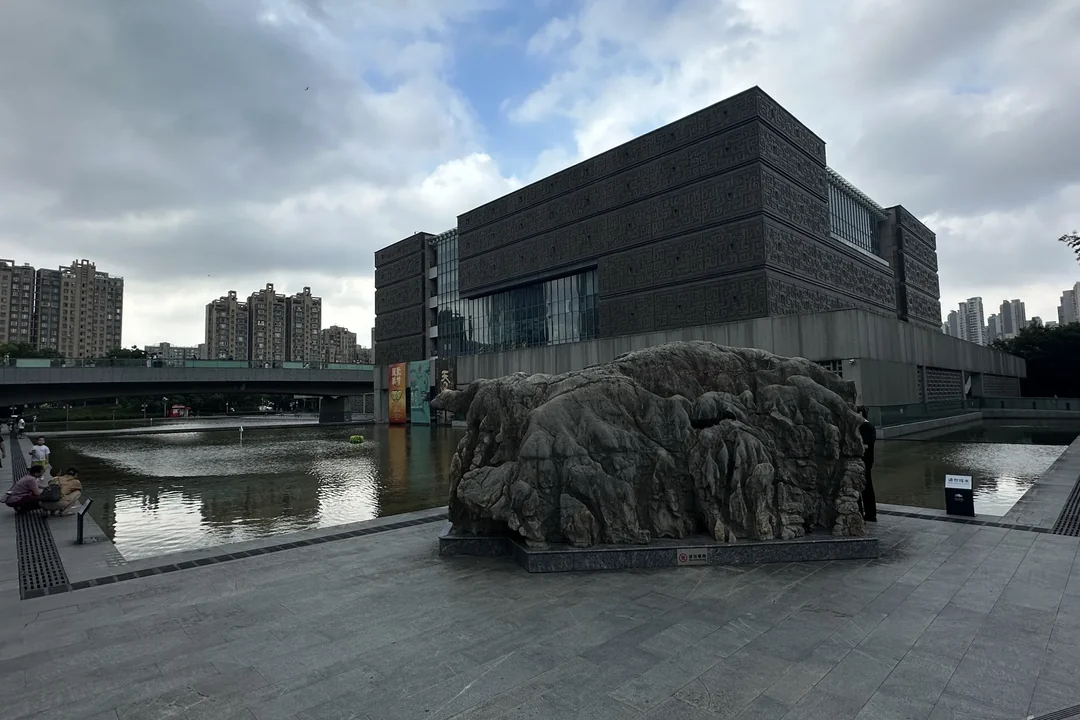
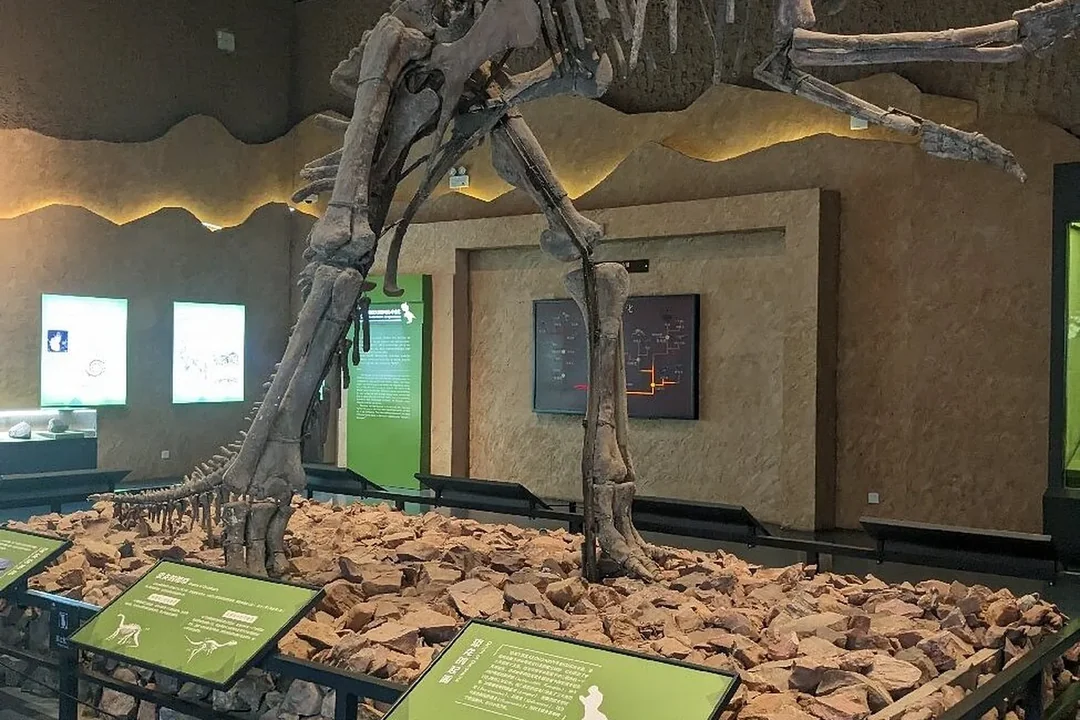
The Anhui Museum is the best single hour-to-half-day in the city. Its headline is the Chu bronze ding unearthed in 1933 and weighing around 400 kg — one of the heaviest surviving bronzes of the eastern states — and its strangest is the five-pillar bronze vessel dug up in 1959 whose purpose is still argued over: ritual stand, lamp mount, nobody quite agrees. Around them run the Chu bronzes, Huizhou woodcarving, and the paperwork of Anhui's merchant centuries. Entry is free with passport; count two to three hours and reach it by metro.
Finish on Swan Lake, the CBD's water: towers reflected in a breeze-catch of a lake, an evening promenade circuit that shows what the science-city decades actually built. It is not a "sight" so much as the city's own front row — and the food streets around it run later than the museum does.
Sanhe Ancient Town
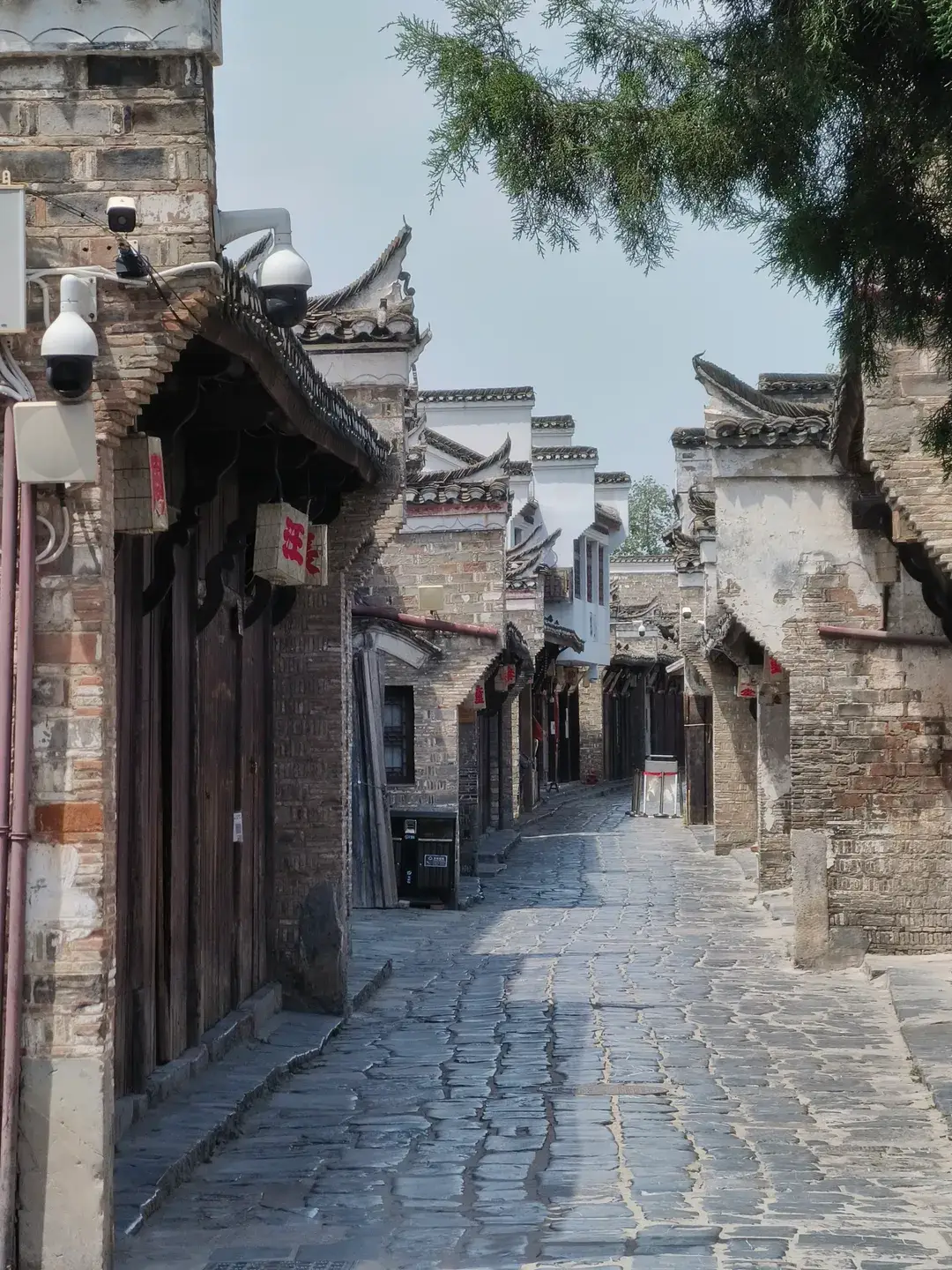
About 40 km south, Sanhe is the excursion that earns Hefei its third day: a river town some 2,500 years old, its lanes rebuilt in wood and stone after the floods, carrying two stories at once. In 1858 it was the site of a battle of the Taiping war that the histories still weigh; in the 1930s one of its streets sheltered the schoolboy Yang Zhenning, who would leave for the West and take the physics Nobel. Walk the water lanes, take the boat if the level allows, eat the river shrimp, and you have the Anhui small-town experience without a mountain drive. Half a day by bus or car; back in town for an evening train from Hefei South if you are moving on.
Chaohu: Zhongmiao and Mushan Island
The lake anchors the city's south — around 780 km² of water, one of China's five great freshwater lakes, more inland sea than pond. The classic day runs to Zhongmiao, the temple town on the northern shore, where the short ferry crosses to Mushan Island and its seven-storey Wenfeng Pagoda, 51 metres tall, standing in greenery above the water. In the hot months the lake shore is the city's breath; in winter it is grey and windy, and the trip works better as a museum day. Buses and DiDi both serve the shore; plan a half day and check the ferry schedule on arrival, because it bends to wind and season.
Xiaoyaojin: the Battle of 215
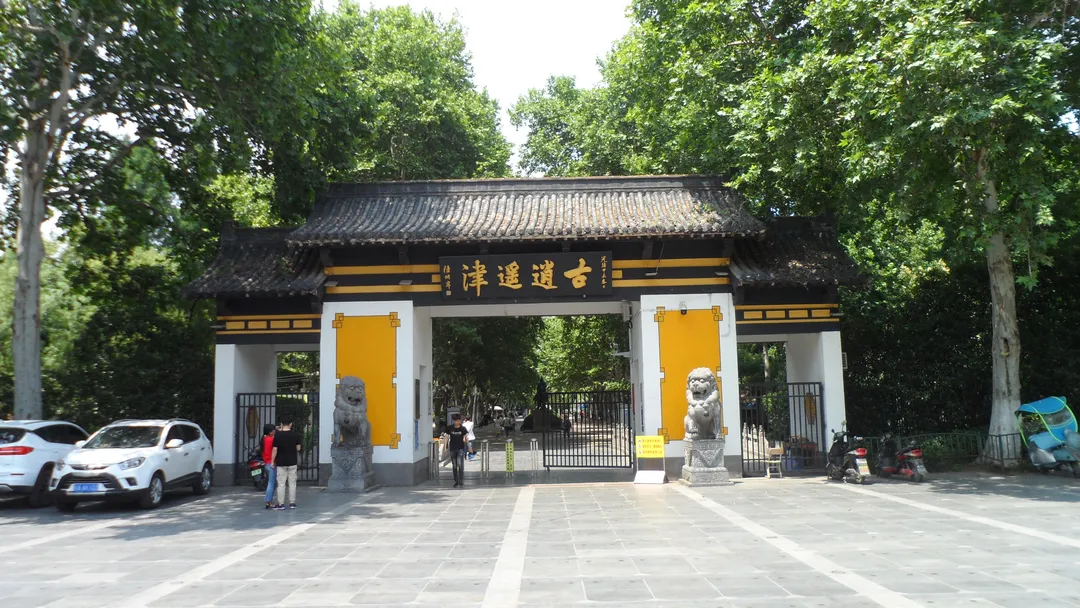
In the middle of the city, Xiaoyaojin Park keeps one of the Three Kingdoms' favourite stories: in 215 AD, 800 riders of the Wei general Zhang Liao broke a 100,000-man siege on this ground, and the tale runs through every retelling of the era. Today it is a lake-and-pines city park where the battle is a plaque, a statue and a legend — which is exactly the right register. The temple on the old crossbow-training platform, Mingjiao Temple, stands a short walk away; fold both into a morning with a market breakfast, and the park gives the trip its oldest date for free.
A Three-Day Plan (and a Fifth)
- Day 1 — the old center. Baogong Park across the moat shrines in the morning, Li Hongzhang's residence after lunch, Lei Street for dinner. Everything runs on the metro's downtown stops.
- Day 2 — museum and modern city. The Anhui Museum's 400 kg ding and the five-pillar riddle, then Swan Lake's evening circuit. The 3-day Hefei itinerary lays this out hour by hour.
- Day 3 — Sanhe. Leave by 09:00 for the river lanes, the 1858 story and Yang Zhenning's street; back for an evening train from Hefei South. The 5-day version keeps going: Chaohu's Zhongmiao and Mushan Island, then Xiaoyaojin and Mingjiao Temple with a market breakfast to close.
- Days 4-5, if you have them. The lake day and the battle park, in that order — the lake needs the better weather window.
Getting There and Around
Hefei sits on the north-south high-speed spine: Hefei South station takes the fast trains toward the Yangtze cities, and the station cluster puts Wuhu, Bengbu and Huainan all within short rides. The metro covers the museum, the old center and the station pair, with Alipay's transit QR working at the gates; taxis and DiDi are cheap by big-city standards. Distances inside this guide: the museum and the old center sit minutes apart, Sanhe runs about 40 km south, and the lake shore about an hour with traffic.
| Route | Time | Typical cost |
|---|---|---|
| Hefei South → city center (metro/DiDi) | 20-30 min | metro fare or short ride |
| City center → Anhui Museum (metro) | 15-20 min | metro fare |
| City center → Sanhe Ancient Town (bus/car) | 1-1.5 h | modest fare each way |
| City center → Zhongmiao, Chaohu shore (car) | about 1 h | half-day hire or DiDi |
| Downtown hop (metro, 1 stop) | 3-5 min | tap Alipay |
There is no reason to rent a car inside the city; if the lake day grows into a loop, a hired car with driver pays for itself.
Where to Stay
Stay downtown between the old center and Swan Lake: mid-range chains in the roster's 300-600 CNY nightly band put every metro line within reach and keep the evening food streets walkable. April-May and September-October are the comfortable seasons and book fastest — a week ahead covers it; the national holiday weeks of early May and early October are the ones that genuinely jam, along with any weekend that pairs a convention at the lakeside hotels.
What to Eat in Hefei
Hefei eats at the junction of Anhui's kitchen and the river-lake pantry. The province's Hui cooking — one of China's eight recognized traditions, fond of braising and ham-smoked depth — lands here in the stinky mandarin fish and the braised river catches, and the city adds its own legend: the hodgepodge attributed to Li Hongzhang, a kitchen-sink stew the restaurants still argue over. Lei Street is the practical answer — order the braised dishes and one fish, then let the skewer stalls close the night. Breakfast runs to pan-fried buns and sesame flatbreads; the river shrimp travel down from Sanhe. Carry 50-100 CNY in small notes for the older stalls; Alipay and WeChat Pay linked to an international card cover everything else.
What a Day Costs
| Item | Price | Notes |
|---|---|---|
| Attraction tickets | 50-150/day | roster band; the park and museum tier is cheap |
| Mid-range hotel | 300-600 CNY/night | roster band; central chains often lower |
| Meals | 100-200/day | bun breakfasts to Hui-cuisine dinners |
| Local transport | 30-60/day | metro, bus, DiDi |
| Sanhe or Chaohu day trip | modest fare + entry | bus/car; ferry ticket at the shore |
The roster's all-in frame is 500-1,000 CNY per person per day at mid-range — accommodation 300-600 CNY, food 100-200 CNY, local transport 30-60 CNY, attractions 50-150 CNY. Hefei sits at the comfortable middle of the frame: the heaviest line is the hotel, the museums are free or near-free, and the two excursions split the same daily budget.
When to Go
April-May and September-October are the working windows: mild enough for the moat park and the lake shore, cool enough for the Sanhe lanes. Summer (June-August) is the Yangtze hinterland at full humidity — museum mornings, lake evenings; winter is grey but cheapest, and the food streets run regardless. Avoid the national holidays (early February, early May, early October): the lakeside and the old center absorb domestic crowds first.
Practical Tips
- Payment: link an international card to Alipay or WeChat Pay before arrival; the metro gates take the Alipay QR directly. Keep 50-100 CNY in small notes for the oldest stalls.
- eSIM: a tourist data eSIM (about 5-30 USD) avoids the phone-shop passport queue; install a VPN before you fly, since Google, WhatsApp and Instagram are blocked on the mainland.
- The Anhui Museum wants your passport at the door and closes Mondays — plan it for a weekday and go early.
- English is thin outside the museum and the malls. Screenshot every address in Chinese and learn the three phrases in the table below.
- Emergencies: police 110, ambulance 120, fire 119, national tourist hotline 12301.
Frequently Asked Questions
How many days do I need in Hefei?
Two days cover the city — Baogong Park, Li Hongzhang's residence, the Anhui Museum and Swan Lake. The third day is what makes the trip worth the stop: Sanhe Ancient Town 40 km south. A fifth day adds Chaohu's temple shore and the battle park of Xiaoyaojin. One day works only as a museum-and-moat sprint between trains.
Is Hefei worth stopping for on a Beijing-Shanghai or north-south trip?
As a break in the rail spine, yes — that is its honest role. Everything in this guide runs on metro and short hops, the museum justifies itself in an afternoon, and Sanhe gives you an Anhui water town without committing to the Huangshan circuit. If your route runs toward the river cities, Wuhu continues the line south.
How do I get to Sanhe Ancient Town?
It sits about 40 km south of the city — buses run from the city side in 1-1.5 hours, and a DiDi or hired car covers it comfortably as a half day. Go in the morning: the water lanes are calmest early, and you can be back for an evening train from Hefei South.
What is the five-pillar bronze vessel in the Anhui Museum?
Nobody is certain — which is the point. Dug up in 1959, it stands like a bronze stand with five pillars and has been read as a ritual mount, a lamp base and other things besides; the argument is part of the display. It shares the museum with the Chu bronze ding unearthed in 1933 and weighing around 400 kg, the heaviest headline of the collection.
Can you swim in Chaohu?
No — treat the lake as scenery and shoreline, not a beach: the water is turbid and the swimming is not a thing locals do. The rewarding version of the lake day is the ferry to Mushan Island, the 51-metre Wenfeng Pagoda and the temple town of Zhongmiao.
Do I need cash in Hefei?
Mostly no — Alipay or WeChat Pay linked to an international card works at hotels, restaurants, the metro gates and ticket windows. Keep 50-100 CNY in small notes anyway for the older stalls on Lei Street and in Sanhe.
Useful Phrases
| Chinese | Pinyin | Meaning |
|---|---|---|
| 你好 | nǐhǎo | hello |
| 谢谢 | xièxie | thank you |
| 多少钱 | duōshǎo qián | how much |
| 合肥 | Héféi | Hefei |
| 包公园 | Bāogōng Yuán | Baogong Park |
| 三河古镇 | Sānhé Gǔzhèn | Sanhe Ancient Town |
| 巢湖 | Cháohú | Chaohu (the lake) |
| 逍遥津 | Xiāoyáojīn | Xiaoyaojin (battle park) |
| 罍街 | Léi Jiē | Lei Street (food lanes) |
Final Notes
Every figure above — Bao Zheng's 999-1062 and the 1999 pavilion, the 1933 ding of around 400 kg and the 1959 five-pillar riddle, Sanhe's 2,500 years and its 1858 battle 40 km south, Chaohu's 780 km² and the 51-metre pagoda, the 800-against-100,000 of 215 AD, and the 300-600 CNY nightly band — was checked in October 2026 against our city roster data and the Hefei trip itineraries. Prices move; reconfirm within a fortnight of travel. Give Hefei two real days and it hands you the layers back in order: a judge the country still quotes, a chancellor's courtyard, a bronze nobody can explain, a river town with a Nobel on its street — and a lake big enough to end the argument.
- Source: China National Tourism Administration — policy and seasonal notices.
- Source: Anhui Provincial Government — prefecture and site notices.
- Source: Trip.com — live hotel and rail listings for cross-checks.
Last verified 2026-10-14.