This page is archived and no longer updated — see the current guide: See the current guide
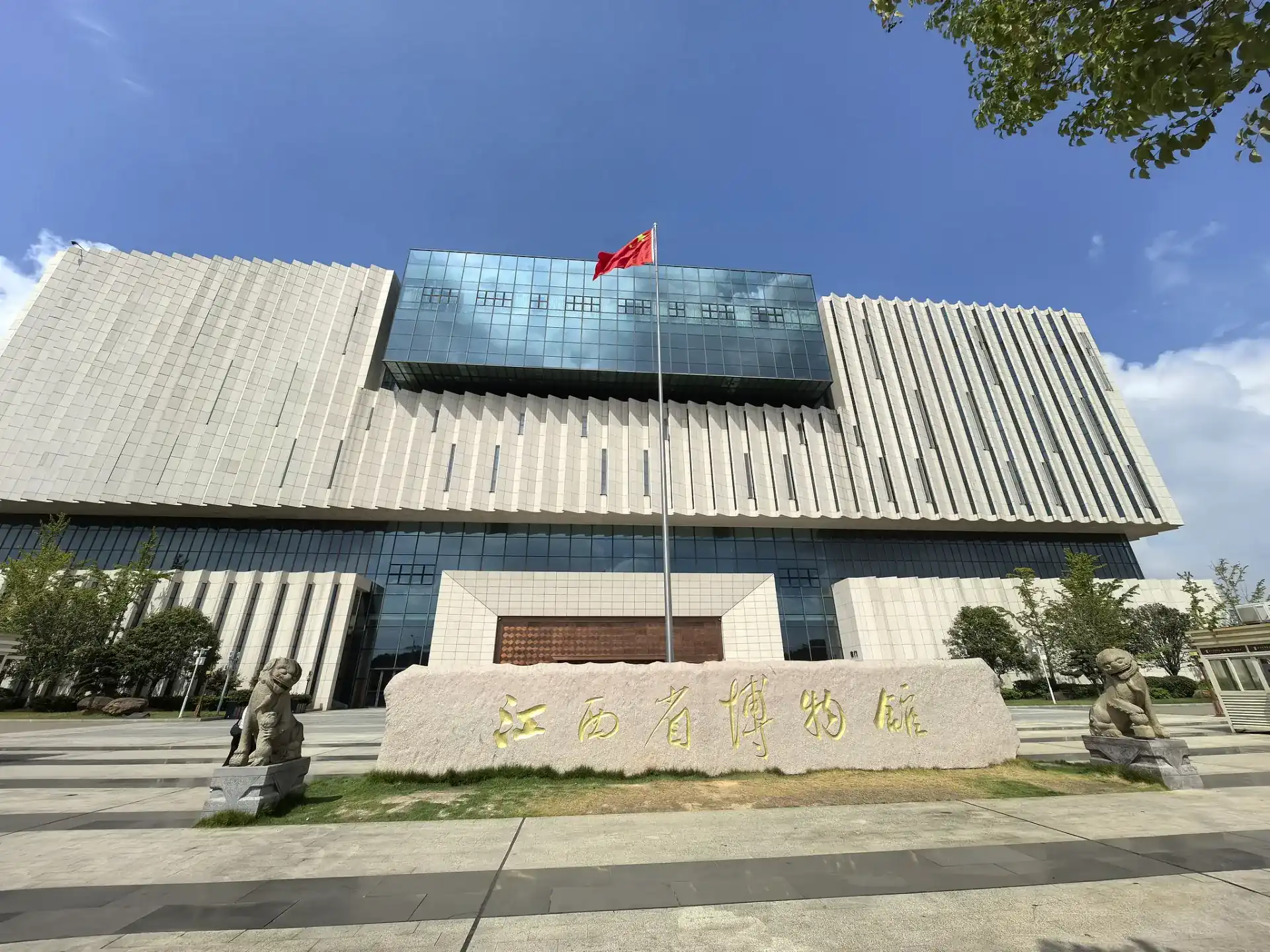
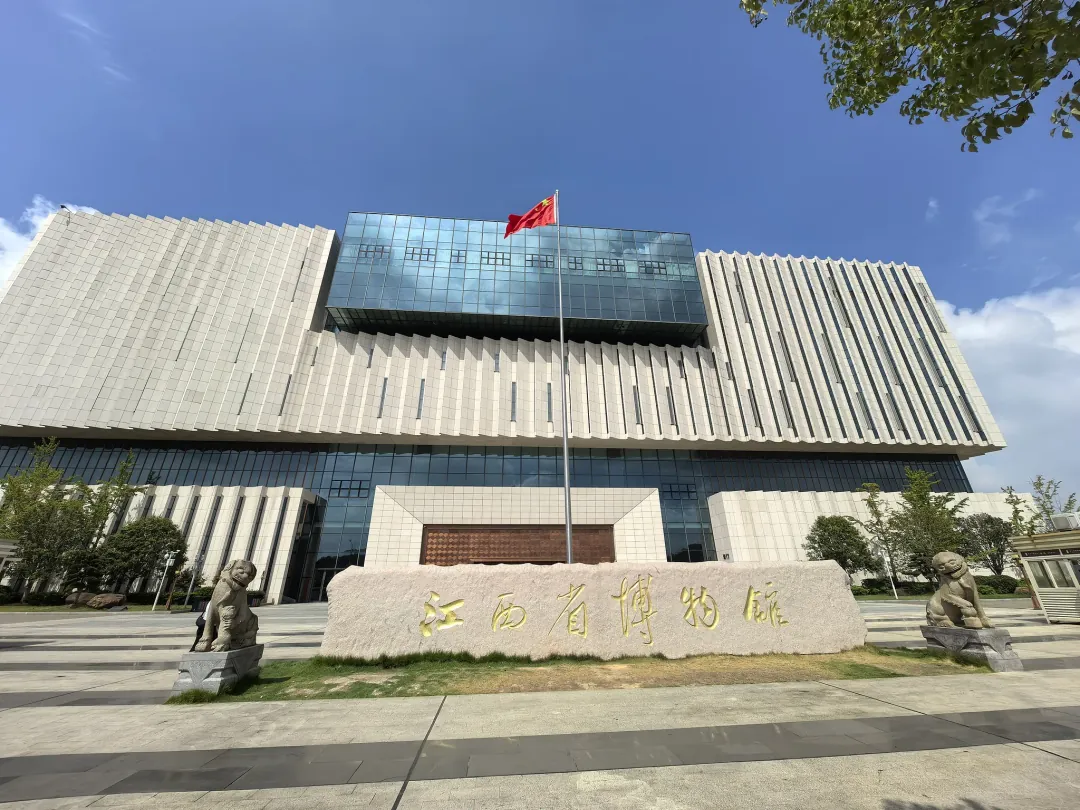
Jiangxi Provincial Museum
The Jiangxi Provincial Museum (江西省博物馆) in Nanchang is the principal cultural institution for the province that is home to Jingdezhen — the porcelain capital of the world for 2,000 years. Jiangxi's museum traces: (1) Jingdezhen porcelain history — the definitive collection of Jiangxi kiln ceramics from the Han Dynasty through the Qing Dynasty, including the world's largest collection of Ming and Qing official kiln porcelain; (2) Jiangxi revolutionary archaeology — the Jiangxi Soviet (江西苏区) period of Communist revolution (1929-1934) including sites in Jinggangshan (井冈山); (3) Jiangxi's ancient civilization — prehistoric archaeology and the ancient Jiangxi cultures along the Gan River (赣江); (4) the Yao (瑶族) ethnic minority culture of Jiangxi's southern mountains.
Nanchang · history museum2026-10-19
Quick Answer
Is Jiangxi Provincial Museum worth visiting?
Jiangxi's flagship museum in Nanchang, covering Jingdezhen's 2,000-year porcelain history, the Raozhou kiln tradition and Jiangxi's revolutionary-era archaeology.
Quick facts
| Category | history |
|---|---|
| Ticket | Free. Passport required. Walk-in from the south gate. |
| Hours | 9:00-17:00 (last entry 16:00). Closed Mondays. |
| Recommended duration | 2-3 hours. |
| Best time to visit | March through May and September through November. Nanchang is hot and humid in summer (June-August, 33-38°C) and cold in winter (December-February, 3-12°C). Spring and autumn are ideal. |
| How to get there | Metro Line 1 to Bayi Road Station (八一大道站), Exit A. Bus routes 2, 5, 7, 11, 18, 22, 24, 26, 28, 202, 302, 317, 旅游一线 to Jiangxi Museum stop. From Nanchang Railway Station by DiDi: ¥15-25. From Nanchang Changbei International Airport: ¥50-70. |
| English signage | Partial |
Why visit
The Jingdezhen porcelain collection is essential for understanding the world history of Chinese ceramics — Jingdezhen produced the imperial (guan) kiln porcelain for the Ming and Qing courts for 600 years. Combined with the revolutionary history section, this museum provides the context for Jiangxi's two claims to global fame: porcelain and revolution.
Collection highlights
- Jingdezhen official kiln porcelain collection — the world's largest collection of Ming and Qing official (guan) kiln porcelain from the Jingdezhen imperial kilns, including examples of blue and white (青花) and famille rose (粉彩) porcelain
- Ancient Jingdezhen kiln ceramics — ceramics from the Han Dynasty through Tang Dynasty showing the 2,000-year continuity of porcelain production in the Jingdezhen area
- Raozhou kiln period ceramics — ceramics from the Raozhou (饶州) kiln tradition that preceded and influenced the later Jingdezhen imperial kilns
- Jinggangshan revolutionary period objects — objects and documents from the Jinggangshan (井冈山) revolutionary base area, where Mao Zedong established one of the first Communist revolutionary bases in 1927-1929
- Gan River civilization archaeology — artifacts from the ancient settlements along the Gan River (赣江), Jiangxi's main river, showing 5,000 years of continuous habitation
- Yao minority cultural objects — costumes, silver ornaments, and daily objects from the Yao (瑶族) people of Jiangxi's southern mountains
Tips
- Combine with the Jingdezhen porcelain capital — Nanchang to Jingdezhen is 2 hours by high-speed train, and the actual porcelain experience (kiln visits, factory shopping) is in Jingdezhen, not Nanchang
- The Jinggangshan revolutionary site (井冈山) is 4 hours by bus from Nanchang and is a UNESCO World Heritage site — for Communist history enthusiasts
- Nanchang is known for its "Pengcheng" (彭城) food culture — the Nanchang hot pot and "ao mian" (熬面) noodle dishes are nationally known
- The Tengwang Pavilion (滕王阁) — one of the three famous buildings in Chinese literature (with Yueyang Tower and Yellow Crane Pavilion) — is in Nanchang and should be combined with a museum visit
- The Jiangxi Museum is smaller than major provincial museums — 2 hours is sufficient
Frequently asked questions
What is the significance of Jingdezhen?
Jingdezhen (景德镇) in Jiangxi province has been the porcelain capital of China — and of the world — for 2,000 years. From the Han Dynasty through the present, it has produced the finest ceramics in China. During the Ming and Qing dynasties, it was the exclusive supplier of imperial (guan) kiln porcelain to the Beijing court. Today it remains the center of Chinese ceramic art and production. The Jiangxi Museum has the definitive collection of Jingdezhen porcelain history, but the actual porcelain experience (factory visits, kiln shopping) requires a trip to Jingdezhen itself.
How does the Jiangxi Museum's porcelain collection compare to Shanghai Museum's?
Shanghai Museum (上海博物馆) has China's best general ceramics collection including Ding, Ru, Jun, and Guan wares from all periods. Jiangxi Museum has the best collection specifically of Jingdezhen imperial kiln porcelain — the definitive collection of the world's most famous ceramics tradition.
What was the Jiangxi Soviet?
The Jiangxi Soviet (江西苏区, 1929-1934) was one of the first Communist revolutionary base areas in China, centered on the Jinggangshan (井冈山) mountains in Jiangxi. Mao Zedong established the base there in 1927 and built it into a major revolutionary area before the Nationalist Fourth Encirclement Campaign forced the Long March in 1934. The Jiangxi Museum has extensive documentation of this period.
Does Jiangxi Provincial Museum have English signage?
Partial — the porcelain section has English labels. The revolutionary history and ancient archaeology sections have limited English. No English audio guide as of 2026.
Can I visit Jingdezhen as a day trip from Nanchang?
Yes — the high-speed train (2 hours) makes day tripping feasible, but Jingdezhen's porcelain sites (the historical kiln sites, porcelain factories, ceramic art zones) deserve at least an overnight stay. A day trip allows time for the Porcelain Museum and a quick factory district visit.