
Fujian
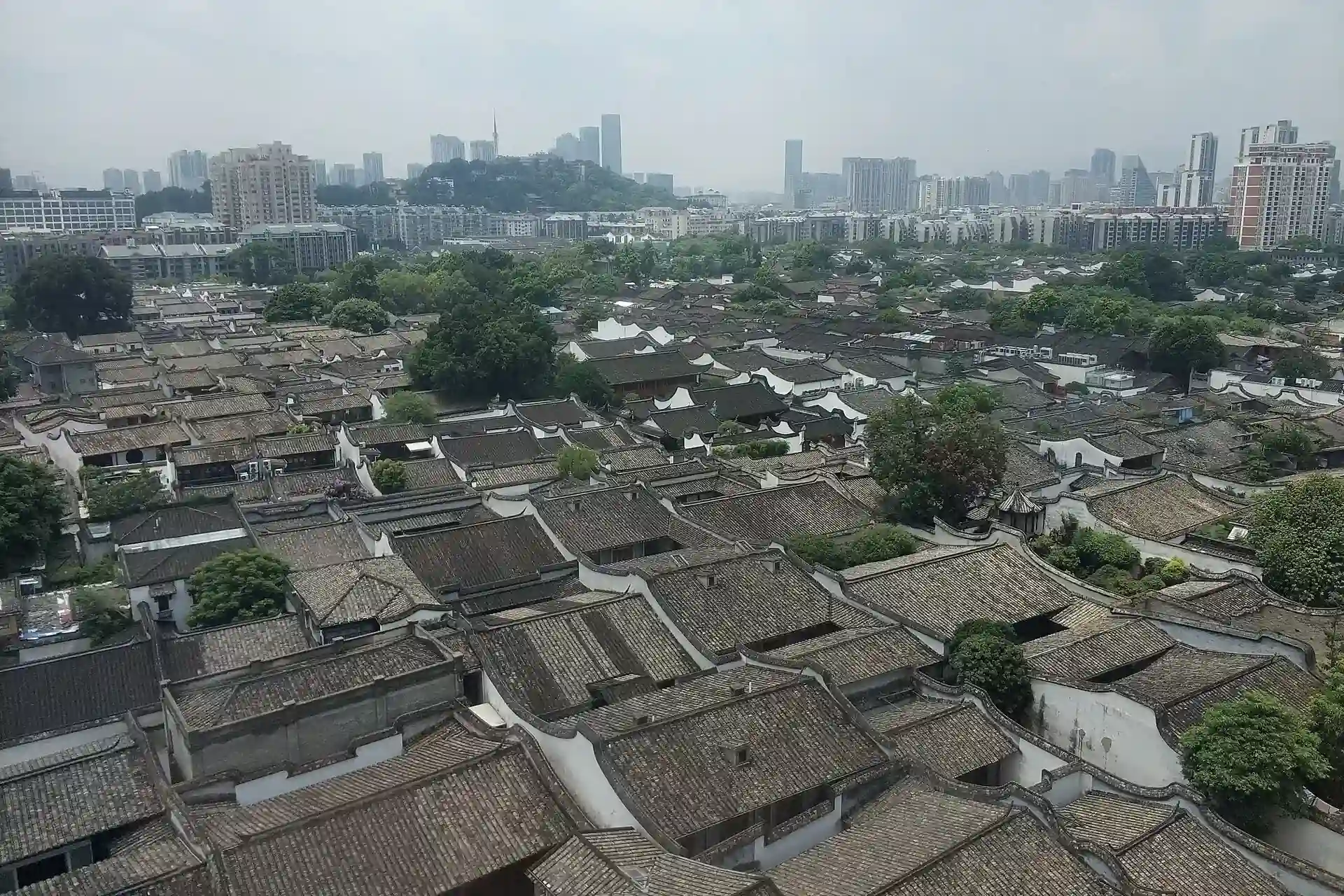
Southeastern coastal province famous for the colonial island of Gulangyu, the unique round earthen Tulou houses of the Hakka people, and the oolong tea mountains of Anxi.
provinces2026-10-27
At a glance
- Region
- east
- Capital
- Fuzhou
- Population
- 41.9 million
- Area
- 124,000 km²
- Best season
- October–December (cool, dry) and March–May
- Pinyin
- Fújiàn
- Country
- CN
- Signature cuisine
- Fujian Buddha Jumps Over the Wall, Oyster Omelette
Why visit
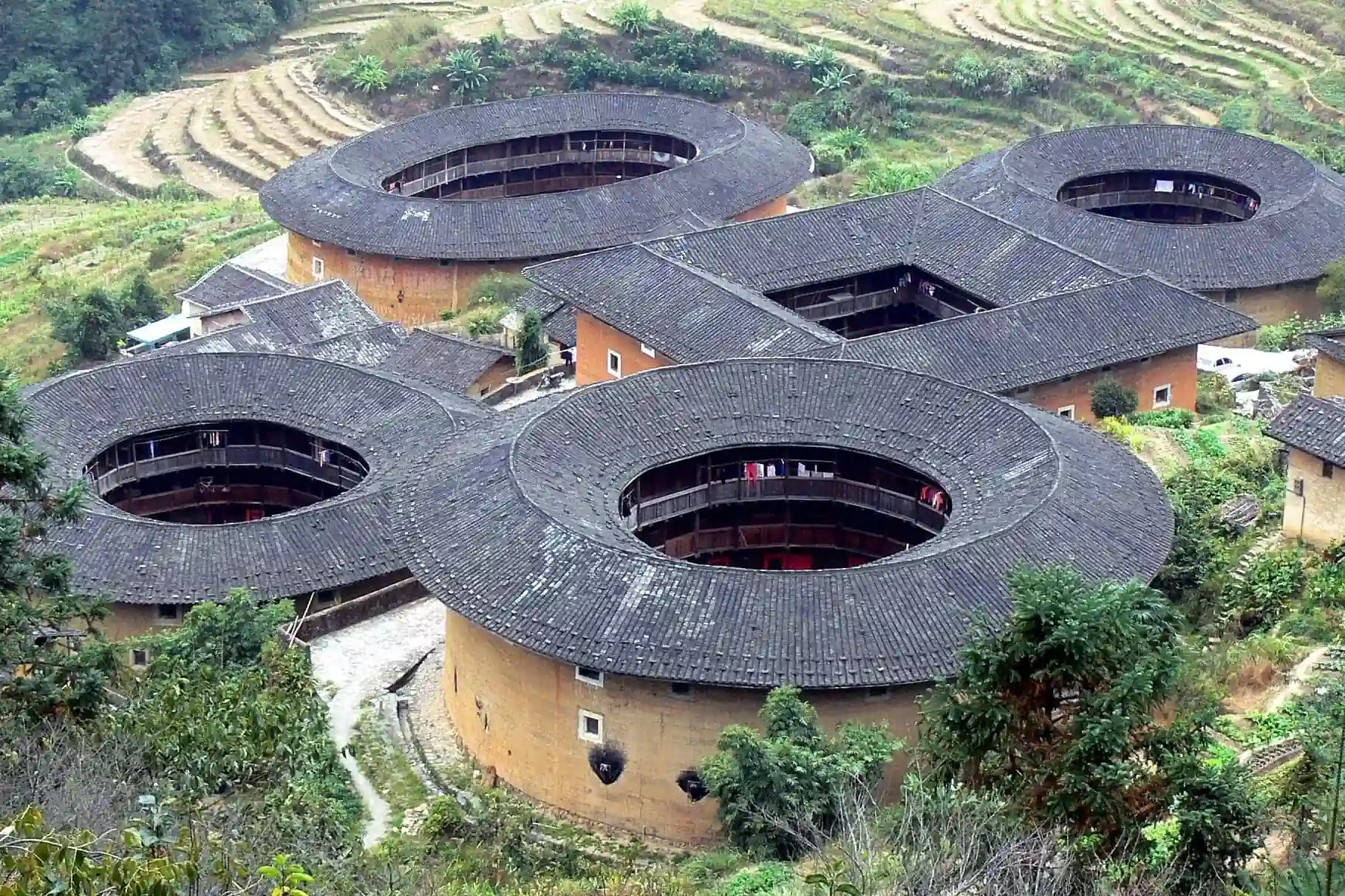
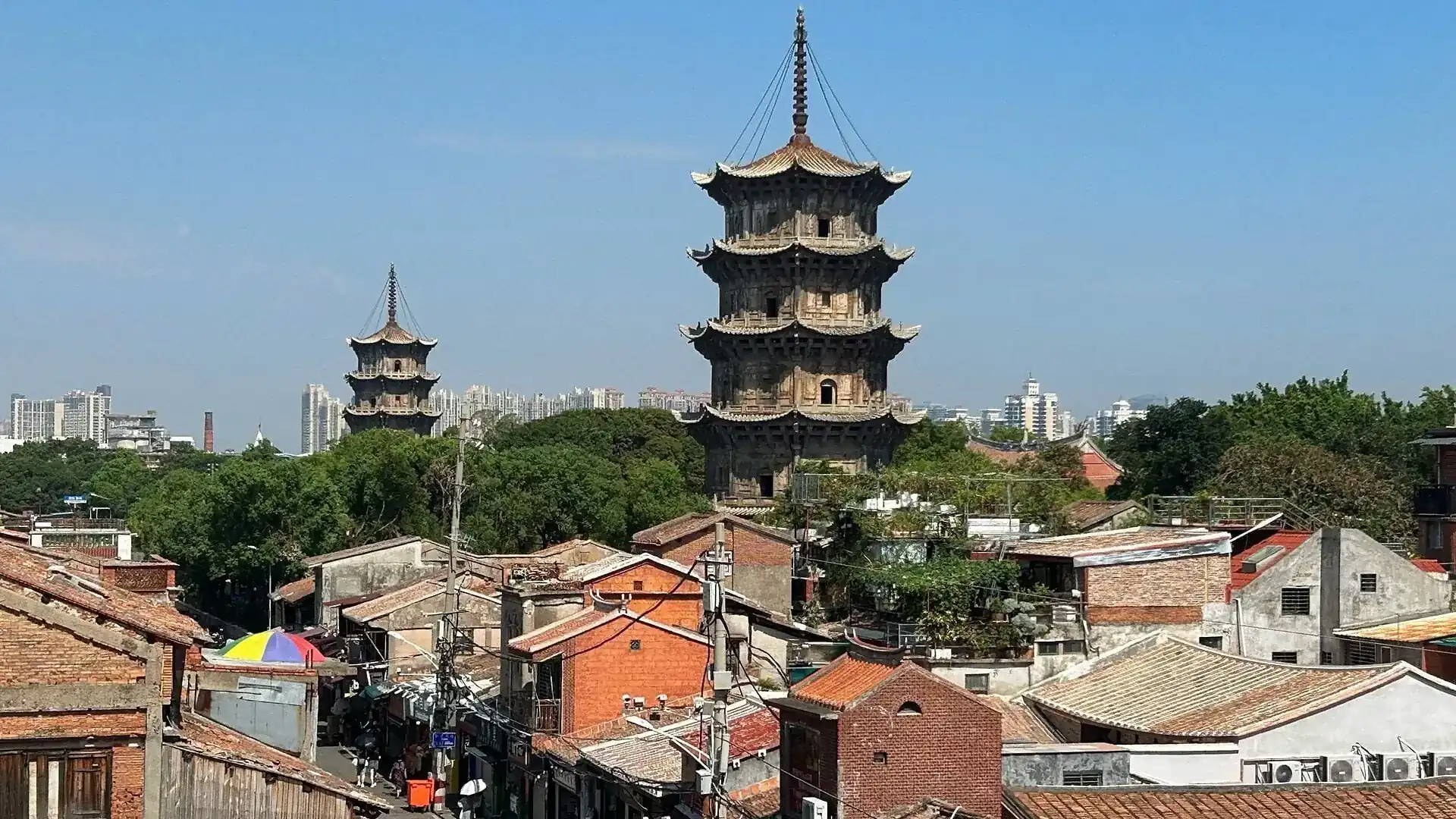
For Gulangyu — the car-free island with colonial architecture, piano museum, and beach, just a ferry ride from Xiamen. For the Tulou — the Hakka round houses, some 500+ years old, still inhabited today. For Quanzhou's Islamic and maritime Silk Road heritage.
Getting there
Xiamen Gaoqi Airport (XMN) has international flights. Fuzhou has its own airport. HSR from Shanghai: 4-5 hours to Xiamen.
Getting around
Xiamen has a metro and buses. Gulangyu is a 10-minute ferry from Xiamen. For Tulou, take a tourist bus from Xiamen (2-3 hours) or join a day tour.
Key cities
UNESCO sites
- Fujian Tulou(2,008)
Day by day
3 — Xiamen + Gulangyu
Day 1: Xiamen old town + Nanputuo Temple. Day 2: Gulangyu Island (full day). Day 3: Xiamen University + beach + Zhongshan Road.
5 — Xiamen + Tulou + Quanzhou
Day 1-2: Xiamen. Day 3: Tianluokeng Tulou cluster (UNESCO). Day 4-5: Quanzhou (Maritime Silk Road sites, Kaiyuan Temple).
Famous for
- Xiamen Gulangyu Island
- Fujian Tulou (earthen round houses)
- tea (Tieguanyin oolong)
- Mazu temples
FAQs
Is Gulangyu worth visiting?
Yes — it's one of China's most charming spots. Car-free, pedestrian-only, with 19th-century colonial architecture (British, French, American consulates), the Piano Museum (Xiamen was a piano manufacturing center), and lovely beaches. 1-2 days is ideal.
What are Tulou?
Hakka earthen round houses — some 500+ years old, 3-4 stories tall, housing entire clans of 200-300 people. The largest are 4-5 stories high with 60+ rooms. Tianluokeng and Yunshuiyao are the best clusters to visit.
How do I get from Xiamen to the Tulou?
Tourist bus from Xiamen to Tianluokeng Tulou: 2-3 hours. Or take a day tour. The Tianluokeng cluster is the most famous (4 round houses + 1 square).
What is Quanzhou famous for?
Quanzhou was the world's largest port in the Song/Yuan dynasties (UNESCO Maritime Silk Road site). Today: Kaiyuan Temple (Buddhist), Qingjing Mosque (one of China's oldest Islamic mosques), maritime museum, and the Mazu temple at Meizhou Island.
Is Xiamen a good beach destination?
Yes — Gulangyu Island has decent beaches, and the Xiamen International Beach is long and well-maintained. July-September is the swimming season (28-30°C water).
What is Tieguanyin tea?
A famous Fujian oolong tea grown in Anxi County. The name means "Iron Goddess of Mercy." It has a floral, almost orchid-like aroma and a smooth body. Tea ceremony experiences are available in Anxi and Quanzhou.