Quick answer
The Terracotta Warriors are a working archaeological site 35 km east of Xi'an: an army of 8,000+ life-size figures, buried around 210–209 BC to guard China's first emperor and unearthed in 1974 by farmers digging a well. Entry is ¥120 year-round and covers all three pits, the bronze-chariot hall, and the mausoleum grounds. Bus 306 or 914 from Xi'an Railway Station costs ¥7 and takes about 1 hour; the site itself needs 3–4 hours, plus roughly 1.5 hours each way from central Xi'an. If crowds matter to you, enter after 15:00 — coach groups start streaming out after 16:00, which is also the last admission.
Why this matters in 2026
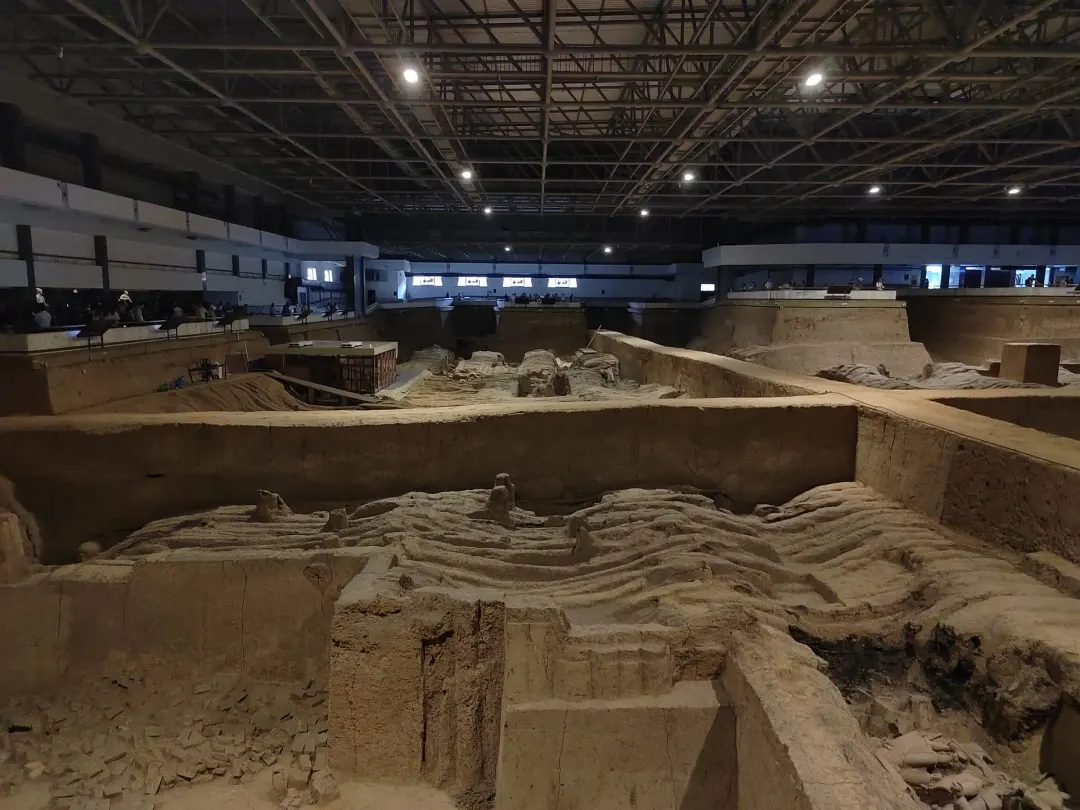
The on-site museum opened in 1979 and UNESCO inscribed the mausoleum complex in 1987, but the dig has never really stopped: Pit 2 still holds an active excavation, and the reassembly of broken figures continues at an average pace of about 1 figure per week. That changes how you should plan. This is not a building you walk through — it is three excavated vaults plus an exhibition hall spread over a large open-air campus, so the route you pick, the hour you arrive, and whether you carry any context all decide whether you see an army or a quarry of clay fragments. In 2026 the infrastructure is solid: English signage covers most of the complex, audio guides rent at the entrance, and tickets book through Trip.com or the official WeChat mini-programs.
Key facts at a glance
- Entry: ¥120 year-round — covers pits 1, 2 and 3, the exhibition hall with the bronze chariots, and the mausoleum grounds at Lishan Garden
- Hours: 8:30–17:00, last admission 16:00; closed Dec 30–Jan 1 for maintenance
- Time needed: 3–4 hours on site; 4–5 if you add Lishan Garden properly; about 1.5 hours each way from central Xi'an
- Getting there: bus 306 or 914 from Xi'an Railway Station (¥7, about 1 hour); or Metro Line 9 to Huaqing Pool plus bus 307
- Best window: enter after 15:00 — tour groups begin leaving after 16:00, leaving the last hour the quietest of the day
- Guides: audio guide ¥30; licensed guide ¥100–200
- Pairing: Huaqing Palace (¥120) sits on the same bus route, about 15 minutes further
Getting there from Xi'an
The cheapest way in is the green tourist bus: route 306 (signed 游5) or 914 leaves from Xi'an Railway Station, costs ¥7, and takes about 1 hour to the Terracotta Army stop. The rail option is Metro Line 9 to Huaqing Pool station, then bus 307 for the last stretch — the same line that connects Huaqing Palace to the pits, about 15 minutes apart. A DiDi or private car covers the distance in about 1 hour for ¥300–400, and guided day tours with hotel pickup run ¥400–600 with a guide included.
Because Huaqing Palace (华清宫) sits on the identical route, most visitors pair the two in one day: the Tang-dynasty hot-spring resort and the 1936 Xi'an Incident site in the morning, the pits after lunch or in the after-15:00 window. Huaqing Palace charges ¥120 on its own, sells a combo with Mount Li for ¥150, and stages the open-air night show "The Song of Everlasting Sorrow" (¥298–588 by seat, roughly April–October).
The 1974 discovery
In 1974, farmers drilling a well hit a clay head a couple of meters down — the first fragment of a buried army that archaeologists now estimate at 8,000+ figures. Construction had started in 246 BC, when the future first emperor took the throne of Qin, and ran for 38 years; the army was buried around 210–209 BC, near the emperor's death. Every figure was made individually — no two faces repeat — and each carried real bronze weapons, some of them still sharp after 2,200 years. The on-site museum opened in 1979, and the mausoleum complex joined the UNESCO World Heritage list in 1987, but new figures keep coming out of the ground, which is why parts of the pits still look like a dig rather than a display.
The three pits and the bronze chariots
Pit 1 is the headline: 230 m × 62 m, with about 6,000 figures and horses in battle formation under a reconstructed roof. View it from the front platform first, then walk the length of the gallery — the eastern end is still an active work area. Pit 3 is the smallest and was the command post: officers, a war chariot, and the room where the battle was directed. Pit 2 is the most varied — archers, cavalry, chariots — and holds the famous kneeling archer, the best-preserved figure in the army; its rear section is where you can watch archaeologists at work.
The sensible route is Pit 1 → Pit 3 → Pit 2: take the shock of the main formation first, follow the crowd flow to the small command pit, and finish with the variety pieces in Pit 2 before the bronze-chariot hall. The two bronze chariots, unearthed in 1980, sit in climate-controlled cases near the exit — half-size but fitted with gold and silver fittings, and the finest metalwork the site has produced. Two expectations to set: the figures were originally painted, and the pigment oxidizes within minutes of exposure, which is why almost everything on display is bare terracotta orange; and most standing figures are reassembled from fragments, with visible seams.
Lishan Garden and the mausoleum mound
Your ¥120 ticket also covers Lishan Garden (丽山园), the mausoleum grounds 1.5 km from the pits — connected by a short shuttle ride. The tomb itself has never been opened: ancient records describe rivers of mercury and booby-trapped chambers, and modern soil tests have indeed found abnormal mercury levels. What you see is the earthen mound itself — about 76 m tall, sealing the tomb for 2,200 years. It takes 1–2 hours to walk the grounds properly. If your legs are done after the pits, the mound from the shuttle window counts as seen; the pits are the reason you came.
Where to stay
Base in central Xi'an for two or three nights and day-trip out — there is almost no reason to sleep near the pits, and the city holds the food, the metro connections, and the evening sights (Bell Tower, Muslim Quarter, the City Wall at dusk). See the Xi'an city guide for neighborhoods and bookings; anything within walking distance of a Metro Line 9 connection or the Railway Station bus stops makes the morning departure painless.
Step-by-step walkthrough
1. Pick your transport the night before
Bus 306/914 (¥7, about 1 hour) is the budget default; Metro Line 9 plus bus 307 is the backup when the bus queue at the Railway Station looks long; DiDi (¥300–400) buys an hour of sleep.
2. Time the entry, not just the date
Last admission is 16:00 and closing is 17:00. Arriving at opening (8:30) beats the heat but not the groups; entering after 15:00 puts you inside as the coaches leave after 16:00. Weekdays beat weekends in any season.
3. Start at Pit 1
Go straight to the front viewing platform before the gallery fills, then walk the full length — the army reads differently in profile, and the eastern end shows the excavation in progress.
4. Follow with Pit 3, then Pit 2
Pit 3 takes 15–20 minutes and explains the command structure; Pit 2 delivers the kneeling archer up close and, in the active section, working archaeologists.
5. Save 30 minutes for the bronze chariots
The 1980 chariots are the finest objects on site — details on the harness and the umbrella stand repay the audio guide (¥30) more than anywhere else in the complex.
6. Close with Lishan Garden if your legs allow
Take the shuttle to the mound (1.5 km, about 76 m tall), walk the grounds for 1–2 hours, and leave for the city before the last buses pack out.
Common scenarios and use cases
1. The day-tripper
Bus 306 out by 8:00, pits 1→3→2 with an audio guide, bronze-chariot hall, optional Lishan Garden, back in Xi'an by early evening. Total cost lands at ¥300–800 per person including transport.
2. The history-focused visitor
Hire a licensed guide (¥100–200) or carry the audio guide the whole time: construction from 246 BC, the 38-year build, the weapons chromium story, the mercury readings. Add Lishan Garden without compromise.
3. The family with children
Pit 1's scale holds kids' attention on its own; trim the visit to 3 hours, keep Lishan Garden optional, and bring water — shade inside the vaults is limited and the walkways are long.
4. The photographer
Four frames matter: Pit 1 head-on from the front platform, the kneeling archer in Pit 2, the bronze chariots in their cases, and the working excavation. Photography is allowed everywhere except where signed; no flash.
Costs and pricing breakdown
- Entry: ¥120 year-round (pits 1–3, exhibition hall, Lishan Garden)
- Audio guide: ¥30
- Licensed guide: ¥100–200
- Bus 306/914: ¥7 each way
- DiDi / private car: ¥300–400, about 1 hour
- Guided day tour with pickup: ¥400–600
- Realistic day total: ¥300–800 per person from Xi'an, transport included
- Huaqing Palace add-on: ¥120 (or ¥150 with Mount Li; night show ¥298–588)
Pitfalls to avoid
- Unlicensed guides and "photographers": self-appointed helpers and costumed figures who demand ¥100+ for souvenir photos. Licensed guides work from the official desk; take your own photos.
- "Antique" souvenirs: gift-shop terracotta sold at inflated "ancient" prices. It is a replica of a replica — pay replica prices or skip.
- The "museum is closed" taxi line: a redirect scam aimed at hiring the driver's car for the day. It is not closed; walk to the ticket gate.
- Arriving after 16:00: last admission is 16:00, and the gate will not move. The after-15:00 entry is the compromise between empty pits and getting in at all.
- Viewing without context: without a guide or the ¥30 audio track, the pits are rows of clay men. Thirty yuan of narration is the cheapest upgrade in Xi'an.
Alternatives and trade-offs
- Bus + audio guide: the ¥14 round trip plus ¥30 narration — the independent traveler's default.
- Guided tour (¥400–600): transfers and interpretation bundled; worth it if planning time is zero, rigid if you want the after-15:00 window.
- Morning vs afternoon: opening (8:30) buys cooler air and softer light; after 15:00 buys emptying galleries. Midday belongs to the groups.
- Short on time: Pit 1 plus the bronze-chariot hall is a defensible 2-hour visit — you will miss the kneeling archer and the active dig.
Local context and customs
The Terracotta Army is a national symbol, and for many Chinese visitors it is a once-in-a-lifetime pilgrimage — expect heavy weekend and holiday crowds and plan weekdays. This is a working site: archaeologists conserving fragments, numbers reassembled at about 1 figure per week, techniques still being invented to hold pigment that dies within minutes of air. Treat the vaults accordingly — walkways one-way where marked, no touching, no flash. Food options around the entrance are functional rather than good; bring water, since shade inside the pits is scarce, and carry your passport, because tickets are issued against it.
Verifying current information
Hours, prices, and closures shift with seasons and maintenance. Confirm before you go:
- The museum's official site (bmy.com.cn) for hours and closure notices
- Trip.com attractions: https://www.trip.com/attractions
- The official WeChat mini-program for real-time ticket inventory
- Your hotel concierge for same-day crowd and bus conditions
- Reddit r/xian or r/China for recent visitor reports
Related itineraries and guides
- Xi'an city guide — bases, metro, and the evening sights
- 2-day Xi'an itinerary — city wall, museums, and this day trip slotted in
- 3-day Xi'an itinerary — the full city at a humane pace
- 4-day Beijing + Xi'an itinerary — the two-capital classic route
Putting it all together
Buy the ¥120 ticket online the night before, take bus 306 or 914 from the Railway Station (¥7, about 1 hour), and enter after 15:00 so the coach exodus after 16:00 works for you. Walk Pit 1 from the front platform, close the loop through Pit 3, finish Pit 2 and the 1980 bronze chariots, and spend your last hour either in the bronze-chariot hall or out at the Lishan Garden mound — the 76 m seal over a tomb no one has opened in 2,200 years. The army was found by a farmer's shovel in 1974; it rewards you in proportion to what you carry in, so rent the ¥30 audio guide and let 8,000 individuals become 8,000 people.
FAQ
How do I get from Xi'an to the Terracotta Warriors?
Bus 306 or 914 from Xi'an Railway Station — ¥7, about 1 hour. Metro Line 9 to Huaqing Pool plus bus 307 works as a backup. A DiDi or private car runs ¥300–400 for about 1 hour, and tours with hotel pickup cost ¥400–600.
How much does entry cost?
¥120 year-round. One ticket covers pits 1, 2 and 3, the exhibition hall with the bronze chariots, and the mausoleum grounds at Lishan Garden. Audio guide ¥30; licensed guide ¥100–200.
How long should I spend there?
3–4 hours on site for the three pits and the bronze-chariot hall; 4–5 if you walk Lishan Garden properly. Add about 1.5 hours each way from central Xi'an.
When is the best time of day to visit?
Enter after 15:00. Tour groups begin leaving after 16:00 (also the last admission), so the final hour is the quietest. Opening at 8:30 is the second-best window and the cooler one in summer.
Why are the warriors broken and reassembled?
The wooden roof beams burned and collapsed after the Qin fell, crushing the figures into thousands of fragments. Teams rebuild them like a 3D puzzle at roughly 1 figure per week, and new joins remain visible.
Can I see a real excavation?
Yes — Pit 2 has an active section where archaeologists work behind the walkways. Progress is deliberately slow because the pigment oxidizes within minutes of exposure to air.
Is Lishan Garden and the emperor's mound included in the ticket?
Yes — the ¥120 ticket covers the mausoleum grounds 1.5 km from the pits. The mound stands about 76 m tall, and the tomb beneath has never been opened; ancient records describe rivers of mercury.
Is the Terracotta Army worth visiting with children?
Yes — Pit 1's scale needs no translation. Keep the visit to about 3 hours, bring water (shade is limited), and treat Lishan Garden as optional depending on the kids' legs.