Xiamen · history museum
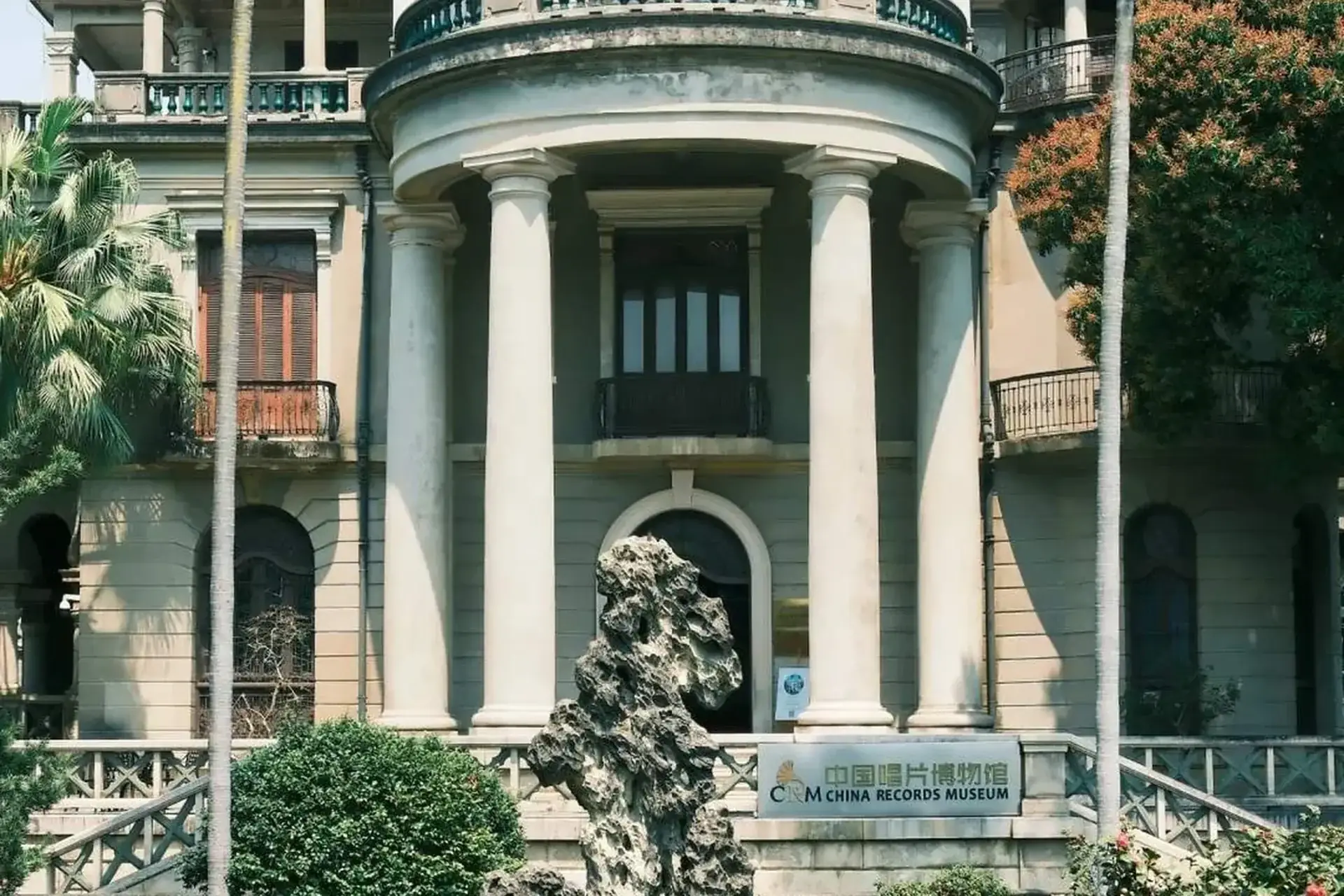
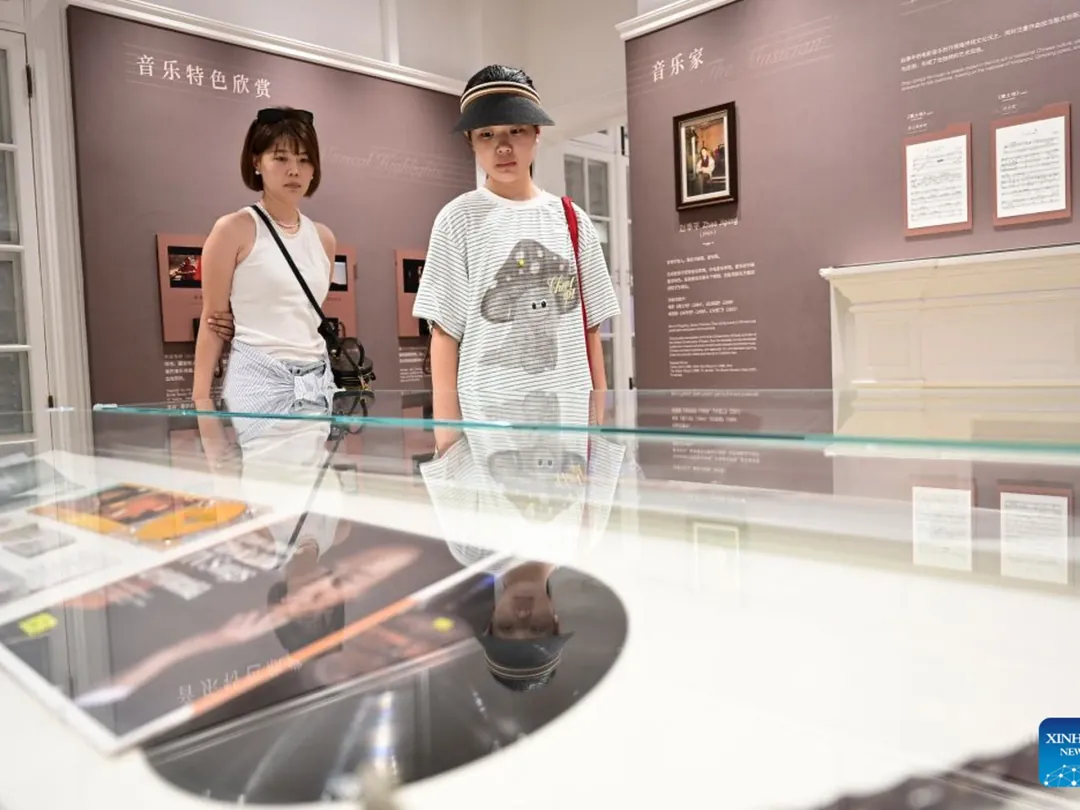
The Gulangyu Island Museum (鼓浪屿博物馆) is on Gulangyu Island (Gulangyu / 鼓浪屿), the UNESCO World Heritage island in Xiamen Bay that served as a foreign treaty port from 1902-1945. The island was designated an International Settlement with British, French, American, Dutch, and other foreign presence, and became famous as a "Piano Island" (琴岛) with one piano per 10 residents at its peak. The museum documents: (1) Gulangyu's colonial architectural heritage; (2) the piano culture and music history; (3) the missionary and foreign community history; (4) the island's role in Xiamen's maritime trade.
Last updated:

Quick Answer
Is Gulangyu Maritime Museum worth visiting?
Gulangyu Island's museum documenting the UNESCO-listed colonial island's 140-year history as a piano island and treaty port. Free (island entry ¥50-100 for non-residents).
| Category | history |
|---|---|
| Ticket | Island entry fee: ¥50-100 (non-Xiamen residents). Ferries depart from Xiamen's Dongdu (东渡) port. Museum entry itself is free. |
| Hours | The museum opens 8:00-18:00 (summer) and 8:30-17:30 (winter). Ferry schedule runs 7:00-21:00. Check current schedule. |
| Recommended duration | 2-3 hours on the island including the museum. |
| Best time to visit | October through March. Xiamen is warm year-round (15-28°C) with typhoon season (July-September). Spring (March-April) and autumn (October-November) are ideal. Avoid Chinese holidays when the island is extremely crowded. |
| How to get there | Ferry from Xiamen Dongdu Port (东渡码头) to Gulangyu Island (15 minutes, ¥35 including island entry). From Xiamen Railway Station by bus: 20 minutes to Dongdu Port. |
| English signage | partial |
Gulangyu Island is one of the most distinctive tourist experiences in China — a compact island where colonial-era European architecture, pianos in churches, and bicycle-free streets create an atmosphere unlike anywhere else in China. The museum provides essential context for understanding this unusual place.
Gulangyu earned the nickname "Piano Island" (琴岛) because at its colonial peak, the island had one piano per 10 residents — an extraordinary concentration for any city. This was due to the influence of the missionary and foreign community who established churches and music schools. The island has a Piano Museum and holds regular piano concerts. You can still hear piano music from churches and homes as you walk the island.
Yes — non-Xiamen residents pay ¥50-100 for the ferry ticket which includes island entry. Xiamen residents with local ID enter for free. The ferry ticket must be booked in advance during Chinese holidays — book via the "Xiamen Ferry" (厦门轮渡) WeChat mini-program.
Partial — major sites have English labels. The Shuzhuang Garden has English. The museum has limited English. Audio guides at the ferry terminal are available in English.
Yes — the last ferry back to Xiamen runs until 21:00. A half-day is sufficient for the main sites, but an overnight stay allows you to experience the island in the early morning and evening when the day-trippers have left.
Gulangyu Island
Car-free island with colonial architecture, piano museum, and seaside charm. Ferries from Xiamen. Best for a full day.
Gulangyu Island
A 1.88 km² car-free island 500 m off Xiamen's waterfront, with about 30 paid museums and piano heritage — plan at least 4 hours, ideally a full day, plus an overnight to dodge the day-tripper stampede.
Gulangyu Piano Museum
World's largest public piano collection on car-free Gulangyu Island. Antique pianos from the 18th–20th century. ¥20 entry.
Huandao Road (Island Ring Road)
43 km coastal scenic road around Xiamen Island. Best explored by bicycle. Free. Beaches, palm trees, and sea views.
Nanputuo Temple
Buddhist temple at the foot of Wulao Peak, Xiamen. Free entry. Vegetarian restaurant on site. One of China's most active monasteries.
Xiamen University
China's most beautiful university campuses. Colonial-era architecture, lakes, and palm-lined avenues. Free to walk through.
Zengcuoan Ancient Village
Former fishing village turned tourist food street. Narrow lanes, local snacks, and budget hostels. Free to walk through.