This page is archived and no longer updated — see the current guide: See the current guide
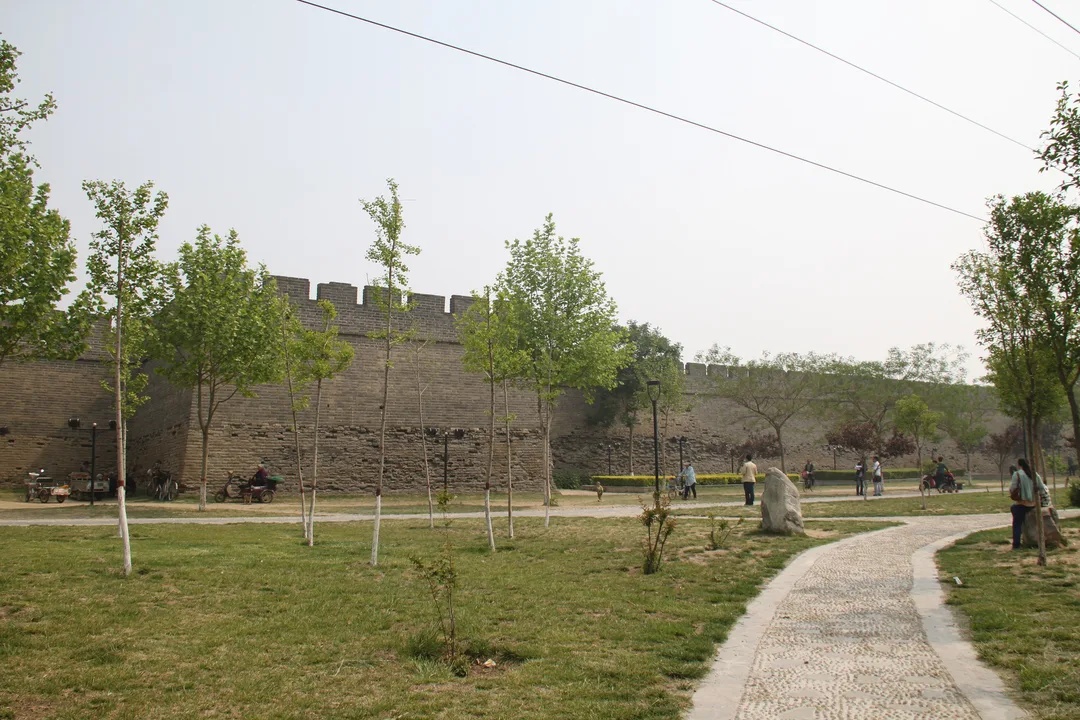
Kaifeng City Wall开封城墙
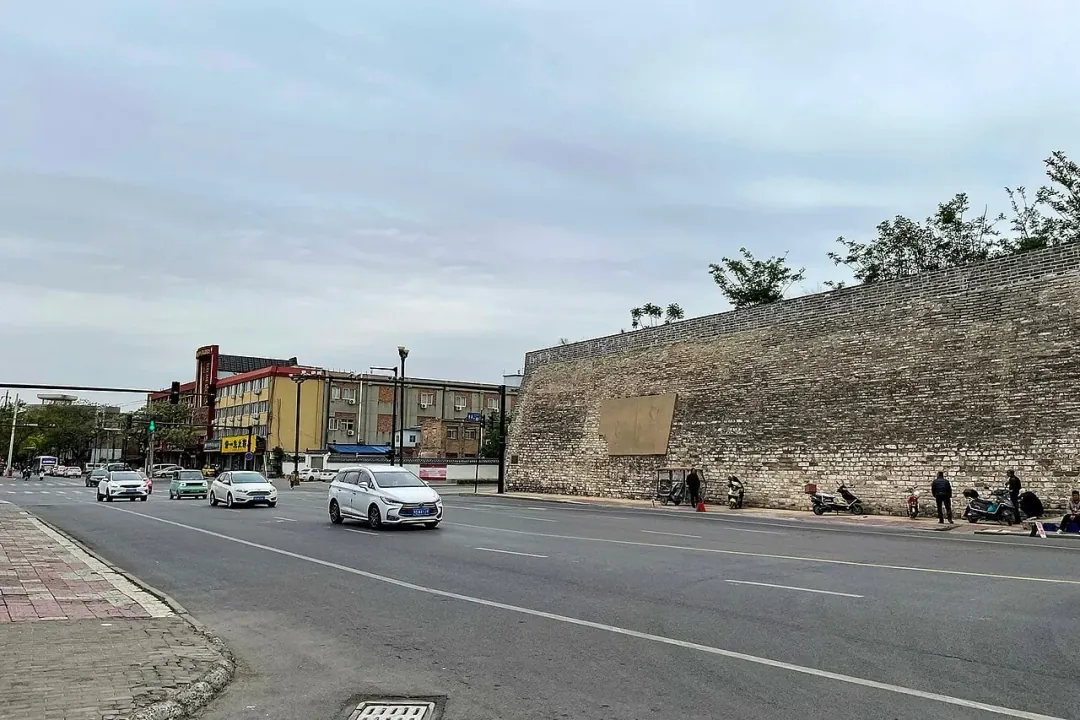
Kaifeng's wall was first raised in the Tang dynasty, and what stands today is largely Qing-era masonry — but beneath it lie walls stacked from the Tang, Five Dynasties, Song, Jin, Yuan and Ming periods, a true "city upon city." The wall runs 14 km in all and is important physical evidence for the study of ancient Chinese city walls.
Kaifeng · Visitor Guide2026-10-19
Quick Answer
Is Kaifeng City Wall worth visiting?
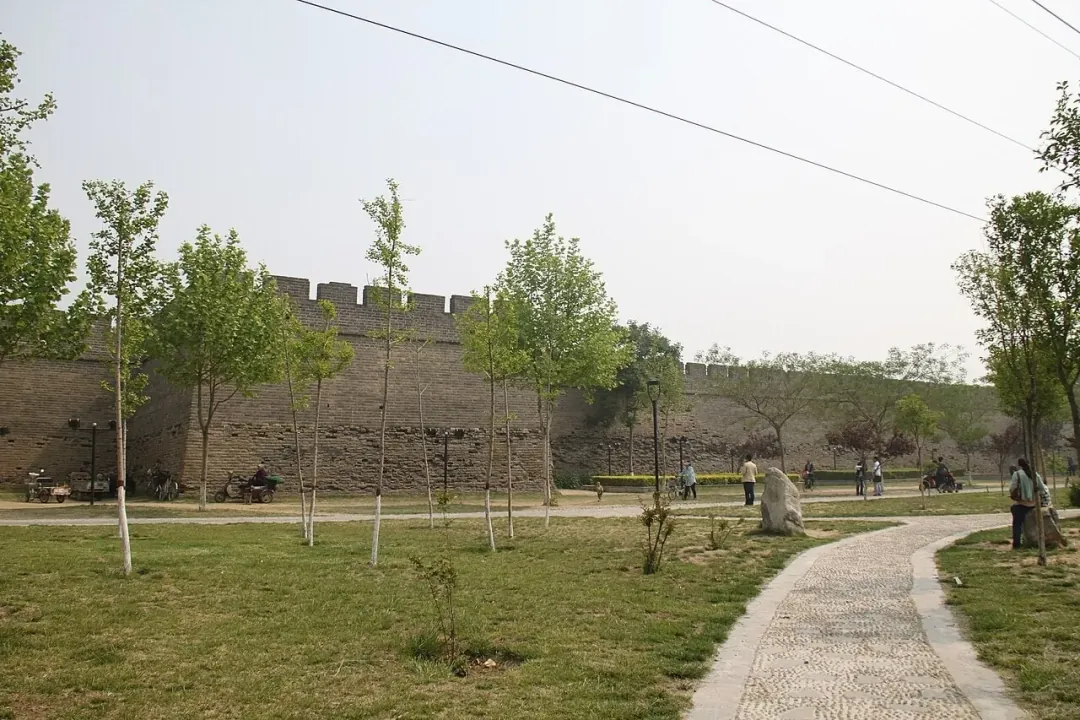
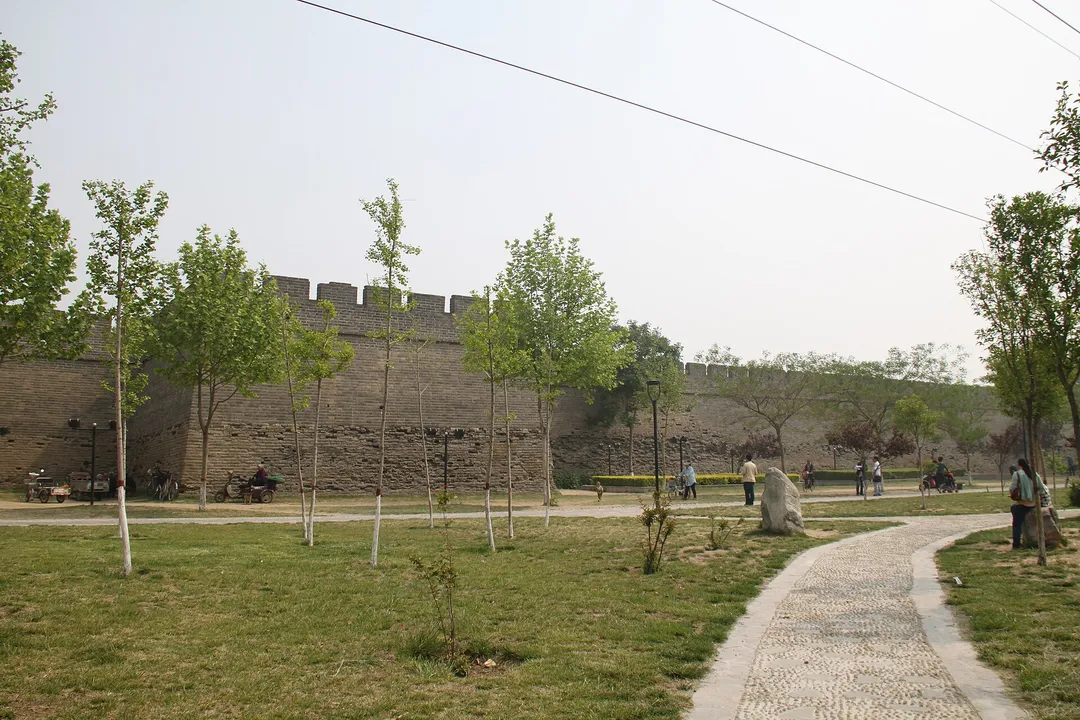
One of China's best-preserved ancient city walls, running 14 km; the southeastern section is open for walks along the top.
Quick facts
| Ticket | Southern wall section (Dananmen gate to Xiaonanmen gate) CNY 30 |
|---|---|
| Hours | 08:00-18:00 (some sections may vary) |
| Recommended duration | 1-2 hours (walking or cycling) |
| Best time to visit | Year-round; autumn's clear, crisp days are best |
| How to get there | For the southern wall section, take a bus to the Xiaonanmen or Dananmen stops |
| English signage | Partial |
| Wheelchair accessible | Partial |
| Standing wall | Qing-era remains (stacked over earlier dynasties' walls) |
| Perimeter | About 14 km |
| Height | About 10 m |
| First built | Tang dynasty (around 618 AD) |
| Walkable section | About 2 km of the southern wall |
| Gates | Dananmen, Xiaonanmen and others |
What to expect
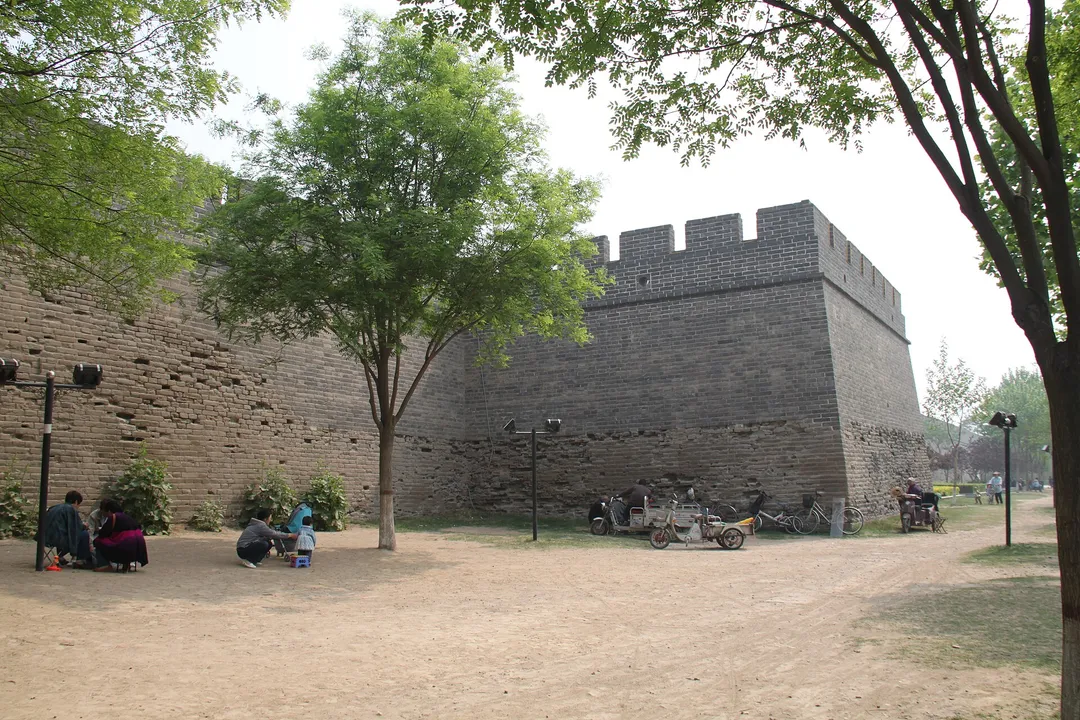
Kaifeng's city wall is among the best preserved in China. What you see is Qing-era construction, but its real uniqueness lies underneath: walls of the Tang, Five Dynasties, Song, Jin, Yuan and Ming stacked layer upon layer in the same spot — the celebrated "city upon city" phenomenon.
The wall originally had many gates. Dananmen (Nanxun Gate) survives from the Northern Song and is the most intact Song-era city gate in existence. The wall itself is rammed earth faced with grey brick, with a walkway along the top.
Since 2007 the southern section, from Dananmen to Xiaonanmen, has been open to the public. You can climb up and walk the parapet — or rent a bicycle and ride it — with views over the old city below.
How to get there
For the southern section, take a bus to the Dananmen or Xiaonanmen stop and climb up on foot; a pedicab from the Bagong Lake area also works. Start at Dananmen and walk east toward Xiaonanmen.
Best photo spots
- The gate tower panorama at Dananmen
- Views over the old city from the wall top
- The "city upon city" excavation exhibit hall
- The wall lit up at night
- The wall against the old-town rooftops
Tips
- Climb in the afternoon for the best light and a chance at sunset
- Bikes can be rented on the wall for a riding tour
- Watch your footing when wet; some stretches close in rain
- Pairs well with nearby Dragon Pavilion Park and Millennium City Park
Scams to avoid
- No notable scam risk — a properly run sight
Frequently asked questions
Which part of the wall can I climb?
The southern section between Dananmen and Xiaonanmen is open, about 2 km in all; the other stretches remain closed for now.
What does "city upon city" mean?
Repeated Yellow River floods buried each era's city in silt, so successive walls were rebuilt stacked on the same spot — six layers of wall, one atop another. It is an archaeological spectacle unique to Kaifeng.
How long does a visit take?
About an hour to walk the full open section, or 30 minutes by bike.
Read next
Other things to do in Kaifeng
Bao Zheng Temple
Memorial temple to Song-dynasty judge Bao Zheng in Kaifeng, first built in the Jin dynasty 800 years ago and rebuilt in 1984; entry 30 yuan, students 15 yuan, open 8:00-18:00.
Fan Pagoda
Kaifeng's oldest surviving building, begun in 976 — a hexagonal six-story brick pagoda about 36 m tall and a treasure of Song architecture. Grounds free; the relics office charges CNY 10.
Kaifeng Prefecture
Rebuilt in 2003 as a replica of the Northern Song's chief prefecture in Kaifeng, covering about 2.6 hectares; entry 65 yuan, students 35 yuan, open 08:00-18:30.
Longting Park
Qing-dynasty imperial garden on the site of the Northern Song palace in Kaifeng, its 30-metre hall of 1692 rising above 72 steps; entry 50 yuan, students 25 yuan, open 7:00-19:00.
Yanqing Temple
One of the three ancestral Quanzhen Taoist temples, founded around 1242 in Kaifeng; entry 30 yuan, students 15 yuan, open 08:00-18:00, its halls blending Taoist and Mongolian yurt styles.