This page is archived and no longer updated — see the current guide: See the current guide
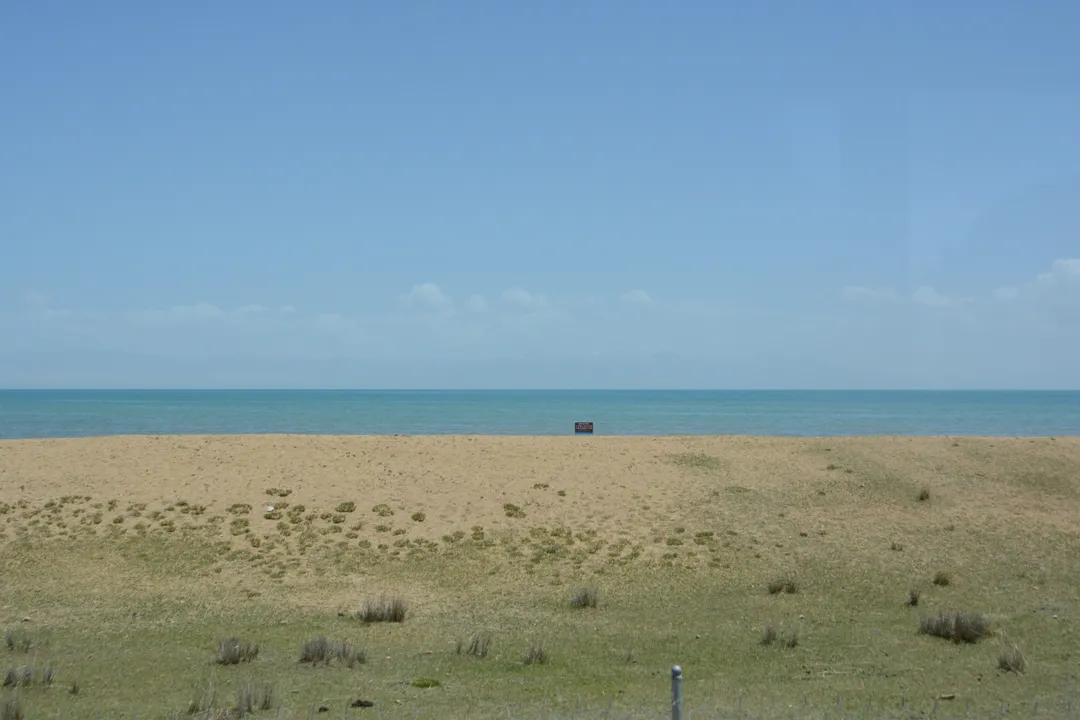
Qinghai Lake青海湖
Qinghai Lake, in Hainan Tibetan Autonomous Prefecture, Qinghai, is China's largest lake and its largest saltwater lake. Its surface sits 3260 m above sea level and covers 4583 sq km, deep blue water set against golden rapeseed fields and distant snowcapped peaks. A national nature reserve, it shelters bar-headed geese, brown-headed gulls and other rare birds, and is a sacred lake in Tibetan culture.
Xining · Visitor Guide2026-10-27
Quick Answer
Is Qinghai Lake worth visiting?
China's largest saltwater lake, its surface 3260 m above sea level, ringed by spectacular rapeseed fields in summer. A protected ecological sanctuary.
Quick facts
| Ticket | Each scenic area sells its own admission, roughly CNY 30-100 |
|---|---|
| Hours | Open 24 hours |
| Recommended duration | Allow 2-3 days |
| Best time to visit | May-Oct; July-August is best, when the rapeseed fields are in full bloom |
| How to get there | Intercity buses run from Xining to the Erlangjian scenic area on the lake; by car follow G109 or the lake-circling road |
| English signage | Yes |
| Wheelchair accessible | Partial |
| Lake surface elevation | 3260 m |
| Surface area | 4583 sq km |
| Maximum depth | 32.8 m |
| Type | Saltwater lake |
| Status | China's largest lake and largest saltwater lake |
| Highlights | Rapeseed-flower fields and a migratory-bird haven |
What to expect
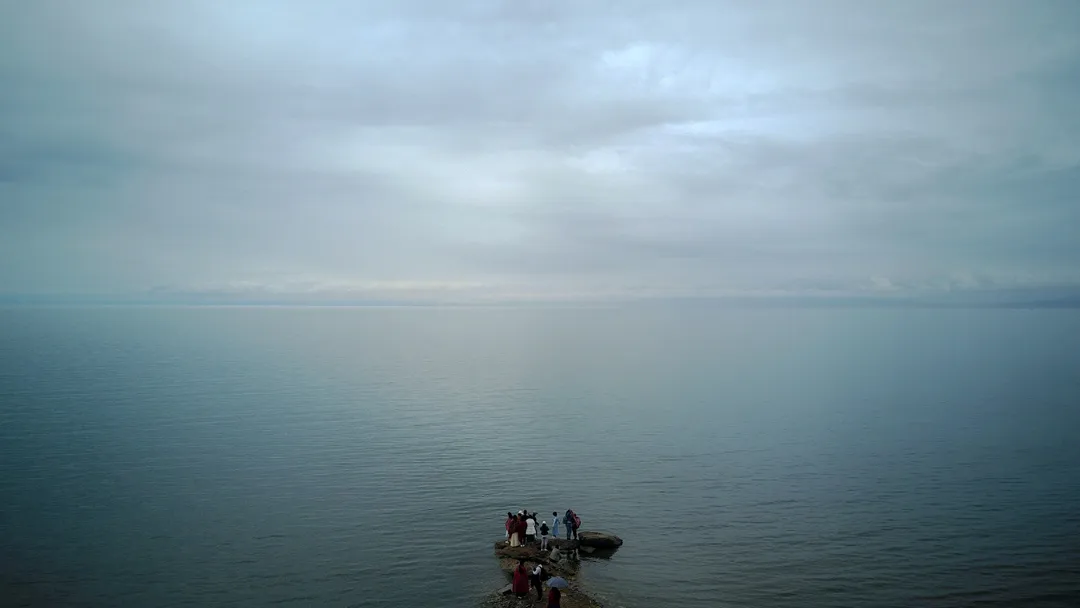
Known in ancient times as the West Sea, and as Tso Ngonpo — "the blue sea" — in Tibetan, Qinghai Lake is remarkably clear, its water shading through layers of blue as the light shifts. Vast grasslands stretch along the shore, and every July and August the rapeseed fields burst into bloom, gold against blue: the lake's most classic picture.
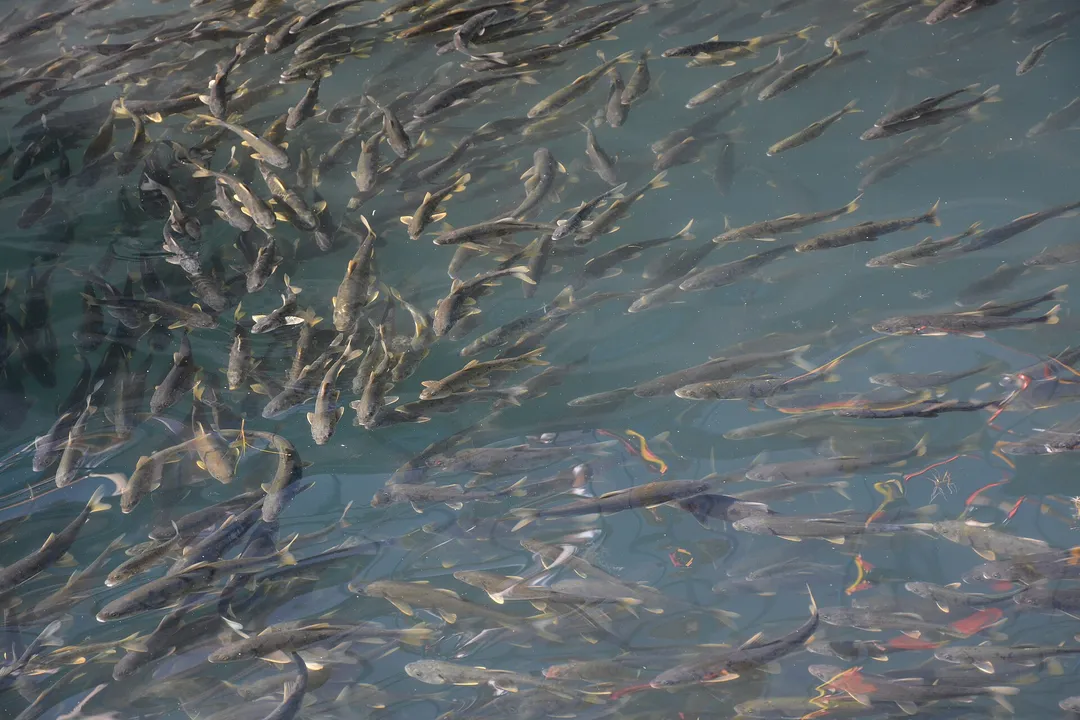
The lake is a national nature reserve and a crucial habitat for rare birds such as bar-headed geese, brown-headed gulls and Pallas's gulls. Each spring tens of thousands of migratory birds descend on Bird Island to breed — a spectacular sight. The water is also rich in naked carp (huangyu), a key ecological resource.
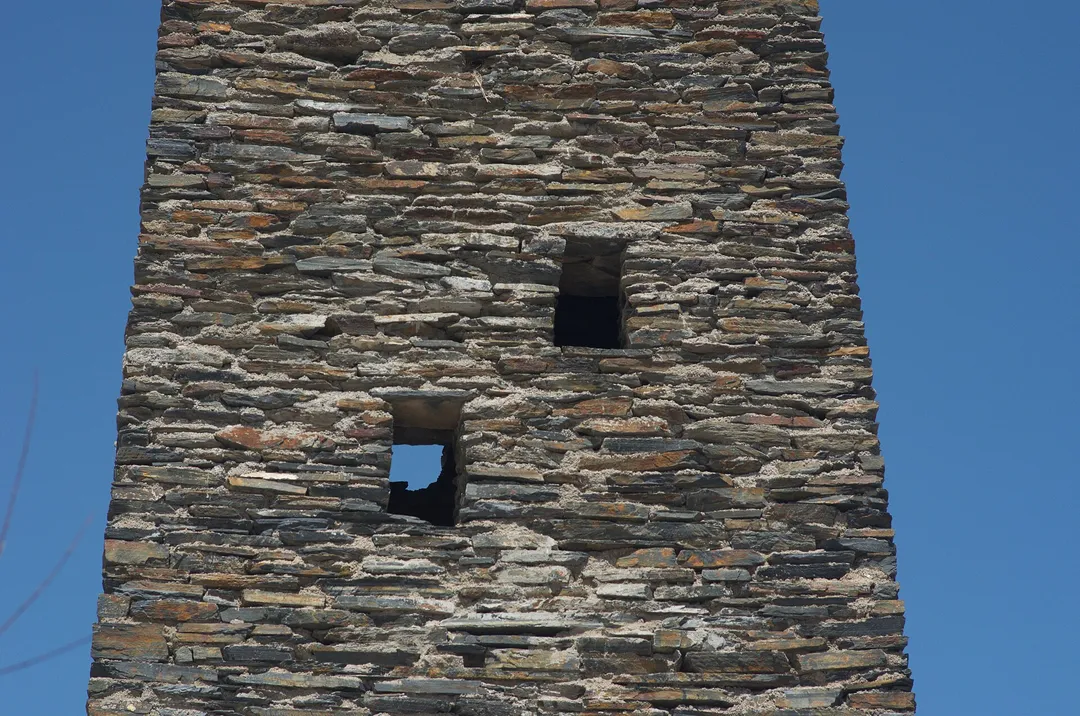
The full loop around the lake runs about 360 km, with sights all the way: Erlangjian is the classic lakeshore scenic area, Sand Island shows desert scenery, Bird Island is a pilgrimage site for birders, and the Daotang River and Princess Wencheng Temple carry deep historical weight. Tibetan herders along the shore are warm hosts — don't leave without trying the yogurt, butter tea and hand-grabbed mutton.
How to get there
Buses leave Xining's passenger transport center for Erlangjian on the lake (about 2.5 hours); driving the full loop around the lake takes 2-3 days.
Best photo spots
- The lakeshore at Erlangjian scenic area
- Rapeseed fields along the west lake road
- Sunset over Sand Island
- Birdwatching on Bird Island
Tips
- Self-driving the loop is the best way to see the lake; plan 2-3 days
- July-August is high season — book rooms well ahead and expect higher prices
- UV at this elevation is intense; sun protection is essential
- Respect local Tibetan customs and never leave trash by the lakeshore
Scams to avoid
- No significant scam risks in the area
Frequently asked questions
Are Qinghai Lake and Chaka Salt Lake the same place?
No. Qinghai Lake is in Hainan Prefecture while Chaka Salt Lake is in Haixi Prefecture, about 150 km apart.
Is one day enough?
Not really — plan 2-3 days to loop the lake and do it justice.
What is the best season to visit?
July and August bring the rapeseed blooms at their finest (and the biggest crowds); May-June and September-October are quieter and still beautiful.
Read next
Other things to do in Xining
Dongguan Mosque
A free-entry mosque founded in 1380 on Xining's Dongguan Street, whose prayer hall and courtyards fill with up to 30,000 worshippers for Friday jumu'ah — Chinese-Islamic green dome, Arabic calli.
Kumbum Monastery
One of the six great Gelug (Yellow Hat) monasteries of Tibetan Buddhism. Birthplace of Tsongkhapa. Famous butter sculptures. 14th century. ¥80. Half-day from Xining.
Mount Yunji
A natural oxygen bar on Xining's northern edge at about 2,400 m, with forest cover above 70%. Free and open all day; buses 3/4/7 to Beishan Market, then a 2-3 hour climb.
Qinghai Provincial Museum
The Qinghai Provincial Museum is the province's largest general museum, holding more than 100,000 artifacts that trace its diverse history and cultures.
Yushu Grassland
The heart of the Three-River-Source region, averaging 4,000 m — source of the Yangtze, Yellow and Lancang rivers. Free to enter; July's horse-racing festival is the liveliest. Allow 3-5 days.