This page is archived and no longer updated — see the current guide: See the current guide
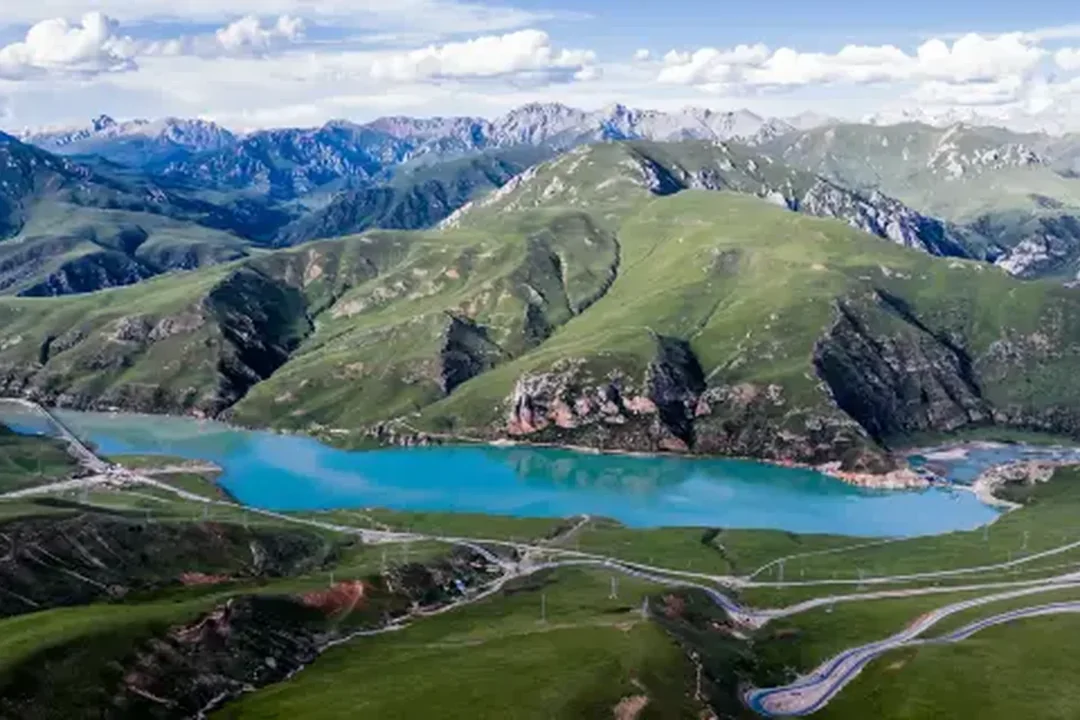
Yushu Grassland玉树草原
The Yushu grasslands, in Yushu Tibetan Autonomous Prefecture, Qinghai, form the core of the Sanjiangyuan (Three-River-Source) nature reserve. Averaging above 4,000 m, this classic alpine meadow country is where the Yangtze, Yellow and Lancang rivers begin. Luxuriant grass, herds of yaks and Tibetan sheep, and Khampa herders who still live a nomadic life define the landscape; the tidy new town rebuilt after the 2010 earthquake adds a fresh landmark to the steppe.
Xining · Visitor Guide2026-10-19
Quick Answer
Is Yushu Grassland worth visiting?
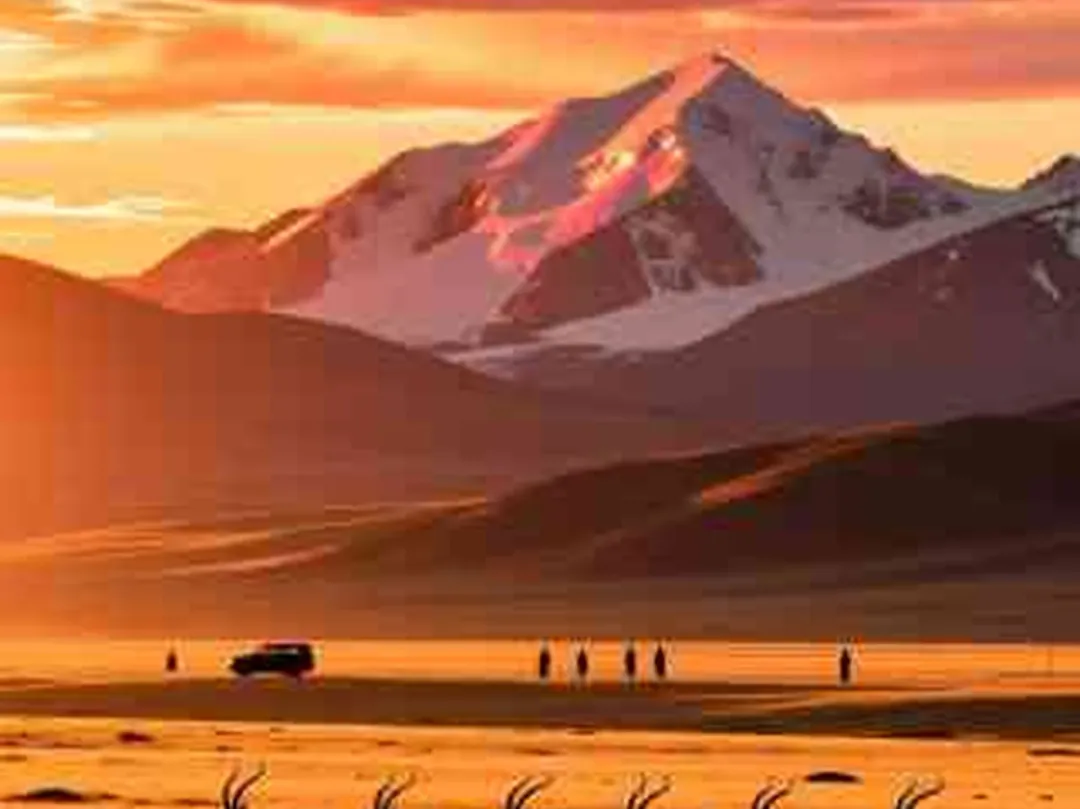
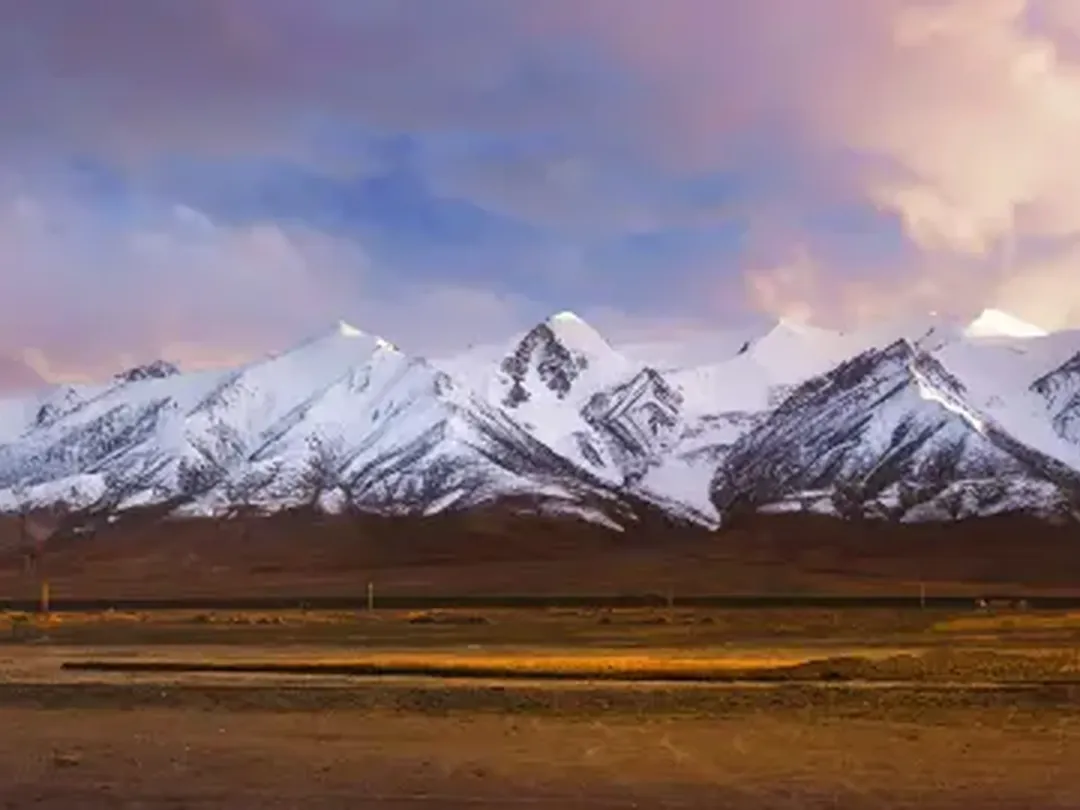
The heart of the Three-River-Source region, averaging 4,000 m — source of the Yangtze, Yellow and Lancang rivers. Free to enter; July's horse-racing festival is the liveliest. Allow 3-5 days.
Quick facts
| Ticket | Free across the grasslands; separate tickets for sights such as the Tongtian River and Princess Wencheng Temple |
|---|---|
| Hours | Open 24 hours |
| Recommended duration | 3-5 days |
| Best time to visit | June-September; July's horse-racing festival is the liveliest |
| How to get there | Fly to Yushu Batang Airport, or take a long-distance coach from Xining (about 12 hours) |
| English signage | Partial |
| Wheelchair accessible | Partial |
| Elevation | Over 4,000 m |
| Status | Core of the Three-River-Source region |
| River sources | Yangtze, Yellow, Lancang (Mekong) |
| Main people | Khampa Tibetans |
| Festival | Yushu Horse-Racing Festival in July |
| Highlights | Nomadic culture, Khampa Tibetan life |
What to expect
The Yushu grasslands preserve one of the most intact grassland ecosystems on the Qinghai-Tibet Plateau and form the core of the Sanjiangyuan nature reserve. Sanjiangyuan — the 'Three-River Source' — is where the Yangtze, Yellow and Lancang rivers all begin, and Yushu's grasslands are precisely that birthplace, giving them outsized ecological importance. Vast and rich in pasture, they have been home to Tibetan herders for generations.
Yushu's Tibetans are Khampa, famed for their bold spirit and magnificent dress. Khampa men are tall, sturdy and free-spirited; the women are strikingly beautiful in elaborate finery. Herders here still keep a traditional nomadic life, living in tents woven of yak hair and moving with their animals from pasture to pasture.
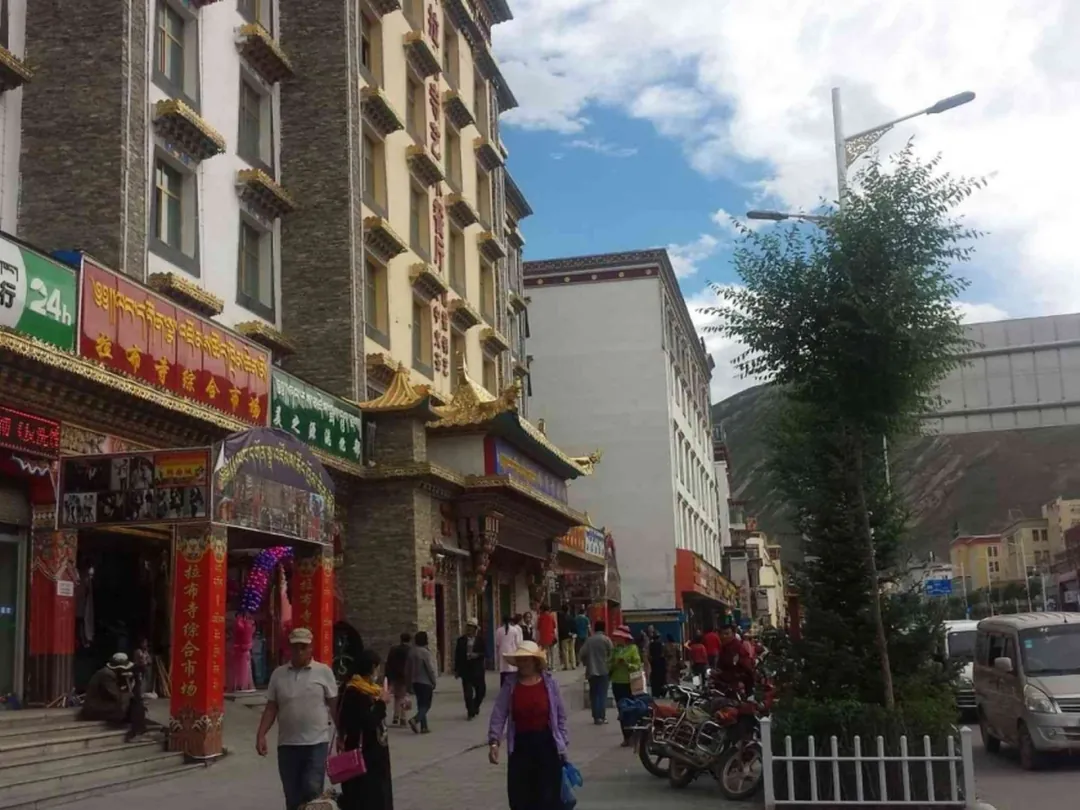
The Yushu Horse-Racing Festival runs from July 25 to August 1 each year, the grandest ethnic festival in Qinghai. Horse races, Tibetan wrestling, archery and song-and-dance performances fill the program, with Tibetans from across the province arriving in full festival dress. The rebuilt town of Jiegu, rising after the 2010 earthquake, now stands as a modern new city on the grassland.
How to get there
Fly to Yushu Batang Airport (daily flights from Xining), or take a long-distance coach from Xining — around 12 hours on the road.
Best photo spots
- Grassland panoramas
- Tibetan tents and yak herds
- The July horse-racing festival
- Views over the new town of Jiegu
Tips
- The altitude is extreme (above 4,000 m) — rest thoroughly on arrival to acclimatize
- Rooms are scarce during the July festival; book 2-3 months ahead
- Respect Tibetan custom — circle tents clockwise and receive khata scarves with both hands
- UV is fierce on the grassland; sun protection is a must
Scams to avoid
- No notable scam risks
Frequently asked questions
Yushu grasslands or Qinghai Lake — which is more worth it?
They are different experiences: Qinghai Lake is all lake scenery, while Yushu is high-plateau grassland and nomadic culture. Yushu sits higher, so acclimatize at Qinghai Lake first.
What should I know during the July horse festival?
Book lodging and transport well ahead — crowds are huge and rooms are nearly impossible to find during the festival.
How bad is altitude sickness?
At over 4,000 m it is very common. Spend a few days acclimatizing in Xining before heading on.
Read next
Other things to do in Xining
Dongguan Mosque
A free-entry mosque founded in 1380 on Xining's Dongguan Street, whose prayer hall and courtyards fill with up to 30,000 worshippers for Friday jumu'ah — Chinese-Islamic green dome, Arabic calli.
Kumbum Monastery
One of the six great Gelug (Yellow Hat) monasteries of Tibetan Buddhism. Birthplace of Tsongkhapa. Famous butter sculptures. 14th century. ¥80. Half-day from Xining.
Mount Yunji
A natural oxygen bar on Xining's northern edge at about 2,400 m, with forest cover above 70%. Free and open all day; buses 3/4/7 to Beishan Market, then a 2-3 hour climb.
Qinghai Lake
China's largest saltwater lake, its surface 3260 m above sea level, ringed by spectacular rapeseed fields in summer. A protected ecological sanctuary.
Qinghai Provincial Museum
The Qinghai Provincial Museum is the province's largest general museum, holding more than 100,000 artifacts that trace its diverse history and cultures.