This page is archived and no longer updated — see the current guide: See the current guide
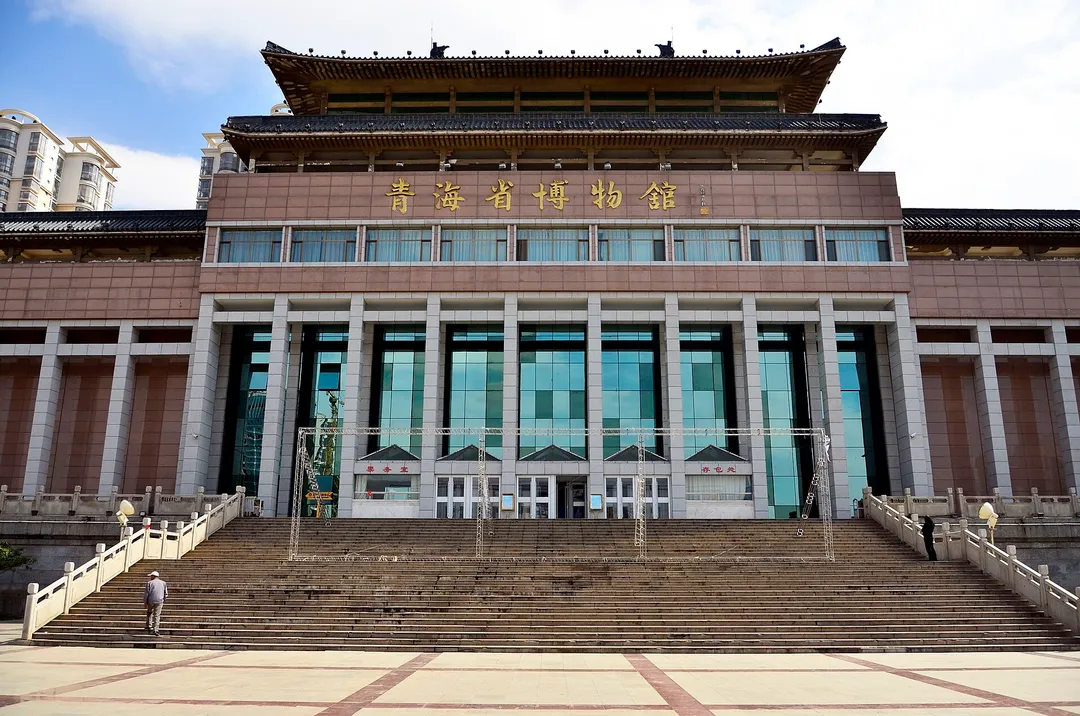
Qinghai Provincial Museum青海省博物馆
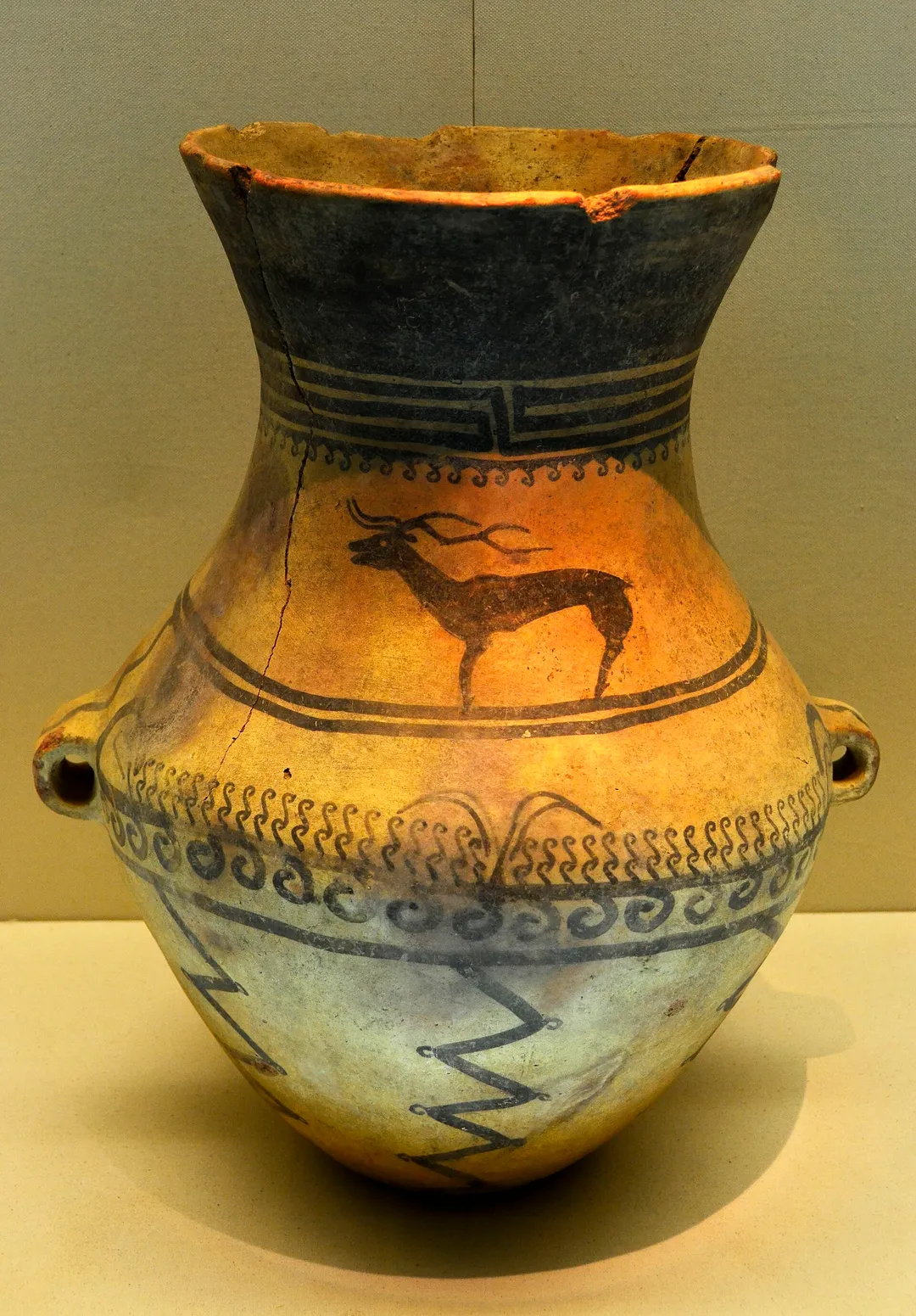
Founded in 1959, the Qinghai Provincial Museum is the province's largest comprehensive museum, with a collection of more than 100,000 objects spanning prehistory to the modern era. Painted pottery, paleontological fossils, Buddhist sculpture and ethnic-minority artifacts are its greatest strengths. Its two permanent exhibitions — Qinghai historical relics and Qinghai ethnic cultures — are the most authoritative window on the province's past.
Xining · Visitor Guide2026-10-19
Quick Answer
Is Qinghai Provincial Museum worth visiting?
The Qinghai Provincial Museum is the province's largest general museum, holding more than 100,000 artifacts that trace its diverse history and cultures.
Quick facts
| Ticket | Free admission (ticket collected with ID at entry) |
|---|---|
| Hours | 09:00-17:00 (last entry 16:00); closed Mondays |
| Recommended duration | 2-3 hours |
| Best time to visit | Any time of year |
| How to get there | Metro Line 1 to Xinning Square Station; buses 1, 5, 7, 12, 13, 20 or 25 to the Provincial Museum stop |
| English signage | Yes |
| Wheelchair accessible | Yes |
| Founded | 1959 |
| Collection | Over 100,000 objects |
| Exhibition space | 12,000 sq m |
| Highlights | Painted pottery, fossils, Buddhist sculpture |
| Grade | National first-class museum |
| Permanent shows | Qinghai history; Qinghai ethnic cultures |
What to expect
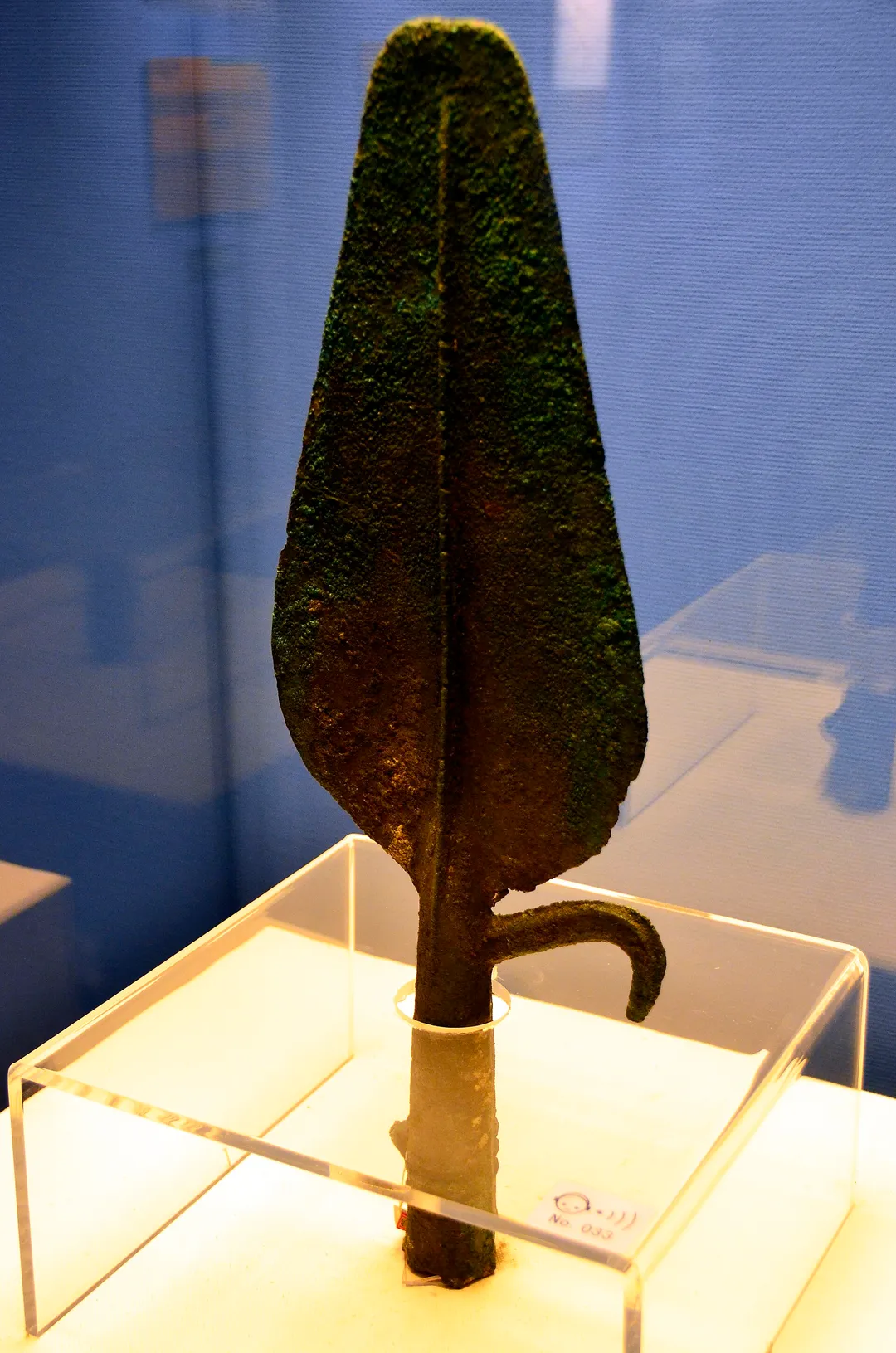
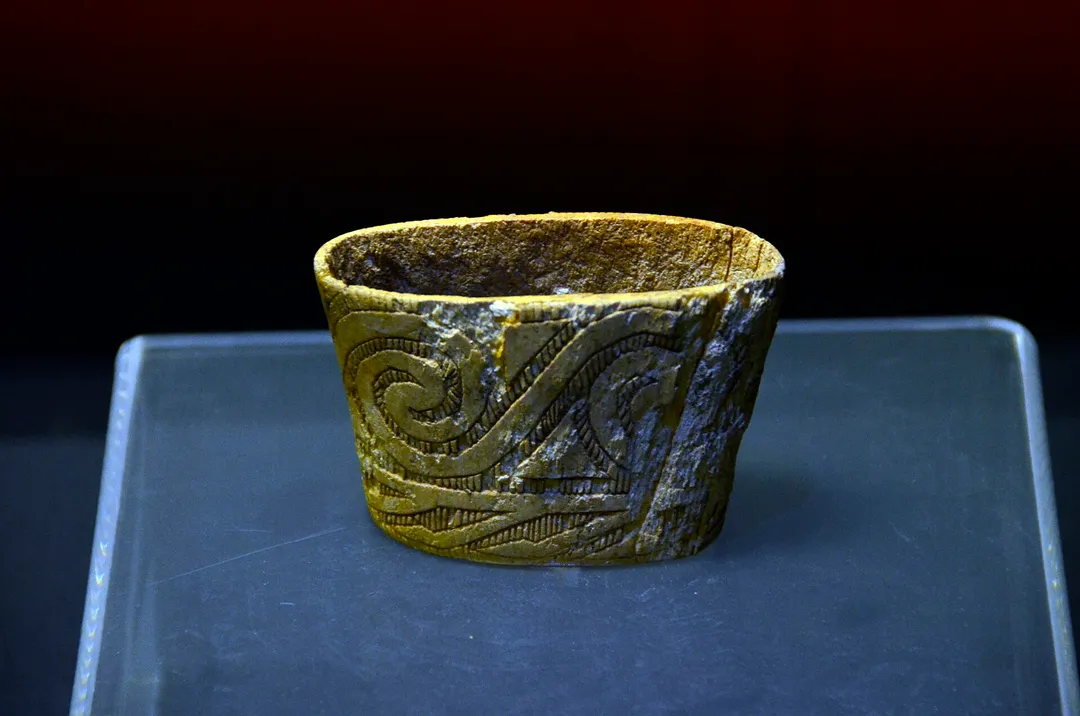
The Qinghai Provincial Museum is the most authoritative place to make sense of the province's history and cultures. Its permanent Qinghai historical relics exhibition runs on a timeline from the Paleolithic to the modern era, organized into sections on ancient civilizations, the Bronze Age, the Silk Road and the ancient Tang-Tibet route. Unearthed pieces include painted pottery jars, bronzes, jades and gold and silver wares.
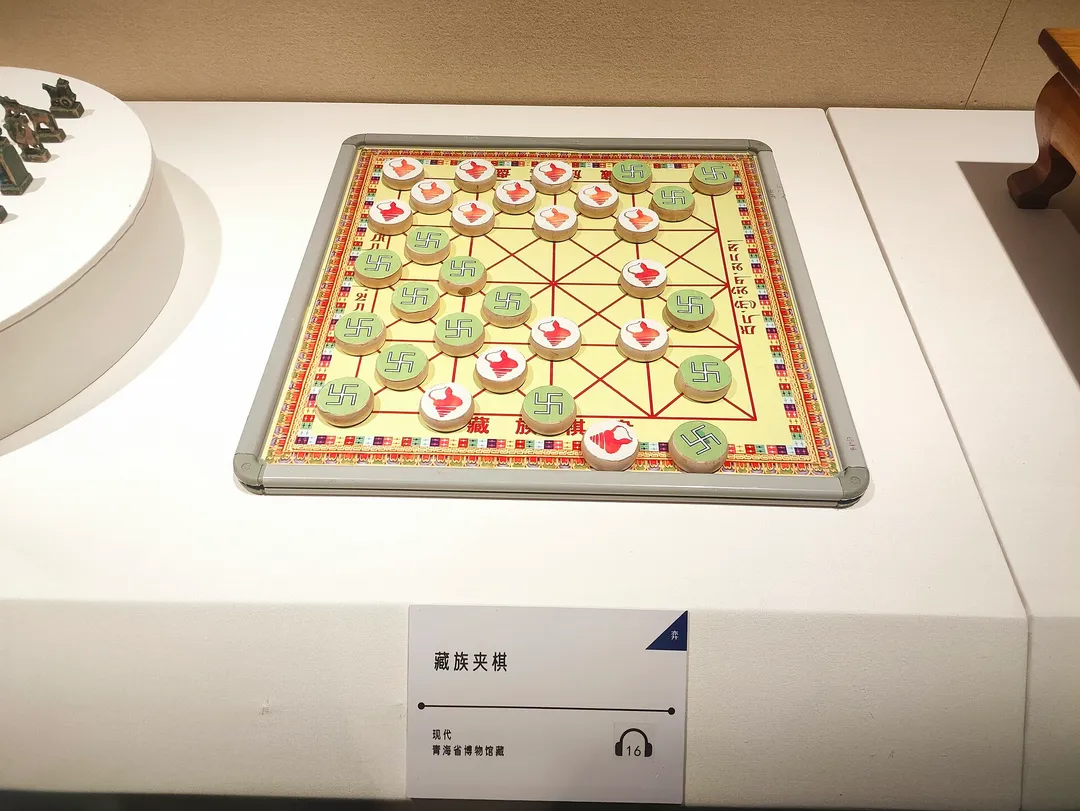
The Qinghai ethnic cultures exhibition presents the traditional ways of life of the province's six long-settled peoples — Tibetan, Mongolian, Hui, Tu, Salar and Han. Through objects, models, photographs and multimedia, it captures the charm of Qinghai's plural cultures.
Treasures of the collection include Tang dynasty silks unearthed at Dulan, finely shaped painted pottery jars and Buddhist sculpture from several eras. The Dulan silks, numerous and remarkably well preserved, are key primary material for studying the Tang-era Silk Road. The museum also mounts a steady rotation of temporary exhibitions.
How to get there
Leave Xinning Square Station on Metro Line 1 at Exit B and walk about 10 minutes. Buses 1, 5, 7, 12 and 13 stop at the Provincial Museum.
Best photo spots
- The building's exterior
- The painted pottery gallery
- The Silk Road gallery
- The ethnic costumes gallery
Tips
- Closed Mondays — do not make a wasted trip
- Admission is free with an ID, ticket issued at entry
- Pick up a floor plan at the service desk on the ground floor first
- Free guided tours run twice daily, at 10:00 and 15:00
Scams to avoid
- No notable scam risks
Frequently asked questions
Do I need to book ahead?
You can get a ticket on site with your ID, or reserve in advance through the official WeChat account.
Is photography allowed?
Most exhibits may be photographed, but no flash.
Are there guided tours?
Free timed tours are offered, and self-guided audio devices can be rented.
Read next
Other things to do in Xining
Dongguan Mosque
A free-entry mosque founded in 1380 on Xining's Dongguan Street, whose prayer hall and courtyards fill with up to 30,000 worshippers for Friday jumu'ah — Chinese-Islamic green dome, Arabic calli.
Kumbum Monastery
One of the six great Gelug (Yellow Hat) monasteries of Tibetan Buddhism. Birthplace of Tsongkhapa. Famous butter sculptures. 14th century. ¥80. Half-day from Xining.
Mount Yunji
A natural oxygen bar on Xining's northern edge at about 2,400 m, with forest cover above 70%. Free and open all day; buses 3/4/7 to Beishan Market, then a 2-3 hour climb.
Qinghai Lake
China's largest saltwater lake, its surface 3260 m above sea level, ringed by spectacular rapeseed fields in summer. A protected ecological sanctuary.
Yushu Grassland
The heart of the Three-River-Source region, averaging 4,000 m — source of the Yangtze, Yellow and Lancang rivers. Free to enter; July's horse-racing festival is the liveliest. Allow 3-5 days.