Huainan at a Glance
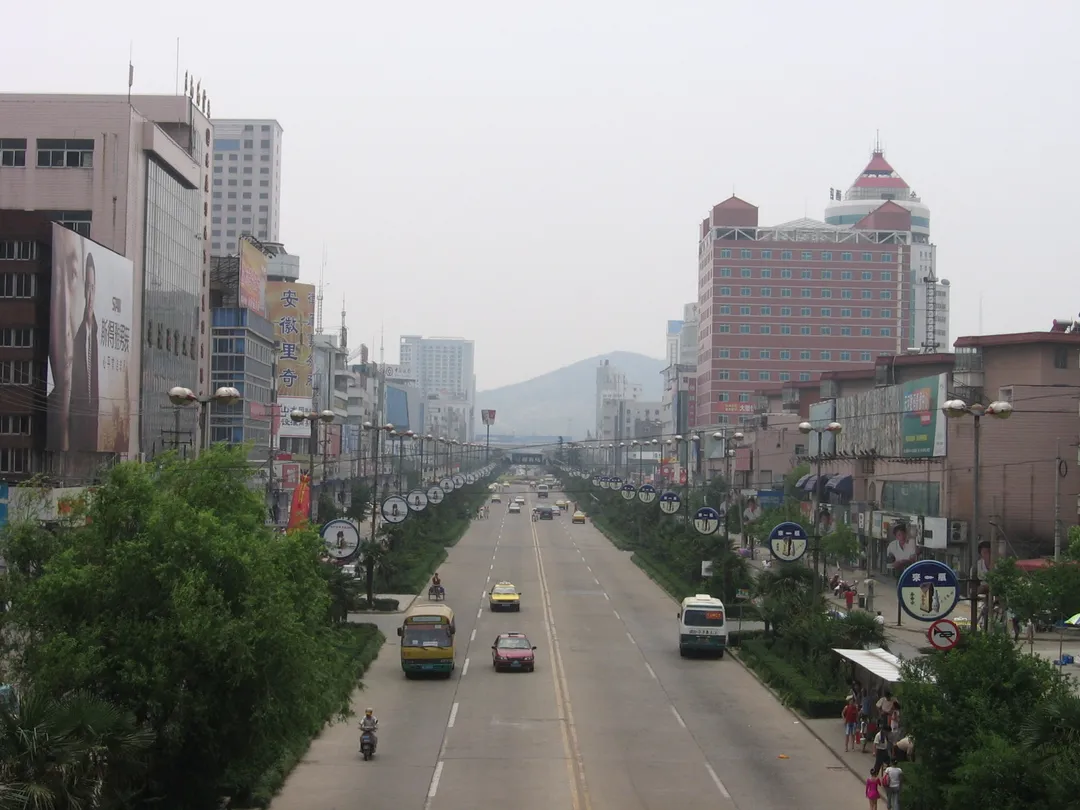
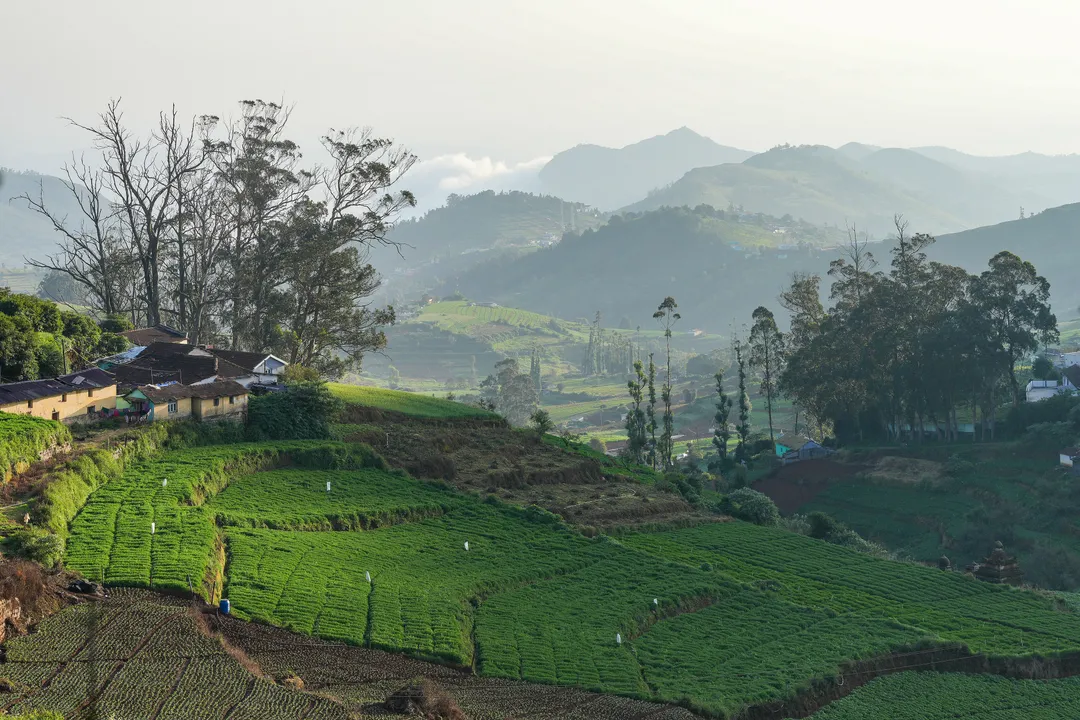
Huainan, in central Anhui between Hefei and the Huai river, is a 2-3 day trip through three layers of Chinese history with an unusual connecting thread: tofu. The mountain layer is Bagongshan, the 241-metre ridge that hosted the battle of Fei River in 383 AD — the rout that coined the idiom "every bush and tree an enemy" — and the palace of Prince Huainan, whose court compiled the 21-chapter Huainanzi and whose kitchens, tradition says, produced the first tofu. The wall layer is Shou county, an hour west: a Song-era city wall that runs 7,147 metres around four gates and held back the 1991 flood, with the Confucius temple and the 2022 Anhui Chu Culture Museum — home to the finds of the 1933 royal tomb, whose 400-kilogram bronze ding sits in Hefei — filling the old town. The water layer is Jiaogang Lake, west of the mountain, where about 60,000 mu of reeds and lotus take a slow boat loop.
This guide gives you the order to see things in, the trains that get you there, and the costs: a mid-range day runs 500-1000 CNY per person including a 300-600 CNY hotel, and a backpacker can hold the line at 40.
Why Huainan
Huainan's argument is density without crowds. Within an hour's radius sits one of Chinese military history's canonical battles (383 AD), one of its philosophical compendiums (the Huainanzi, 21 chapters compiled by Prince Liu An's court in the Western Han), a Song wall of 7,147 metres that still circles a living county town, and a provincial-grade Chu museum that opened as recently as 2022. Add the food story — tofu's birthplace by tradition, and a beef-soup breakfast culture the city takes seriously — and the trip writes itself for anyone tired of queueing.
The rail web frames it: Huainan sits on the corridor between Hefei and the Huai river, with fast trains from Hefei in under an hour — the capital's version is in our Hefei guide, and the Anhui guide covers the province. The honest trade-offs: English signage is thin, Shou county is a separate town an hour west of the city, and the sights reward readers more than hikers — bring context and the wall and the mountain double in value.
Bagongshan: the Battle Ridge and the Tofu Lore
Bagongshan (八公山) is a low ridge — its main height around 241 metres — with two heavy stories. The first is the battle of Fei River, 383 AD: the Eastern Jin's smaller army broke the Former Qin's much larger one here, and the panicked retreat gave Chinese the idiom for seeing enemies everywhere, "every bush and tree an enemy" (草木皆兵). The second is the palace of Prince Huainan (淮南王宫), built to commemorate Liu An, whose court compiled the 21-chapter Huainanzi — the philosophical anthology that gave the city its name — and whose kitchens, by the tradition every local will tell you, produced the first tofu.
Walk the ridge in the cool morning, take the battlefield viewpoints, and close the loop at the palace before lunch. The tofu-theme dishes at the foot of the mountain are the practical tasting: braised, stuffed and soup versions of the city's founding food.
Shouzhou City Wall and the Old Town
Shou county (寿县), about an hour west of Huainan, keeps one of the best-preserved Song-era walls in China: 7,147 metres of rampart around four gates, still ringing the living county town. The wall's proudest moment is recent — it held back the great flood of 1991, protecting the town inside when the surrounding fields drowned. Walk the rampart from the east gate, where the bricks carry mason marks and the gates keep their Ming-and-Qing arches.
The old town inside is unhurried: the Confucius temple's Yuan-era courtyards sit a short walk from the wall, and the streets still trade in the well-water tofu the region claims as its own.
The Chu Culture Museum and the Royal Tomb Finds
The Anhui Chu Culture Museum, opened in 2022 as the first provincial museum named for Chu culture, is the reason history readers stay a second day. Its core is the 1933 excavation of the royal tomb at Lisan Gudui — bronzes, chariot fittings and jades from the Chu kingdom's northern court. The museum displays the ensemble; the star object, the 400-kilogram cast ding, sits in the provincial museum in Hefei, and the story of that division is part of the exhibit.
Give the museum two hours, then walk the old-town lanes and finish with the region's beef-soup breakfast turned lunch — the city's other food claim.
Jiaogang Lake: Reeds, Lotus and Slow Boats
West past Bagongshan, Jiaogang Lake (焦岗湖) spreads its roughly 60,000 mu of reed beds and lotus water — about 40 sq km of working wetland. The slow boat loop is the point: fishermen checking traps, egrets off the reed lines, lake fish for lunch at the dock. It is a half-day outing, best in the cool months or the lotus summer, and pairs naturally with the mountain on the way back to town.
With a fifth day, the trip data adds the Anfengtang reservoir — a water project with 2,600 years of history and recognition as irrigation heritage in 2015 — south of Shou county.
Day Trips: Hefei and the Anhui Grid
- Hefei. Fast trains reach Huainan in under an hour from the capital, where the 400-kg ding and the province's museums wait — see the Hefei guide.
- Bengbu. North along the corridor toward the Huai river crossings.
- The Huai river towns. The Anhui guide frames the province between the river and the Yangtze.
A Two-Day Plan (and a Third)
- Day 1 — the mountain. Bagongshan in the cool morning — the 383 AD battlefield viewpoints and the 241-metre ridge — the Huainan prince's palace, tofu-theme lunch at the mountain's foot, downtown night market.
- Day 2 — the wall and the museum. Morning transfer to Shou county, the 7,147-metre Song wall from the east gate, the Confucius temple's courtyards, the Chu museum's 1933 finds, beef soup in the old town.
- Day 3 — the lake. The Jiaogang Lake boat loop through reeds and lotus, lake fish at the dock, evening train out.
Our 3-day Huainan trip builder lays this out hour by hour, and the 5-day and 7-day versions fold in the Anfengtang reservoir and the old town's tofu kitchens.
Getting There: Rail, Road and Local Transport
Huainan South is the fast-rail stop on the Hefei corridor; the city also keeps conventional stations. Downtown transport is taxis and DiDi; Shou county is about an hour west by road, Bagongshan a short ride north, Jiaogang Lake west past the mountain.
| Route | Time | Typical cost |
|---|---|---|
| Hefei → Huainan South (fast rail) | under 1 h | corridor fare |
| Downtown → Bagongshan (road) | 20-30 min | taxi or bus |
| Huainan → Shou county (road) | about 1 h | bus or chartered car |
| Bagongshan → Jiaogang Lake (road) | about 40 min | chartered car |
| Taxi across downtown | 10-20 min | short fare |
Keep the Chinese name of your destination written down — drivers rarely read English.
Where to Stay
Stay downtown for the city nights, then one night in Shou county inside or beside the walled town: mid-range hotels in this band run about 300-600 CNY a night, business chains cluster near the stations for early departures, and the old town's guesthouses trade polish for position inside the wall. Book ahead for the national holidays of early May and early October.
What to Eat in Huainan
The city's two claims are tofu and beef soup. Tofu first, by tradition born on Bagongshan: braised and stuffed versions at the mountain's foot, and the tofu-banquet restaurants downtown. Beef soup is the breakfast culture — a rich, chili-oiled broth over vermicelli, eaten standing at street counters — and Shou county adds its own tofu kitchens fed by well water. The night markets downtown close the day.
Mobile payment works nearly everywhere — Alipay with an international card covers restaurants and stalls — but carry 50-100 CNY in small notes for the street counters.
What a Day Costs
| Item | Price | Notes |
|---|---|---|
| Mid-range hotel | 300-600 CNY/night | downtown or Shou county old town |
| Meals | 100-200 CNY/day | beef-soup breakfasts to tofu banquets |
| Local transport | 30-60 CNY/day | plus the road legs to Shou county |
| Attractions | 50-150 CNY/day | mountain, wall and museum tickets |
Match this against our roster's estimate for the city: accommodation 300-600 CNY, food 100-200 CNY, transport 30-60 CNY and tickets 50-150 CNY, for a mid-range total of 500-1000 CNY per person per day. A backpacker day on buses and soup counters lands near 40; the luxury ceiling is about 300 and buys few upgrades in a city this unpretentious.
When to Go
April-May and September-October are the comfort windows: mild, dry, and the wall walk at its best. Summer is hot and humid with the rest of Anhui — the lake's lotus is the summer counterweight — and winter is raw but empty. Avoid the national holiday weeks of early May and early October, when the wall's gates queue.
Practical Tips
- Payment: link an international card to Alipay or WeChat Pay before arrival, and keep 50-100 CNY in small notes for street counters.
- eSIM: a tourist data eSIM (about 5-30 USD) avoids the phone-shop passport queue; install a VPN before you fly, since Google, WhatsApp and Instagram are blocked on the mainland.
- Shou county is a separate town about an hour west — decide your overnight base before you set out.
- The Chu museum is the region's one modern exhibit hall; check hours around public holidays.
- Emergencies: police 110, ambulance 120, fire 119, national tourist hotline 12301.
Frequently Asked Questions
How many days do I need in Huainan?
Two full days cover it: Bagongshan and the tofu lore on day one, the Shouzhou wall and the Chu museum on day two. The third day is the Jiaogang Lake boat loop. A fifth adds the 2,600-year-old Anfengtang reservoir and the old town's tofu kitchens at leisure.
What happened at Bagongshan?
Two famous things. In 383 AD the battle of Fei River was fought along the ridge — the Eastern Jin's smaller army routed the Former Qin's much larger one, giving Chinese the idiom "every bush and tree an enemy." Centuries earlier, Prince Huainan's court compiled the 21-chapter Huainanzi here, and tradition credits his kitchens with the first tofu.
How do I get to Shou county from Huainan?
By road, about an hour west — bus or chartered car. The walled town is compact enough to walk: the Song-era wall runs 7,147 metres around four gates, with the Confucius temple's Yuan-era courtyards and the 2022 Chu museum inside. Most visitors make it a day trip from Huainan; an overnight inside the wall is the unhurried version.
What is in the Chu Culture Museum?
The finds of the 1933 excavation of the royal tomb at Lisan Gudui: bronzes, chariot fittings and jades from the Chu kingdom, displayed in the museum that opened in 2022 as the first named for Chu culture. The star object — the 400-kilogram cast ding — sits in the provincial museum in Hefei, and the exhibit tells that story too.
Is the tofu really from Huainan?
It is the city's founding legend and it sticks: tradition says Prince Liu An's kitchens at Bagongshan produced the first tofu in the Western Han. Whatever the strict history, the region still cooks it best — braised, stuffed and banquet versions at the mountain's foot and downtown.
Do I need cash in Huainan?
Mostly no: Alipay or WeChat Pay linked to an international card covers restaurants, taxis and most stalls. Keep 50-100 CNY in small notes — street soup counters and some rural buses still prefer cash, and small notes solve it instantly.
What should I eat in Huainan?
Beef soup for breakfast — the rich, chili-oiled broth over vermicelli that the city eats standing up — tofu in its braised, stuffed and banquet versions, lake fish at Jiaogang, and Shou county's well-water tofu kitchens. Eat where the local queue is.
Useful Phrases
| Chinese | Pinyin | Meaning |
|---|---|---|
| 你好 | nǐhǎo | hello |
| 谢谢 | xièxie | thank you |
| 多少钱 | duōshǎo qián | how much |
| 淮南 | Huáinán | Huainan |
| 八公山 | Bāgōngshān | Bagongshan |
| 寿县 | Shòuxiàn | Shou county |
| 豆腐 | dòufu | tofu |
| 牛肉汤 | niúròu tāng | beef soup |
Final Notes
Every figure above — the 241-metre ridge, the battle of 383 AD and the 21-chapter Huainanzi, the wall of 7,147 metres and the flood of 1991, the museum of 2022 and the tomb finds of 1933, the 400-kilogram ding in Hefei, the roughly 60,000 mu of Jiaogang Lake and the 2,600-year-old Anfengtang — was checked in October 2026 against our trip-days data for the city and cross-referenced with our published itineraries. Prices move; reconfirm within a fortnight of travel.
- Source: China National Tourism Administration — policy and seasonal notices.
- Source: Trip.com — live train and hotel listings for cross-checks.
Last verified 2026-10-16.