
Huangshi at a Glance
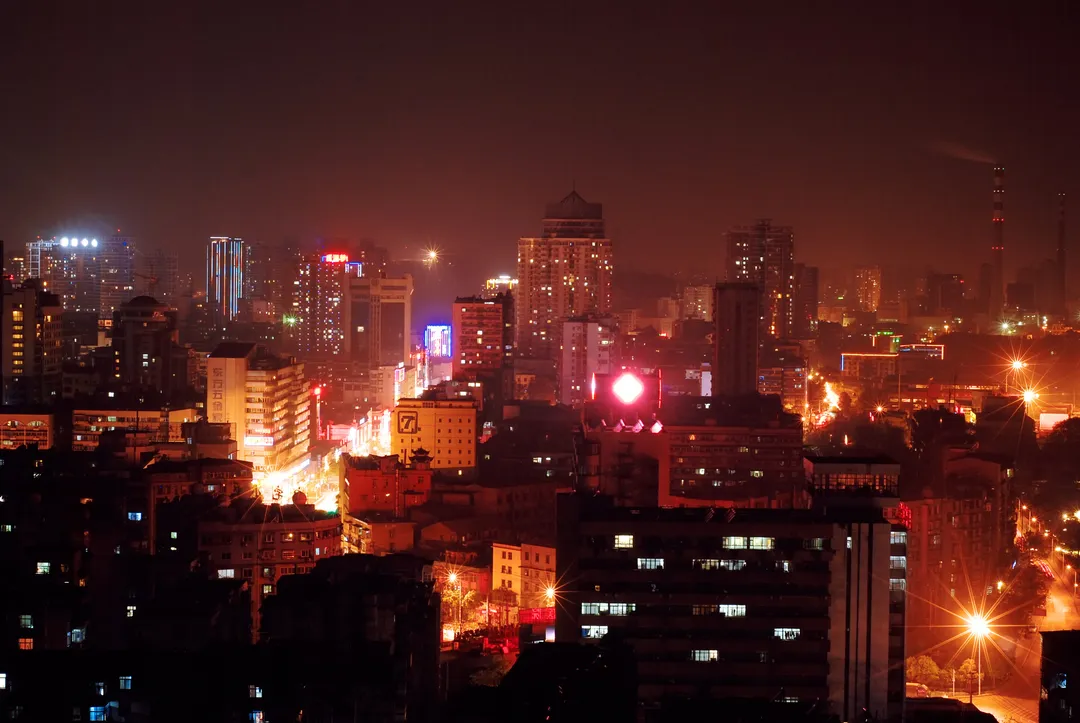
Huangshi, on the Yangtze in eastern Hubei, is the rare Chinese city whose headline attraction is an industry. Three thousand years ago the mines of Tonglvshan were already cutting shafts for copper — the metal that armed the Shang and Zhou courts; in the 20th century the same ore belt fed the vast open pit of the National Mine Park, near Daye. A 2-3 day visit runs the whole arc: Cihu Lake boardwalks and the city museum's mining halls on arrival, the stepped open pit and the Bronze-Age shafts on the mining day, then the Yangtze cliff of Xisaishan and the temple paths of Dongfang Mountain before departure. With a fifth day, Xiandao Lake adds a 1,000-island cruise to the south.
This guide gives you the order to see things in, the trains that get you there, and the costs: a mid-range day runs 500-1000 CNY per person including a 300-600 CNY hotel, and a backpacker can hold the line at 40.
Why Huangshi
Huangshi's argument is that industrial heritage, done properly, outlasts the industry. The Daye–Tieshan corridor has mined iron and copper continuously from the Bronze Age to the present, and the city has turned the working remains into something readable: excavated Bronze-Age shafts under museum halls, a terraced open pit you can walk to the edge of, and a lake city where the evenings belong to the boardwalk rather than the mine. It is also one of the least-touristed cities in Hubei — the queues that define Wuhan's sights do not exist here.
The rail web frames it: fast trains reach Huangshi North from Wuhan in under an hour — the capital's version is in our Wuhan guide, and the Hubei guide covers the province. The honest trade-offs: English signage is thin, the city is a working industrial town between sights, and the mining day involves a real ride out to the Daye sites — plan half-days, not quick stops.
Cihu Lake and the City Museum
Start at Cihu (磁湖), the lake that splits the city: boardwalks curve between inlets, and the evening light show plays across the water after dark. The city museum's mining halls are the right first hour — they set up the Bronze-Age shafts and the open pit you will see on day two, and explain, in sequence, how copper moved from these hills into the bronzes of the Shang and Zhou courts.
The late-afternoon loop — boardwalk, museum halls, lakeside lights — is the city's best free evening, and the trip data's recommendation for arrival day.
The National Mine Park Open Pit
The National Mine Park (国家矿山公园) is the headline: a vast terraced open pit in the Daye–Tieshan corridor, cut into the ore belt over a century of iron mining. The stepped walls run down and down, truck roads switchback between benches, and a walkway brings you to the rim. Late April covers the reclaimed slopes in locust blossom — the park plants them — which turns the strangest landscape in Hubei briefly pink-white.
Give it a full morning: the viewing platforms, the mining museum halls and the rim walk. It photographs best in clear morning light, before the haze builds.
Tonglvshan: the Bronze-Age Copper Mines
The reason the pit makes sense is 3,000 years old. At Tonglvshan (铜绿山) near Daye, excavated Bronze-Age shafts and galleries sit under museum halls — timber-lined tunnels following the copper veins, in continuous use from the Shang through the Zhou and beyond. The site museum walks the shafts at ground level, and the exhibit ties them to the bronzes whose inscriptions historians read to this day. Add the old town streets of Daye afterwards, and the mining day closes whole.
Xisaishan and Dongfang Mountain
The third day trades industry for stone and temples. Xisaishan (西塞山) is a cliff over the Yangtze — climb it in the cool morning for the river bend below, a viewpoint that poets used for two thousand years. Dongfang Mountain (东方山) carries the temple paths: monastery courts, incense and steps through the woods, an unhurried half-day before the train.
With a fifth day, ride the 1.5 hours to Yangxin county for Xiandao Lake — a 1,000-island reservoir with a boat cruise and a glass viewing deck — the water counterpart to the mine.
Day Trips: Wuhan and the Hubei Grid
- Wuhan. Under an hour by fast rail: the capital's Yellow Crane Tower, museums and riverfront — see the Wuhan guide.
- Xiandao Lake. South to Yangxin county, 1.5 hours by road, for the 1,000-island cruise.
- The Yangtze towns. The Hubei guide frames the river province around the city.
A Two-Day Plan (and a Third)
- Day 1 — the lake city. Cihu boardwalks in the late afternoon, the city museum's mining halls, then the light show on the water.
- Day 2 — mining heritage. Full morning at the National Mine Park open pit, then the 3,000-year-old Tonglvshan shafts — both in the Daye–Tieshan corridor. Late April brings locust blossom on the reclaimed slopes.
- Day 3 — cliffs and temples. Xisaishan's Yangtze cliff in the cool morning, Dongfang Mountain's temple paths in the afternoon, evening train out.
Our 3-day Huangshi trip builder lays this out hour by hour, and the 5-day and 7-day versions fold in Xiandao Lake's 1,000 islands and Dongfang Mountain at an unhurried pace.
Getting There: Rail, Road and Local Transport
Huangshi North is the fast-rail station on the Wuhan corridor; the city also keeps conventional rail. Downtown transport is taxis and DiDi; the mining sites sit in the Daye–Tieshan corridor, about a 1.5-hour day by road including both stops.
| Route | Time | Typical cost |
|---|---|---|
| Wuhan → Huangshi North (fast rail) | under 1 h | corridor fare |
| Downtown → National Mine Park (road) | about 1 h | bus or chartered car |
| Mine Park → Tonglvshan (road) | about 30 min | chartered car |
| Downtown → Xisaishan (road) | short ride | bus or taxi |
| Taxi across downtown | 10-15 min | short fare |
Keep the Chinese name of your destination written down — drivers rarely read English.
Where to Stay
Stay downtown between Cihu and the station side: mid-range hotels in this band run about 300-600 CNY a night, business chains cluster near Huangshi North for early departures, and lakeside rooms trade a premium for the boardwalk at the door. Book ahead for the national holidays of early May and early October.
What to Eat in Hubei Style
Hubei eats river and lake: fish from the Yangtze and the lakes, lotus-root soups, steamed dishes from the Wuhan canon, and the city's own working-town noodles. The lakeside strips do the evening BBQ round, and the markets downtown keep the lotus-root and freshwater tanks.
Mobile payment works nearly everywhere — Alipay with an international card covers restaurants and stalls — but carry 50-100 CNY in small notes for the smallest stalls.
What a Day Costs
| Item | Price | Notes |
|---|---|---|
| Mid-range hotel | 300-600 CNY/night | Cihu or station side |
| Meals | 100-200 CNY/day | noodle breakfasts to lake-fish dinners |
| Local transport | 30-60 CNY/day | plus the road day to the mines |
| Attractions | 50-150 CNY/day | park, shafts and cliff tickets |
Match this against our roster's estimate for the city: accommodation 300-600 CNY, food 100-200 CNY, transport 30-60 CNY and tickets 50-150 CNY, for a mid-range total of 500-1000 CNY per person per day. A backpacker day on buses and noodle shops lands near 40; the luxury ceiling is about 300 and buys few upgrades in a city this unpretentious.
When to Go
April-May and September-October are the comfort windows: mild, dry, and the pit rim at its clearest. Summer is hot and humid with the rest of Hubei, and the haze flattens the pit views; winter is raw but empty. Late April is the specialist's date — the reclaimed slopes flower. Avoid the national holiday weeks of early May and early October, when the mine park's walkways queue.
Practical Tips
- Payment: link an international card to Alipay or WeChat Pay before arrival, and keep 50-100 CNY in small notes for the smallest stalls.
- eSIM: a tourist data eSIM (about 5-30 USD) avoids the phone-shop passport queue; install a VPN before you fly, since Google, WhatsApp and Instagram are blocked on the mainland.
- The mining day is a road day — one anchor in the morning (the pit), one in the afternoon (Tonglvshan), not four quick stops.
- The pit rim is exposed: sun protection even on hazy days.
- Emergencies: police 110, ambulance 120, fire 119, national tourist hotline 12301.
Frequently Asked Questions
How many days do I need in Huangshi?
Two full days cover it: the lake city on arrival day, the mining heritage — open pit plus Bronze-Age shafts — on day two. The third day adds Xisaishan's cliff and Dongfang Mountain's temples. A fifth rides south for Xiandao Lake's 1,000 islands.
What is the National Mine Park?
A terraced open-pit mine in the Daye–Tieshan ore belt, worked for about a century of iron mining and now a park: viewing platforms, mining museum halls and a walkway to the rim. It is the single most striking landscape in the city, best in clear morning light. Late April brings locust blossom on the reclaimed slopes.
Are the Tonglvshan mines really 3,000 years old?
Yes — excavated Bronze-Age shafts and timber-lined galleries at Tonglvshan near Daye trace continuous copper mining from the Shang through the Zhou and later, and the site museum walks you through them at ground level. They are the reason the modern pit exists where it does.
How do I get from Wuhan to Huangshi?
Fast trains run Wuhan → Huangshi North in under an hour, with departures through the day. Buy on the 12306 app or at the station with a passport; outside the holiday peaks there is no reservation drama.
What is there to do in the evenings?
Cihu Lake: the boardwalks, the lakeside light show after dark, and the BBQ strips. It is the city's best free evening and the trip data's recommendation for arrival day.
Do I need cash in Huangshi?
Mostly no: Alipay or WeChat Pay linked to an international card covers restaurants, taxis and most stalls. Keep 50-100 CNY in small notes — the smallest stalls and some rural buses still prefer cash, and small notes solve it instantly.
What should I eat in Huangshi?
Hubei standards done locally: river and lake fish, lotus-root soup, steamed dishes of the Wuhan canon, and working-town noodles for breakfast. Eat where the local queue is — the lakeside strips and the downtown markets are the reliable answers.
Useful Phrases
| Chinese | Pinyin | Meaning |
|---|---|---|
| 你好 | nǐhǎo | hello |
| 谢谢 | xièxie | thank you |
| 多少钱 | duōshǎo qián | how much |
| 黄石 | Huángshí | Huangshi |
| 磁湖 | Cíhú | Cihu Lake |
| 铜绿山 | Tónglǜshān | Tonglvshan |
| 西塞山 | Xīsàishān | Xisaishan |
| 东方山 | Dōngfāngshān | Dongfang Mountain |
Final Notes
Every figure above — the 3,000-year-old shafts of Tonglvshan, the terraced pit of the National Mine Park, the locust blossom of late April, the 1.5-hour ride to Yangxin and the 1,000 islands of Xiandao Lake — was checked in October 2026 against our trip-days data for the city and cross-referenced with our published itineraries. Prices move; reconfirm within a fortnight of travel.
- Source: China National Tourism Administration — policy and seasonal notices.
- Source: Trip.com — live train and hotel listings for cross-checks.
Last verified 2026-10-16.