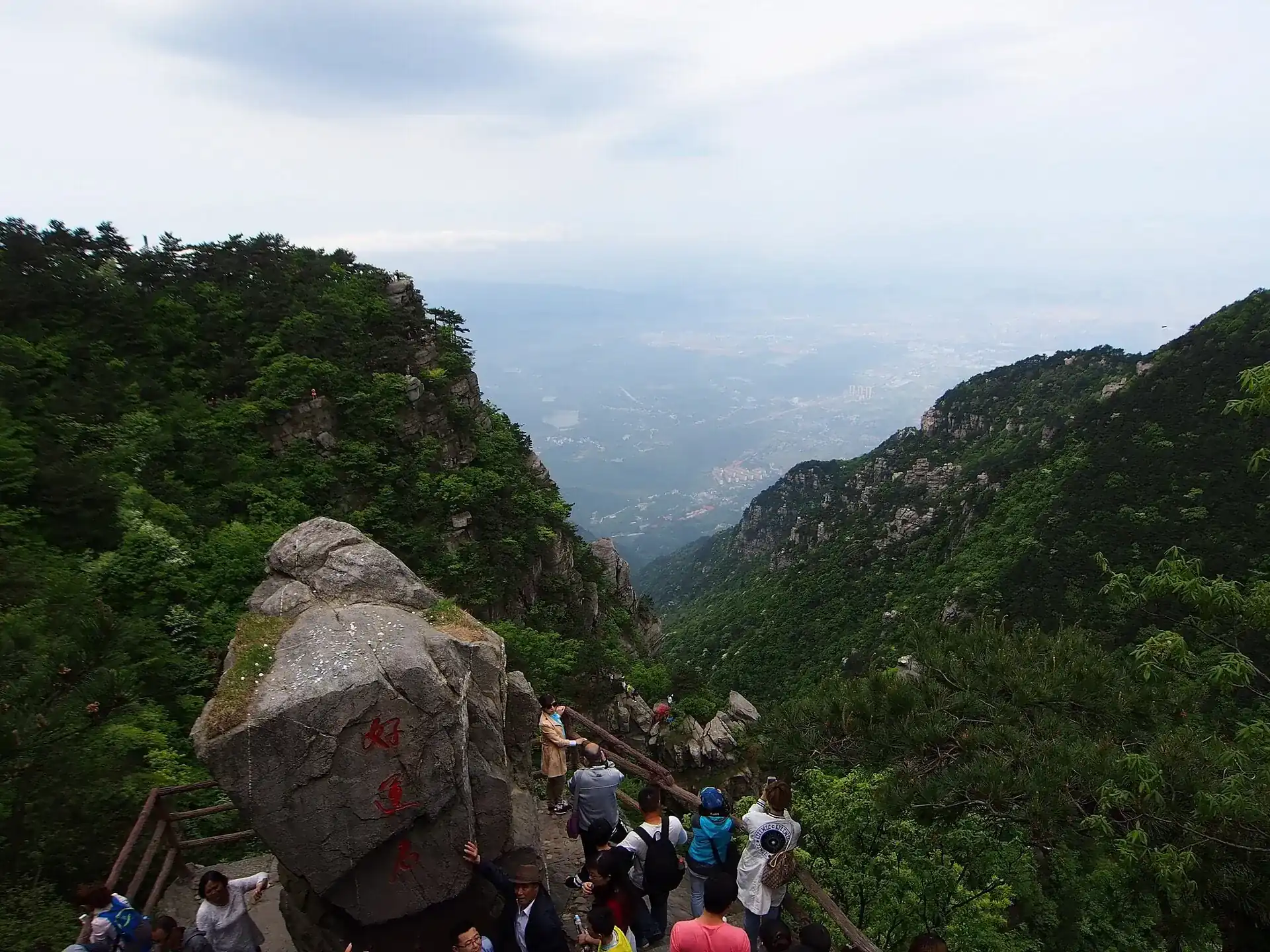
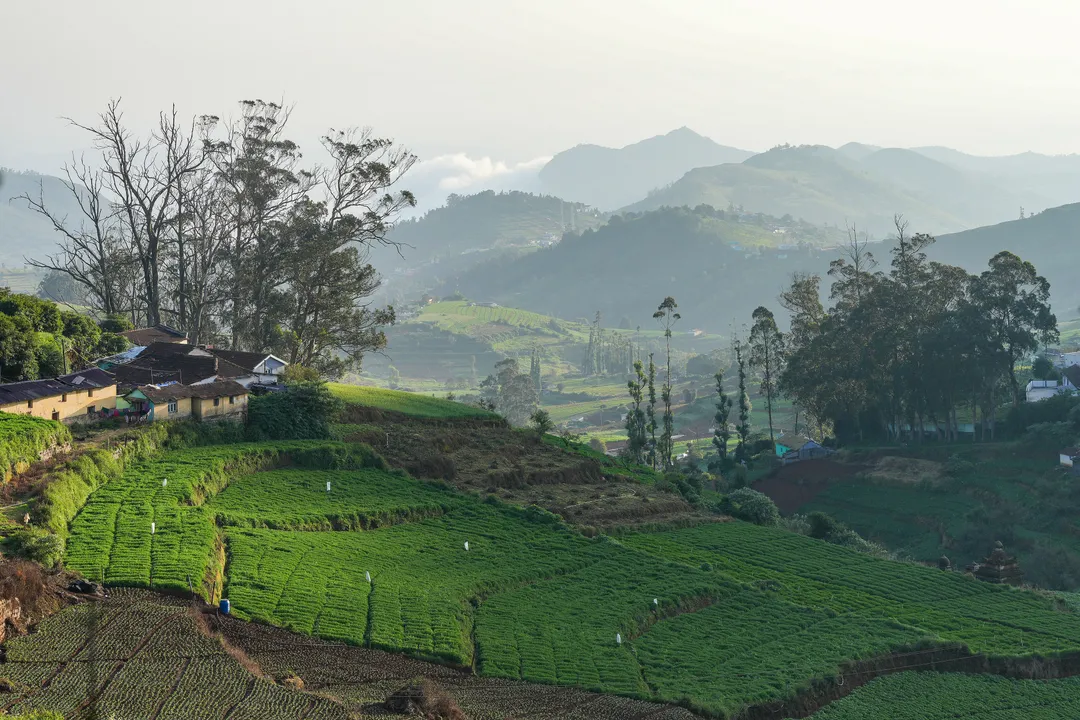
Lushan at a Glance
Lushan — Mount Lu, the mountain that anchors Jiangxi between the Yangtze and Poyang Lake — is the only peak in this guide where you sleep in a town at the top. Guling, the mountain's stone-and-red-tile capital, grew out of more than 600 villas built from the late 1800s by missionaries and merchants escaping the lowland heat; Chiang Kai-shek made the mountain the summer capital in the 1930s, and Mao held three pivotal Party plenums here, in 1959, 1961 and 1970. UNESCO listed the whole thing as a cultural landscape in 1996 — over 4,000 poems and 300-plus cliff inscriptions paved the way. Give it two days for the classic loop, three with the waterfall: day one rides up from Jiujiang and walks the west line (Flower Path, Jinxiu Valley, the Immortal's Cave); day two covers Meilu Villa, the conference-site museum and Lulin Lake; day three catches sunrise at Hanyang Pass, the Five Old Men ridge and the 155-metre Three-Step Waterfall before riding down.
The numbers: the park ticket runs ¥180 including the shuttle buses, cable cars are ¥50-80 per ride, and a mid-range day costs 500-1000 CNY per person with a 300-600 CNY room in Guling.
Why Lushan
The mist is the argument. Lushan rises 1,474 metres straight out of the Yangtze plain, and the clouds that wrap it for most of the year built its reputation: this is the mountain of Li Bai's waterfall poem and Su Shi's "I cannot see the true face of Mount Lu" — a phrase that became the Chinese idiom for missing the point. Unlike most sacred mountains, the summit is not a temple terrace but a working town of 10,000-plus residents, with its own streets, markets, cinema and weather.
The second argument is the villa layer. No other Chinese mountain carries a comparable stock of colonial-era architecture — stone churches, Norwegian chalets, verandas with fireplaces — and the layering is literal: a missionary chapel a lane from a Mao-era conference hall. The trade-offs: the mountain road's 396 bends punish carsick passengers (the cable car from the base is the cure), English signage is thin, and peak-season weekends pack Guling's lanes. What you get is China's most literary mountain at prices below the country-headline parks, with rooms where the clouds come in at eye level.
Guling: the Town in the Clouds
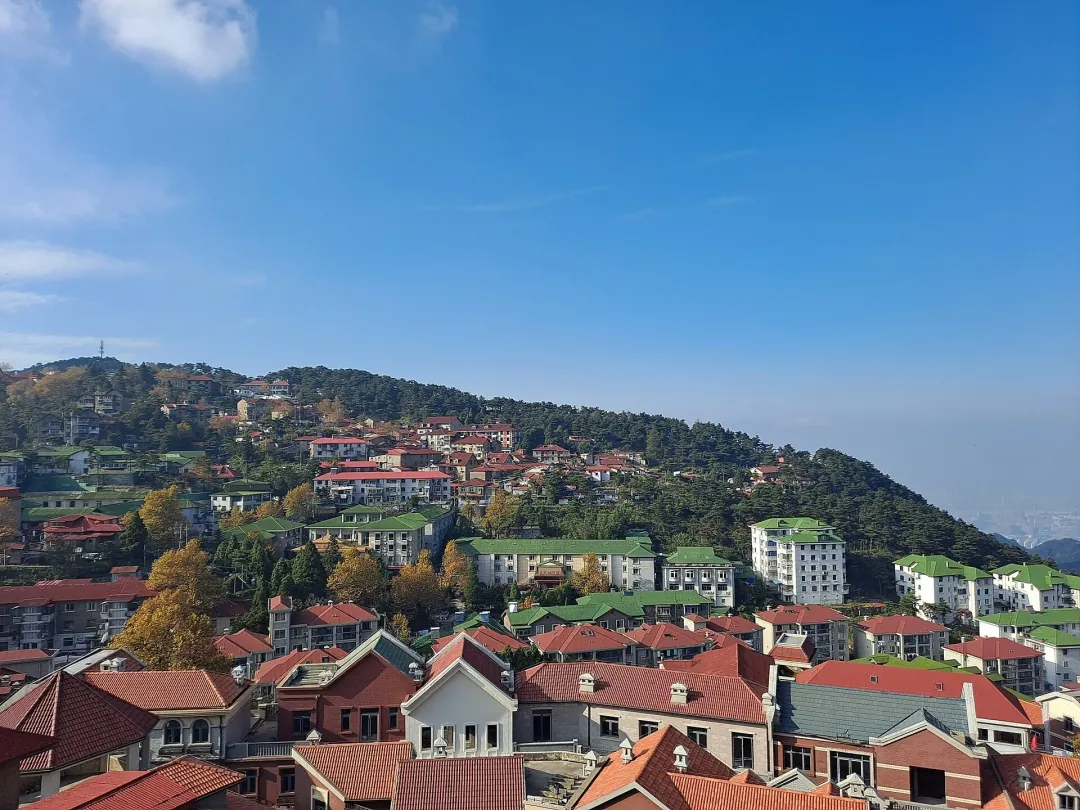
Guling is the base, the highlight and the evening entertainment in one. The town centre clusters around a car-free main street of tea shops selling the mountain's cloud tea (云雾茶), restaurants with stone-oven dishes, and the stone villas in the photo above — red roofs stacked into the pine slope. Walk the side lanes at dusk, when the mist fills the streets between lamps, and you will understand why three generations of summer politicians refused to move downhill.
The Lushan Museum, by Rulin Lake on the town's east side, holds the mountain's documentation: paintings, the villa archive, photographs of the plenums. Entry is included in the park ticket; an hour suffices, two for the photography archive.
The Villa Layer: Meilu and the Conference Site
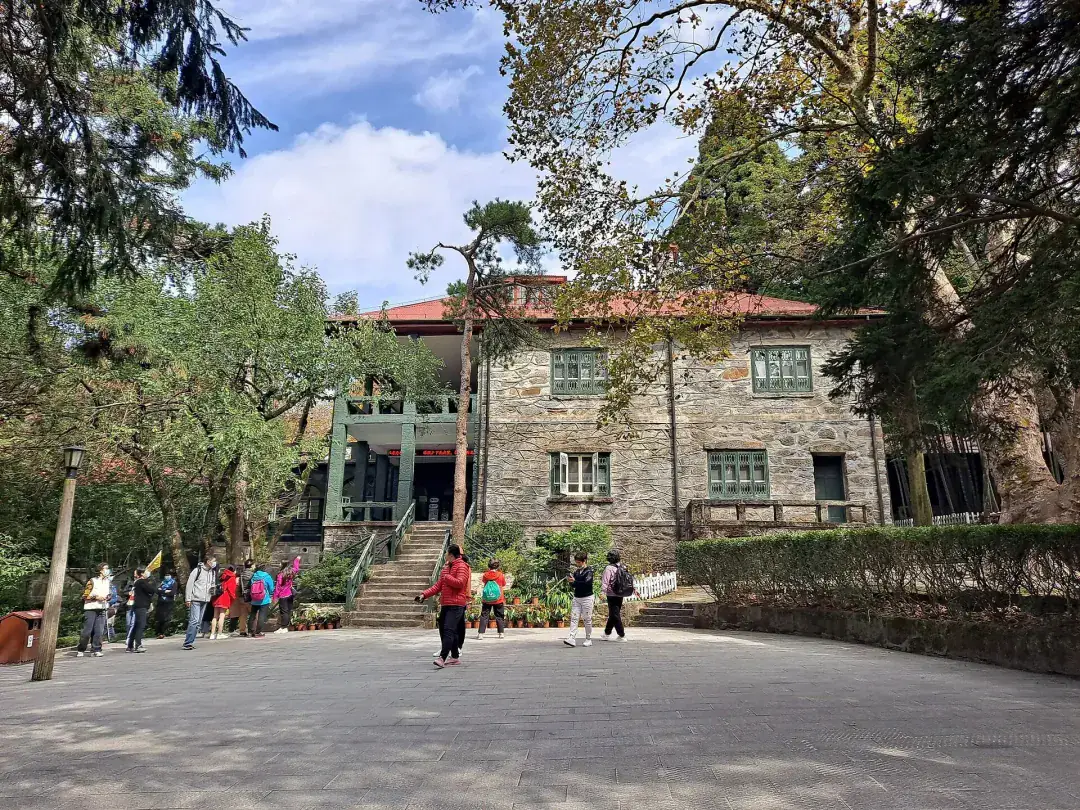
Meilu Villa (美庐) in the photo above is the mountain's most famous house — Chiang Kai-shek's summer residence, kept with its original furniture, and later used by Mao; the name stone at its gate carries Chiang's own calligraphy. A short ride away, the Lushan Conference Site museum preserves the hall where the 1959 plenum turned against Peng Dehuai — a room that changed the country's course, presented with its original seating. Together the two houses make the mountain's political century walkable in a morning; both are covered by the ¥180 park ticket.
The West Line: Flower Path to the Immortal's Cave
The classic first afternoon: from Flower Path (花径) — the poet Bai Juyi's flower terrace above the lake — the path runs along the Jinxiu Valley rim to the Immortal's Cave (仙人洞), the natural cave temple that Mao made famous in a poem, its ledges hung with pines over the plain below. The walk is 2-3 hours of clifftop path with views that open and close with the mist; go late afternoon and the clouds usually rise through the valleys below your boots.
The East Line: Passes, Peaks and the Waterfall
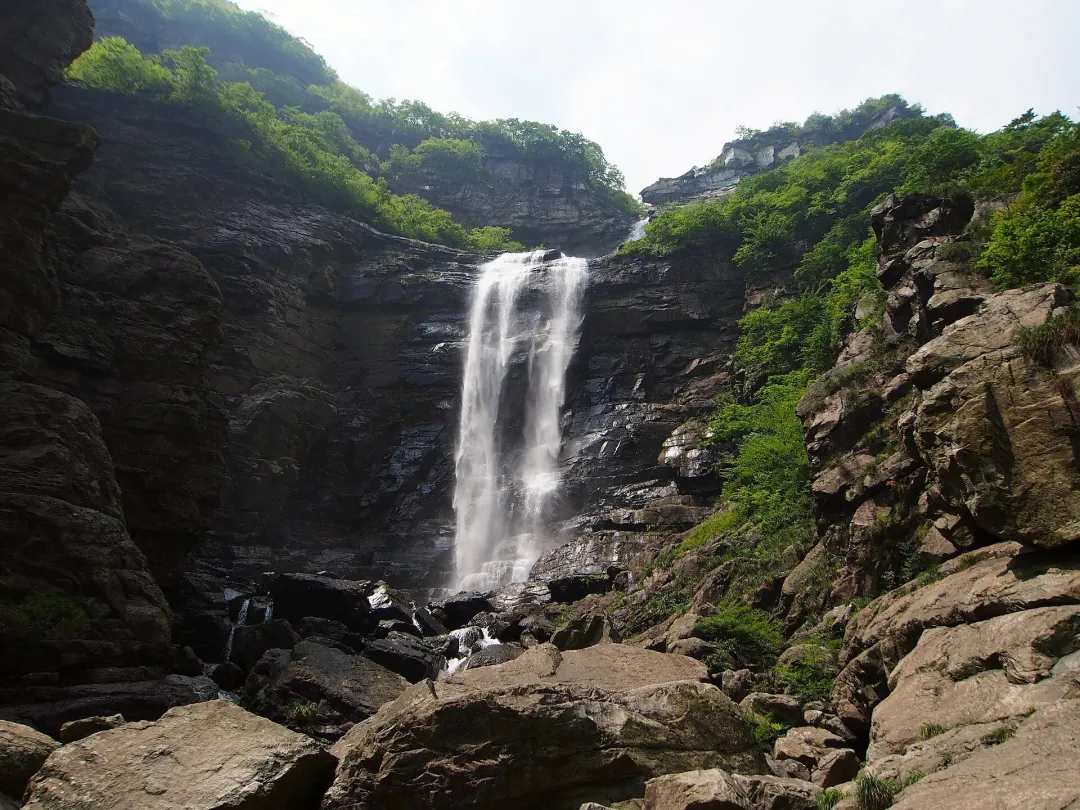
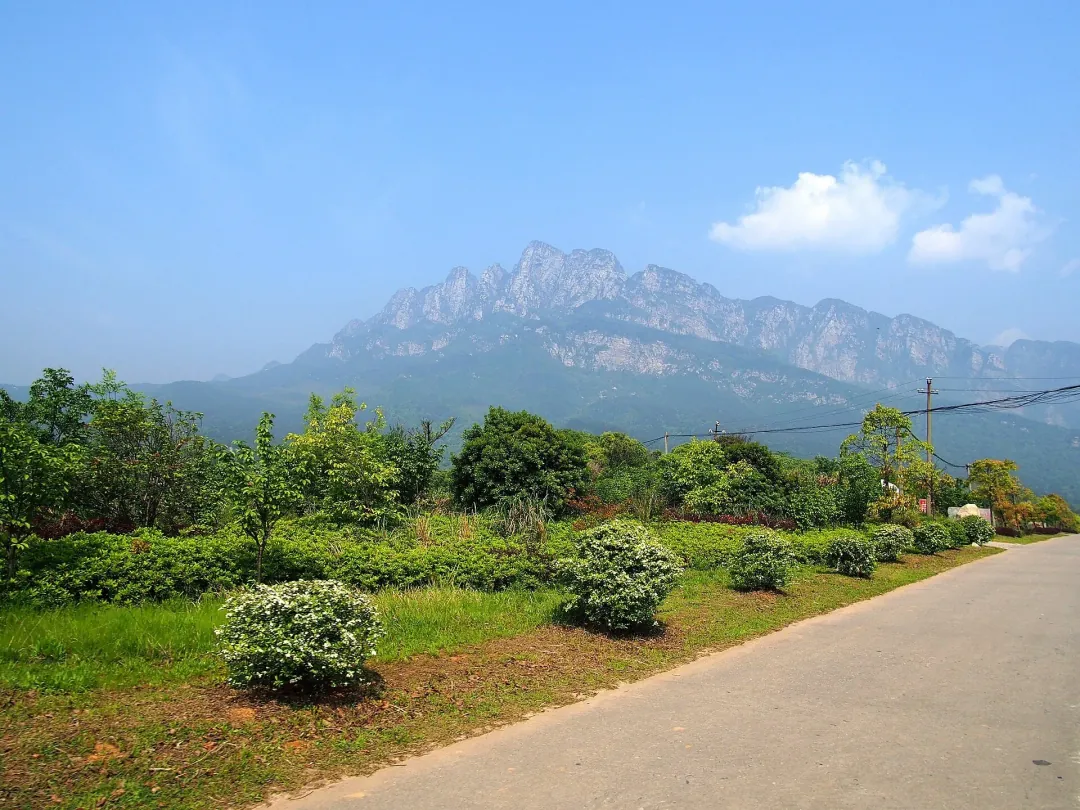
Day three earns the mountain's postcard. Sunrise at Hanyang Pass (含鄱口) looks over Poyang Lake; the Five Old Men ridge — five saw-toothed summits seen from the plain in the photo below — rises just beyond it. Then the descent: the Three-Step Waterfall (三叠泉) drops 155 metres in three ledges through a gorge, reached by a stone staircase of roughly 1,400 steps down (and back up), with its own ¥64 ticket. The waterfall is at its best April-June on snowmelt and early rains; in dry August it narrows to a ribbon.
What to Eat on the Mountain
Guling eats like a mountain town with a Shanghainese past: stone-cooked dishes, river fish carried up from the plain, and the mountain's own vegetables. The three signatures are cloud tea (drink it in a tea shop, buy the spring pick), stone chicken and stone fish casseroles (石鸡石鱼 — the hill-country version of hotpot, 60-120 CNY for two), and tea-oil stir-fries. Count 60-120 CNY a day per person; Guling's market lanes do cheaper breakfasts than the hotel terraces.
A Three-Day Plan
- Day 1 — up and west. Bus from Jiujiang to Guling by midday; Flower Path, Jinxiu Valley and the Immortal's Cave in the afternoon; cloud tea and the main street after dark.
- Day 2 — villas and lake. Meilu Villa and the conference-site museum in the morning, the museum by Rulin Lake after lunch, the lake shore and town lanes at dusk.
- Day 3 — sunrise and the falls. Hanyang Pass for sunrise, the Five Old Men ridge, then the 1,400-step descent to the Three-Step Waterfall; ride down from the east gate.
The hour-by-hour versions live in our 3-day Lushan trip builder, and the 5-day and 7-day routes fold in Jiujiang and the Poyang Lake shore.
Getting There: HSR, the 396 Bends and Shuttles
High-speed trains reach Jiujiang from Wuhan, Changsha or Hangzhou in one to three hours; from Jiujiang station, buses climb to Guling in about 1 hour for about ¥20 — or drive the mountain road and its 396 bends, which the bus drivers do daily and your stomach may dispute. The park shuttle network (included in the ¥180 ticket) links Guling, the east and west lines and the trailheads; cable cars run ¥50-80 per ride where the legs give out.
| Route | Time | Typical cost |
|---|---|---|
| Nearest HSR city → Jiujiang | 1-3 h | corridor fare |
| Jiujiang station → Guling (bus) | about 1 h | about ¥20 |
| Park shuttle across the mountain | 10-30 min per hop | included in ticket |
| Park ticket (multi-day) | — | ¥180 |
| Cable cars | one way | ¥50-80 |
| Three-Step Waterfall ticket | — | ¥64 |
| Guling → Hanyang Pass (shuttle) | about 30 min | included |
| Taxi across Guling | 5-10 min | short-hop fare |
Keep the Chinese name of your destination written down — 牯岭 for the town, 三叠泉 for the waterfall — as drivers rarely read English.
Where to Stay
Stay in Guling itself, within walking distance of the main street: mid-range rooms in converted villas run 300-600 CNY a night, and waking into cloud at the window is the reason you came. Summer is the whole country's escape season — book weeks ahead; the shoulder months of May and late September leave rooms loose. Simple guesthouses near the east line suit the sunrise-and-waterfall day.
What a Day Costs
| Item | Price | Notes |
|---|---|---|
| Park ticket | ¥180 | includes shuttle buses |
| Three-Step Waterfall | ¥64 | separate ticket |
| Cable cars | ¥50-80 per ride | optional shortcuts |
| Jiujiang → Guling bus | about ¥20 | about 1 h |
| Mid-range room in Guling | 300-600 CNY/night | villa conversions |
| Meals | 100-200 CNY/day | stone casserole to tea-oil greens |
| Local transport | 30-60 CNY/day | shuttles cover most days |
| Attractions | 50-150 CNY/day | one headliner a day |
Match this against our roster's estimate for the city — accommodation 300-600 CNY, food 100-200 CNY, transport 30-60 CNY and tickets 50-150 CNY — for a mid-range total of 500-1000 CNY per person per day. A backpacker day on guesthouse beds, shuttles and market noodles lands near 40; the luxury ceiling is about 300.
When to Go
April-May brings waterfalls at full flow and the mountain rhododendrons; September-October trades green for clear air and the steadiest views from the passes. Summer — June-August — is the classic season the villas were built for: Guling sits ten-plus degrees cooler than the plain, and the mist does its best work. Winter is quiet and occasionally icy; the waterfall thins but the villas hold their charm. Avoid the first week of October, when Guling's lanes shoulder-to-shoulder.
Practical Tips
- Payment: link an international card to Alipay or WeChat Pay before arrival; keep 50-100 CNY in small notes for tea shops and the market lanes.
- eSIM: a tourist data eSIM (about 5-30 USD) avoids the phone-shop passport queue; install a VPN before you fly, since Google, WhatsApp and Instagram are blocked on the mainland.
- The bends: 396 of them on the drive up — take the bus if you are carsick-prone, or sit mid-bus and skip breakfast.
- Layers: Guling at about 1,100 metres runs ten degrees below the plain; a rain shell doubles as wind armour on the passes.
- Emergencies: police 110, ambulance 120, fire 119, national tourist hotline 12301.
Frequently Asked Questions
How many days do I need on Lushan?
Two cover the classic: the west line and the villa quarter, with Guling evenings. The third is for sunrise at Hanyang Pass, the Five Old Men ridge and the Three-Step Waterfall — a full but honest day. One day only works if you skip the waterfall.
How do I get up the mountain?
High-speed rail to Jiujiang, then the bus to Guling — about 1 hour and about ¥20, climbing the famous 396-bend road. Driving yourself is possible but the bends are the bus drivers' home ground. The park shuttle (included in the ¥180 ticket) then covers the mountain.
Is the Three-Step Waterfall worth the 1,400 steps?
In April-June, yes: the fall runs 155 metres over three ledges and the gorge frames it well. It carries a separate ¥64 ticket and the staircase is a real workout — count two hours down and back at a steady pace. In dry spells the fall narrows; the walk is still fine, the photo less so.
What is Meilu Villa?
The grey stone house above — Chiang Kai-shek's summer residence, kept with original furniture, later used by Mao; the gate stone carries Chiang's calligraphy. With the nearby conference-site museum it makes the mountain's political century walkable in a morning, both covered by the park ticket.
Why is Lushan a UNESCO cultural site rather than a natural one?
Because the listing (1996) recognises the cultural layer: more than 4,000 poems, 300-plus inscriptions, 600-plus villas and the villa town of Guling — the mountain as a 1,400-year retreat whose buildings and literature are the property, not just the scenery.
What should I eat on the mountain?
Cloud tea first — drink it in Guling's tea shops, buy the spring pick — then stone chicken and stone fish casseroles (60-120 CNY for two) and tea-oil stir-fries. Guling's market lanes do the cheapest breakfasts; count 60-120 CNY a day.
Do I need cash on Lushan?
Mostly no: Alipay or WeChat Pay linked to an international card covers tickets, hotels and restaurants in Guling. Keep 50-100 CNY in small notes for the tea shops' oldest counters and the market vendors who still prefer paper.
Useful Phrases
| Chinese | Pinyin | Meaning |
|---|---|---|
| 你好 | nǐhǎo | hello |
| 谢谢 | xièxie | thank you |
| 多少钱 | duōshǎo qián | how much |
| 庐山 | Lú Shān | Mount Lu |
| 牯岭 | Gǔlǐng | Guling, the summit town |
| 三叠泉 | Sāndié Quán | Three-Step Waterfall |
| 含鄱口 | Hányáng Kǒu | Hanyang Pass |
| 五老峰 | Wǔlǎo Fēng | Five Old Men peaks |
| 云雾茶 | yúnwù chá | cloud tea |
Final Notes
Every figure above — the 1,474-metre summit, the 600-plus villas and 300-plus inscriptions behind the 1996 listing, the ¥180 park ticket with its shuttles, the ¥50-80 cable cars, the 396 bends, the ¥64 waterfall ticket behind roughly 1,400 steps, the 155-metre fall, and the 500-1000 CNY daily band — was checked in October 2026 against our Lushan trip-days data, our UNESCO entity record and the park's published listings. Prices move; reconfirm within a fortnight of travel. Su Shi was right — you will not see the true face of Mount Lu. Go anyway; the fog is the friend that makes the town float.
- Source: UNESCO World Heritage Centre — Lushan National Park (cultural, 1996).
- Source: China National Tourism Administration — policy and seasonal notices.
- Source: Trip.com — live train and hotel listings for cross-checks.
Last verified 2026-10-16.