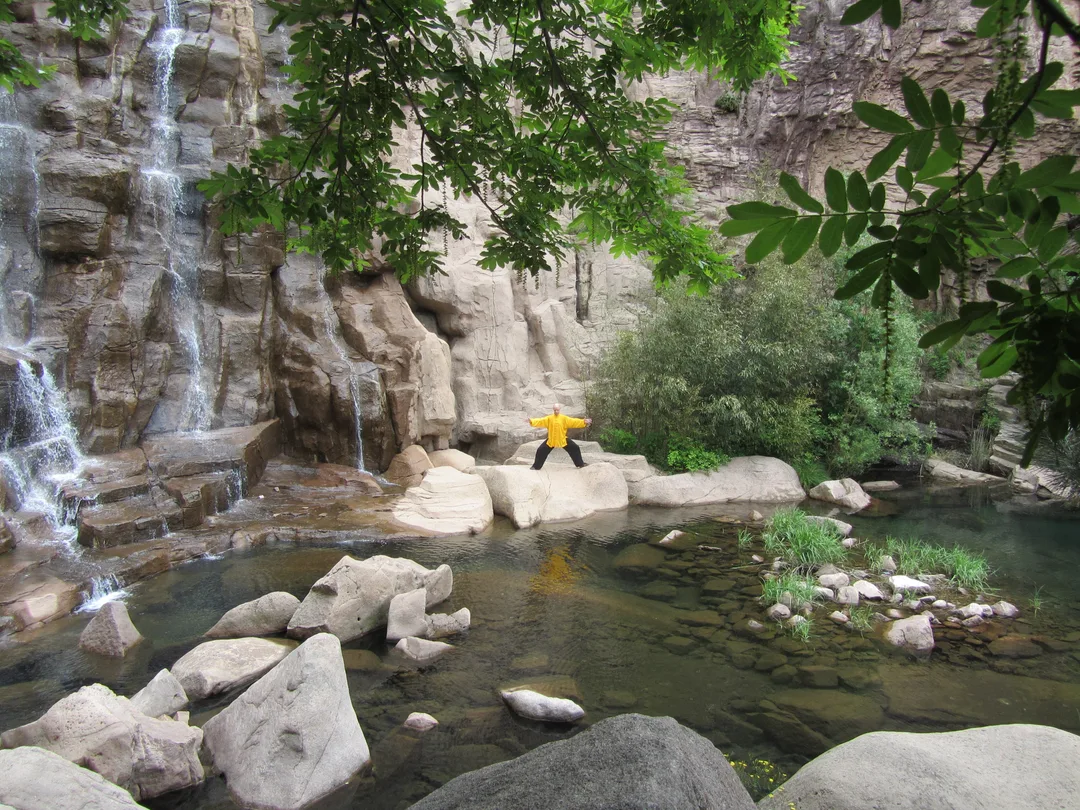
Laoshan Mountain崂山
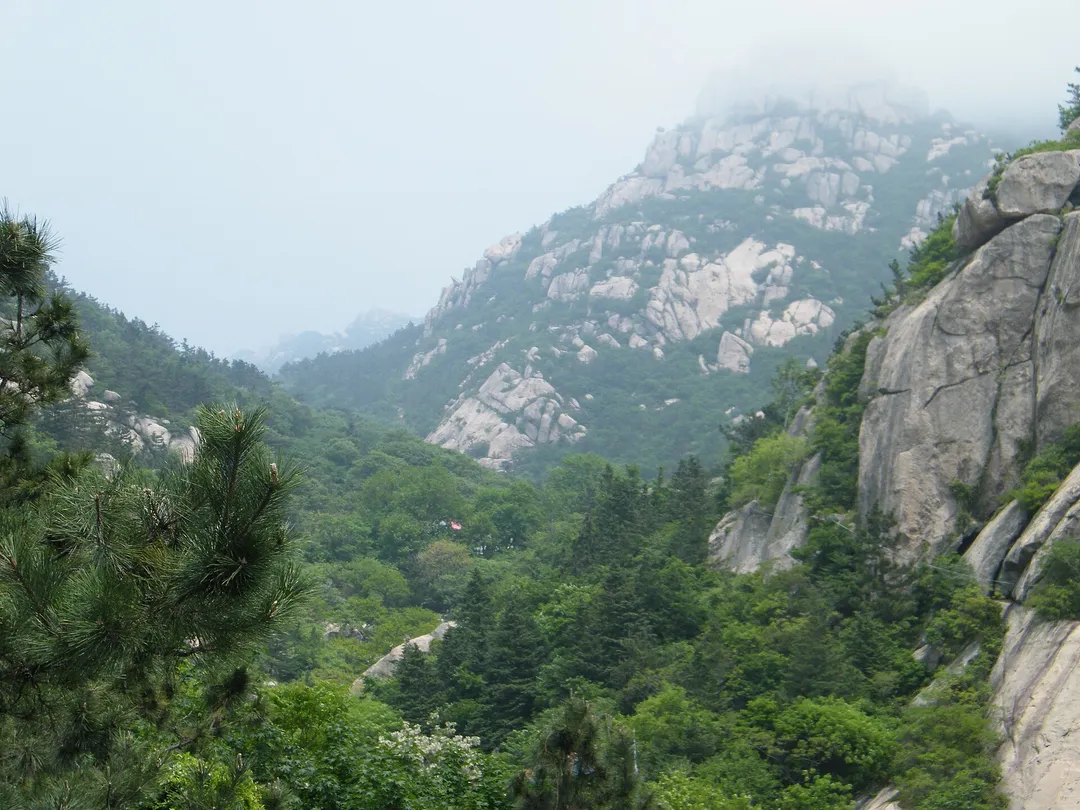
Laoshan rises on the coast east of Qingdao, its 1,132 m summit the highest point on China's mainland coastline, honored as "the first famous mountain by the sea." A cradle of the Quanzhen school of Taoism, it counts the Taiqing Palace at more than 2,000 years old, and the whole mountain is Qingdao's only national 5A scenic area.
Qingdao · Visitor Guide2026-10-27
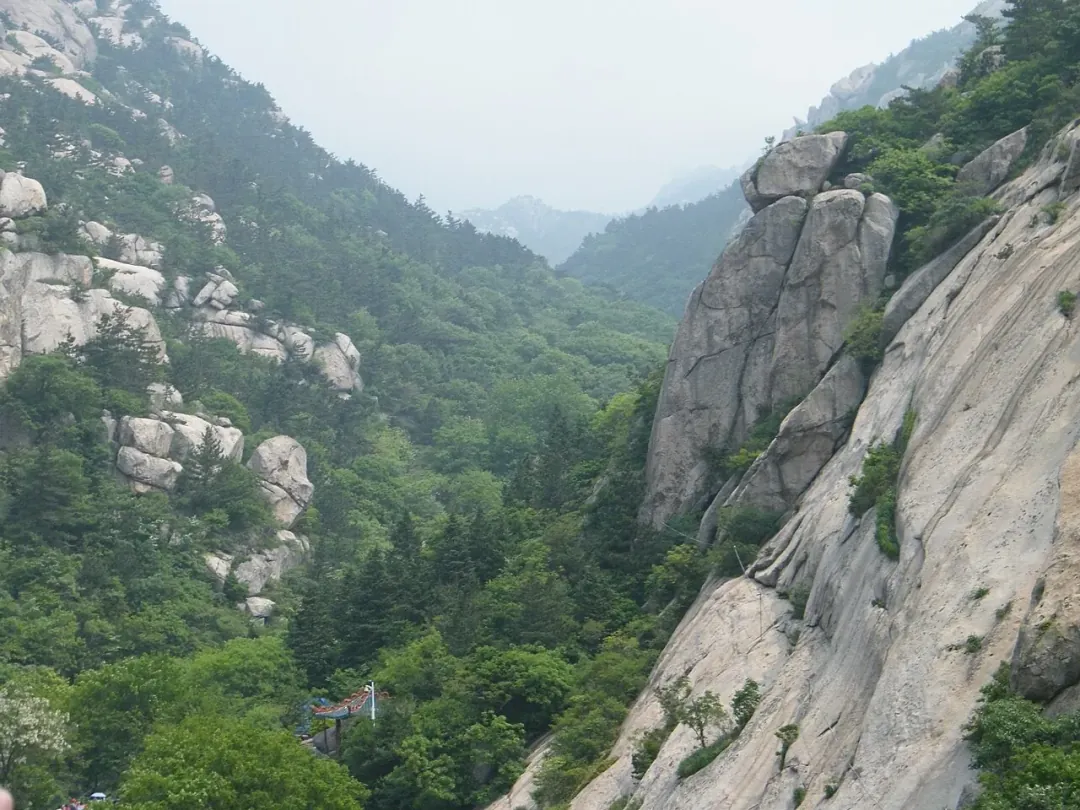
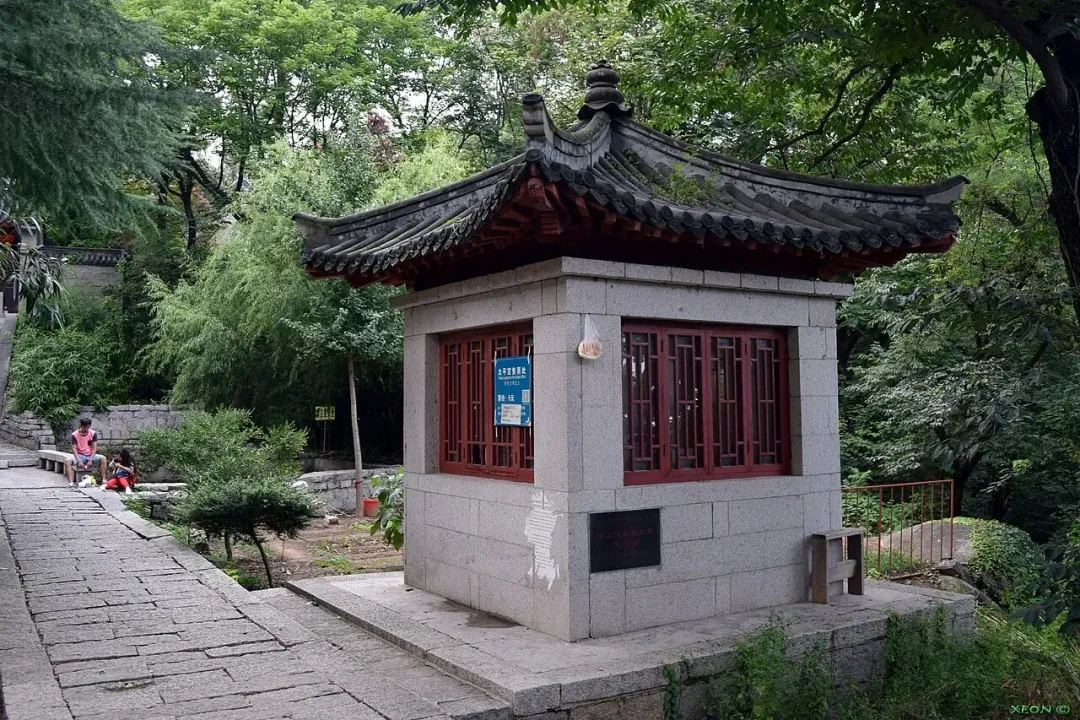
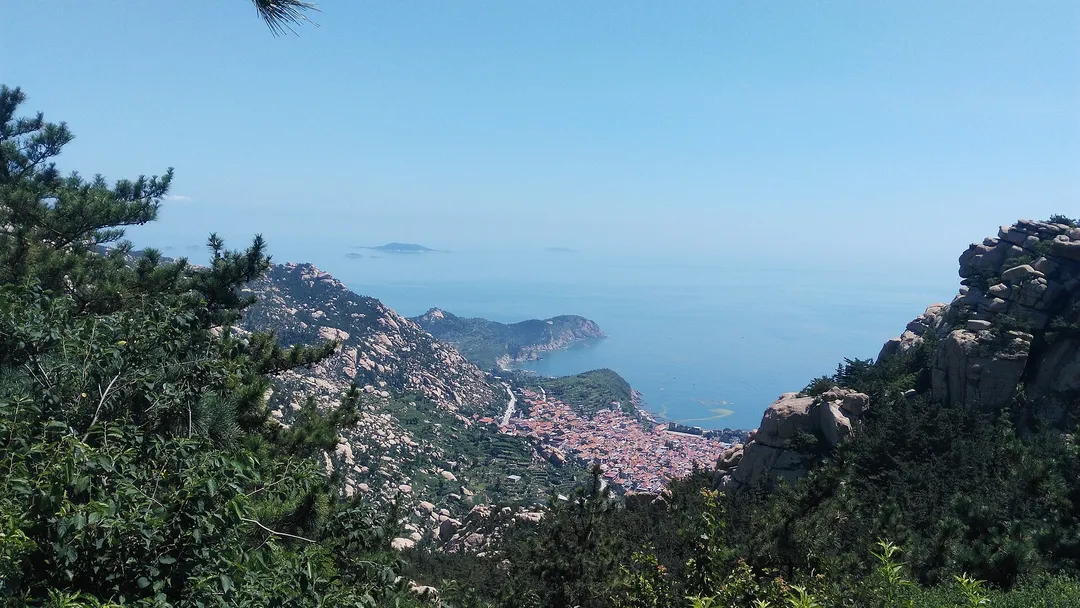
Quick Answer
Is Laoshan Mountain worth visiting?
Foremost of China's seaside mountains at 1,132 m, the birthplace of Taoism's Quanzhen school, with millennium-old trees shading the Taiqing Palace.
Quick facts
| Ticket | Peak season (Apr-Oct) CNY 160; off season CNY 120; in-park transport CNY 40 |
|---|---|
| Hours | 06:00-19:00 (peak season); 07:00-17:30 (off season) |
| Recommended duration | 1-2 days (two days to see it properly) |
| Best time to visit | April-October (summer coolness, autumn foliage) |
| How to get there | City buses 104, 304 and more run direct from downtown; by car, follow the Binhai Avenue |
| English signage | Yes |
| Wheelchair accessible | Partial |
| Elevation | 1,132 m (Jufeng, the main peak) |
| Taoist standing | Birthplace of the Quanzhen school |
| Taiqing Palace history | Over 2,000 years |
| Scenic areas | Jufeng, Taiqing, Huayan, Yangkou and more |
| 5A rating | Yes (Qingdao's only 5A site) |
| Local specialties | Laoshan mineral water, Laoshan green tea |
What to expect
Laoshan — anciently called Mount Ao — crowns the coast with its main peak, Jufeng, at 1,132 m the highest point on China's mainland coastline. Rising straight from the shore of the Yellow Sea, it has long been hailed as "the first famous mountain by the sea."
The mountain is a great center of Taoism and the birthplace of the Quanzhen school. Taiqing Palace, founded in the Western Han some 2,100 years ago, is Laoshan's most famous Taoist complex; the halls of the Three Sovereigns, Three Pure Ones and Three Officials stand solemn and unadorned beneath ginkgoes and cypresses so old their canopies shade the courtyards.
Laoshan is vast, and visits center on four areas: Jufeng (climbing and sunrise), Taiqing (Taoist culture), Huayan (Buddhist culture) and Yangkou (seaside scenery). Each has its own character, with separate tickets or a combined pass.
How to get there
From downtown Qingdao, buses 104, 304 and 802 reach the various Laoshan areas. By car, take Songling Road (Binhai Avenue) to the Laoshan visitor service center; day tours are another option.
Best photo spots
- Sunrise and the sea of clouds from Jufeng
- The ancient ginkgo at Taiqing Palace
- Sea views from Taiping Palace at Yangkou
- Red leaves at Huayan Temple
- Morning mist over Laoshan's villages
Tips
- If your stamina is average, pick Taiqing Palace or Yangkou; Jufeng takes 3-4 hours of climbing
- The mountain roads wind — drive only if confident; not recommended for new drivers
- Laoshan green tea and Laoshan mineral water are local specialties worth trying
- Buy tickets online in peak season to skip the window lines
- Wear proper walking shoes; some sections are steep
Scams to avoid
- Vendors at the mountain's foot sell "wild Laoshan green tea" at inflated prices — buy through proper channels
- Some cheap private guides lure groups and then detour to shopping stops
- Locals may charge informal roadside parking fees; use official lots
Frequently asked questions
Which area of Laoshan is most worth visiting?
Short on time, Taiqing Palace is the top pick — deep Taoist atmosphere, towering old trees and close to the sea. For a sunrise climb choose Jufeng; for seaside scenery, Yangkou.
Does it take a whole day?
Laoshan is huge — seeing it all takes two days. Most visitors pick one or two areas for half a day to a day. Jufeng needs about 5-6 hours, Taiqing Palace about 2-3.
How is Laoshan mineral water different from ordinary bottled water?
Laoshan mineral water is true natural mineral water drawn from deep in the mountain — pure and rich in trace elements. The genuine article is sold in supermarkets, slightly pricier than ordinary bottled water.
Read next
Other things to do in Qingdao
Badaguan (Eight Great Passes)
A tree-lined colonial estate district built in the 1920s–30s by European and American expatriates, with over 200 buildings in a dozen architectural styles from Spanish Colonial to English Country.
May Fourth Square
A 10-hectare seaside civic plaza in central Qingdao, anchored by the 30-meter red "Wind of May" sculpture commemorating the 1919 May Fourth Movement — walkable in 30 to 45 minutes and free to en.
Olympic Sailing Center
Sailing venue of the 2008 Beijing Olympics and a symbol of Qingdao the sailing capital; sunsets from Lovers' Pier (Qingren Ba) are superb.
Jinshatan Beach
Qingdao's Golden Beach on Huangdao, 3500 m long and 300 m wide with fine golden sand; free entry with showers 10-20 yuan, 30 minutes from downtown via the Jiaozhou Bay tunnel.
Qingdao Museum
The best single place to get a grip on Qingdao's past, with a collection of more than 30,000 artifacts. Admission is free.
St. Michael's Cathedral
Qingdao's 92-year-old German-built Catholic cathedral on Zhongshan Road — 60m twin spires, 10 RMB courtyard admission, worth 30-45 minutes between Tsingtao Brewery and the Old Town.
Tsingtao Brewery Museum
China's most-visited beer museum sits inside the 1903 Germania Brewery, where 1.2 million people a year walk through two floors of brewing history and leave with two free mugs of fresh draft — p.
Zhanqiao Pier
Qingdao's 440-meter waterfront pier juts into Jiaozhou Bay from a 1891 German-era causeway; free to walk, allow 30–60 minutes including the Huilan Pavilion turnaround.