Summary

Dongguan (东莞) is a manufacturing city of roughly 10 million people on the Pearl River Delta in Guangdong, sitting directly between Guangzhou and Shenzhen. The reasons to come are specific: a classical garden begun in 1850, the coastal site at Humen where seized opium was destroyed in 1839, villages that predate every factory around them, and a lakeside science town built after 2001. Two to three days cover the core; October to December is the most reliable window.
This guide is written for travelers deciding whether Dongguan earns a stop between its two famous neighbours, and how to spend those days without a car. Every figure below follows the numbers cross-checked in our 3-day Dongguan itinerary; the page was last verified on 2026-10-12.
Why Dongguan
Dongguan is a prefecture-level city of about 2,460 square kilometres with no single centre: it grew as a lattice of more than 30 towns and districts, each with its own food, markets and temple fairs. Guancheng, the old county seat, holds the garden and the surviving gate tower; Humen sits on the estuary 40-odd kilometres to the south; Songshan Lake is a purpose-built district on the southeastern edge. The 2020 census counted about 10.5 million residents, most of them working in the factories that gave the delta its "world's workshop" label.
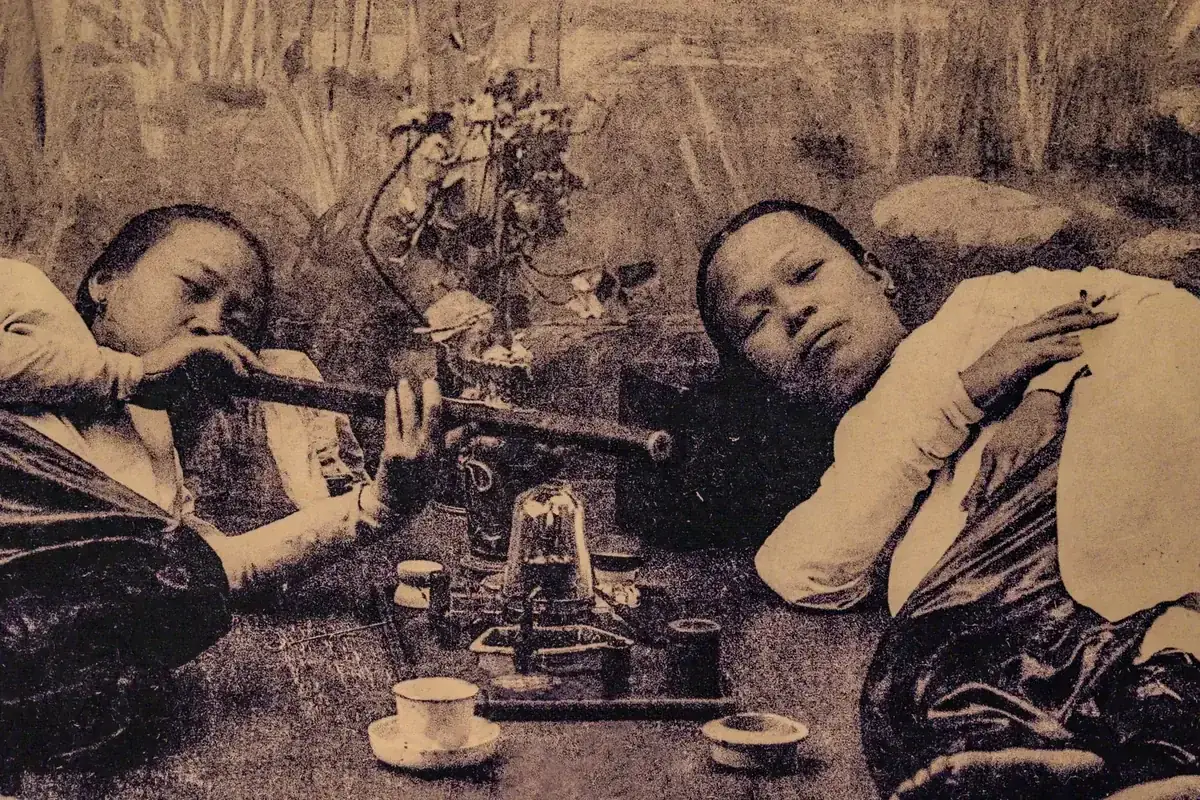
That recent wealth is exactly why the older layers matter to a visitor. The Keyuan garden of 1850 is one of the four great Lingnan gardens; the destruction pits at Humen processed about 1.19 million kilograms of confiscated opium over 23 days in June 1839; the village of Nanshe was founded in the Southern Song (1127-1279) and still lines its lanes with ancestral halls and Ming-Qing houses. Between them sit reservoirs, wetlands and an 898-metre forested high point at Yinpingshan.
The honest trade-offs: the city is spread out and public transport between towns is thin, so days are built around Didi and the two high-speed rail stations; English signage is thinner than in Guangzhou or Shenzhen; and if you only have one evening, the city will under-reward you. Dongguan pays back travelers who give it two real days and one clear theme — garden, estuary or villages.
Top Attractions
Keyuan Garden (可园)
Tickets: around 8 CNY. Getting there: Guancheng, the old town — a short Didi ride from most central hotels.
Begun in 1850 by the retired official and patron Zhang Jingxiu, Keyuan stacks pavilions, corridors, climbable stairways and borrowed views into only about 2,200 square metres — one of the four great Lingnan gardens, and the most compact of them. Terraces step up to a small hilltop kiosk with the old town's rooftops below; the floor lattice windows frame the courtyard differently at every turn. Give it 60-90 minutes, and go at opening before the light flattens and the groups arrive.
Our take: Pair it with the surrounding Guancheng blocks — the surviving Xichenglou gate tower, the market streets, and the first round of roast-goose rice noodles — into one unhurried morning.
Humen: the opium-destruction site and the forts
Tickets: museum entry free with passport registration; fort areas ticketed separately, low double digits in CNY. Getting there: HSR or Metro Line 2 to Humen railway station, then 15-20 minutes by Didi.
The facts first, plainly: from June 3 to June 25, 1839 — 23 days — about 1,188 tonnes of confiscated opium were destroyed in pits lined with wood, lime and seawater at Humen, on the order of commissioner Lin Zexu. The site today is the Opium War Museum and the destruction-pool exhibit on the ground where it happened; the sea-battle galleries document the two estuary campaigns that followed, and the restored Weiyuan Fort, with cannon emplacements facing the Humen strait, climbs the slope below the bridge. Like most Chinese state museums, the museum expects a Monday closure — bring your passport for entry.
Opening the strait above the fort grounds, the Humen Bridge — opened to traffic in 1997 with an 888-metre main span — is visible from the ramparts and from the estuary walk downstream. Budget half a day for museum, pools and fort together.
Nanshe Historic Village (南社村)
Tickets: lanes free to wander; a combined ticket opens the ticketed halls and chambers. Getting there: Chashan town, northeast of the centre — about 30-40 minutes by Didi or bus.
Founded in the Southern Song (1127-1279) and protected as a national historic-and-cultural village, Nanshe keeps a working sequence of ancestral halls, study chambers and Ming-Qing brick houses along water channels and old banyan shade. Restorations are ongoing and signage is largely Chinese-only, so go for the fabric of the place — carved lintels, gable ends, hall thresholds — rather than for interpretive panels. Two hours is right, with lunch in Chashan afterwards.
Songshan Lake (松山湖)
Tickets: free; bike hire from around 20-30 CNY per hour. Getting there: 30-40 minutes by Didi from Guancheng, or rail toward Songshan Lake station.
The science town founded in 2001 wraps a lake of roughly 8 square kilometres with greenways, campuses and a European-styled university quarter across the water. It is not a "sight" so much as Dongguan's other face — laboratories and cycle lanes instead of workshops. Rent a bike, loop a section of the shoreline, and leave before or after the weekend peak, when the greenways fill with local riders.
Xiabafang (下坝坊)
Tickets: free. Getting there: on the urban fringe near the waterway, 10-15 minutes by Didi from Guancheng.
A village of Ming-Qing houses along the water, converted lane by lane into teahouses, studios and small bars — Dongguan's most photographed block of old walls. Come at dusk, eat nearby, and treat it as an evening walk rather than a destination; two or three hours suffice.
Where to Stay
Base in Guancheng for a first visit: the garden, the gate tower and the market streets are close, and mid-range chains run 150-350 CNY a night. Humen is the alternative for a war-sites-focused stay — hotels near the station and the bridge are convenient and inexpensive, often under 250 CNY. Songshan Lake's lakeside hotels price higher, from about 400 CNY, and suit travelers pairing the city with Shenzhen. Peak pressure comes with the first week of October; book two or three weeks out then, walk-in otherwise.
Gastronomy
The signature bowl is roast-goose lai fun (烧鹅濑粉) — thick flat rice noodles under sliced roast goose in broth — 10-25 CNY at any old-town shop. Around it: Dongjiang-style river fish and braised dishes from the delta's water-country, morning tea in Chashan, and sugar-water shops (糖水) that stay open late in Guancheng. Eat where the queues are local; market breakfasts run 5-15 CNY.
Practical Information
Getting there
Dongguan has no commercial airport — fly to Shenzhen Bao'an or Guangzhou Baiyun and continue by rail. The city's two HSR stations, Dongguan and Humen, sit on the Guangzhou–Shenzhen–Hong Kong corridor.
| Route | Best mode | Typical time | Notes |
|---|---|---|---|
| Hong Kong West Kowloon → Humen | HSR | under 40 min | Cross-border through-trains, book with travel document |
| Guangzhou → Humen | HSR | about 30 min | From Guangzhou South, frequent departures |
| Shenzhen → Dongguan | Rail | under 30 min | Frequent, pairs well with a Shenzhen stay |
| Beijing / Shanghai → Dongguan | Fly + rail | — | Land at Shenzhen Bao'an or Guangzhou Baiyun, then HSR |
Getting around
Didi covers the gaps the trains leave — rides inside Guancheng run 10-20 CNY, and cross-town trips between Guancheng, Humen and Songshan Lake land at 40-80 CNY. Metro Line 2 runs north–south about 38 km, linking the two HSR stations with the centre. Buses reach every town but are slow; rent a car only if the villages and the high point are the priority.
When to go
Ranked: first, October to December — cool, dry and clear, the delta's kindest light; second, spring (April-May) and the September shoulder. Avoid the national-holiday weeks (early February, early May, early October), when roads and sights are at their fullest.
Money and connectivity
Alipay and WeChat Pay both bind international cards and work at ticket windows and noodle shops alike; carry about 100-200 CNY in cash for small village vendors. Tourist eSIMs work across the delta; hotel Wi-Fi is routine.
Two-Day Core Itinerary
| Day | Base | Morning | Afternoon | Evening |
|---|---|---|---|---|
| 1 | Guancheng | Keyuan at opening (around 8 CNY) | Xichenglou gate tower and market streets | Xiabafang lanes at dusk |
| 2 | Guancheng or Humen | HSR to Humen: destruction pools and museum | Weiyuan Fort under the 888-metre bridge | Back to Guancheng for roast goose |
Two variations are worth making. With a third day, add Nanshe village and Songshan Lake — the 5-day Dongguan itinerary shows the sequencing. With a week, extend to the 898-metre climb at Yinpingshan and the Huayang Lake wetland, laid out day by day in the 7-day Dongguan itinerary. Travelling onward instead? The Guangzhou travel guide and the Shenzhen travel guide cover the two neighbours, and the Guangdong guide stitches the region together.
Pacing notes: put the garden on a weekday morning; check the museum's Monday closure before fixing the Humen day; and do not schedule Songshan Lake cycling at midday in July or August.
Beyond the Highlights
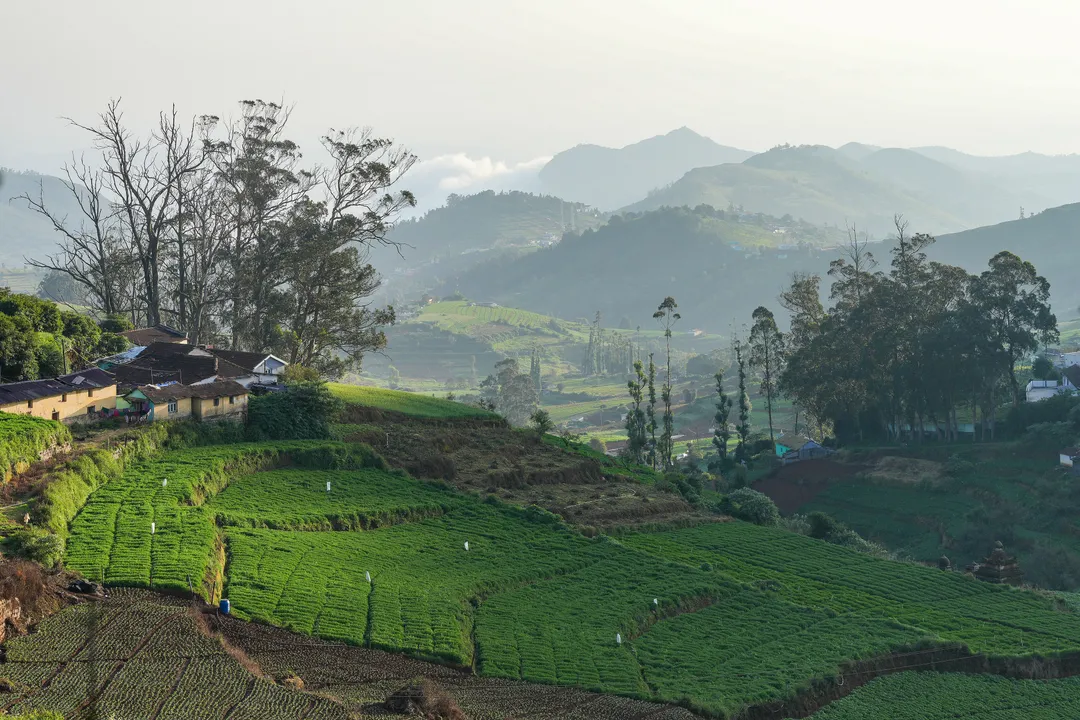
Yinpingshan is the city's high point — 898 metres above Xiegang town in the southeast, reached by forest stairways with reservoir views on the descent, and the coolest place in Dongguan on a hot day. The Huayang Lake wetland in Machong restores the delta's older water-country: lotus beds in summer, boat lanes and village food. In Guancheng itself, the morning wet market around the old streets is the most direct look at what the town ate before the factories came.
Decision Support
Map
Orient on three axes: Guancheng in the centre-north (garden, gate tower, food streets); Humen on the estuary to the south (museum, pools, fort, bridge); and the southeastern belt (Songshan Lake, then Yinpingshan beyond it). Nanshe and Chashan sit northeast of Guancheng. Amap (Gaode) has the best local routing; download it offline.
Cost breakdown
Daily budget, mid-range, 2026, per person in CNY: accommodation 300-600; food 100-200; local transport 30-60; attractions 50-150 — a total of 500-1000 per day. Backpacker days (cheapest chains, metro and bus, one paid sight) run 150-250. The swing item is Didi: share rides between sights and the total drops fast.
When to go
If you want one answer: November — dry, mild and past the holiday crush. The roster's "most pleasant" answer, spring (April-May) and autumn (September-October), is right for the villages and the fort; October to December is the driest stretch overall. Avoid the first week of October.
Practical
Five calls carry the trip. One: base in Guancheng, two nights minimum. Two: keep the Humen day off a Monday. Three: use HSR + Didi rather than buses between towns. Four: carry 100-200 CNY cash for village vendors. Five: in July-August, swap the outdoor days to mornings.
Glossary of Useful Terms
| Chinese | Pinyin | Meaning |
|---|---|---|
| 东莞 | Dōngguǎn | Dongguan |
| 可园 | Kěyuán | Keyuan, the 1850 garden |
| 虎门 | Hǔmén | Humen, the estuary town |
| 濑粉 | làifěn | thick flat rice noodles |
| 多少钱 | duōshǎo qián | how much |
| 谢谢 | xièxie | thank you |
Emergency Contacts
- Police: 110
- Ambulance: 120
- Fire: 119
- Tourist hotline: 12301
Sources and Verification
The headline figures on this page — the Keyuan start date of 1850 and its roughly 2,200-square-metre plan, the destruction of about 1,188 tonnes of opium across 23 days from June 3 to 25, 1839, the Humen Bridge's 1997 opening and 888-metre main span, Nanshe's Southern Song founding (1127-1279), the 898-metre high point, and the Songshan Lake science town of 2001 around a lake of about 8 square kilometres — follow the cross-checked figures used across our Dongguan itineraries; rail times were checked against current schedules in October 2026. Prices move with the seasons — reconfirm within a fortnight of travel.
Dongguan rewards travelers who give it two real days: a garden morning, an estuary afternoon, villages between. Last verified 2026-10-12. For the full day-by-day versions, start at the trip hub and the 3-day Dongguan itinerary.