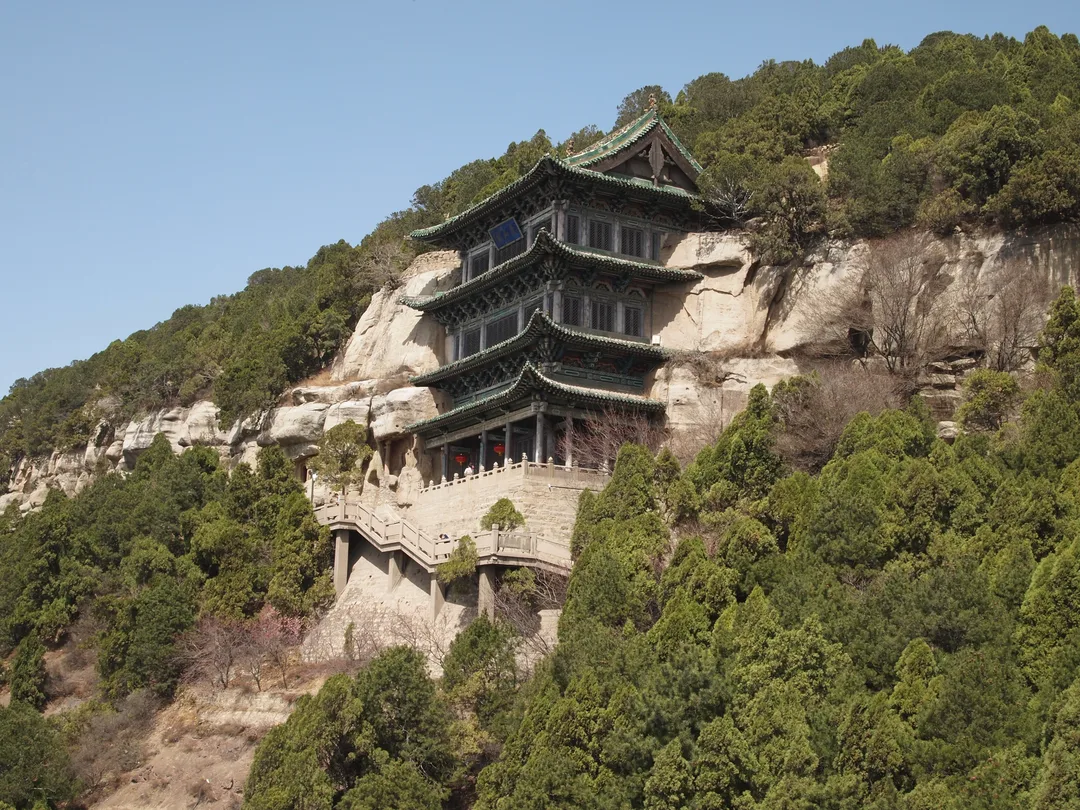
Tianlongshan Grottoes天龙山石窟
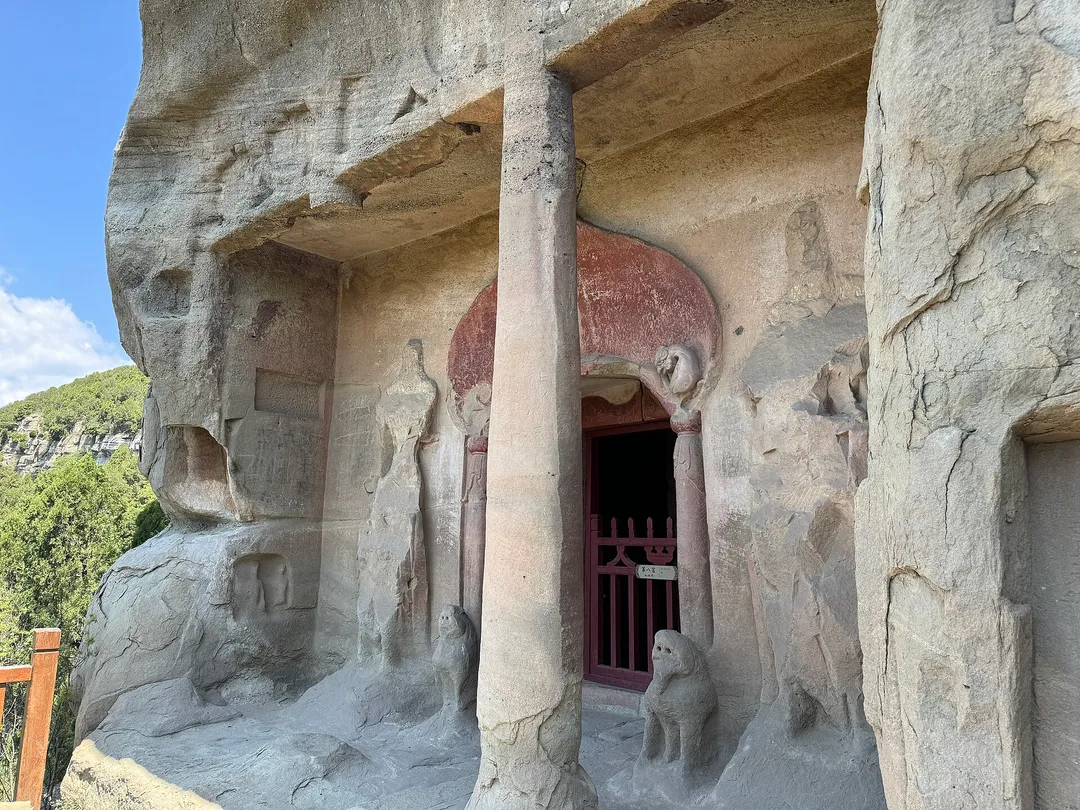
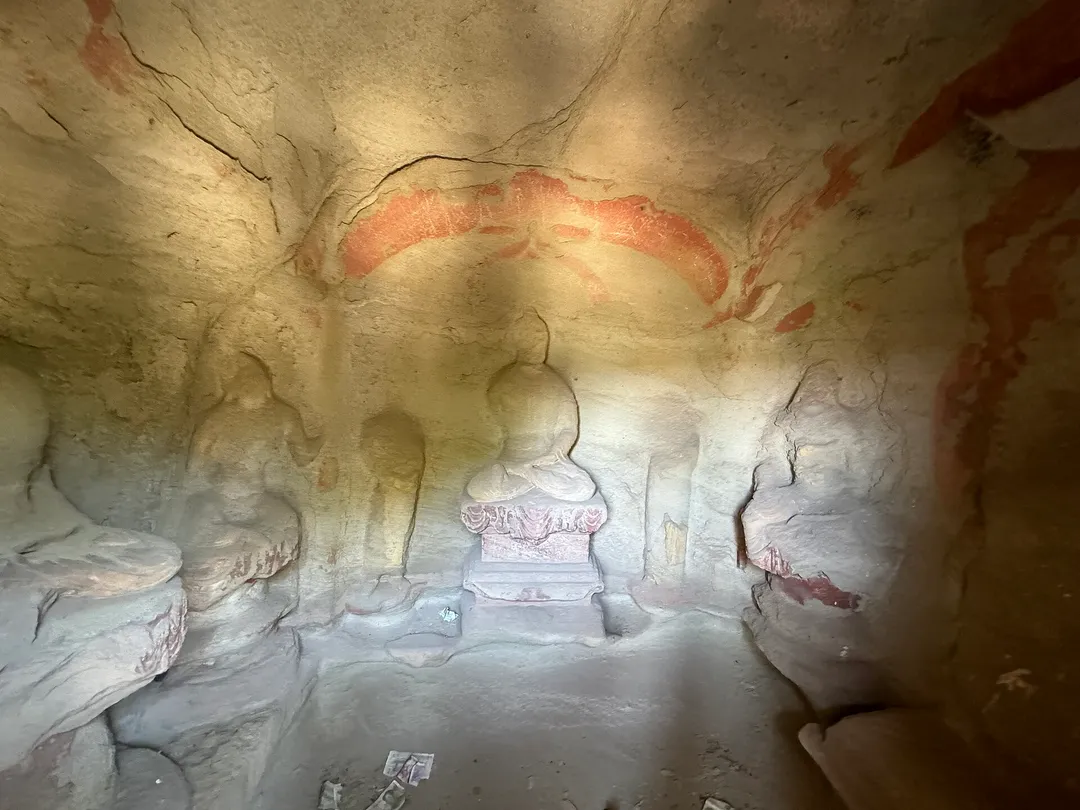
Las Grutas de Tianlongshan son una serie de templos budistas excavados en los acantilados de una montaña remota a 40 kilómetros de Taiyuan. Las grutas se tallaron entre los siglos VI y IX (de la Wei del Norte a la dinastía Tang) y en su día albergaron más de 100 esculturas budistas; hoy sobreviven unas 150, desde grandes Budas sedentes hasta delicadas figuras asistentes. El entorno es extraordinario: las grutas están talladas en una pared de arenisca 300 metros sobre el fondo del valle, rodeada de bosque de pinos. El acceso exige una caminata corta desde el centro de visitantes.
Taiyuan · guía de visita2026-10-18
Respuesta rápida
¿Merece la pena visitar Tianlongshan Grottoes?
Templos rupestres budistas de las dinastías Wei del Norte a Tang, a 40 km de Taiyuan. Una caminata de 30 minutos hasta grutas remotas en la cima de la montaña. Entrada: ¥50.
Datos rápidos
| Entrada | ¥50 por persona (a fecha de 2026). Mitad de precio para estudiantes. Gratis para menores de 1,2 m. |
|---|---|
| Horario | Abril–octubre: 8:30–18:00. Noviembre–marzo: 9:00–17:00. Cerrado los lunes en invierno. |
| Duración recomendada | Medio día (3–4 horas incluyendo trayecto y caminata). |
| Mejor época para visitar | Primavera y otoño para caminar con comodidad. Otoño (octubre) por el follaje. Verano para la montaña más verde, aunque cuesta más subir. Evita los días de lluvia: las escaleras de piedra se vuelven resbaladizas. |
| Cómo llegar | Desde Taiyuan, toma el autobús 804 desde la estación de tren de Taiyuan hasta la parada de Tianlongshan al pie de la montaña (¥15, 1,5 horas, 3–4 salidas al día). Alternativamente, contrata un DiDi (¥150–200 ida y vuelta con tiempo de espera, 1 hora por trayecto). Se recomienda encarecidamente un coche por flexibilidad. |
| Señalización en inglés | Parcial |
| Acceso en silla de ruedas | No |
| Grutas | más de 30 cuevas talladas en el acantilado de arenisca |
| Esculturas | unas 150 figuras budistas supervivientes |
| Periodo | Wei del Norte a dinastía Tang (siglos VI–IX) |
| Altura | 300 m sobre el fondo del valle |
| Caminata | 30 minutos de subida desde el centro de visitantes a las grutas |
Qué esperar
Las Grutas de Tianlongshan se crearon a lo largo de unos 300 años, desde la dinastía Wei del Norte (386–534 d. C.) hasta el apogeo de la dinastía Tang (siglo VIII). El emplazamiento se eligió por su dramatismo: un paredón de arenisca a 300 metros sobre un valle boscoso, visible a kilómetros, ideal para un lugar sagrado budista. Las grutas están orientadas al sur, de modo que el sol invernal calienta la pared y las esculturas del interior.
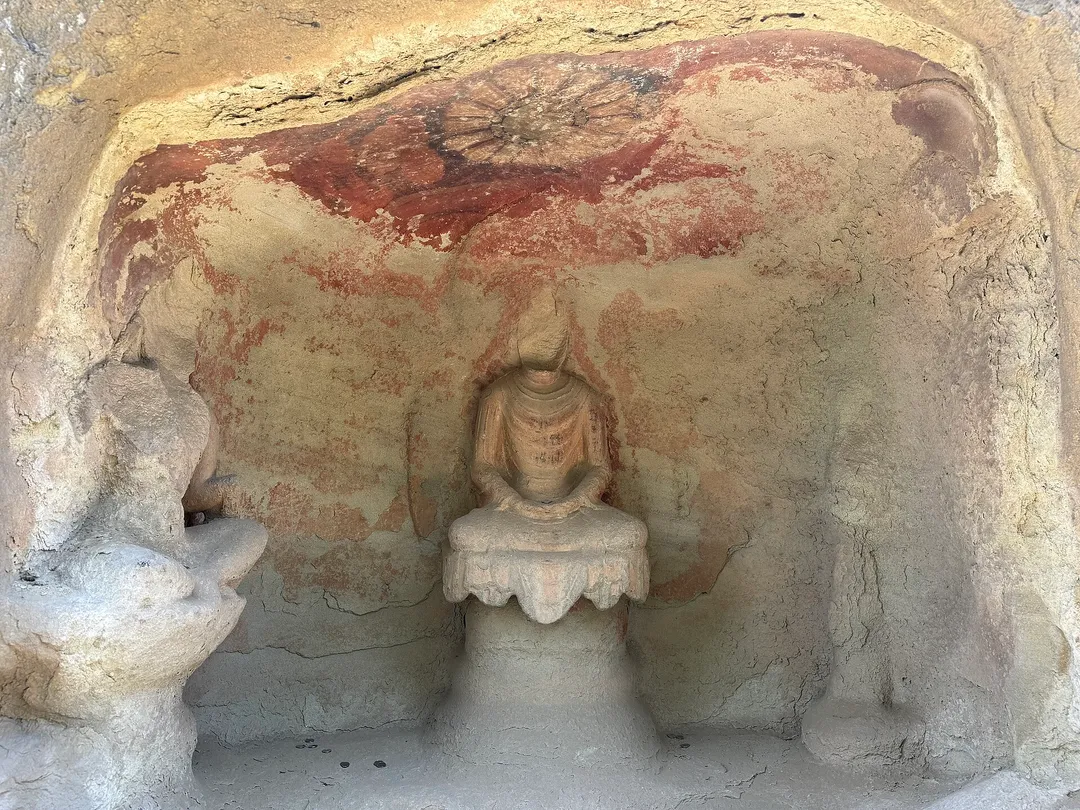
En su apogeo, el sitio albergaba más de 100 esculturas budistas que cubrían todo el repertorio iconográfico: el Buda Amitabha sentado, el Buda Maitreya de pie, bodhisattvas en variadas posturas y figuras guardianas. Las cuevas de la Wei del Norte muestran figuras más austeras y alargadas, con una fuerte influencia de Asia Central. Las de la dinastía Tang —talladas en la edad de oro cultural Tang— presentan figuras más naturales y humanizadas, con túnicas fluidas y expresiones serenas. Juntas forman una de las mejores secuencias de la evolución de la escultura budista china.
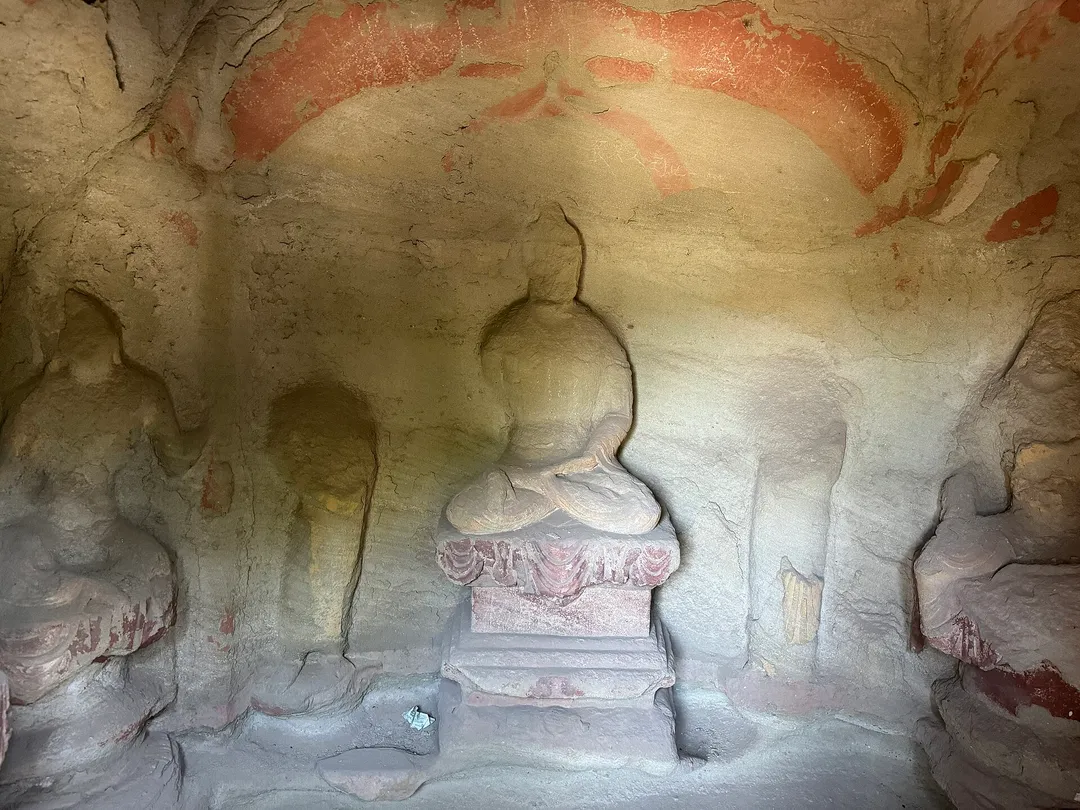
La mayoría de las mejores esculturas fueron saqueadas en los años veinte y treinta por una mezcla de traficantes extranjeros y anticuarios locales. Hoy muchas de las piezas más importantes están en el Museo de Shanxi en Taiyuan o en grandes museos internacionales como el Metropolitan de Nueva York y el Musée Guimet de París. Los nichos vacíos y las figuras dañadas que quedan en el sitio cuentan una conmovedora historia de pérdida cultural. Un proyecto de restauración ha estabilizado las esculturas supervivientes.
Cómo llegar
Toma el autobús 804 desde la estación de tren de Taiyuan hasta la parada de la base de Tianlongshan (¥15, unas 1,5 horas, salidas limitadas). Desde la base, una caminata de 30 minutos cuesta arriba por escaleras de piedra lleva a las grutas. Alternativamente, contrata un DiDi para el día (¥150–200 ida y vuelta con espera). La carretera de montaña es estrecha y serpenteante: para el viajero independiente, un coche con conductor experimentado es la opción más práctica.
Mejores puntos fotográficos
- Panorámica del paredón: un plano amplio con todas las bocas de las grutas talladas en la arenisca
- El Buda sedente de la cueva 9: una de las grandes esculturas mejor conservadas del sitio
- La vista del valle desde la plataforma de la cima: montañas boscosas y cielo azul
- Los nichos vacíos que dejaron las esculturas saqueadas: una imagen documental poderosa
Consejos
- Sal temprano para reservar medio día completo al viaje, incluido el trayecto desde Taiyuan
- Lleva buen calzado de senderismo: las escaleras de piedra son empinadas y resbaladizas tras la lluvia
- Trae agua y algo de comer: no hay servicios en la montaña
- Combínalo con una visita al Museo de Shanxi antes o después para ver las esculturas retiradas del sitio
- Consulta con antelación los horarios de vuelta del autobús: el último hacia Taiyuan sale alrededor de las 16:00
Estafas que evitar
- No hay estafas reseñables en el propio sitio: es remoto y cuenta con un personal pequeño y profesional. Ojo con los «guías locales» de la base, que pueden cobrar de más por acompañamientos informales de senderismo
Preguntas frecuentes
¿Merecen la pena las Grutas de Tianlongshan?
Sí, si te interesan el arte budista y los templos rupestres. El entorno es extraordinario (un acantilado de montaña remoto) y las esculturas supervivientes —menos numerosas que en grandes sitios como Yungang o Longmen— transmiten bien la grandeza original. El Museo de Shanxi conserva las mejores piezas retiradas del sitio.
¿Qué tan dura es la caminata hasta las grutas?
Moderada. El camino sube 30 minutos por escaleras de piedra con algo de sombra. No es técnica, pero exige un estado de forma razonable. No es accesible para sillas de ruedas.
¿Puedo ver las esculturas en el Museo de Shanxi primero?
Sí, de hecho es el enfoque recomendado. La segunda planta del Museo de Shanxi tiene una gran exposición de esculturas de Tianlongshan, incluidas piezas saqueadas del sitio. Saber cómo eran las grutas antes del saqueo hace la visita más significativa.
¿Hay restaurante o tienda en Tianlongshan?
No: trae todo lo que necesites. Hay un pequeño centro de visitantes en la base con baños básicos y agua potable. Los restaurantes más cercanos están en el pueblo al pie de la montaña.
¿Cómo vuelvo a Taiyuan si pierdo el último autobús?
Tendrás que contratar un DiDi o negociar con un conductor local. Por eso muchos visitantes prefieren alquilar coche con conductor para el día, que cuesta ¥400–600 e incluye el tiempo de espera.
Leer después
Otras cosas que hacer en Taiyuan
Chenghuang Temple (Fengde Temple)
Antiguo templo en el centro de Taiyuan dedicado al dios de la ciudad. Entrada gratuita. Salas de madera de la dinastía Ming y honda significancia cultural local. Suele combinarse con el cercano Templo Jin.
Taiyuan Food Street
La calle gastronómica vespertina más animada de Taiyuan: 400 metros de fideos dao xiao mian, catas de vinagre añejo, sopa de cordero y puestos de aperitivos — la manzana con más vida de la ciudad tras el anochecer.
Jinci Temple
El templo ancestral más antiguo de China, a los pies del monte Xuanweng, en Taiyuan: la Sala de la Santa Madre Song, los cipreses Zhou y la viga voladora en cruz.
Jin Temple (Jinci)
El complejo de templo ancestral más antiguo que sobrevive en China — a 25 km al suroeste de Taiyuan, con el salón de la Sagrada Madre Song, el puente volador cruzado y cipreses de la era Zhou en un solo eje.
Twin Pagoda Temple (Shuangta Temple)
El Templo de las Pagodas Gemelas de la dinastía Ming (Yongzuo): dos pagodas de 54 m cada una, construidas en 1597, las más altas de Shanxi. Entrada gratuita, subir a la pagoda 10 CNY. 8:00-17:30. Directo con la línea 2 de metro (estación Shuangta Temple). 1-2 horas.
Shanxi Museum
Uno de los mejores museos provinciales de China: más de 500.000 piezas que abarcan 5.000 años de historia de Shanxi. Gratis. Su señalización en inglés es excelente.
Museos en Taiyuan
Shanxi Museum
El museo provincial de Shanxi en Taiyuan, China. Entrada gratuita con reserva por franja, más de 500.000 piezas y el Zun en forma de ave de Zhou Occidental como emblema. Abre 9:00-17:00, cierra los lunes.
Shanxi Provincial Museum
El Museo Provincial de Shanxi es el nombre antiguo (1953-2004) del actual Museo de Shanxi — el museo provincial de Taiyuan, China. Entrada gratuita, 9:00-17:00, 500.000+ piezas. Verificado 12-10-2026.