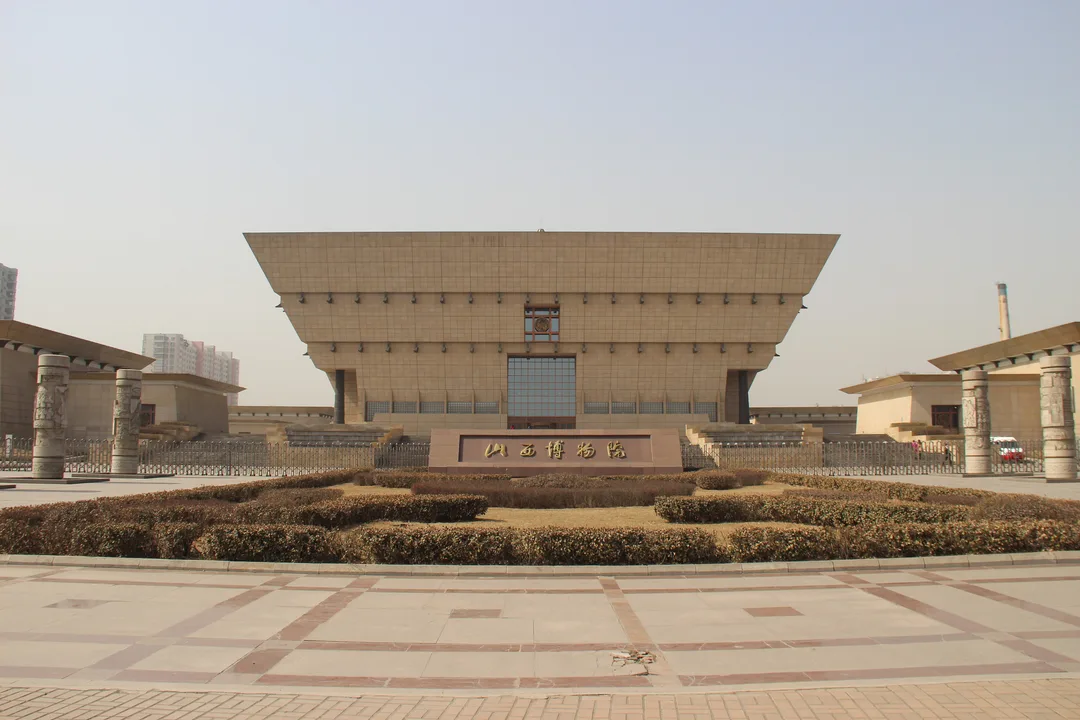
Shanxi Museum山西博物院
Shanxi Museum (山西博物院) is Taiyuan's flagship cultural institution, a modern building on Binjiang Avenue opened in 2004 that houses over 500,000 artifacts spanning 5,000 years of Shanxi history. The collection is particularly strong on Neolithic pottery (Yangshao, Longshan), Bronze Age ritual vessels (Shang and Zhou dynasty), and Tang dynasty murals and sculptures. The museum's bilingual display and interpretation are among the best of any Chinese provincial museum. A free, air-conditioned refuge on hot summer days or rainy afternoons.
Taiyuan · Visitor Guide2026-10-18
Quick Answer
Is Shanxi Museum worth visiting?
One of China’s finest provincial museums — 500,000+ artifacts spanning 5,000 years of Shanxi history. Free. English signage is excellent.
Quick facts
| Ticket | Free (as of 2026). No ticket required for general entry; special exhibitions may charge ¥20–60. |
|---|---|
| Hours | 09:00–17:00 (Tuesday–Sunday, closed Monday). Last entry at 16:00. |
| Recommended duration | 2–4 hours depending on depth. |
| Best time to visit | Any time — it is an indoor, air-conditioned space, ideal on hot summer days or rainy afternoons. Weekday mornings are quieter. Allow at least 3 hours for a thorough visit. |
| How to get there | Metro Line 2 to Provincial Government (省政府) Station, Exit A, then 5-minute walk. Metro Line 2 or 1 to Chang'an Street (长安街) Station. City buses 6, 10, 56, 602 to Shanxi Museum stop. |
| English signage | Yes |
| Wheelchair accessible | Yes |
| Founded | 1919 (original); current building opened 2004 |
| Collection | 500,000+ artifacts; 3,500 on display |
| Area | 168,000 m² |
| Key collection | Neolithic pottery, Shang-Zhou bronze, Tang dynasty murals |
| Rating | National first-level museum |
| Location | Binjiang Avenue, Taiyuan city centre |
What to expect
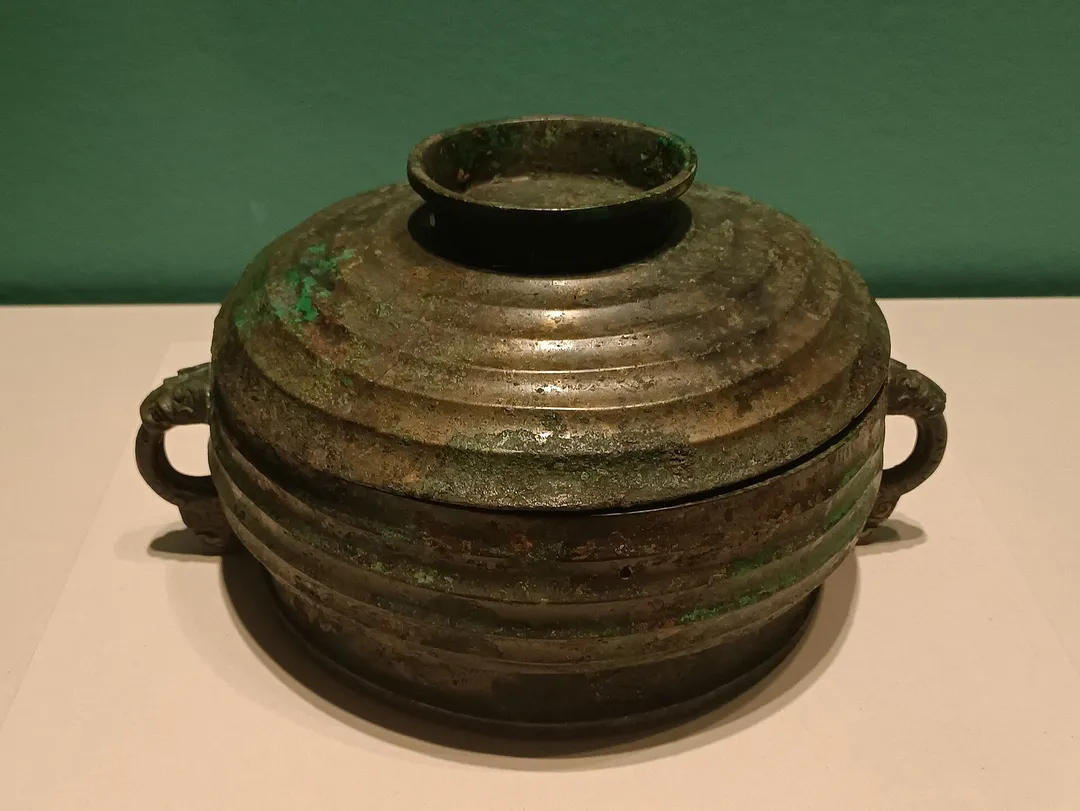
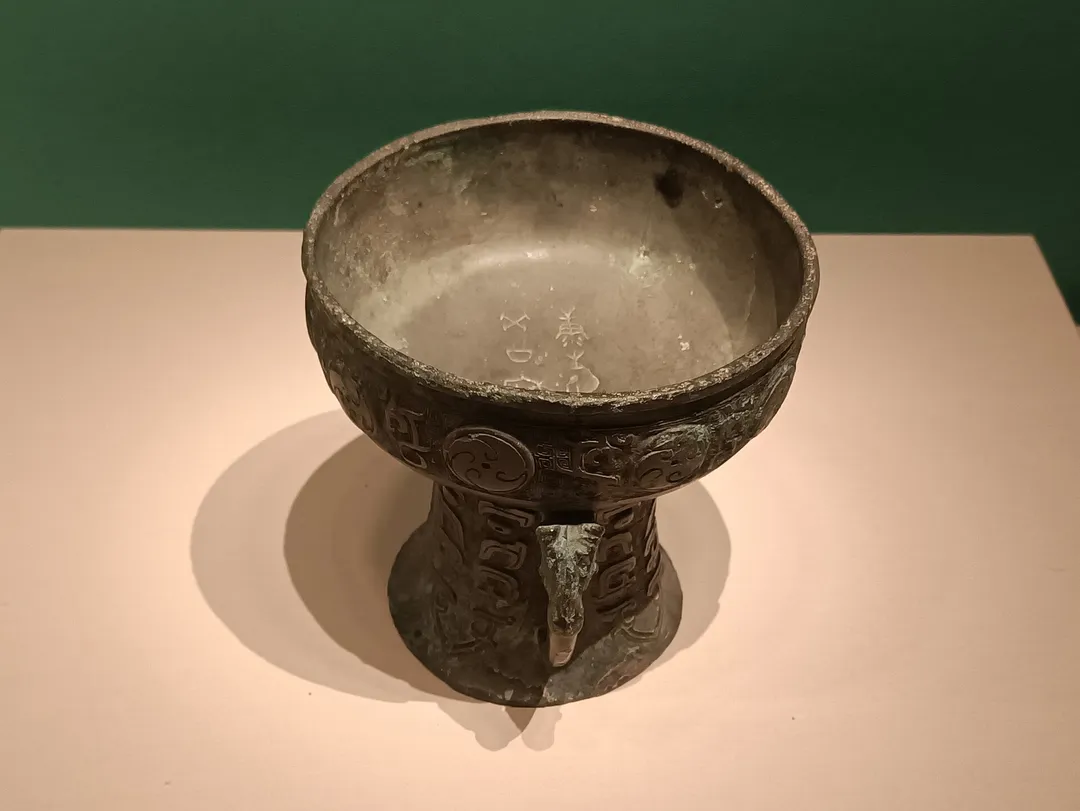
The most remarkable objects are the Neolithic Yangshao and Longshan pottery vessels — some of the earliest examples of Chinese ceramic art, with their distinctive painted patterns of fish, frogs, and geometric forms. The Shang and Zhou bronze collection includes ritual wine vessels (zun) and food vessels (ding) of extraordinary craftsmanship. The Tang dynasty section has a remarkable set of tomb murals recovered from the tomb of a Tang noble family near Taiyuan — the colours are still vivid and the figurative scenes of court life give a vivid picture of Tang social life.
The museum's English signage is among the best of any Chinese provincial museum — almost every object has a bilingual label with detailed information. An audio guide (¥30) is available in English. The museum has a good café and a bookshop. It is one of Taiyuan's best air-conditioned indoor spaces — on hot summer days (Taiyuan can reach 35°C in July–August) the museum is a welcome refuge.
How to get there
Metro Line 2 to Provincial Government (省政府) Station, Exit A — the museum is visible from the exit, 5 minutes' walk. Metro Line 1 or 2 to Chang'an Street (长安街) Station, 10 minutes' walk. A DiDi within Taiyuan costs ¥10–15.
Best photo spots
- The exterior of the museum building — the tiered vessel shape is distinctive and best photographed from the Binjiang Avenue plaza
- The Neolithic pottery collection — the painted Yangshao fish图案 is one of the most recognised early Chinese symbols
- The Tang dynasty mural fragments — their colours are vivid and the figures are graceful
- The main staircase — the ascending floors represent the chronological depth of the collection
Tips
- Go on a rainy afternoon or hot summer day — the museum is perfectly air-conditioned and the Shanxi heat in July–August can be oppressive
- The audio guide (¥30, English) is worth it for the extra context on the most important objects
- Budget at least 3 hours — the collection is large and dense
- Combine with a visit to the nearby Fen River park and the twin pagodas of Shuanglin Temple (¥30) for a full cultural day in Taiyuan
- The museum's bookshop has a good selection of English-language books on Chinese archaeology and Shanxi history
Scams to avoid
- None significant at the museum itself. Be cautious of unofficial "tour guides" hovering near the entrance offering ¥100 tours — the museum's audio guide is sufficient.
Frequently asked questions
Is Shanxi Museum free?
Yes — general entry is free as of 2026. Special exhibitions may charge ¥20–60. No ticket is required for general entry.
How long do I need at Shanxi Museum?
2–3 hours for a thorough visit of the main permanent collection. The museum is large and the collection is dense — try to see at least the Neolithic, Bronze Age, and Tang sections.
Is the English signage good?
Yes — Shanxi Museum is notable for having some of the best English signage of any Chinese provincial museum. Most objects have bilingual labels.
Is it wheelchair accessible?
Yes — the museum is fully step-free with elevators and accessible restrooms, one of the most accessible major museums in China.
Read next
Other things to do in Taiyuan
Chenghuang Temple (Fengde Temple)
Ancient temple in central Taiyuan dedicated to the city god. Free entry. Ming Dynasty wooden halls and local cultural significance. 1–2 hours, often combined with nearby Jin Temple.
Taiyuan Food Street
Taiyuan's signature 400-meter evening food lane: Shanxi knife-cut noodles, aged-vinegar tastings, lamb soup and snack stalls — the liveliest block in town after dark.
Jinci Temple
China's oldest ancestral temple, at the foot of Xuanweng Mountain outside Taiyuan: the Song-dynasty Hall of the Holy Mother with 43 painted figures, Zhou cypresses and a cross bridge.
Jin Temple (Jinci)
China's oldest ancestral temple complex, 25 km southwest of Taiyuan — the Song-dynasty Hall of the Holy Mother, the Flying Cross Bridge and Zhou-era cypresses in a single axis.
Twin Pagoda Temple (Shuangta Temple)
Ming-dynasty Twin Pagoda Temple (Yongning Temple) in Taiyuan — two 54 m pagodas of 1597, the tallest in Shanxi; free entry, tower climb 10 yuan, open 8:00-17:30.
Tianlongshan Grottoes
Buddhist cave temples from the Northern Wei to Tang dynasties, 40 km from Taiyuan. 30-minute hike to remote hilltop grottoes. ¥50 entry.
Museums in Taiyuan
Shanxi Museum
The provincial museum of Shanxi in Taiyuan, China — free timed entry, 500,000+ artifacts, and the Western Zhou Bird-Shape Zun as its emblem. Open 9:00-17:00, closed Mondays.
Shanxi Provincial Museum
Shanxi Provincial Museum is the old name (1953-2004) of today's Shanxi Museum — the provincial museum of Taiyuan, China. Free entry, 9:00-17:00, 500,000+ artifacts. Verified 2026-10-12.