
Hengyang at a Glance
Hengyang is a Xiang River city in southern Hunan, 40 minutes south of Changsha by high-speed train and about 2 hours from Guangzhou, and it earns a focused 2 days — 3 if you give the sacred mountain its full climb. Chinese travelers know it for one thing above all: Nanyue Hengshan, the southernmost of the Five Great Mountains, whose highest point, Zhurong Peak, tops out at 1,300.2 metres. The city itself keeps two quieter cards: Shigu Academy at the river confluence, founded in the early 800s, destroyed in the 1944 Battle of Hengyang and rebuilt in 2006, and Huiyan Peak, at 96.8 metres the southernmost of the range's 72 peaks — the spot where, legend says, migrating geese turned back north, and the detail that gives the city its "Wild Goose City" nickname.
This guide gives you the order to see things in, the trains that get you there, and the costs: a mid-range day runs 500-1000 CNY per person including a 300-600 CNY hotel, and a backpacker can hold the line at 40.
Why Hengyang
Hengyang's argument is the mountain. Of the five peaks emperors climbed and canonized as the Five Greats, four sit in the country's interior; Hengshan is the one anchored in the humid south, and the pilgrimage economy it generated — the walled grand temple at its foot, the temple town of Nanyue, the cableway and the stone stairways — is the most complete of its kind this far south. The city is also where Hunan's war history sits in the open: the 1944 defense of Hengyang against overwhelming Japanese forces is remembered at shrines and plaques across town, and the 1943 Zhonglie Shrine on the mountain records the war dead by name.
The rail web makes the trip easy. High-speed trains reach Hengyang East from Changsha in about 40 minutes and from Guangzhou in around 2 hours, so the city pairs naturally with a Hunan itinerary — see our Changsha guide for the provincial capital and the Hunan guide for the province between them. The honest trade-offs: English signage is thin, the city itself is workmanlike rather than pretty, and the headline sight is 50 km north of downtown, so you will spend half a day in transit either way.
Shigu Academy: the Confluence Tower
Shigu Academy (石鼓书院) stands where the Zheng water meets the Xiang, on a low rock that carries a compact complex of halls, a stone drum shrine and a river-facing pavilion. It counts among the earliest academies in the region, with teaching on this site from the early 800s; war destroyed the buildings in 1944, and the version you visit was rebuilt in 2006 to the recorded footprint. That history matters more than the timber: this was one of the engines that made Hunan a byword for scholars and stubbornness in equal measure.
Give the academy an hour, then walk the riverfront — the confluence promenade is the city's best free walk, and evening brings out ballroom dancers and barbecue stalls under the bridges.
Huiyan Peak and the Old City
Huiyan Peak (回雁峰) is less a peak than a dignified hill in the middle of town — 96.8 metres, the southernmost of the 72 peaks of the Hengshan range, which is exactly the kind of geographic boast Chinese cities collect. The name comes from the migration story: geese flying south for winter were said to stop here and turn back, making Hengyang the limit of the northbound spring. A temple, pavilions and stone stairways fill the park, and the surrounding blocks hold the city's older lanes and its morning markets.
One unhurried morning covers it. Pair the hill with the Xiang River bridges, and keep the evening for the food streets — details below.
Nanyue: the Grand Temple at the Foot of the Mountain
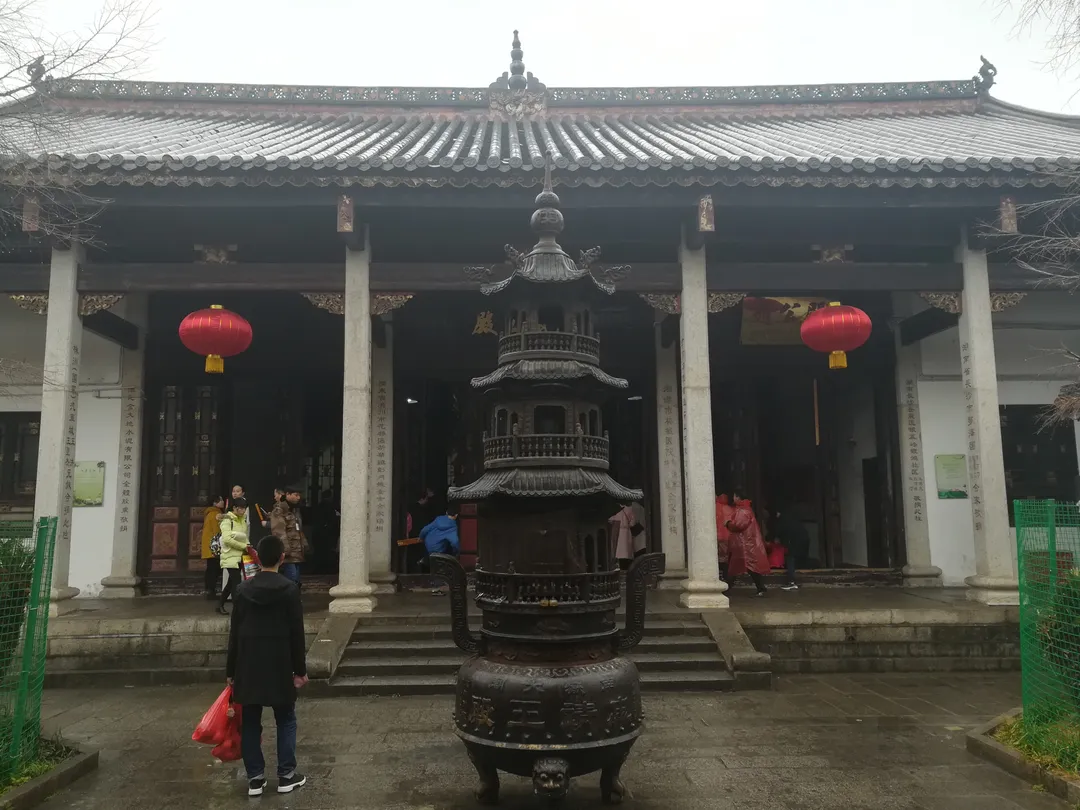
About 50 km north of downtown sits Nanyue town, the pilgrimage base, opened by the Grand Temple (大庙) — a walled compound where imperial, Buddhist and Taoist halls stand side by side in an unusually literal display of Chinese religious practicality. The sequence matters: emperors sent sacrifices here on the mountain's behalf, and the temple was built to receive them at scale. Tour groups are dense by mid-morning; arrive early, and do the temple before the climb, as our trip data recommends.
The temple town around it stocks climbing gear, incense and accommodation, and settles into pilgrimage rhythm after dark. Overnight here rather than commuting from Hengyang — the dawn start on the mountain is worth it.
Nanyue Hengshan: the Climb to Zhurong Peak
The mountain itself runs in two registers. The lower slopes carry temples, pines and the stone-slab pilgrim path; from mid-mountain a bus-and-cableway combination lifts you toward Nantianmen, the South Heaven Gate, for the final ridge walk. The summit, Zhurong Peak at 1,300.2 metres, is the roof of the range and the goal of every pilgrim who ever walked these stairs — on a clear morning the cloud sea fills the valleys below, though haze is the more common prize.
Practical shape: start at dawn, ride the bus, save your legs for the top stretch, and descend by mid-day. On the way down, the Zhonglie Shrine (忠烈祠) of 1943 sits on the Xianglu slope — a solemn, classical shrine that records by name the officers and men who fell in the war of resistance. It is one of the most moving stops in Hunan and almost never crowded.
With a fifth day, the trip data adds Dongzhou Island — a river-island academy downstream — and a Leiyang day for the Cai Lun memorial, honouring the hometown of the man tradition credits with papermaking.
Day Trips: Changsha and the Hunan Grid
Hengyang sits on one of China's busiest high-speed corridors.
- Changsha. About 40 minutes north by HSR: the provincial capital's museums, night streets and the Orange Isle riverfront. Our Changsha guide has the full version.
- Xiangtan and Shaoyang. Both are corridor stops west and north — see Xiangtan and Shaoyang for what warrants a stop.
- Guangzhou. Roughly 2 hours south by HSR, which makes Hengyang a plausible first stop on a northbound journey — our Guangzhou guide picks up from there.
The province-wide frame is in our Hunan guide.
A Two-Day Plan (and a Third)
- Day 1 — the city. Shigu Academy at opening, the confluence promenade, lunch in the old-city lanes, then Huiyan Peak for the evening lamps. Food street for dinner.
- Day 2 — to Nanyue. Morning transfer 50 km north, the Grand Temple before the crowds, overnight in Nanyue town at the mountain's foot.
- Day 3 — the summit. Dawn start, bus and cableway to Nantianmen, Zhurong Peak at 1,300.2 metres, the Zhonglie Shrine on the descent, evening HSR out of Hengyang East.
Our 3-day Hengyang trip builder lays this out hour by hour, and the 5-day and 7-day versions fold in the island academy and Leiyang.
Getting There: HSR, Road and Local Transport
Hengyang East is the high-speed station on the Beijing–Guangzhou corridor; the older Hengyang station handles conventional trains. Downtown transport is taxis and DiDi, cheap and honest; the trip to Nanyue is by road — bus or car, about 50 km.
| Route | Time | Typical cost |
|---|---|---|
| Changsha → Hengyang East (HSR) | about 40 min | corridor fare |
| Guangzhou → Hengyang East (HSR) | about 2 h | corridor fare |
| Hengyang → Nanyue town (road) | about 1 h | local bus fare |
| Nanyue bus + cableway to Nantianmen | half the climbing day | gate ticket |
| Taxi across downtown | 10-15 min | short fare |
Keep the Chinese name of your destination written down — drivers rarely read English.
Where to Stay
Stay downtown between the riverfront and Huiyan Peak for the city nights, then take one night in Nanyue town at the mountain's foot: mid-range hotels in this band run about 300-600 CNY a night, and the temple town's guesthouses are simpler but put you at the gate for the dawn start. Book ahead for the pilgrimage peaks — the mountain's birthday season in summer and the national holidays of early May and early October.
What to Eat in Hengyang
Hunan's kitchen runs on fresh chili, cured pork and sour-and-hot broths, and Hengyang eats all three with the province's taste for rice-noodle breakfasts. The evening food streets near the old city are the practical answer: order one chopped-chili fish head or a plate of stir-fried pork with peppers, one vegetable, and rice, and you are eating the canon.
Mobile payment works nearly everywhere — Alipay with an international card covers restaurants and stalls alike — but carry 50-100 CNY in small notes for the few vendors that do not scan.
What a Day Costs
| Item | Price | Notes |
|---|---|---|
| Mid-range hotel | 300-600 CNY/night | riverfront or Nanyue town |
| Meals | 100-200 CNY/day | noodle breakfasts to chili-laden dinners |
| Local transport | 30-60 CNY/day | taxi and bus |
| Attractions | 50-150 CNY/day | temple tickets and the mountain gates |
Match this against our roster's estimate for the city: accommodation 300-600 CNY, food 100-200 CNY, transport 30-60 CNY and tickets 50-150 CNY, for a mid-range total of 500-1000 CNY per person per day. A backpacker day on buses and noodle shops lands near 40; the luxury ceiling is about 300 and buys few upgrades in a city this unpretentious.
When to Go
April-May and September-November are the comfort windows: mild, green, and dry enough that the mountain's stone stairs stay safe. Summer is the pilgrimage high season — lively but crowded and hot on the exposed ridges. Winter brings real cold to the summit and occasional ice, which closes the cableway more often than snow does. Avoid the national holiday weeks — early February, early May and above all early October — when the Nanyue queue is the experience.
Practical Tips
- Payment: link an international card to Alipay or WeChat Pay before arrival, and keep 50-100 CNY in small notes for street vendors.
- eSIM: a tourist data eSIM (about 5-30 USD) avoids the phone-shop passport queue; install a VPN before you fly, since Google, WhatsApp and Instagram are blocked on the mainland.
- ATMs of ICBC and Bank of China are common downtown; cards are not widely taken at ticket windows.
- The mountain is 50 km from downtown — plan the transfer the night before, not the morning of.
- Emergencies: police 110, ambulance 120, fire 119, national tourist hotline 12301.
Frequently Asked Questions
How many days do I need in Hengyang?
Two full days is the right minimum: one for the city — Shigu Academy, Huiyan Peak and the riverfront — and one for the mountain, ideally with the night in Nanyue town in between. A third day lets you climb at dawn without racing, and a fifth adds Dongzhou Island and the Cai Lun memorial at Leiyang.
How do I get to Nanyue Hengshan from Hengyang?
Nanyue town is about 50 km north of downtown, reached by road in roughly an hour by bus or car. The climb itself uses a park bus plus a cableway toward Nantianmen, with the final stretch on foot to Zhurong Peak at 1,300.2 metres. Start at dawn; the grand temple at the foot opens the visit well before the tour coaches arrive.
Is the Zhurong Peak climb hard?
Not if you use the bus and cableway — the summit day is then a ridge walk of a few hours plus stairs. Walking the full pilgrim path from the foot is a serious half-day to full-day effort. Either way, the temple town overnight makes the dawn start possible, and the descent shrine — the 1943 Zhonglie Shrine — deserves the detour.
How do I get to Hengyang from Changsha?
High-speed trains run Changsha → Hengyang East in about 40 minutes on the Beijing–Guangzhou corridor, with departures through the day. Buy on the 12306 app or at the station with a passport; outside the holiday peaks there is no reservation drama.
Do I need cash in Hengyang?
Mostly no: Alipay or WeChat Pay linked to an international card covers restaurants, taxis and most stalls. Keep 50-100 CNY in small notes — a few ticket counters and the oldest stalls still prefer cash, and small notes solve it instantly.
What should I eat in Hengyang?
Hunan standards done locally: a rice-noodle breakfast, chopped-chili fish head, stir-fried pork with peppers, and cured-meat dishes in winter. Eat where the local queue is — the evening streets near the old city are the reliable answer.
When is the best time to visit Hengyang?
April-May and September-November. Summer is pilgrimage season on the mountain — atmospheric but hot and packed. Winter is cold on the summit and quiet below. Skip the early-October holiday week entirely if you can: the Nanyue queues are the trip's one genuine hazard.
Useful Phrases
| Chinese | Pinyin | Meaning |
|---|---|---|
| 你好 | nǐhǎo | hello |
| 谢谢 | xièxie | thank you |
| 多少钱 | duōshǎo qián | how much |
| 衡阳 | Héngyáng | Hengyang |
| 南岳衡山 | Nányuè Héngshān | Nanyue Hengshan |
| 石鼓书院 | Shígǔ Shūyuàn | Shigu Academy |
| 回雁峰 | Huíyàn Fēng | Huiyan Peak |
| 祝融峰 | Zhùróng Fēng | Zhurong Peak |
Final Notes
Every figure above — the early-800s academy, the 1944 battle and 2006 rebuild, Huiyan's 96.8 metres among the 72 peaks, the 50 km road to Nanyue, Zhurong's 1,300.2 metres, the 1943 shrine and the 40-minute Changsha hop — was checked in October 2026 against our trip-days data for the city and cross-referenced with our published itineraries. Prices move; reconfirm within a fortnight of travel.
- Source: China National Tourism Administration — policy and seasonal notices.
- Source: Trip.com — live train and hotel listings for cross-checks.
Last verified 2026-10-16.