
Summary
Give Xiangtan two full days: day one for the city — a riverside morning on the Xiangjiang, the Qi Baishi Park and its art museum at midday, the Yaowan historic quarter with an early dinner of street food; day two for the Shaoshan sites west of the city, booked as a free reservation and started early. A third day absorbs a slow food-and-parks morning or turns the trip into a rail day-trip from Changsha, which sits about 20 minutes away by high-speed train. The working weather windows are April-May and September-October. Mid-range spending lands around 500-1000 CNY per person per day, transport included.
This guide is organized around the decisions that shape the trip: how to split two days between the riverfront city and the Shaoshan cluster, which of the two rail stations the different trains use, where to base two nights, and what to eat first. Numbers below were checked in October 2026 against our city roster for Xiangtan, our Changsha trip-days data and our Hunan province dataset.
Why Xiangtan
Xiangtan is a prefecture-level city in Hunan province — in Hunan, next to the capital Changsha, not a county town. The name causes steady confusion: Xiangtan County is one of the counties inside the prefecture, so "Xiangtan" on a ticket or a map almost always means the city, and the city is what this guide covers. The urban core sits on the Xiangjiang, the river that runs through Hunan from south to north, and Changsha's boundary begins just downstream — which is why the practical frame here is "a city of its own that the capital's rail network touches in minutes".
Three practical consequences follow. First, the trip is rail-first: most visitors arrive from Changsha South in about 20 minutes on trains signed toward Xiangtan or Shaoshan, and the city also works as a day-trip from the capital. Second, the sights split cleanly in two: riverfront walks, parks and the old street quarter inside the city, and the Shaoshan site cluster west of it — so the two-day split writes itself. Third, the food is Hunanese of the direct kind: the province's cooking is counted among China's Eight Great Cuisines, built on fresh chili, pickled chili and fermented black beans, and it is widely called the spiciest regional table in China. One correction to outdated expectations: Xiangtan has no metro — the roster-era note about "one-stop metro" rides does not apply. Buses, taxis and ride-hailing cover a compact, riverside city.
The Xiangjiang riverside and the city parks
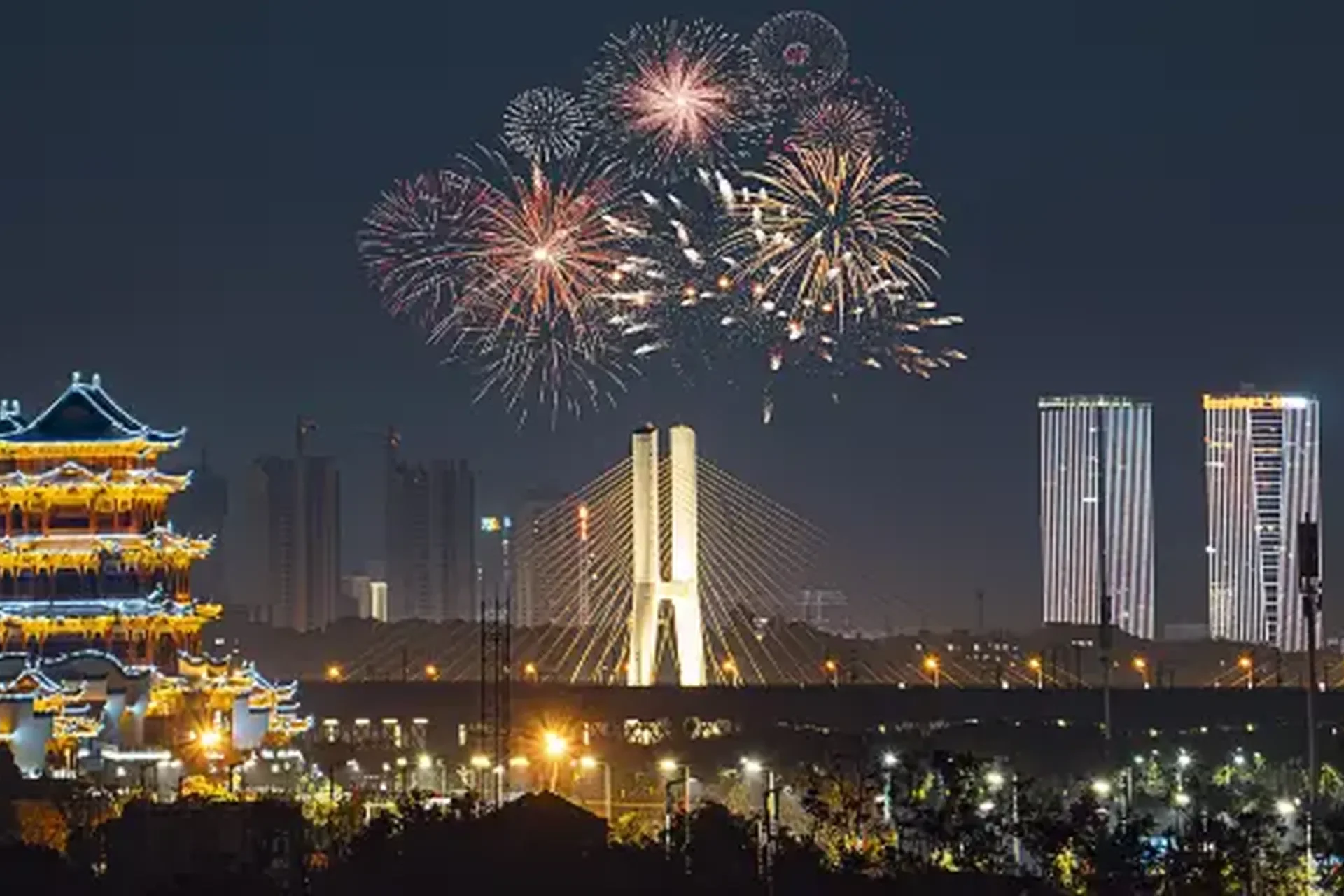
The riverside belt is the city's free living room. It runs along the Xiangjiang past the central cluster, and the practical pattern is simple: an hour or two on foot in the morning, then back after dark, when the embankment lights come on and the bridge towers over the water. Entry costs nothing and the belt chains naturally with meals — the evening riverside is where the city eats out.
The city parks work the same way: free gates, shaded walks, and the heaviest use before 09:00 and after 18:00, when residents take their exercise. Pair one park with the riverside morning and keep the midday for the art museum below; in the July-August heat the shaded park paths are the honest morning, and the riverside is the honest evening.
Yaowan: the historic street quarter
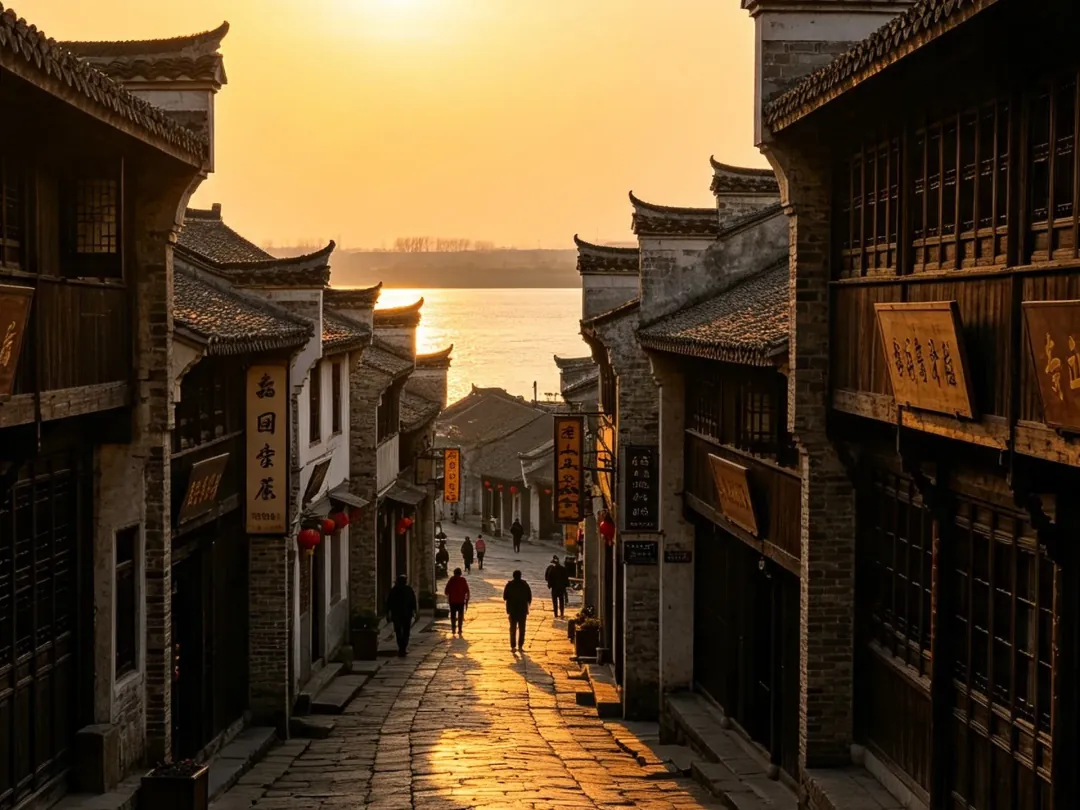
Yaowan is the city's historic street quarter on the river — old retail fabric, river-trade lanes and the densest concentration of street food in the central area. The visit is architectural and practical at once: walk the lanes in the late afternoon while the light is still on the facades, then stay for the evening stalls, which is when the quarter eats. Budget 1.5-2 hours for the walk plus dinner, and pair it with the riverside belt — the two connect on foot.
Practical mechanics: the lanes are free to walk and the spending is street-level — snacks, noodle bowls, drinks — so the visit fits inside the food line of the cost table below rather than the attractions line. Our dataset does not consolidate a published admission figure or opening schedule for the quarter; treat on-site postings as authoritative and plan the visit as an open-street evening rather than a ticketed sight.
Qi Baishi Park and the art museum
Qi Baishi Park is the city's named cultural park, and its practical payload is the art museum inside it. The museum visit is a midday slot: it pairs with a park walk, it is roofed against the midday heat or rain, and it gives the trip its single indoor cultural stop. Plan half a day for the park and museum together, with the museum in the middle.
One honest note: the museum's current ticket price and opening hours are not consolidated in our dataset, and we do not print figures we cannot verify — check the on-site postings or the 12301 tourism hotline before the day, and keep the visit inside the attractions line of the cost table. No exhibition schedule here, no biography: the park carries the name, the museum carries the collection, and the practical facts above are the ones a day-plan needs.
The Shaoshan day
Shaoshan sits west of the city, inside Xiangtan's prefecture, and it is the area's heaviest single draw. The site cluster is compact: a brick birthplace house, the memorial halls and a bronze statue square, walked in a half day. Entry is free with an advance reservation — make the reservation before the day, carry the passport used for it, and start early: this is the one sight in the region where queues are the planning variable rather than a footnote.
Two practical warnings. First, on national holiday weeks the site runs at crushing capacity — if the calendar forces a holiday visit, take the first reservation slot of the morning. Second, the cluster is a reserved-entry site, not a walk-in street: a failed reservation costs the day, so book as soon as the trip's dates are fixed. Rail travelers coming from Changsha South ride the same Xiangtan/Shaoshan-direction trains, about 20 minutes, that serve the city itself.
A two-day plan
Work it in this order and swap only if rain moves in:
- Day 1 — the riverfront city. Riverside belt and a park in the morning, Qi Baishi Park and the art museum at midday, Yaowan quarter from late afternoon, street-food dinner and the lit embankment after dark. All transfers are short bus or ride-hail trips.
- Day 2 — Shaoshan. Reserved entry, first slot of the morning, the cluster walked before the queues peak, back in the city for a late lunch. The afternoon stays free — the riverside repeats happily, or the food streets absorb it.
- Day 3 — slow morning or rail day. A markets-and-noodles morning, or the same two days compressed and the city used as a day-trip from Changsha: about 20 minutes each way on the Xiangtan/Shaoshan-direction trains, which is why many visitors run this plan without changing hotels.
With a fourth day, add a second slow city day rather than a second long-distance day: the food streets and the riverside reward repeats, and the outlying sights beyond Shaoshan thin out fast.
Food: red braised pork, chopped-chili fish head, stinky tofu
The table here is Hunanese cooking at its most direct, and three dishes carry the practical ordering. Red braised pork is pork belly slow-braised in soy sauce, sugar and star anise — rich and sweet-savory rather than spicy, and the safe first order for a table that is still negotiating with Hunan heat. Fish head with chopped chili is the province's defining dish: a whole fish head steamed under a blanket of fresh and pickled red chilies until the meat lifts off the bone. Stinky tofu is the street snack — fermented tofu deep-fried until black and crisp, then doused in chili sauce and pickled radish; it smells like a warning and goes down like a habit.
Practical mechanics: breakfast lives at the markets and noodle stalls, not in hotels; mobile payment (Alipay / WeChat Pay) works at virtually every stall, with small cash for the exceptions; and the queue rule holds — where locals line up, the right kitchen is at the front of it. Order spice by level and say so: Hunan heat smolders, then lands, and a "medium" here is not a medium elsewhere.
Getting there
Xiangtan has no airport of its own; the practical air entry is Changsha Huanghua International Airport (CSX), then rail. The city keeps two stations with different jobs: Xiangtan North is the high-speed stop, and the Xiangtan station in the city handles conventional trains — check which one the ticket names before the day. The trunk times that matter run through Changsha:
| Route | Time | Use it when |
|---|---|---|
| Changsha South → Xiangtan/Shaoshan direction | about 20 min | arriving from the capital, or running the whole plan as a day-trip |
| Beijing → Changsha (connect) | 5.5-6.5 h | coming from the north |
| Shanghai → Changsha (connect) | 4.5-5.5 h | coming from the east |
| Guangzhou → Changsha (connect) | 2.5 h | coming from the south |
| Wuhan → Changsha (connect) | 1.5 h | the short hop from Hubei |
Departure frequency is the one number our dataset does not carry: trains run through the day, but check 12306 for same-day times rather than planning around a printed interval.
Getting around
The city has no metro. Buses cover the central cluster cheaply, and taxis and ride-hailing fill the gaps; the riverside belt, the old quarter and the park were built for walking, so a central hotel makes most of the plan car-free. The Shaoshan day is the exception: reserved-entry sites and scattered clusters argue for an early start, and a booked tour or a hired car removes the connection risk. OpenStreetMap and Baidu Maps both carry usable coverage of the central area; download the offline pack before the Shaoshan day, where signal between clusters thins out.
Where to stay
Two nights, one base: the rooms around the riverside and the central cluster put the evening embankment, the old quarter and the food streets within a short walk, which is what a two-day plan wants. Mid-range business hotels are the default tier here, hostels are few, and there is no reason to sleep outside the center — the Shaoshan day starts and ends better from a central bed. Book two to three weeks ahead for the holiday weeks flagged under When to go; the rest of the year the city sells out late, if at all.
When to go
Ranked. First: April-May — mild air, the riverside green, walking weather for the belt and the parks. Second: September-October, the stable window, with October the single best month. Third: March and November — thin crowds, workable weather, cooler food streets. July-August is the honest trade: hot and humid, with the day flipped — parks before 09:00, roofed museum at midday, riverside after dark. Skip the first weeks of February, May and October outright: national holiday travel doubles prices and queues everywhere in China, and at a reserved-entry site like Shaoshan it shows first.
Cost breakdown
| Per person, per day, 2026 | Backpacker | Mid-range | Comfort |
|---|---|---|---|
| Accommodation | 80-150 CNY | 300-600 CNY | 600+ CNY |
| Food | 40-80 CNY | 100-200 CNY | 250+ CNY |
| Local transport | 15-30 CNY | 30-60 CNY | 100+ CNY |
| Attractions | 0-50 CNY | 50-150 CNY | 150-300 CNY |
| Daily total | about 150-350 CNY | about 500-1000 CNY | 1000+ CNY |
The mid-range column follows our roster benchmark for Xiangtan: accommodation 300-600 CNY, food 100-200 CNY, local transport 30-60 CNY, attractions 50-150 CNY — 500-1000 CNY a day in total. Two facts bend the budget downward: the riverside, the parks and the old quarter cost nothing, and Shaoshan's entry is a free reservation — so the attractions line rarely fills. What fills it instead is the holiday-week room rate, which is the single line worth scheduling around.
Practical tips
- Payments and papers. Alipay with an international card works across stalls, taxis and stations; carry the passport — the Shaoshan reservation is issued against it. ATMs of ICBC and Bank of China are widespread.
- Connectivity. A tourist eSIM (5-30 USD) set up before landing beats airport queues; English signage thins out fast outside hotels and the main stations.
- Reservations first. The Shaoshan day lives or dies on its free reservation — book when the dates are fixed, and take the first morning slot in any crowded week.
- Spice math. Order chili by level, out loud, at the first meal; Hunan heat is the direct kind, and the red-braised pork is the merciful opener.
- Holiday math. The first weeks of February, May and October are the national crush: rooms reprice, trains fill, and reserved-entry sites queue longest. Shift the trip by a week if the calendar allows.
- Map apps. OpenStreetMap and Baidu Maps both cover the center; Amap (Gaode) is the local default for bus routing. No metro lines to learn — the map is river, embankment, and a compact grid.
Frequently asked questions
How many days does Xiangtan need?
Two: one for the riverfront city — parks, the art museum, the old quarter — and one for the Shaoshan cluster. The third day is optional and slow: markets, food streets, a second riverside evening. Because Changsha sits about 20 minutes away by high-speed rail, many travelers run the same two days as day-trips from the capital without changing hotels.
Is Xiangtan the same place as Xiangtan County?
No. Xiangtan is a prefecture-level city in Hunan, next to Changsha; Xiangtan County is one of the counties inside that prefecture. Tickets, buses and hotel addresses that say "Xiangtan" almost always mean the city on the Xiangjiang — which is the subject of this guide.
How do I get there from Changsha?
By high-speed train from Changsha South toward the Xiangtan/Shaoshan direction: about 20 minutes. High-speed arrivals use Xiangtan North; conventional trains use the Xiangtan station in the city. Check 12306 for the day's times — our data does not carry departure intervals.
What does a mid-range day cost?
About 500-1000 CNY per person: accommodation 300-600 CNY, food 100-200 CNY, local transport 30-60 CNY, attractions 50-150 CNY. In practice the attractions line stays low — the riverside and parks are free and Shaoshan is a free reservation — so food and the holiday-week room rate decide the bill.
Is the Shaoshan day difficult to arrange?
It is a reservation problem, not a distance problem. The sites are free but entry runs on advance booking: reserve as soon as the dates are fixed, carry the matching passport, and start early — holiday weeks run at capacity and the first morning slot is the safe one. From Changsha South the same Xiangtan/Shaoshan-direction trains take about 20 minutes.
What should I eat first?
Red braised pork as the safe opener, fish head with chopped chili as the province's defining plate, stinky tofu from a street stall for the snack. Breakfast belongs to the markets and noodle stalls, and mobile payment works at nearly all of them.
Useful phrases
| Chinese | Pinyin | Meaning |
|---|---|---|
| 湘潭 | Xiāngtán | Xiangtan, the city |
| 湘江 | Xiāngjiāng | the Xiangjiang, the river |
| 韶山 | Sháoshān | Shaoshan |
| 红烧肉 | hóngshāo ròu | red braised pork |
| 多少钱 | duōshǎo qián | how much |
| 谢谢 | xièxie | thank you |
Emergency contacts
- Police: 110
- Ambulance: 120
- Fire: 119
- Tourist hotline: 12301
Sources and verification
Figures were checked in October 2026 against our city roster for Xiangtan (the 2-3 day stay, the daily budget lines and the mid-range cost breakdown of 500-1000 CNY), our Changsha trip-days data (the about-20-minute high-speed rail time toward the Xiangtan/Shaoshan direction, repeated across the 3-, 5-, 7-, 10- and 14-day plans), our Hunan province dataset (Changsha Huanghua International Airport as the air entry, the trunk rail times to Changsha, and the Eight-Great-Cuisines framing and dish descriptions), and our Loudi trip-days data, which records the Shaoshan site cluster — birthplace house, memorial halls, statue square — as free with advance reservation and extremely crowded on holidays.
Known soft spots: the Yaowan quarter's published admission and schedule are not consolidated in any single source, so treat on-site postings as authoritative; the Qi Baishi Park art museum's current ticket price and opening hours are likewise not in our data — verify via the 12301 hotline or on-site; train departure frequencies are not in our dataset and should be read off 12306; and the Shaoshan reservation channel should be confirmed when booking. One roster-era note claimed metro service; Xiangtan has no metro, and this guide does not repeat it. Xiangtan is a prefecture-level city of Hunan province, adjacent to Changsha. Reconfirm prices and hours within a fortnight of travel. Last verified 2026-10-12.