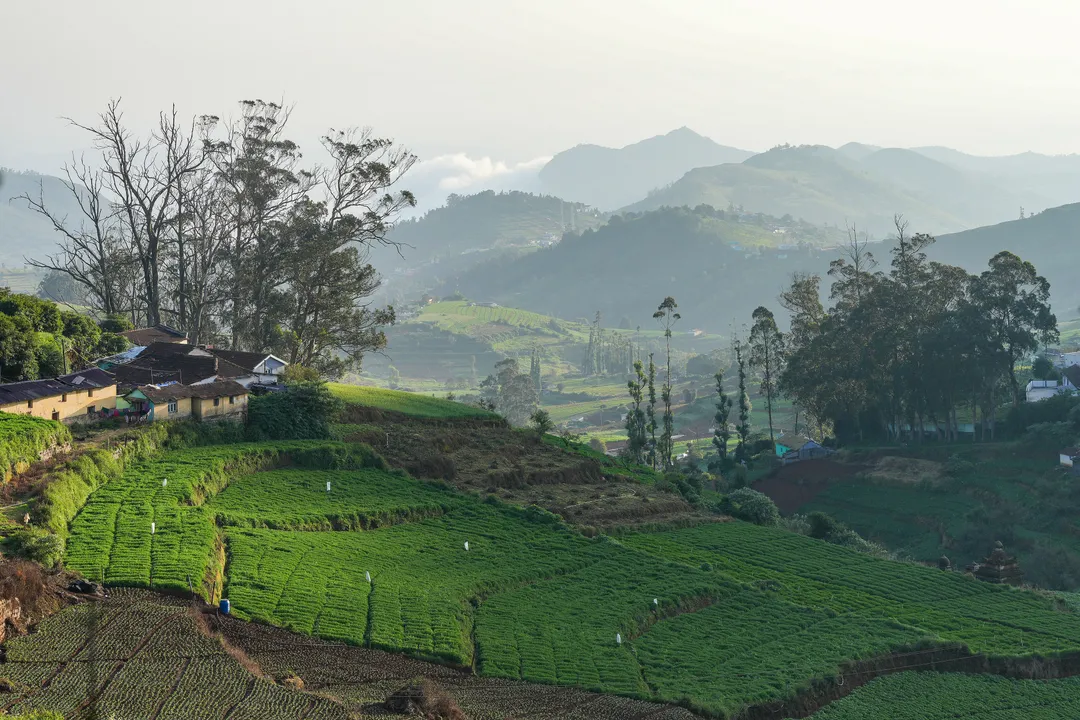
Huzhou at a Glance
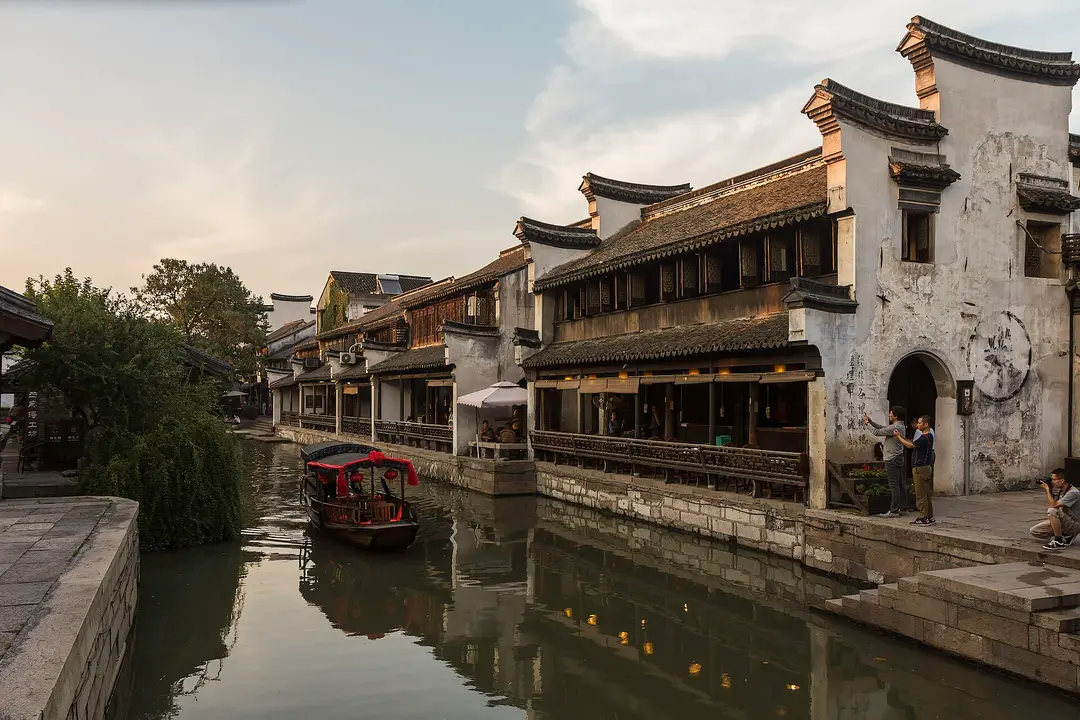
Huzhou sits on the southern shore of Lake Tai in northern Zhejiang, between Shanghai and Hangzhou, and a 2-3 day visit follows three threads: a merchants' water town, a summer hill and a lakeshore. The water town is Nanxun, where the salt-and-silk fortunes built their mansions along the canals — the Small Lotus Villa begun in 1885 by the Liu family's salt fortune, the Jiaye Library nearby finished in 1924 to hold a private book collection — and the canal lanes are quietest after the day boats leave, which is the trip data's argument for sleeping in town. The hill is Mogan Mountain, about 60 km southwest in Deqing county, topping out at 724 metres under some 200 early-20th-century villas from its summer-resort years. The lakeshore is Huzhou's own: the Feiying Pagoda, a pagoda within a pagoda — a Tang-era stone core under a Song-rebuilt wooden shell — and the ring-shaped Moon Hotel on the new Taihu waterfront.
This guide gives you the order to see things in, the trains that get you there, and the costs: a mid-range day runs 500-1000 CNY per person including a 300-600 CNY hotel, and a backpacker can hold the line at 40.
Why Huzhou
Huzhou's argument is that the Yangtze delta's most famous form — the merchant water town — survives here in its richest, least-staged version, plus two extras no water town has: a real summer mountain and a lakeshore. Nanxun's merchant houses were built by men who made fortunes in salt and silk, and the buildings show it: libraries, gardens and garden-theatres rather than souvenir lanes. Mogan above it carries some 200 villas from the decades when Shanghai's foreign colony summered in the bamboo — a hill of verandas, streams and mist that still works as a cool escape. The lake closes the frame with modern scale: the ring-shaped Moon Hotel now marks the Taihu shore.
The rail web frames it: fast trains put Huzhou under an hour from Hangzhou and about 2 hours from Shanghai — the delta's anchors are in our Hangzhou and Shanghai guides, the canal-country context in Shaoxing, and the province frame in the Zhejiang guide. The honest trade-offs: English signage is thin, Nanxun's day-trip hours are busy so timing matters, and Mogan's mist is real — the hill can swallow its own views.
Nanxun: the Merchants' Water Town
Nanxun (南浔) is the anchor. The canal quarter keeps the salt-and-silk fortunes' mansions in near-original form: the Small Lotus Villa (Xiaolianzhu), begun in 1885 with the Liu family's salt money, lays out lotus ponds, pavilions and a family temple; the Jiaye Library, finished in 1924 next door, was built expressly to hold a private book collection — a merchant's answer to a dynasty's library. Walk the canal lanes between the houses, and eat where the locals queue.
The town empties late: once the day boats leave, the quays go quiet and the lanterns do the work. That after-hours canal is the best thing in the delta's water towns, and it is why our trip data keeps the overnight here.
Mogan Mountain: the Summer Hill
Mogan (莫干山), about 60 km southwest in Deqing county, tops out at 724 metres and keeps some 200 villas from its summer-resort decades, when Shanghai escaped up here before air conditioning. The hill runs on bamboo, streams and mist: walk the paths between the villas, find the sword-sharpening pool at the falls — the legend stop that names the mountain — and let the afternoon mist close the views for you. It counts among China's four classic summer hills, and in the heat of July that is not a slogan.
One full day is right: up in the morning, the villa lanes and the falls through the middle of the day, down before dusk. Guesthouses in the bamboo take the night if you want the hill cool and empty.
Feiying Pagoda and the Taihu Shore
Back in the city, the Feiying Pagoda is the oddest structure in Zhejiang: a pagoda within a pagoda, an inner stone core from the Tang era under a wooden shell rebuilt in Song times — climb the grounds and look up through the gap. The trip data's finale pairs it with the Taihu lakeshore, where the ring-shaped Moon Hotel marks the new waterfront and the lake breeze ends the loop the way Huzhou intends: water, light, and the fast train out of Huzhou station.
With a fifth day, the additions are Xiazhu Lake's wetland boardwalks and crested-ibis station south of Deqing, the old market streets of Xinshi, and the bamboo sea of Anji to the west.
Day Trips: Hangzhou, Shanghai and the Delta
- Hangzhou. Under an hour by fast rail: West Lake and the tea hills — see the Hangzhou guide.
- Shanghai. About 2 hours by rail, which makes Huzhou a green two-day escape from the city — see the Shanghai guide.
- Shaoxing and the canal country. The other Jiangnan water towns are an easy rail hop — see Shaoxing.
The province-wide frame is in our Zhejiang guide.
A Two-Day Plan (and a Third)
- Day 1 — Nanxun. Morning rail to the water town, the Small Lotus Villa's lotus ponds and the 1924 Jiaye Library, canal lanes through the afternoon, then stay for the after-dark quays. Overnight in town.
- Day 2 — Mogan Mountain. The 60-km run southwest into Deqing, the 724-metre hill and its 200-odd villas, the sword pool at the falls, mist closing the afternoon. Back down by evening.
- Day 3 — city and lake. The Feiying Pagoda's stone-in-wood structure in the morning, the Taihu shore and the Moon Hotel to finish, fast train out of Huzhou station.
Our 3-day Huzhou trip builder lays this out hour by hour, and the 5-day and 7-day versions fold in Xiazhu Lake, Xinshi and the Anji bamboo sea.
Getting There: Rail, Road and Local Transport
Huzhou station takes the fast trains on the Hangzhou–Nanjing corridor; Huzhou South serves the high-speed line. Inside the trip, road legs do the work: about 60 km to Mogan, an hour or so to Nanxun depending on your origin, taxis and DiDi in town.
| Route | Time | Typical cost |
|---|---|---|
| Hangzhou → Huzhou (fast rail) | under 1 h | corridor fare |
| Shanghai → Huzhou (rail) | about 2 h | corridor fare |
| Huzhou → Nanxun (road) | about 1 h | bus or taxi |
| Huzhou → Mogan Mountain (road) | about 1.5 h | taxi or chartered car |
| Taxi across downtown | 10-15 min | short fare |
Keep the Chinese name of your destination written down — drivers rarely read English.
Where to Stay
One night in Nanxun inside the canal quarter — the after-dark quays are the reason — then the city, or up on Mogan if July heat argues for it: mid-range hotels in this band run about 300-600 CNY a night, the canal-quarter guesthouses trade some plumbing for the water view, and Mogan's bamboo guesthouses are the summer splurge. Book ahead for the national holidays of early May and early October.
What to Eat in Huzhou
The delta's table runs through Huzhou at its most lakeside: Taihu "three whites" (whitebait, white fish and white shrimp), ding-style pastries the town sells by the box, bamboo shoots from the Mogan slopes in season, and the canal-quarter kitchens' river dishes. Nanxun's lanes do the evening eating, and the city's markets keep the lake tanks.
Mobile payment works nearly everywhere — Alipay with an international card covers restaurants and stalls — but carry 50-100 CNY in small notes for the smallest stalls.
What a Day Costs
| Item | Price | Notes |
|---|---|---|
| Mid-range hotel | 300-600 CNY/night | Nanxun canal quarter or city |
| Meals | 100-200 CNY/day | lake fish to bamboo-shoot season dishes |
| Local transport | 30-60 CNY/day | plus road legs to Nanxun and Mogan |
| Attractions | 50-150 CNY/day | mansion, garden and hill tickets |
Match this against our roster's estimate for the city: accommodation 300-600 CNY, food 100-200 CNY, transport 30-60 CNY and tickets 50-150 CNY, for a mid-range total of 500-1000 CNY per person per day. A backpacker day on buses and noodle shops lands near 40; the luxury ceiling is about 300 and mostly buys the Mogan bamboo guesthouse for a night.
When to Go
March-May and September-November are the comfort windows: mild, green, and the canal lanes at their best light. Summer is hot and humid in the delta — which is exactly why Mogan exists — and winter is damp but quiet. Avoid the national holiday weeks of early May and early October, when Nanxun's quays are shoulder-to-shoulder and Mogan's villas fill.
Practical Tips
- Payment: link an international card to Alipay or WeChat Pay before arrival, and keep 50-100 CNY in small notes for the smallest stalls.
- eSIM: a tourist data eSIM (about 5-30 USD) avoids the phone-shop passport queue; install a VPN before you fly, since Google, WhatsApp and Instagram are blocked on the mainland.
- Sleep in Nanxun, not beside it — the after-hours quays are the trip's one genuinely quiet canal hour.
- Mogan's mist is real: the hill can hide its own views; the villas and streams hold up anyway.
- Emergencies: police 110, ambulance 120, fire 119, national tourist hotline 12301.
Frequently Asked Questions
How many days do I need in Huzhou?
Two full days cover it: Nanxun with the overnight on day one, Mogan Mountain on day two. The third day adds the Feiying Pagoda and the Taihu lakeshore at an easy pace. A fifth brings Xiazhu Lake's wetland, Xinshi's market streets and the Anji bamboo sea.
How do I get from Shanghai to Huzhou?
Rail takes about 2 hours from Shanghai to Huzhou, with fast services from Hangzhou taking under an hour. Buy on the 12306 app or at the station with a passport; inside the trip, the Nanxun and Mogan legs are road transport — bus, taxi or a chartered car for the day.
Is Nanxun worth it compared with the other water towns?
For the merchant architecture, yes: the Small Lotus Villa's 1885 gardens and the 1924 Jiaye Library are buildings no other water town has, built by salt-and-silk money rather than rebuilt for tourists. Time it for the overnight — the quays after the day boats leave are the delta's best canal hour.
Is Mogan Mountain worth the drive?
Yes, and most of all in summer: a 724-metre hill of bamboo, streams and some 200 early-20th-century villas, one of China's four classic summer hills. The sword pool at the falls is the legend stop; the villa lanes and mist do the rest. Give it a full day, or a night in the bamboo guesthouses.
What is the Feiying Pagoda's story?
It is a pagoda within a pagoda: an inner stone core from the Tang era under a wooden shell rebuilt in Song times. The two structures never touch, and the grounds let you look up through the gap. Pair it with the Taihu lakeshore — and the ring-shaped Moon Hotel — for the city's closing half-day.
Do I need cash in Huzhou?
Mostly no: Alipay or WeChat Pay linked to an international card covers restaurants, taxis and most stalls. Keep 50-100 CNY in small notes — the smallest canal-quarter stalls still prefer cash, and small notes solve it instantly.
What should I eat in Huzhou?
The lake first: Taihu's "three whites" — whitebait, white fish and white shrimp — then Mogan's bamboo shoots in season, the town's boxed pastries, and the canal kitchens' river dishes in Nanxun. Eat where the local queue is; Nanxun's lanes are the reliable evening answer.
Useful Phrases
| Chinese | Pinyin | Meaning |
|---|---|---|
| 你好 | nǐhǎo | hello |
| 谢谢 | xièxie | thank you |
| 多少钱 | duōshǎo qián | how much |
| 湖州 | Húzhōu | Huzhou |
| 南浔 | Nánxún | Nanxun |
| 莫干山 | Mògānshān | Mogan Mountain |
| 飞英塔 | Fēiyīng Tǎ | Feiying Pagoda |
| 太湖 | Tàihú | Lake Tai |
Final Notes
Every figure above — the Small Lotus Villa begun in 1885, the Jiaye Library of 1924, the 60-km road to Mogan and its 724 metres under some 200 villas, the Tang-and-Song trick of the Feiying Pagoda and the ring-shaped Moon Hotel on the Taihu shore — was checked in October 2026 against our trip-days data for the city and cross-referenced with our published itineraries. Prices move; reconfirm within a fortnight of travel.
- Source: China National Tourism Administration — policy and seasonal notices.
- Source: Trip.com — live train and hotel listings for cross-checks.
Last verified 2026-10-16.