Taiyuan · Visitor Guide
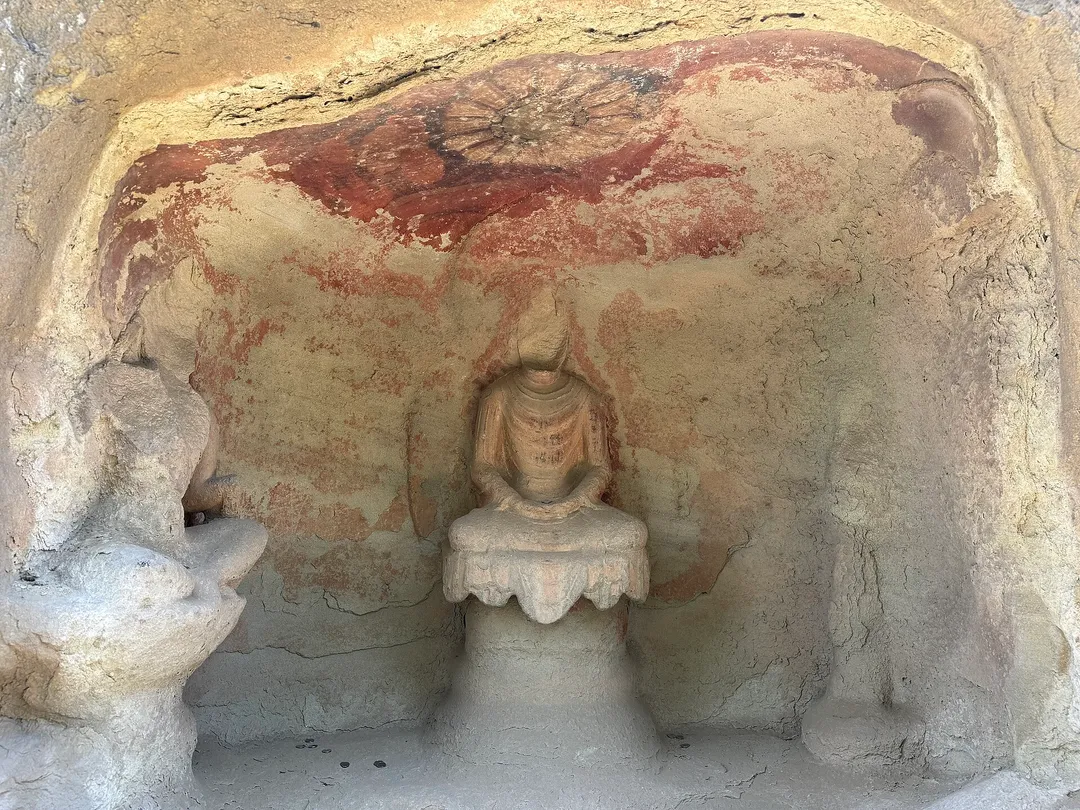
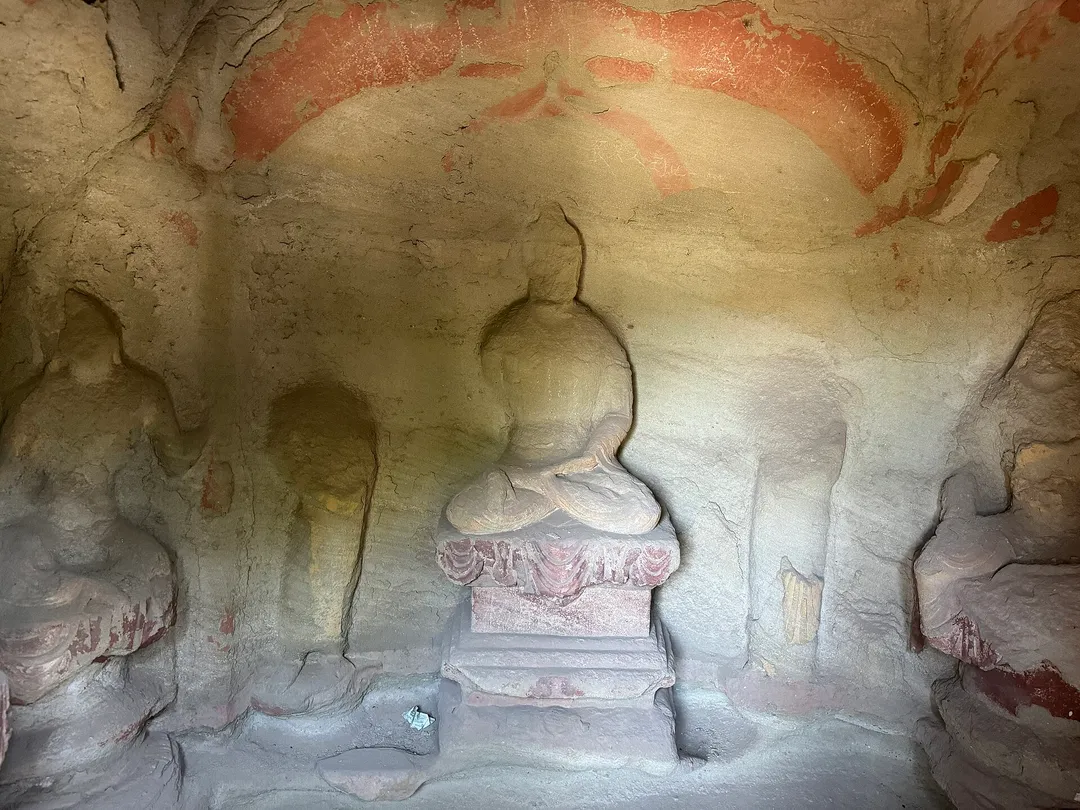
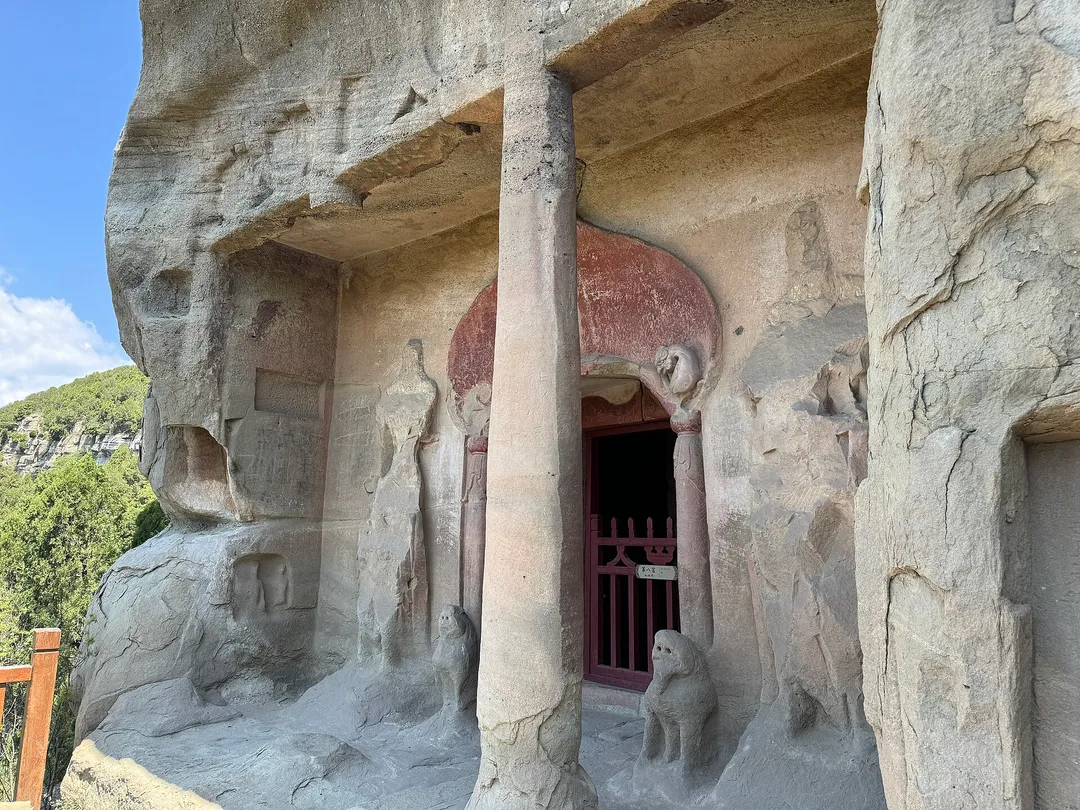
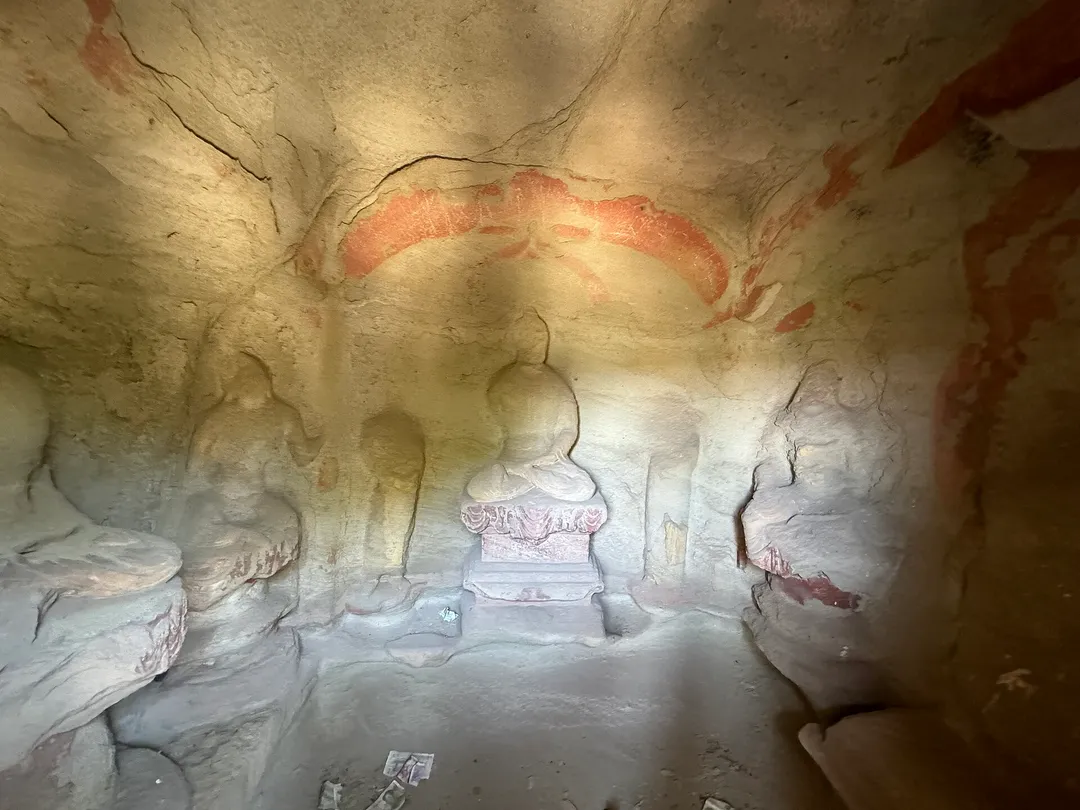
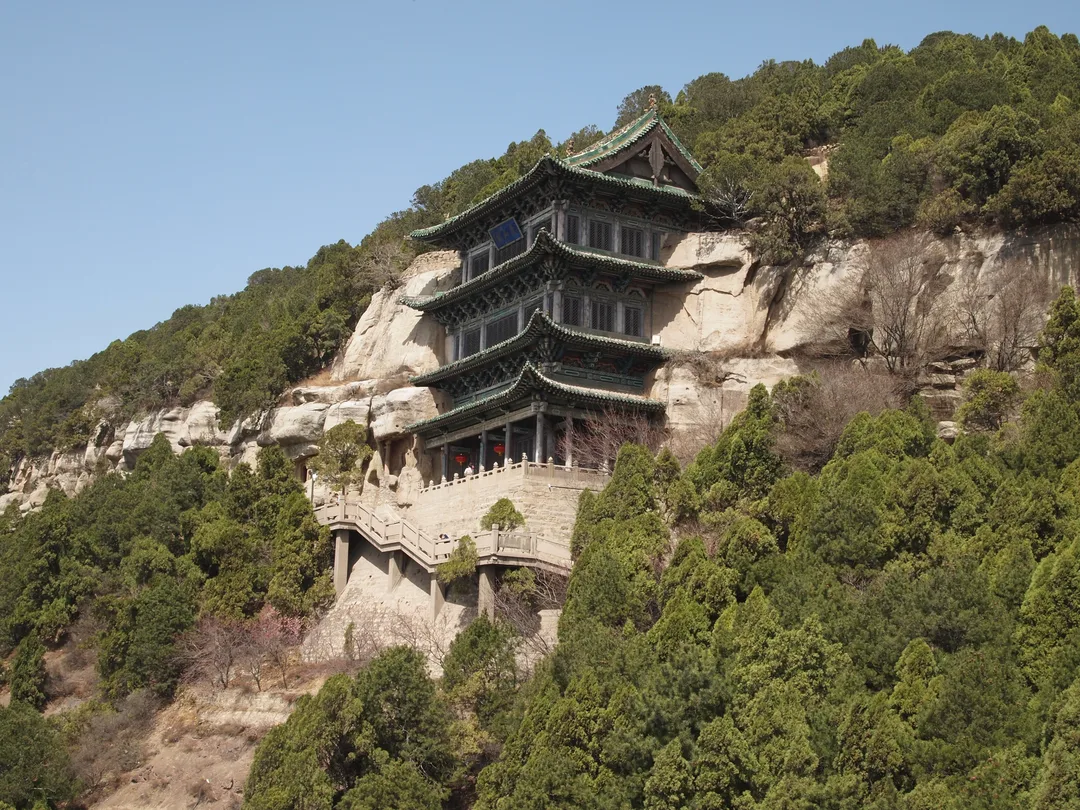
The Tianlongshan Grottoes (天龙山石窟) are a series of Buddhist cave temples carved into the cliffs of a remote mountain 40 kilometers from Taiyuan. The grottoes were created between the 6th and 9th centuries (Northern Wei through Tang Dynasty) and once contained 100+ Buddhist sculptures — today approximately 150 survive, ranging from massive seated Buddhas to delicate attendant figures. The setting is extraordinary: the grottoes are carved into a sandstone cliff face 300 meters above the valley floor, surrounded by pine forest. Access requires a short hike from the visitor center.
Last updated:

Quick Answer
Is Tianlongshan Grottoes worth visiting?
Buddhist cave temples from the Northern Wei to Tang dynasties, 40 km from Taiyuan. 30-minute hike to remote hilltop grottoes. ¥50 entry.
| Ticket | ¥50 per person (as of 2026). Half-price for students. Free for children under 1.2m. |
|---|---|
| Hours | April–October: 8:30–18:00. November–March: 9:00–17:00. Closed on Mondays in winter. |
| Recommended duration | Half day (3–4 hours including travel and hike). |
| Best time to visit | Spring and autumn for comfortable hiking weather. Autumn (October) for the mountain's autumn foliage. Summer for lush green mountain scenery but more hiking effort. Avoid rainy days — the stone paths become slippery. |
| How to get there | From Taiyuan, take bus 804 from Taiyuan Railway Station to Tianlongshan (天龙山) stop at the base of the mountain (¥15, 1.5 hours, 3–4 departures per day). Alternatively, hire a DiDi (¥150–200 round trip including waiting time, 1 hour each way). A car is strongly recommended for flexibility. |
| English signage | partial |
| Wheelchair accessible | no |
| Grottoes | 30+ caves carved into sandstone cliff |
| Sculptures | ~150 surviving Buddhist figures |
| Period | Northern Wei to Tang Dynasty (6th–9th centuries) |
| Elevation | 300 m above valley floor |
| Hike | 30-minute uphill hike from visitor center to grottoes |
The Tianlongshan (Heavenly Dragon Mountain) Grottoes were created over approximately 300 years, from the Northern Wei Dynasty (386–534 AD) through the high Tang Dynasty (8th century). The site was chosen for its dramatic setting — a 300-meter sandstone cliff face above a forested valley, visible for miles around, making it an ideal location for a sacred Buddhist site. The grottoes are oriented south, ensuring that winter sun warms the cliff face and the sculptures inside.
At its peak, the site contained over 100 carved Buddhist sculptures representing the full range of Buddhist iconography — seated Buddha Amithaba, standing Buddha Maitreya, Bodhisattvas in various poses, and guardian figures. The Northern Wei caves feature more austere, elongated figures with strong Central Asian influences. The Tang Dynasty caves — carved during the Tang's cultural golden age — feature more natural, humanistic figures with flowing robes and gentle expressions. Together, they represent one of the finest sequences of Chinese Buddhist sculpture evolution.
Most of the finest sculptures were looted in the 1920s and 1930s by a combination of foreign dealers and local antiquarians. Today, many of the most important pieces are in the Shanxi Museum in Taiyuan, or in major international museums including the Metropolitan Museum of Art in New York and the Musée Guimet in Paris. The empty niches and damaged figures remaining at the site tell a poignant story of cultural loss. A restoration project has stabilized the remaining sculptures.
Take bus 804 from Taiyuan Railway Station to the Tianlongshan base stop (¥15, approximately 1.5 hours, limited departures). From the base, a 30-minute uphill hike on stone steps leads to the grottoes. Alternatively, hire a DiDi for the day (¥150–200 round trip including waiting time). The mountain road is narrow and winding — a car with an experienced driver is the most practical option for independent travelers.
Yes — if you are interested in Buddhist art and cave temples. The setting is extraordinary (remote mountain cliff), and the remaining sculptures — while fewer than at major sites like Yungang or Longmen — give a real sense of the site's original grandeur. The Shanxi Museum has the finest pieces removed from the site.
Moderate. The path is 30 minutes uphill on stone steps with some shade. It is not technical but requires reasonable fitness. The path is not accessible for wheelchair users.
Yes — this is actually the recommended approach. The Shanxi Museum's second floor has a major exhibition of Tianlongshan sculptures, including pieces that were looted from the site. Understanding what the grottoes looked like before the looting makes the visit more meaningful.
No — bring everything you need. There is a small visitor center at the base with basic toilets and drinking water. The nearest restaurants are in the village at the mountain's base.
You will need to hire a DiDi or negotiate with a local driver. This is why many visitors prefer to hire a car and driver for the day, which costs ¥400–600 and includes waiting time.
Chenghuang Temple (Fengde Temple)
Ancient temple in central Taiyuan dedicated to the city god. Free entry. Ming Dynasty wooden halls and local cultural significance. Often combined with nearby Jin Temple.
Jin Temple (Jinci)
China's oldest surviving imperial ancestral temple — 1,400 years of continuous worship for the Tang dynasty Li family, with three heritage zones and the famous Song dynasty Shenghua Bridge. ¥80. 2–3 hours. 25 km southwest of Taiyuan.
Twin Pagoda Temple (Shuangta Temple)
明代双塔寺,永宁寺,两塔各高54米,1597年建成,山西最高塔。免费进入,登塔10元。8:00-17:30。地铁2号线双塔寺站直达。建议1-2小时。
Shanxi Museum
One of China's finest provincial museums — 500,000+ artifacts covering 5,000 years of Shanxi history from the Neolithic Yangshao to the coal-powered modern era. Free. 3–4 hours. English signage is excellent. Go on a rainy day.
Shanxi Museum
China's strongest provincial museum for Jin (Shanxi) civilization — 500,000 artifacts including exceptional Northern Wei Buddhist cave art, Tang Dynasty murals, and Jin Dynasty gold artifacts. Free, but go early.
Shanxi Provincial Museum
Note: Shanxi Museum is located in Taiyuan. This is a reference marker for the same institution as "shanxi-museum".