
Ankang at a Glance
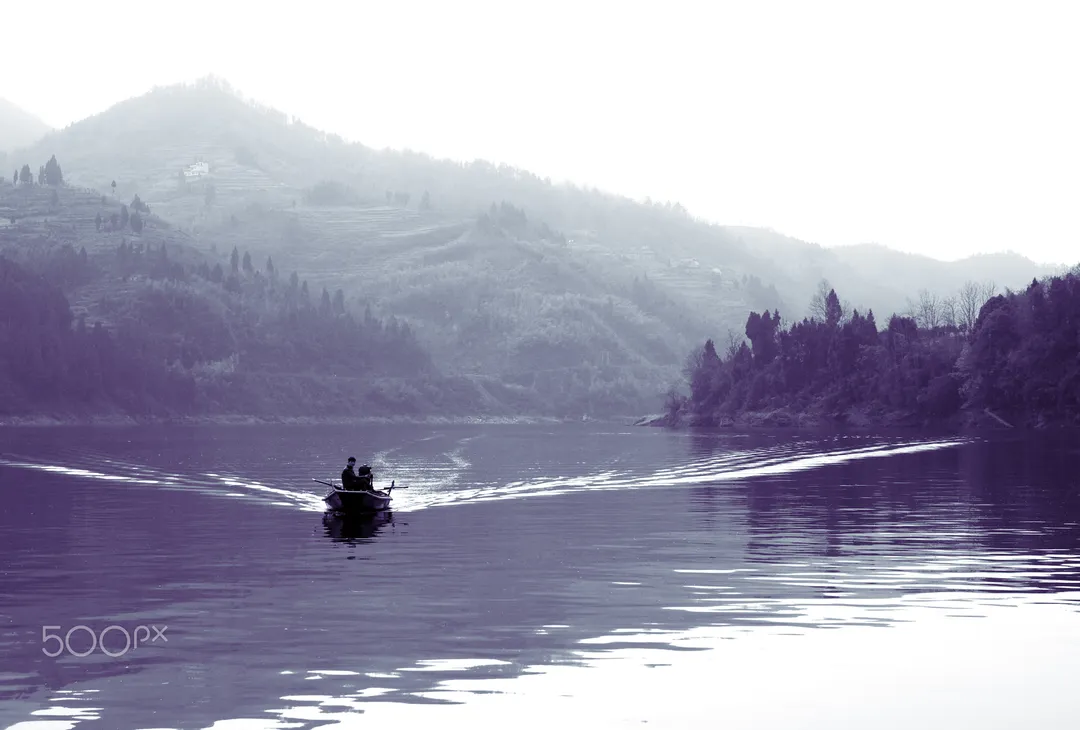
Give Ankang 2-3 days: one for the city and the water, one or two for the mountains. Since 28 September 2026 the Xi'an–Ankang high-speed line has covered the 171 km from Xi'an East in about 45 minutes, which turns this Han River city in southern Shaanxi into an easy two-day add-on to a Xi'an trip. The working plan is simple: a morning boat on Yinghu Lake (entry CNY 70, boats extra), a city afternoon in the riverside lanes where steamed noodles cost CNY 6-12 a bowl, and a full day south to Nangongshan, whose Golden Summit tops out at 2,267 m. April-May and September-October are the reliable months; a mid-range day runs CNY 500-1000 all-in.
Why Ankang
Geography explains the city. Ankang sits in the trough between the Qinling range to the north and the Daba Mountains to the south, where the Han River gathers itself after cutting through the gorges — the same river that later waters Hubei, not to be confused with neighbors: Hanzhong lies one basin west, Shiyan is across the border in Hubei, and Ankang belongs to Shaanxi even though its climate, rice-and-chili cooking and dialect feel closer to Sichuan than to the loess plateau up north.
That position kept Ankang minor for centuries — a river port on the Xiangyang–Chongqing back route — and makes it interesting now. The hills around the city sit on a selenium-rich soil belt that farmers market as "China's selenium valley": Ziyang county's tea, steeped in the same soil, was a tribute tea in the Tang dynasty. Every June the dragon-boat races on the urban stretch of the Han River draw crews from across the region; the festival counted its 24th edition in 2024. Until this autumn the city was a 3-hour slog from Xi'an by conventional rail; the new line changes the arithmetic.
Top Sights
| Sight | Highlight | Entry | Time needed |
|---|---|---|---|
| Yinghu Lake | 77.8 km² reservoir on the Han River behind the Ankang dam; island-hopping by boat, Gold Snail Island's tower, bird park | CNY 70 (islands included); boats extra — online ticket-plus-boat combos run about CNY 110 | Half day |
| Nangongshan (Nangong Mountain) | Golden Summit at 2,267 m, volcanic-landform forest park in Langao County; cloud sea, cliff plank-walks, a monk's enshrined body centuries old | CNY 90 peak (Mar-Nov) / CNY 50 off-season; park shuttle CNY 40 round trip; online discounts near CNY 60 | Most of a day |
| Xiangxi Cave | Taoist valley park at the city's edge; grottoes, spring water, easy stairways | Free-entry city park pricing; check on site | 2-3 hours |
| Ankang Museum | City and Han River history, selenium-belt geology exhibits | Free (bring ID; usual Monday closure) | 1-2 hours |
| Riverside old-town lanes | East Street and West Street food alleys, Han River promenade, evening squares | Free | Half day, spread out |
The lake and the museum sit within a half-hour of downtown; Nangongshan is roughly 50-60 km south in Langao County, about an hour to ninety minutes by car or county bus — start by 08:00 to keep it a day trip.
A 2-3 Day Plan
- Day 1 — Water and lanes. Taxi 30 minutes out to Yinghu for the first boats (gate opens about 08:00; CNY 70 plus boat fare). Back in town by mid-afternoon: Ankang Museum, then the East and West Street alleys for an early dinner of zhengmian noodles and griddle cakes along the riverside.
- Day 2 — Nangongshan. Early start for Langao County (about an hour by car; county buses leave from the coach station). Ride the park shuttle (CNY 40 round trip) to the trailheads, walk the plank-walk sections toward the 2,267 m Golden Summit, allow 4-6 hours on the mountain with a cloud-sea pause. Descend by late afternoon and return to the city.
- Day 3 — West along the river or south to the tea. Two directions, pick one: Shiquan County to the west, about 90 km, for the intact old street (free) and the 50-meter-slot canyons — Zhongba Grand Canyon charges CNY 50, the Yanxiang karst cave CNY 70; or Ziyang to the south, one slow train hour away, for tea-hill walks and a basin-steamed banquet dish that cooks for 4-8 hours.
With only 2 days, keep days 1 and 2 and let the museum compete with an evening stroll. Add a 4th day only if Shiquan and Ziyang both appeal — each wants its own day.
Getting There and Around
| Route | Time | Typical cost |
|---|---|---|
| Xi'an East → Ankang West (HSR) | about 45 min, several daily since 28 Sep 2026 | from roughly CNY 100 second class |
| Xi'an → Ankang (conventional K-trains) | about 3 h | from roughly CNY 50 hard seat |
| Ankang West station → downtown | 9.5 km; 3 HSR express bus lines, taxi 20-30 min | bus a few CNY; taxi meter |
| Ankang Fuqiang Airport → downtown | about 30 min by car | taxi meter |
| Downtown → Yinghu Lake | about 30 min by taxi or tourist bus | CNY 40-60 round trip by bus |
| Downtown → Langao (for Nangongshan) | 1-1.5 h by car or county bus | bus about CNY 20-30 |
The high-speed terminus Ankang West opened with the line in September 2026 in the high-tech zone, 9.5 km from the city core; a covered hub beside it connects the express buses, coaches and taxis. Ankang station downtown still handles the slow trains on the Yangpingguan–Ankang and Xiangyang–Chongqing lines — useful for Ziyang and for overnight berths. Ankang Fuqiang Airport (opened September 2020, 2,600 m runway, around half a million passengers a year) flies to roughly ten cities including Beijing, Shanghai, Guangzhou, Chongqing, Changsha and Urumqi; with the HSR open, most travelers will arrive by train from Xi'an and leave the airport out of the plan.
Where to Stay
Stay downtown near the Han River promenade for a first visit — the food lanes, the museum and the tourist buses to Yinghu all start there. Mid-range chains around the center and the high-tech zone quote roughly CNY 200-350 a night; business hotels nearer Ankang station run cheaper. For a Nangongshan sunrise there are guesthouses in Langao county town, but most visitors day-trip it from Ankang. Rooms tighten during the early-October holiday week and the dragon-boat festival weekend in June — book a couple of weeks ahead then, walk in otherwise.
What to Eat
Ankang's table belongs to the morning. Zhengmian — "steamed noodles", wide wheat sheets steamed, cut and tossed with vinegar, garlic, chili and sesame rather than served in broth — is the city's breakfast, CNY 6-12 a bowl; the serious shops cluster in the East Street and West Street alleys. Kangkang mo, a crisp griddled flatbread from Hanyin County, gets split and stuffed with spicy skewer fixings as the street snack of choice. For a sit-down meal, order zhengpenzi, Ziyang's basin-steamed feast — pig trotters, chicken, egg dumplings and lotus root steamed 4-8 hours in an earthen basin; a basin feeds 2-3 people at CNY 40-70 a head, and the recipe carries provincial intangible-heritage status. Wash it down with Ziyang maofeng tea from one of China's northernmost old tea zones. Langao's firewood-pot pork and Hanyin's braised noodle sheets round out the county specialties. A noodle breakfast plus a zhengpenzi dinner lands near CNY 60-90 a person.
Tea, Boats and the Selenium Belt
The same selenium-rich soils that flavor the kitchen built the region's cash crop. Ziyang, one hour south by slow train, stacks tea villages above the Han River; spring (April-May) is picking season, and ordinary spring maofeng retails around CNY 258 per 500 g in town shops — haggle-free and boxed for travel. Back in the city, June brings the Han River dragon-boat festival, the region's loudest folk event: racing crews, riverside food stalls, duck-catching chaos on the water, free riverside viewing (some years by reservation). If your dates miss the festival, the promenade between the dam and the old town is the city's evening ritual anyway.
Cost Breakdown
| Item | Mid-range, per person |
|---|---|
| Accommodation | CNY 300-600 per night for two |
| Food | CNY 100-200 per day |
| Local transport | CNY 30-60 per day |
| Attractions | CNY 50-150 per day |
| Day total | CNY 500-1000 |
A Nangongshan day pushes the attractions line up — CNY 90 ticket plus CNY 40 shuttle — while a city-only day stays near the floor. Backpacker days on CNY 150-250 are realistic outside the holiday weeks; the quick budget reference of CNY 100 per mid-range day excludes tickets and intercity rides.
When to Go
First choice: April-May, before the summer heat and with the tea season still on. Second: September-October, the clearest air for the Nangongshan ridge. June trades comfort for the dragon boats. Winters are short and quiet — lake boats run reduced schedules and icy patches close the mountain plank-walks. Avoid the national holiday weeks in early February, early May and early October: the 45-minute train fills the city on those dates more than any marketing could.
Practical Information
- Mobile payment: Alipay and WeChat Pay linked to an international card work at ticket windows and noodle shops alike; keep CNY 100 or so in small notes for county buses and market stalls.
- SIM/eSIM: a tourist eSIM (about 5-30 USD) avoids the ID-and-queue routine; hotel Wi-Fi is routine.
- ATMs: ICBC and Bank of China branches downtown; county towns thinner.
- English signage is limited outside hotels — a translation app carries the rest.
- Police 110; ambulance 120; fire 119; national tourist hotline 12301.
FAQ
How many days does Ankang need? Two cover the lake, the lanes and the museum; three add Nangongshan properly. Four only if both Shiquan and Ziyang earn a full day each.
How do I get from Ankang West station into town? The station is 9.5 km from the city core. Three HSR express bus lines thread the main downtown stops, and the taxi run takes 20-30 minutes depending on traffic.
Is Nangongshan realistic as a day trip? Yes, with an 08:00 start: about an hour to Langao, the CNY 40 shuttle to the trailheads, 4-6 hours on the mountain. In summer, watch afternoon thunderstorms; in winter, ice can close the high walks.
What is the difference between zhengmian and liangpi? Same steamed-sheet family, different habits: zhengmian is cut thicker, tossed to order with local vinegar and chili oil, and eaten as a sit-down breakfast rather than a street snack.
Do I need to book Yinghu boats ahead? No — boats share departures at the pier all day. Buy the gate ticket (CNY 70) and the boat fare together on a booking app if a holiday week puts queues on the pier.
Useful Phrases
| Chinese | Pinyin | Meaning |
|---|---|---|
| 安康 | Ānkāng | Ankang |
| 蒸面 | zhēngmiàn | steamed noodles, the local breakfast |
| 炕炕馍 | kàngkāng mó | griddled flatbread |
| 富硒茶 | fùxī chá | selenium-rich tea |
| 多少钱 | duōshǎo qián | how much |
Final Notes
The facts in this guide — the 28 September 2026 opening of the Xi'an–Ankang line and its 45-minute timing, the 2,267 m summit and CNY 90/50 ticket split at Nangongshan, Yinghu's 77.8 km² and CNY 70 gate, the airport's 2020 opening — were checked in October 2026 against launch coverage of the new line and current scenic-area listings; prices move, so reconfirm within a fortnight of travel. See the Xi'an guide for the big-city half of the trip, the Shaanxi province guide for the rest of the region, or the 3-day Ankang trip builder to compress this plan. Last verified 2026-10-12.