This page is archived and no longer updated — see the current guide: See the current guide
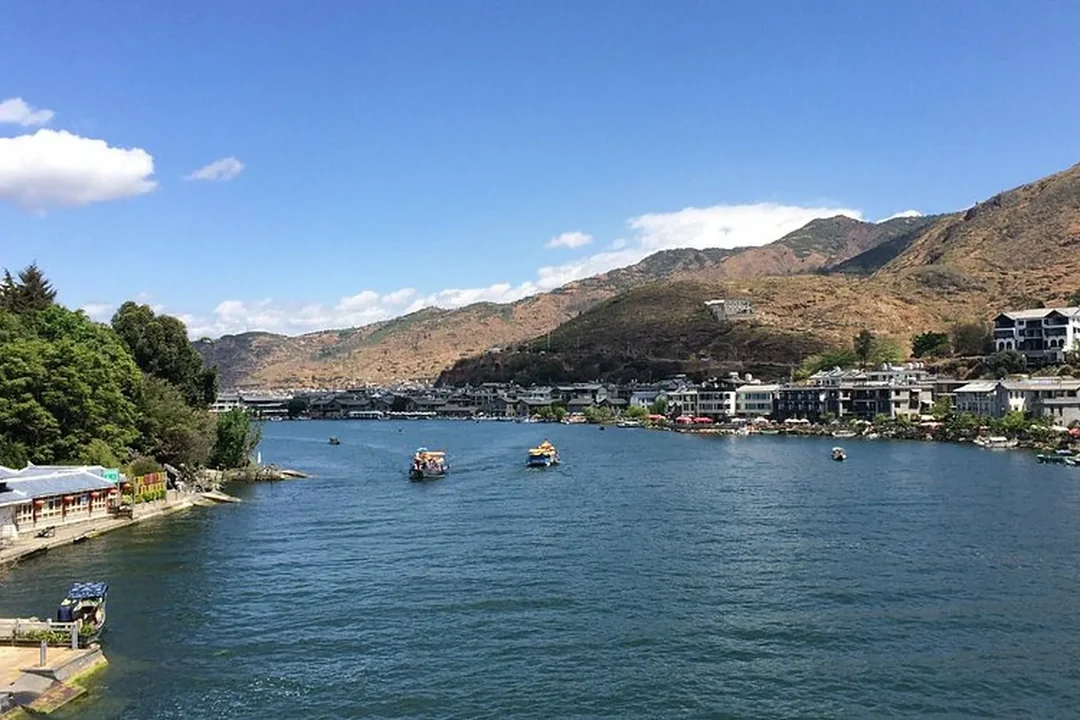
Erhai Lake洱海
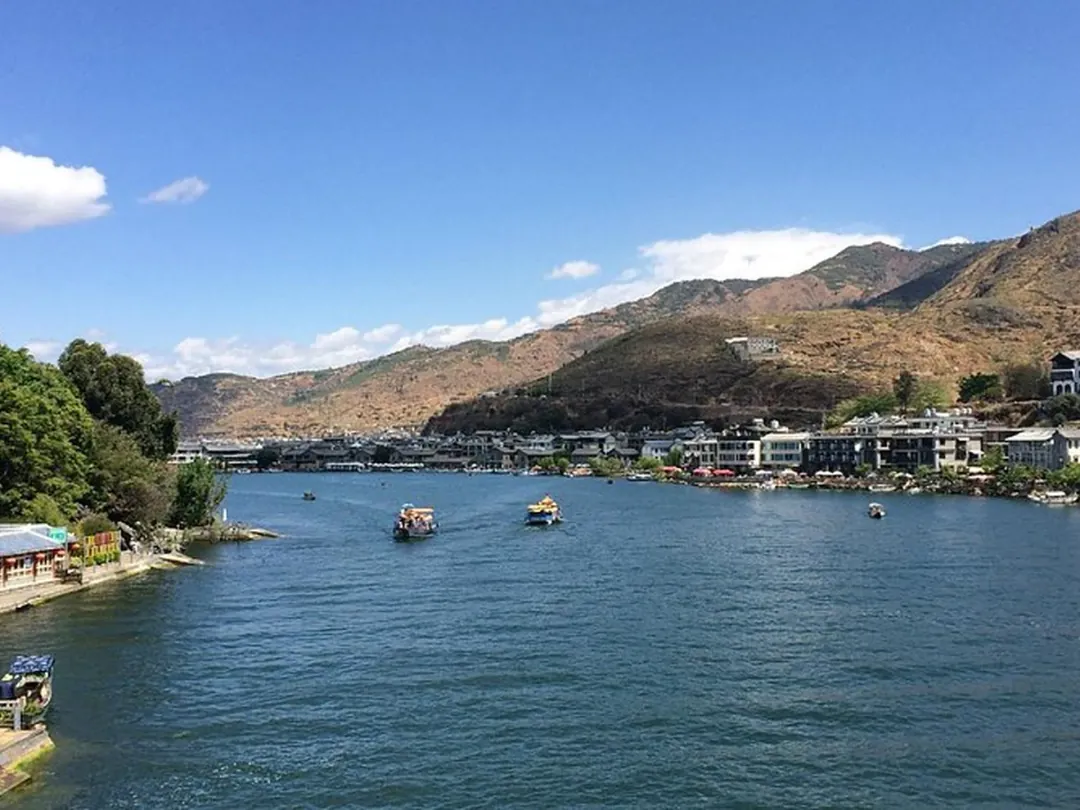
Yunnan's second-largest freshwater lake, named for its ear-like shape; green hills and Bai villages line the shore of Dali's "moon over Erhai" scene.
Dali · Visitor Guide2026-10-27
Quick Answer
Is Erhai Lake worth visiting?
Yunnan's second-largest freshwater lake: about 250 sq km at 1,972 m elevation, up to 21 m deep, ringed by a free 130 km eco-corridor. Allow 1-2 days for the circuit.
Quick facts
| Ticket | The Erhai eco-corridor is free; some lakeside sights charge separately; boat cruises CNY 100-150 |
|---|---|
| Hours | Daily 0:00-24:00 |
| Recommended duration | 1-2 days (a full day for the lake circuit) |
| Best time to visit | Spring and autumn; avoid the rainy season and the summer holiday peak |
| How to get there | The west-shore eco-corridor is within walking distance of Dali Old Town; rent a car, hire a driver or ride an e-bike for the circuit |
| English signage | Partial |
| Wheelchair accessible | Partial |
| Address | Erhai Lake, Dali, Dali Bai Autonomous Prefecture, Yunnan (around the shoreline) |
| Type | Highland lake / wetland park |
| Area | About 250 sq km |
| Maximum depth | About 21 m |
What to expect
Erhai, Yunnan's second-largest freshwater lake, lies within Dali city and is named for its ear-like shape. Part of the Lancang (Mekong) river system, it receives the Xier River in the north and drains via the Yangbi into the Lancang. The lake sits 1,972 m above sea level, spans about 9 km east to west and 42 km north to south, its clear water framed by green mountains — a scene celebrated as "a heavenly mirror of shimmering waters, an emerald screen of hills in every season."
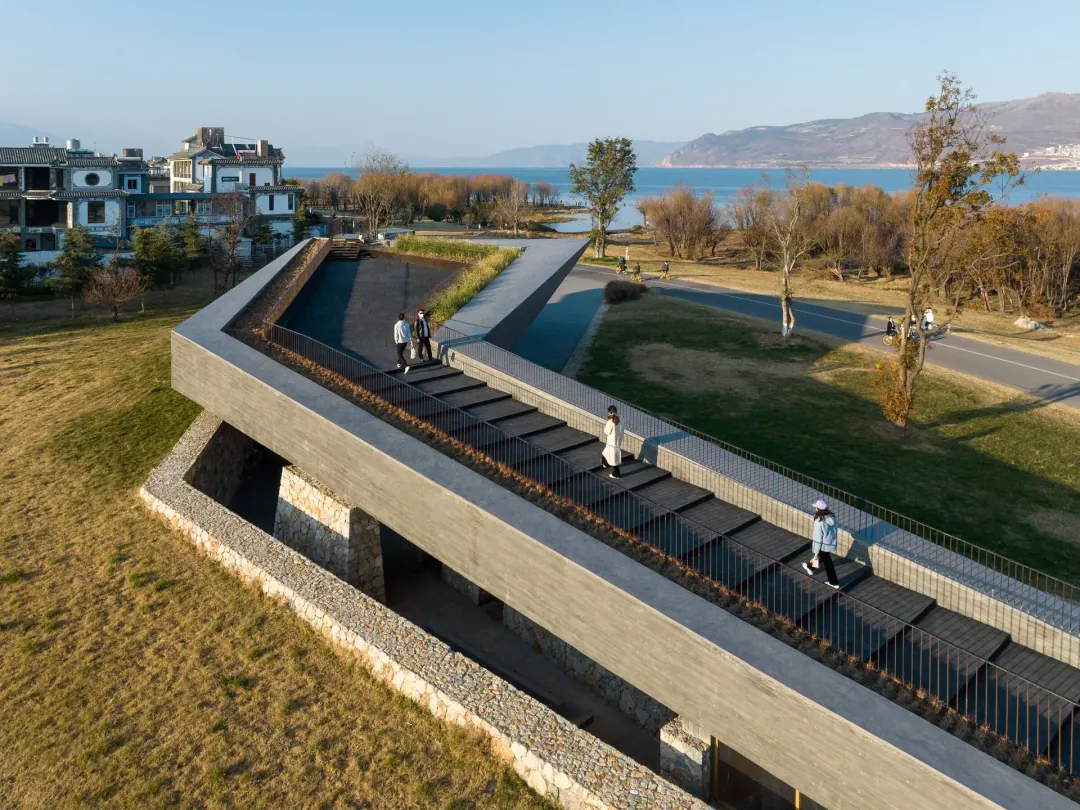
The lakeshore is rich in scenery and ecology. The Erhai eco-corridor — some 130 km of walking and cycling paths — is the best way to take in the lake. Highlights along the shore include Caicun Pier, Longkan Pier, Shuanglang Old Town, Wase Pier, the islet of Xiaoputuo and Nanzhao Folk Island. Bai villages dot the shoreline, keeping their traditional ways of life.
Erhai is the local people's mother lake, supplying irrigation, drinking water and fisheries. To protect it, the authorities have restored lakeshore belts, cut pollution and imposed fishing bans. Water quality ranks among the best of China's freshwater lakes, but rising visitor numbers add pressure — travelers should do their part to keep it clean.
How to get there
The lake's west shore abuts Dali Old Town: from the town's east gate (Erhai Gate) it is about a 15-minute walk to the eco-corridor. For the full circuit, rent in the old town (e-bikes CNY 50-80/day, cars CNY 200-400/day) or hire a car with driver (CNY 300-500/day). Local buses and motorized rickshaws reach Shuanglang, Wase and other lakeside sights.
Best photo spots
- Panorama of the lake and Nanzhao Folk Island from Shuanglang's viewing platform
- Dawn redwoods in the water and morning mist at Longkan Pier
- Lake-and-mountain views while cycling the eco-corridor
- The islet of Xiaoputuo under the sunset
Tips
- Tour the lake by e-bike — start early and ride counterclockwise to dodge the midday sun
- Shuanglang is the lake's most photogenic spot but jammed in season; stay a night to enjoy dawn and dusk
- The west-shore eco-corridor bans all motor traffic — on foot or bicycle only
- Lakeside dining is pricey and uneven; bring food or eat in a village home
Scams to avoid
- Some chartered drivers detour to restaurants for kickbacks — mediocre food at inflated prices; vet eateries in advance
- At popular photo spots some people charge photo fees or pressure you to buy props
- Rental shops may spring last-minute price hikes or hand over clunkers; book through reputable platforms
- Private fishing-experience operators charge erratically with no safety cover; skip them
Frequently asked questions
How long does a full circuit of Erhai take?
About 130 km. By e-bike it takes a full day (roughly 07:00 to 19:00). By car or hired driver, 4-5 hours — but you will miss much along the way.
Can you swim in Erhai?
No — it is a protected water source and swimming is banned. Waterside platforms let you get close to the lake without going in.
Erhai or Lugu Lake?
Different styles: Erhai is bigger, better served and sight-rich but busier; Lugu is wilder, quieter and more otherworldly. With time, do both; otherwise pick by taste.
Read next
Other things to do in Dali
Dali Ancient Town
One of China's first 24 Historic and Cultural Cities, founded in 1382 and free to enter — Yunnan's best Bai architecture, marble crafts and Three-Course Tea. Allow 1-2 days with Erhai Lake.
Three Pagodas of Dali and Reverse Reflection Park
Dali's iconic three-pagoda complex from the 9th-century Tang era, with Qianxun Pagoda 69.13 m tall; entry 75 yuan, open 08:00-19:00, famed for pagoda reflections in the pond.
Shuanglang Fishing Village
A Bai fishing village on Erhai Lake's east shore near Dali, beloved for lazing by the water; free entry, Nanzhao Folk Island 50 yuan, 40 min minibus (15 yuan) from Dali Old Town.
Weishan Ancient City (Yunnan's First City)
One of Yunnan's best-preserved ancient towns — birthplace of the Nanzhao kingdom and source of the Red River — quiet, unvarnished and worth 1-2 unhurried days.
Xizhou Bai Ethnic Ancient Town
Dali's largest Bai settlement, with beautifully preserved traditional architecture — the setting of the classic film Five Golden Flowers; Yan Family Compound CNY 35.