Dali at a Glance

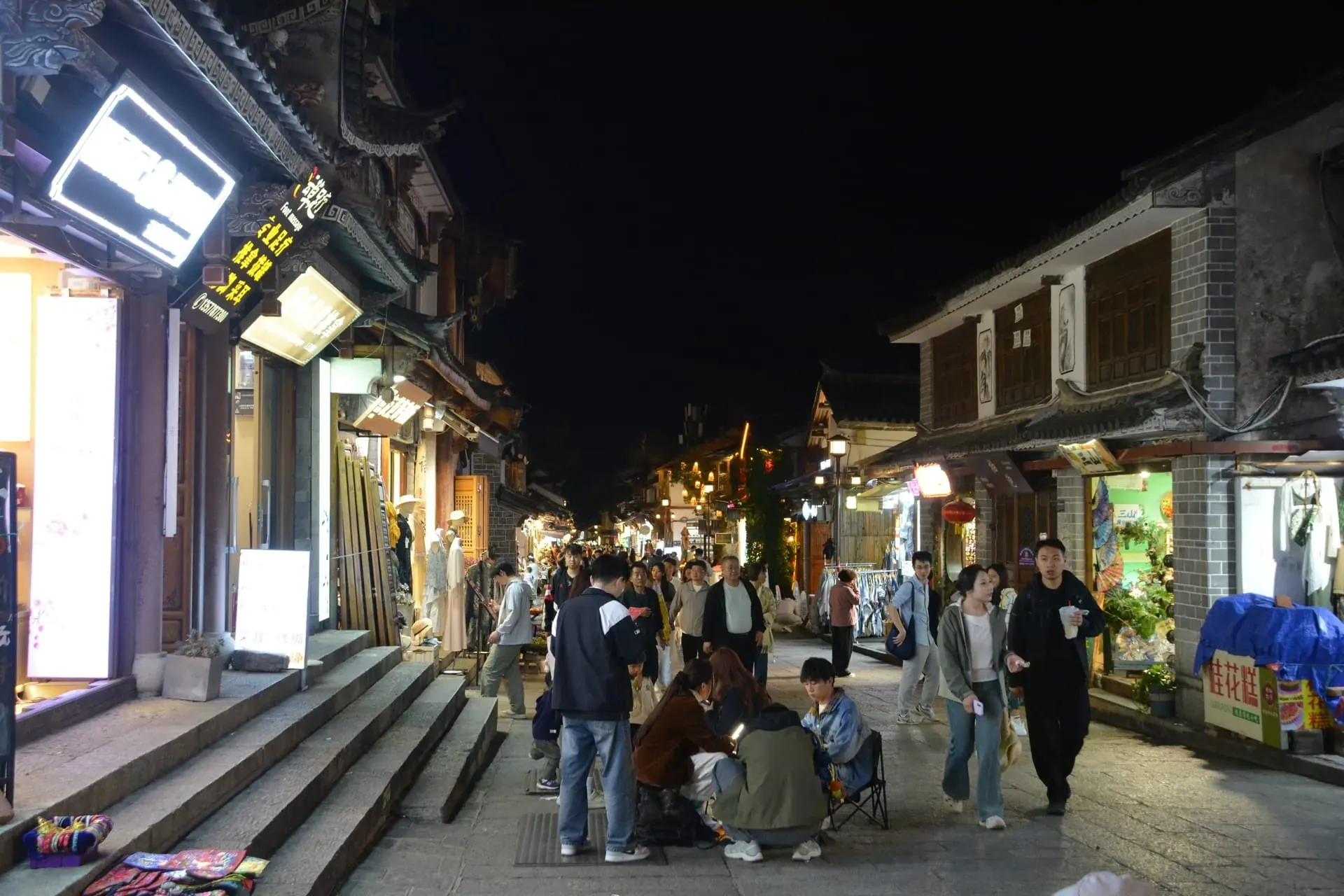
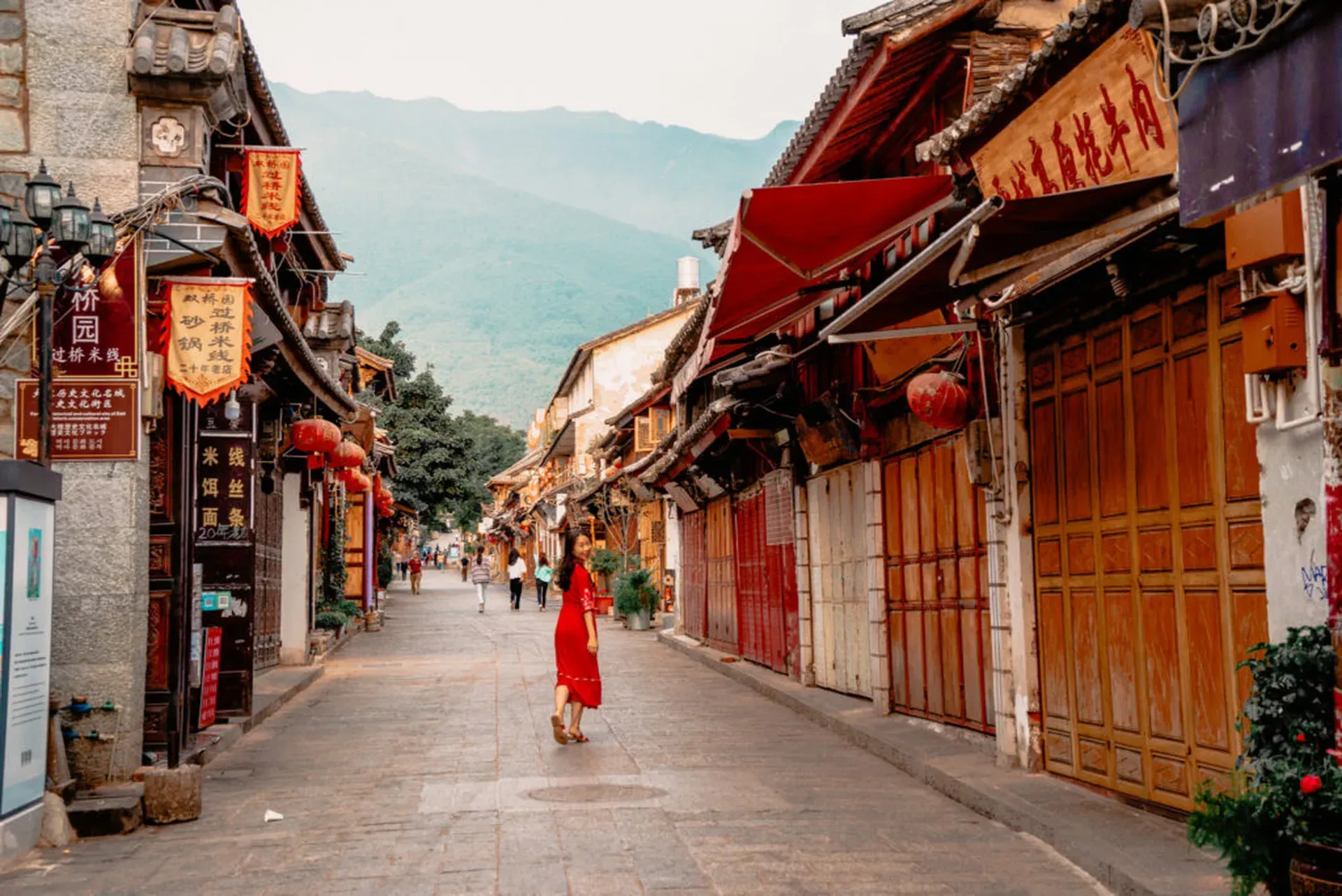
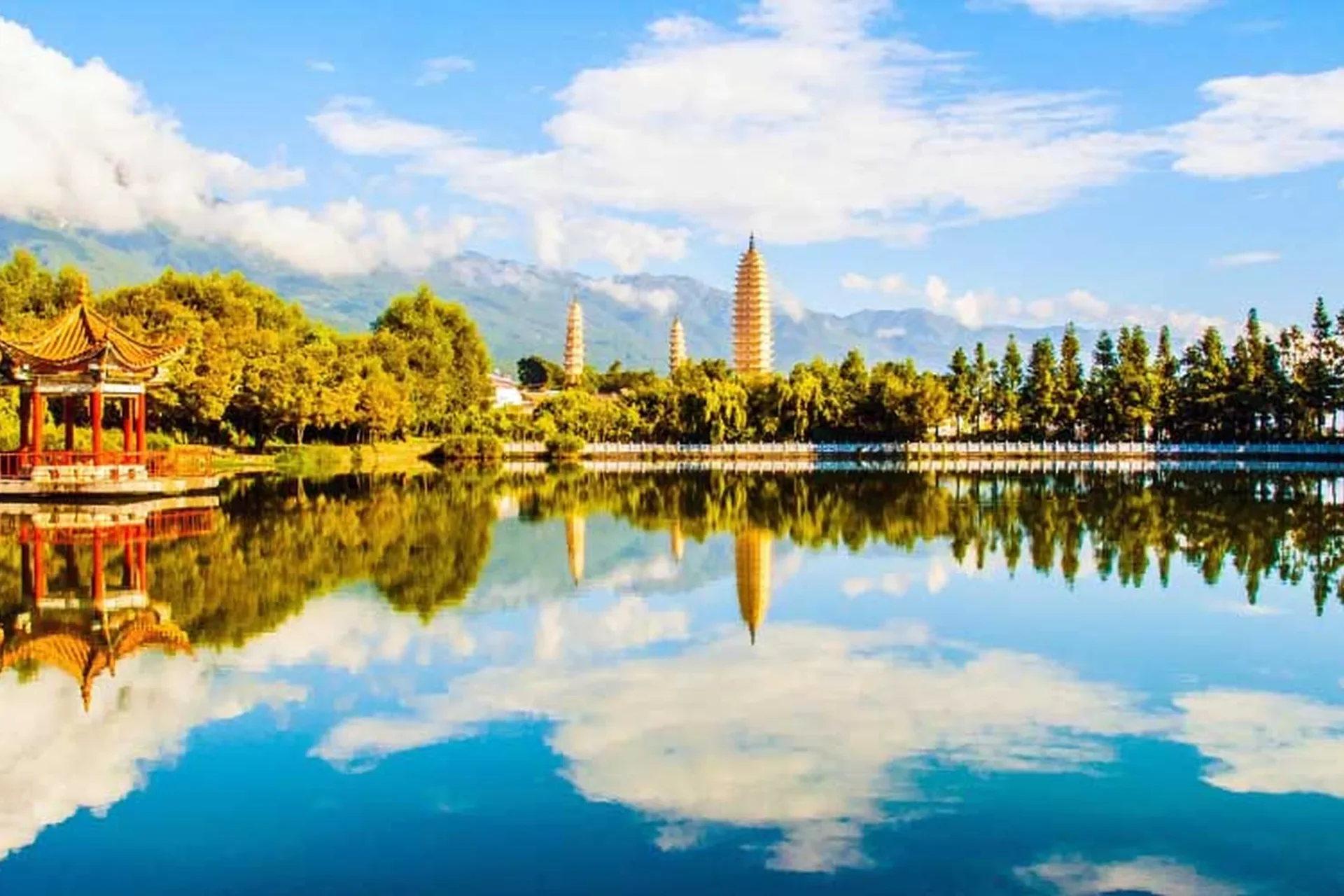
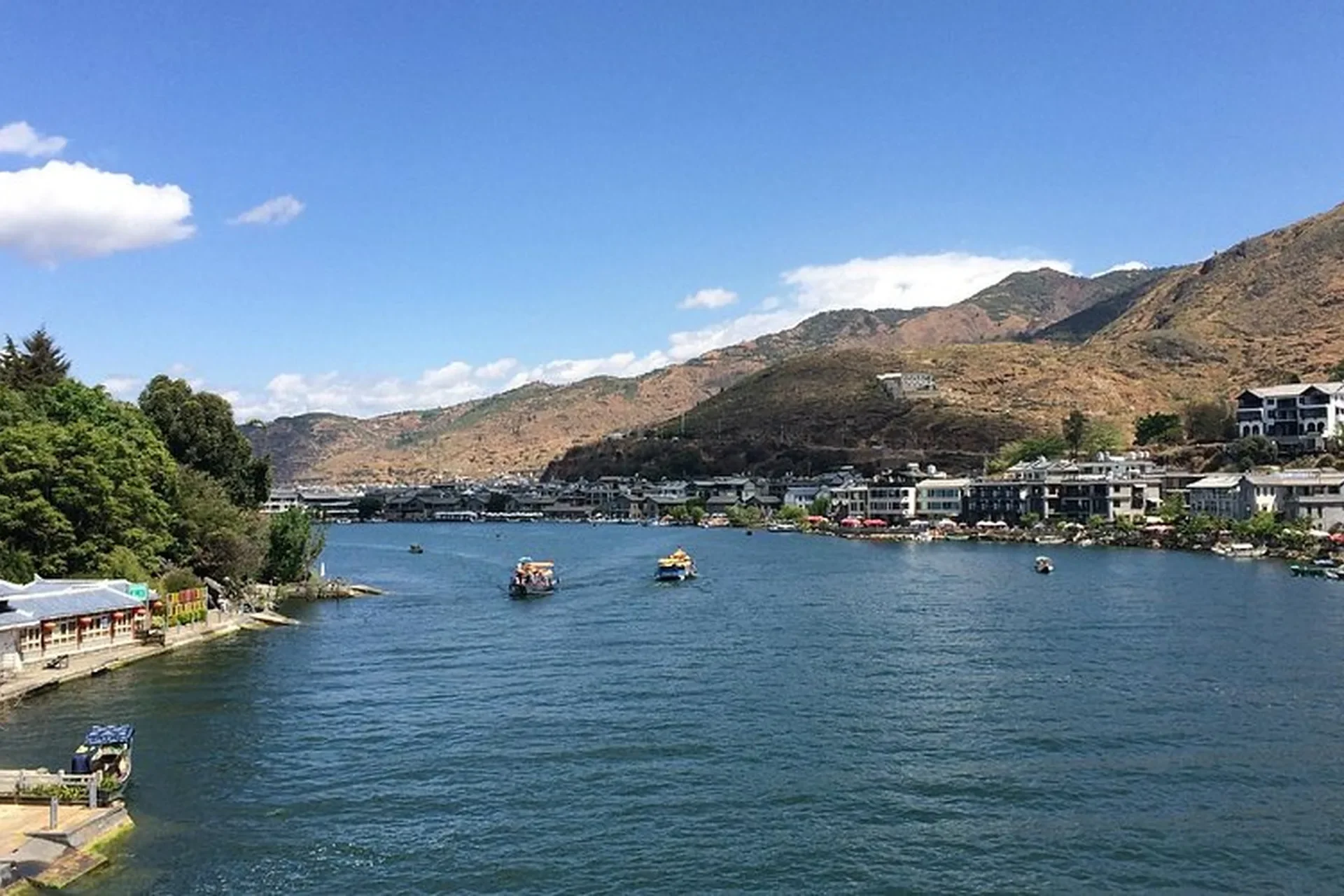
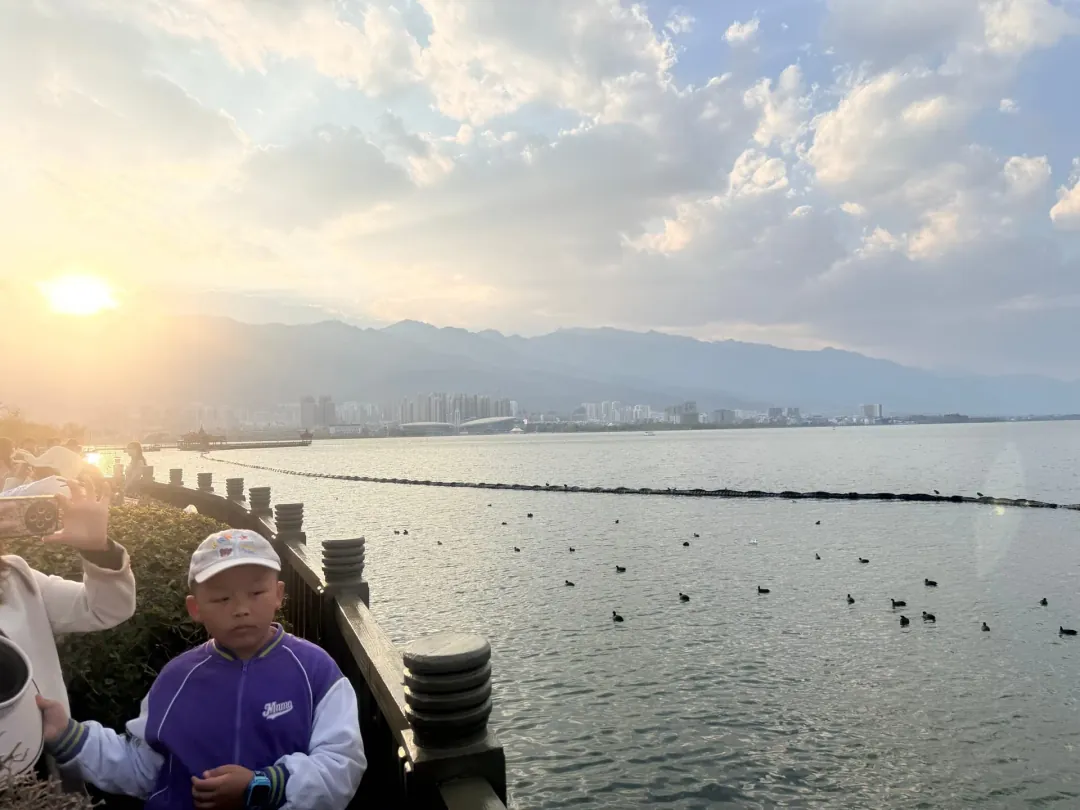
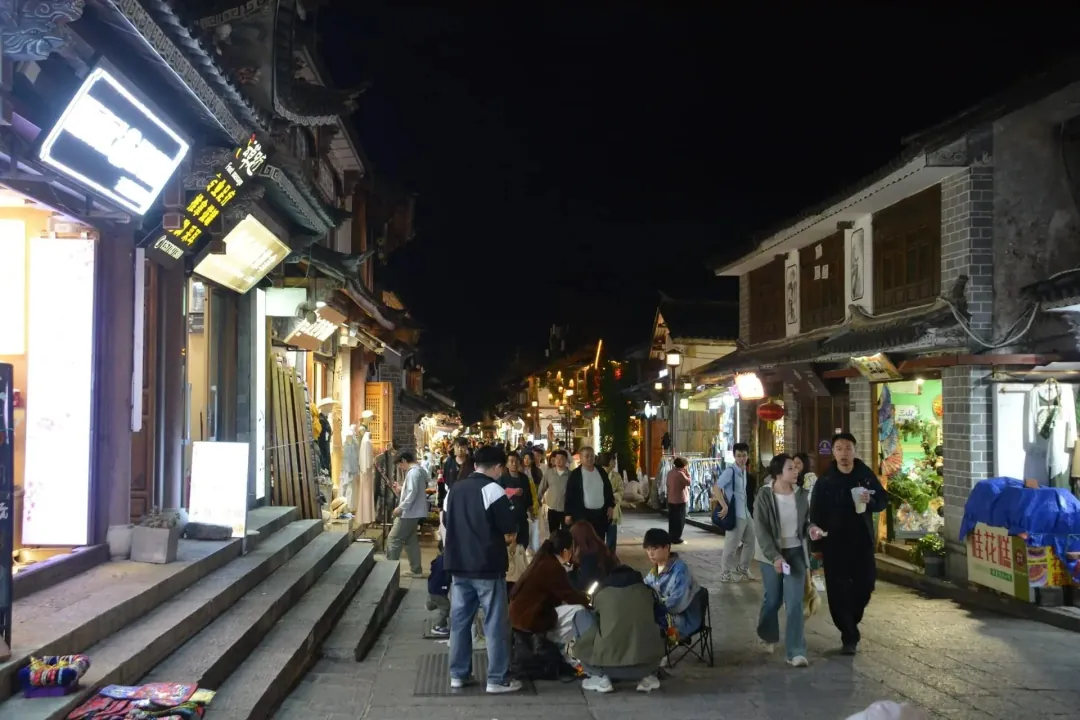
Dali rewards 2-3 days of any Yunnan itinerary. The old town, founded in 1382 and free to enter, sits on a chessboard grid between the 19 peaks of the Cangshan range and Erhai Lake, a 250 km² highland lake at 1,972 m elevation. The Three Pagodas of Chongsheng Temple — the central Qianxun Pagoda stands 69.13 m — are the oldest structures in the valley, begun in the 9th century. Spring (April-May) and autumn (September-October) are the most reliable seasons, and the only expensive ticket on a first visit is the pagoda park at CNY 75.
Why Dali
Dali was the capital of the Nanzhao kingdom and later the Dali kingdom, and it remains the cultural heart of the Bai people. The postcard formula locals call "wind, flowers, snow, moon" stacks four scenes into one valley: the Xiaguan wind, Shangguan flowers, the snow line on Cangshan's 19 peaks (Malong Peak, the highest, reaches 4,122 m), and the moon reflected in Erhai. Because the sights are close together — the old town to the lake is a 15-minute walk from the east gate — Dali suits travellers who would rather cycle between villages than sit on tour buses.
Top Sights
| Sight | Highlight | Entry | Time needed |
|---|---|---|---|
| Dali Old Town | 1382 grid plan, four gate towers, Renmin Road and Fuxing Road lanes | Free (wall towers CNY 35; four-gate combo CNY 40) | 1-2 days |
| Three Pagodas of Chongsheng Temple | 69.13 m Qianxun Pagoda, 16 close-eaved tiers; twin pagodas about 43 m; reflection pond | CNY 75 (concession CNY 40); 08:00-19:00, last entry 18:00 | 1-2 hours |
| Erhai Lake | 130 km free walking-and-cycling eco-corridor; Bai villages on both shores | Free (boat cruises CNY 100-150) | 1-2 days |
| Xizhou Bai Village | Best-preserved Bai courtyard town; Yan Family Compound; Xizhou baba flatbread | Free (compound CNY 35, 08:30-18:00) | 3-4 hours |
| Shuanglang | East-shore lakeside town below Nanzhao Folk Island | Free (folk island CNY 50) | Half day |
Cangshan itself — 19 peaks and 18 streams dropping toward the lake — frames every one of these stops; the chairlifts from the old town's west side are the straightforward way up if you want the ridge view.
A 3-Day Plan
Work through it in this order and swap days only if rain moves in:
- Day 1 — Old Town. South gate at opening, walk Fuxing Road end to end, then the side lanes of Renmin Road. Climb one wall tower (CNY 35) in the late afternoon for the Cangshan backdrop; shops wind down around 21:00.
- Day 2 — Pagodas and the west shore. Three Pagodas park at 08:00 opening (CNY 75; the shuttle from the north gate is about CNY 5 and 15 minutes, or walk the 1.5 km). Spend the afternoon cycling the eco-corridor south from the east gate — 15 minutes on foot gets you from the gate to the water.
- Day 3 — Xizhou and the north shore. Minibus from the north-gate bus station to Xizhou (about CNY 10, 30 minutes). Yan Family Compound, Sifang Street, baba straight off the griddle. Continue by e-bike (about 1.5 hours along the corridor) or bus to Shuanglang for the east-shore sunset, then return.
With only 2 days, drop Shuanglang and keep the pagodas with the west shore together — they are both on the old town's side of the lake.
Getting There and Around
| Route | Distance / time | Typical cost |
|---|---|---|
| Dali Airport → Old Town | about 30 km; airport shuttle or taxi | shuttle fare or a taxi meter |
| Dali Railway Station → Old Town | about 15 km | taxi or city bus |
| Old Town → Xizhou | 30-minute minibus | CNY 10 |
| Old Town → Shuanglang | about 40-minute minibus | CNY 15 |
| Erhai circuit | 1 full day by e-bike | e-bike CNY 50-80/day; car with driver CNY 300-500/day |
The high-speed rail line connects Dali with Kunming; most travellers arrive by train and leave the airport leg to their departure day.
Where to Stay
Stay inside or one lane outside the old town for a first visit — everything on Day 1 starts there, and the corridor, the pagodas and the north-gate minibuses are all walking distance. Lakeside guesthouses in Shuanglang trade convenience for sunrise views; they make sense on the third night, not the first. Book two weeks ahead for the early-October holiday week and the Bai Torch Festival period.
Food and Three-Course Tea
Eat cheap and local: Xizhou baba (baked sweet or savoury) from the griddles in Xizhou, and farmhouse-style Bai cooking around the old town. The ceremonial Three-Course Tea — an infusion served bitter, then sweet, then with a warming aftertaste — is a Bai hospitality custom you will be offered at courtyard houses and craft shops. Stallholders in the markets may not take cards, so keep small cash alongside Alipay or WeChat Pay.
Bai Culture, Briefly
The Bai are one of Yunnan's longest-settled peoples, and Dali is their home region rather than a staging area. Their courtyard architecture — "three rooms and a screen wall, four courtyards and five skywells" — is best read at the Yan Family Compound in Xizhou. Around the valley you will still see working craft traditions: tie-dye workshops, silverwork, embroidery. The Torch Festival, on the 24th day of the sixth lunar month, is the big annual celebration in Xizhou and nearby villages. Treat homes and workshops as exactly that — ask before photographing people, and buy craft where it is made.
Money, Connectivity and Emergencies
- Mobile payment: Alipay linked to an international card works nearly everywhere; carry CNY 50-100 in small notes for market stalls.
- SIM/eSIM: a tourist eSIM (about 5-30 USD) avoids the ID-and-queue routine at phone shops.
- ATMs: ICBC and Bank of China branches serve the old town.
- Police 110; ambulance 120; fire 119; national tourist hotline 12301.
When to Go
Spring (April-May) and autumn (September-October) give the steadiest weather. March adds rapeseed fields around Xizhou; September turns the paddies gold. Winter is cold but clear — the clearest pagoda-reflection photos come then. Avoid the national holiday weeks in early February, early May and early October: the same 130 km corridor that feels empty in June gridlocks in October.
Extending the Trip
Dali pairs naturally with the rest of Yunnan: Kunming for the Stone Forest, then Lijiang and the Tiger Leaping Gorge road north. See our 4-day Lijiang–Shangri-La itinerary for the second half of that route, Kunming and Lijiang city guides for the stops between, or the 3-day Dali trip builder to compress this guide into a fixed schedule.
Useful Phrases
| Chinese | Pinyin | Meaning |
|---|---|---|
| 你好 | nǐhǎo | hello |
| 谢谢 | xièxie | thank you |
| 多少钱 | duōshǎo qián | how much |
| 三道茶 | sāndào chá | Three-Course Tea |
| 扎染 | zārǎn | tie-dye |
Final Notes
Every number in this guide — the 1382 founding, the 69.13 m pagoda, the CNY 75 ticket, the 130 km corridor — is checked against our attraction database for Dali. Last verified 2026-10-12.