This page is archived and no longer updated — see the current guide: See the current guide
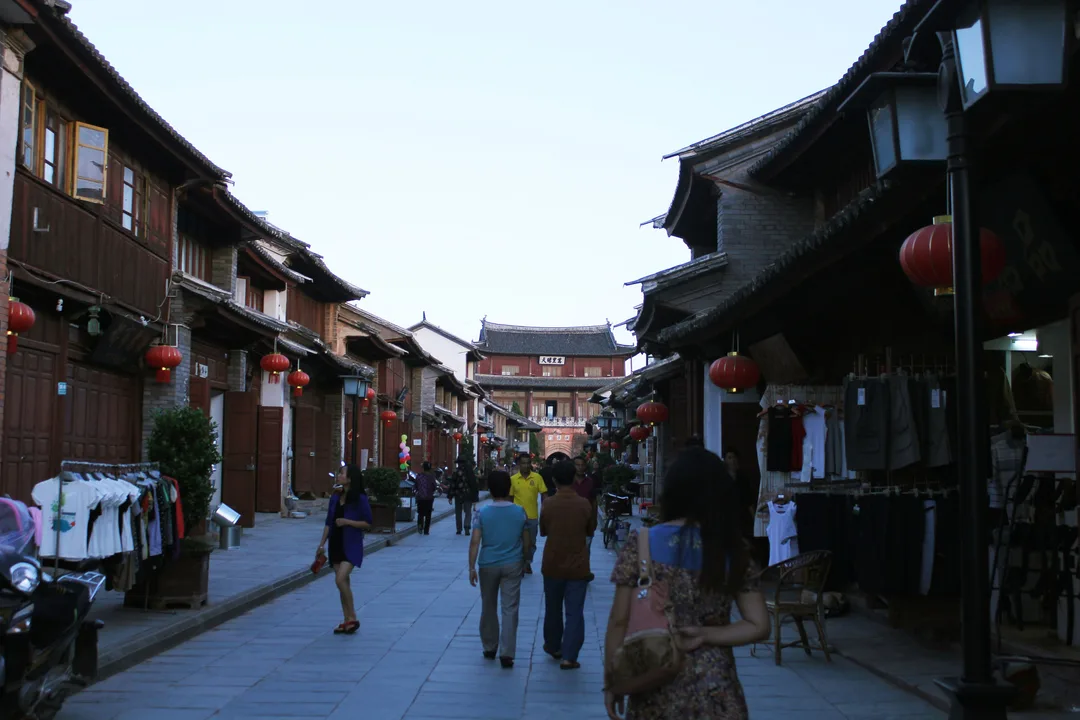
Weishan Ancient City (Yunnan's First City)巍山古城
Weishan Ancient City in Dali prefecture is among Yunnan's best-preserved ancient towns and the Nanzhao kingdom's birthplace, its Ming chessboard grid intact.
Dali · Visitor Guide2026-10-19
Quick Answer
Is Weishan Ancient City (Yunnan's First City) worth visiting?
One of Yunnan's best-preserved ancient towns — birthplace of the Nanzhao kingdom and source of the Red River — quiet, unvarnished and worth 1-2 unhurried days.
Quick facts
| Ticket | Free to enter the town; selected sights ticketed separately |
|---|---|
| Hours | Daily 0:00-24:00 |
| Recommended duration | 1-2 days |
| Best time to visit | Year-round; best outside the summer holiday crush |
| How to get there | Bus from Dali bus station to Weishan, about 1.5 hours (CNY 30); around 1 hour by car |
| English signage | Partial |
| Wheelchair accessible | Partial |
| Address | Nanzhao town, Weishan Yi and Hui Autonomous County, Dali prefecture, Yunnan |
| Type | Historic and cultural city / unspoiled ancient town |
| History | 600+ years (founded in the Ming Hongwu era) |
| Standing | Yunnan's first city — birthplace of the Nanzhao kingdom |
What to expect
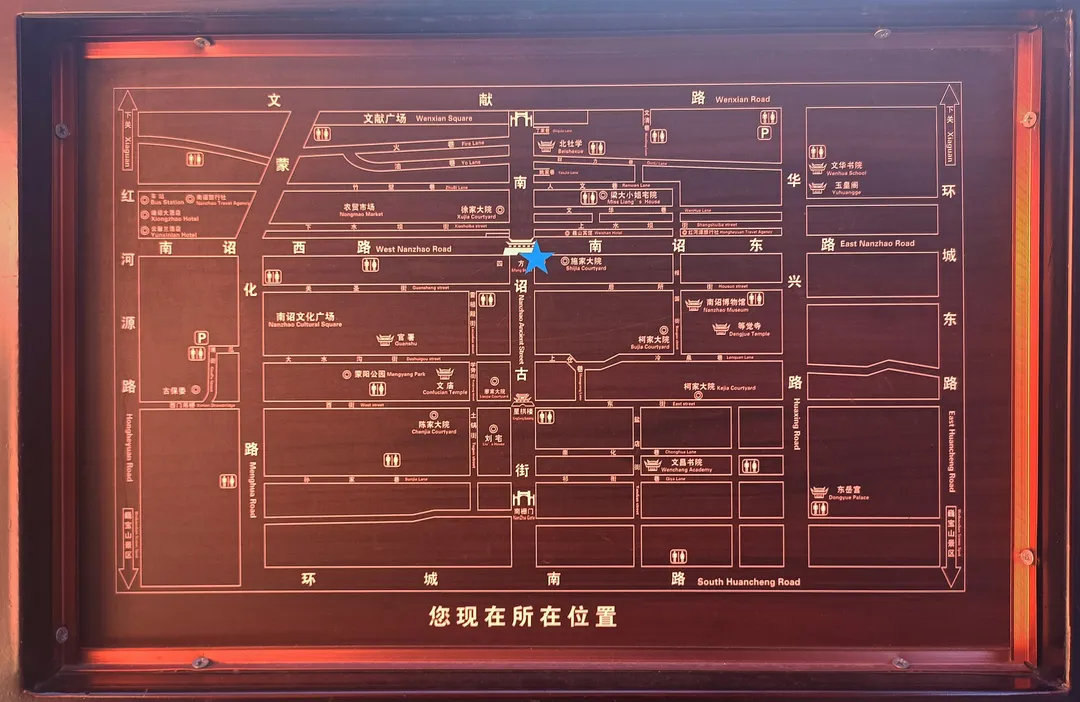
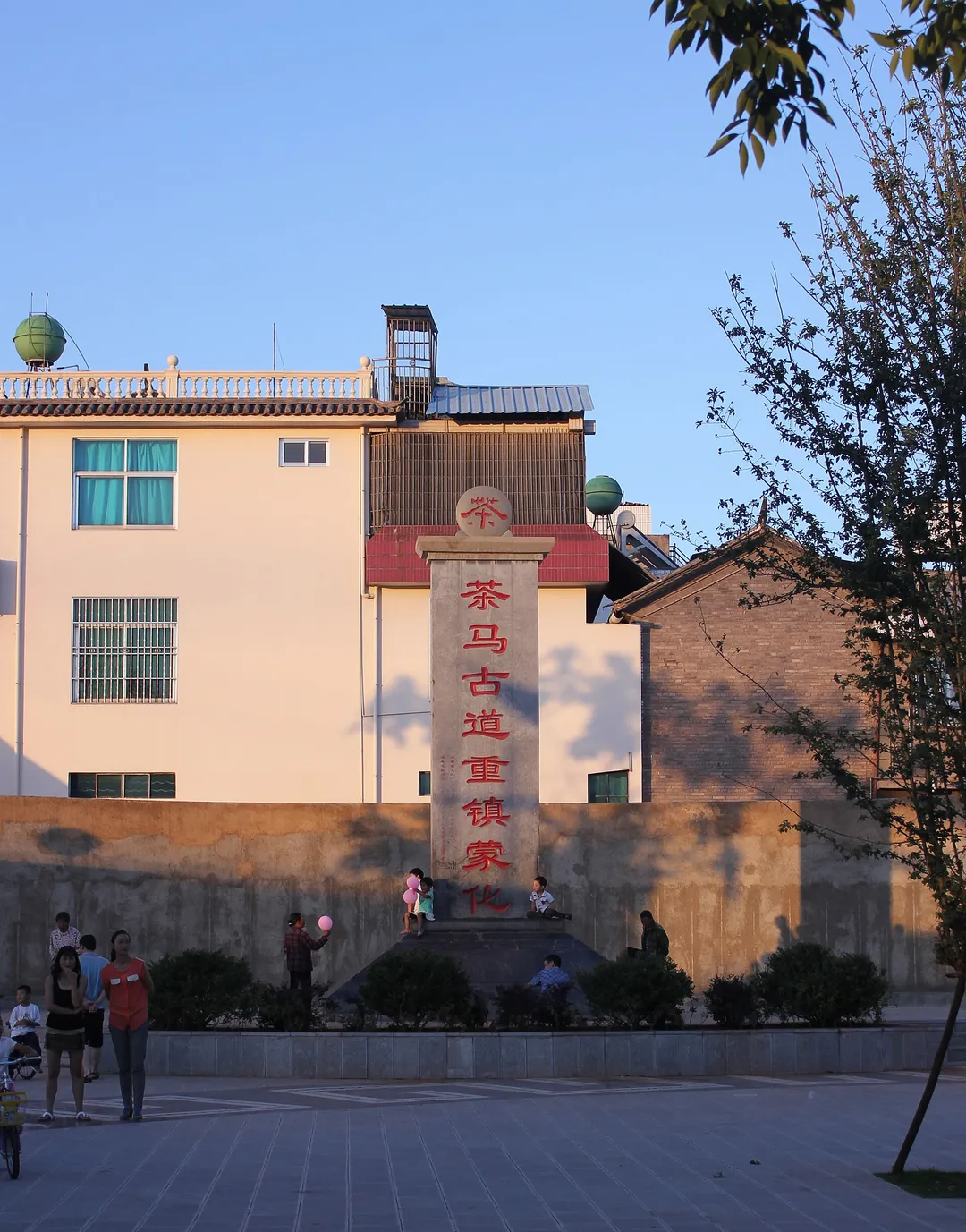
Weishan Ancient City sits in Nanzhao town, the county seat of the Weishan Yi and Hui Autonomous County, and counts among the best-preserved ancient towns in Yunnan. Founded in the Ming Hongwu era (1381), it was named by the founding Ming emperor Zhu Yuanzhang himself. The town follows a chessboard plan — four main streets running to four gate towers, 24 lanes laid out in order — preserving the Ming-Qing city grid. It was the cradle and capital of the Nanzhao kingdom, and the cultural depth shows.
What makes Weishan precious is its original, living state. Residents go about daily life as always and commercialization remains low, making this one of the finest places to experience Yunnan's local life. The town holds a Confucian temple and academies dating to the Ming, plus well-kept old houses and shopfronts. Walk the flagstone lanes and you will find elders sunning themselves by doorways and children playing in the alleys — a genuinely living old town.
Weishan is the source of the Red River, and the countryside around the town is lovely. The famed Dongliancheng ruins and Weibaoshan, a sacred mountain of Taoism, lie nearby. The local snacks are a draw of their own: bareque ersi rice noodles, one-strand noodles and green-bean cakes. Lodging in town is basic but atmospheric — the place for travelers who want to get far from commercialized sights.
How to get there
Buses leave from the Dali (Xiaguan) bus terminal for Weishan county (Nanzhao town), about CNY 30 and 1.5 hours, departing at short intervals. Driving via the G56 expressway takes about an hour. A chartered car from Dali Ancient Town costs roughly CNY 150-200 per day.
Best photo spots
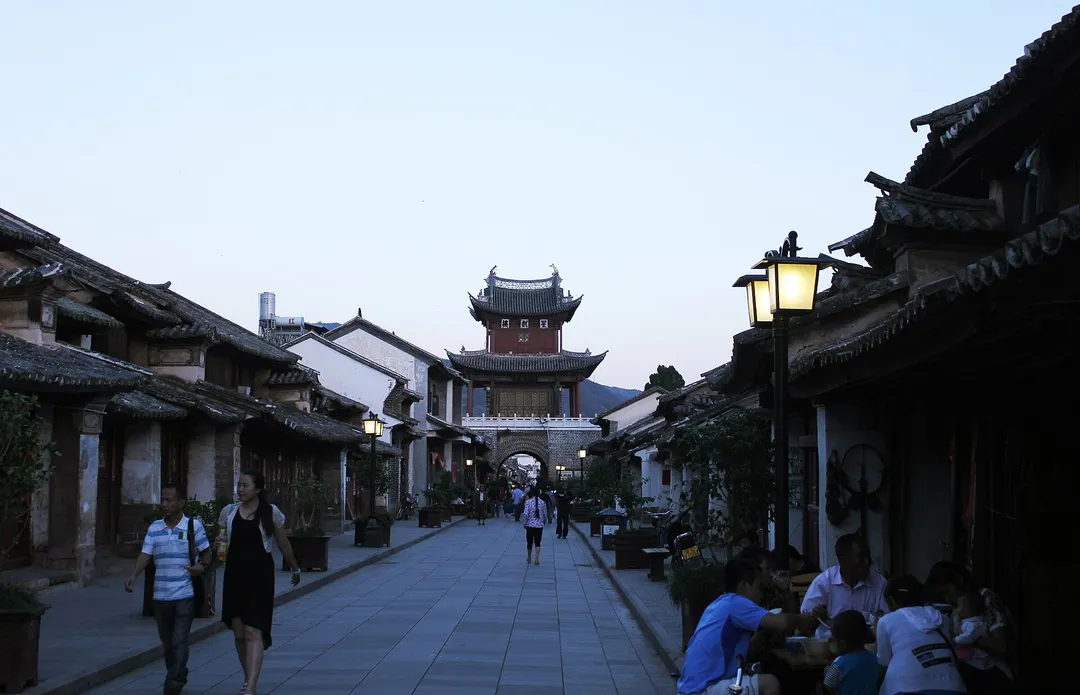
- Xinggong Tower, the central gate tower, at night
- The flagstone main street flanked by old buildings
- The Confucian temple complex with its ancient trees
- Early-morning street life in the lanes
Tips
- Stay a night to experience the town before and after the day-trippers
- Dining choices are limited but authentic — try the local bareque ersi noodles
- Pair the town with Weibaoshan, the Taoist mountain about 10 km away
- English signage is scarce; foreign visitors may want a local guide
Scams to avoid
- With little commercial development and thin tourist infrastructure, outsiders can be overcharged — agree on prices first
- Some charter drivers detour to obscure restaurants for kickbacks
- Craft prices in town are all over the place — don't buy in a hurry
Frequently asked questions
How does Weishan differ from Dali Ancient Town?
Weishan is smaller, more original and far less commercialized, holding on to a genuine everyday life. Dali Ancient Town has fuller facilities but heavy commercialization. The two feel worlds apart — experience both.
Does Weishan charge admission?
Entering the town itself is free. Small sights inside such as the Confucian temple are ticketed separately (CNY 10-20) and optional.
How do I get to the source of the Red River?
It lies about 20 km northwest of the county seat; hire a car, as no public transport reaches it.
Read next
Other things to do in Dali
Dali Ancient Town
One of China's first 24 Historic and Cultural Cities, founded in 1382 and free to enter — Yunnan's best Bai architecture, marble crafts and Three-Course Tea. Allow 1-2 days with Erhai Lake.
Three Pagodas of Dali and Reverse Reflection Park
Dali's iconic three-pagoda complex from the 9th-century Tang era, with Qianxun Pagoda 69.13 m tall; entry 75 yuan, open 08:00-19:00, famed for pagoda reflections in the pond.
Erhai Lake
Yunnan's second-largest freshwater lake: about 250 sq km at 1,972 m elevation, up to 21 m deep, ringed by a free 130 km eco-corridor. Allow 1-2 days for the circuit.
Shuanglang Fishing Village
A Bai fishing village on Erhai Lake's east shore near Dali, beloved for lazing by the water; free entry, Nanzhao Folk Island 50 yuan, 40 min minibus (15 yuan) from Dali Old Town.
Xizhou Bai Ethnic Ancient Town
Dali's largest Bai settlement, with beautifully preserved traditional architecture — the setting of the classic film Five Golden Flowers; Yan Family Compound CNY 35.