This page is archived and no longer updated — see the current guide: See the current guide
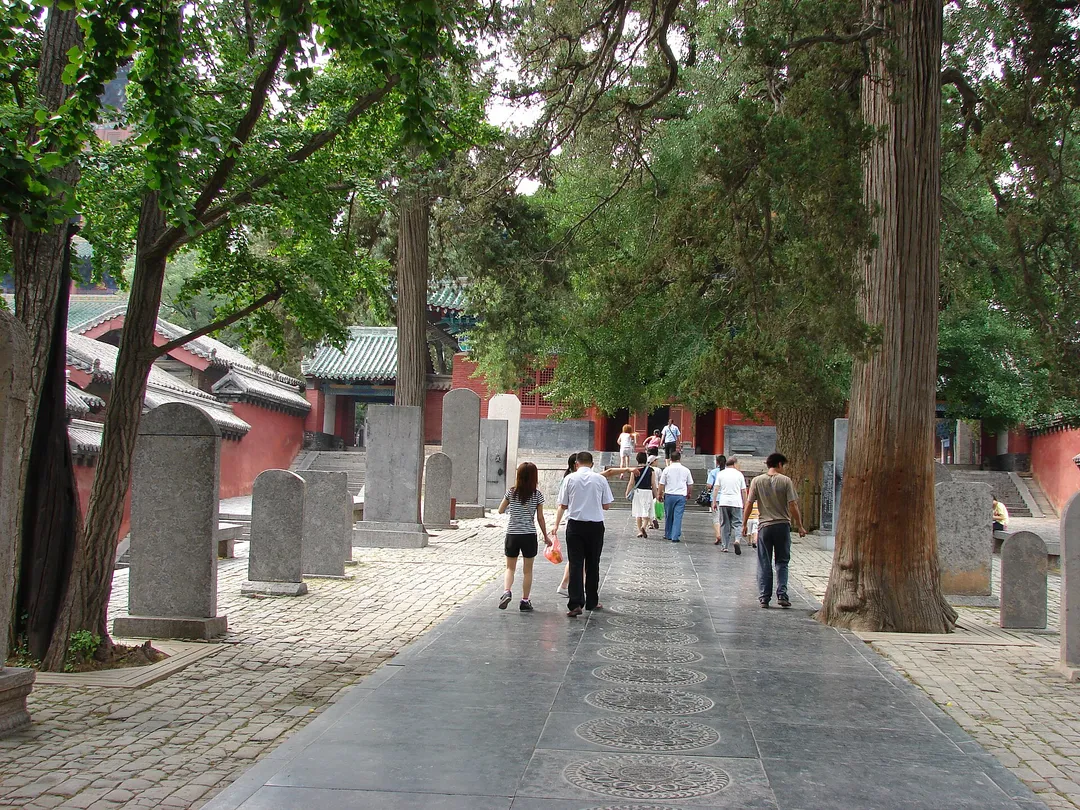
Shaolin Temple少林寺
Shaolin Temple stands at the northern foot of Shaoshi Peak in the Songshan range. As the founding monastery of Chan (Zen) Buddhism and the birthplace of Shaolin kung fu, it is honored as the "First Temple Under Heaven", and its martial arts draw pilgrims and enthusiasts from China and abroad.
Luoyang · Visitor Guide2026-10-19
Quick Answer
Is Shaolin Temple worth visiting?
The 'First Temple Under Heaven' — birthplace of Shaolin kung fu and the emblem of Chinese martial arts; admission CNY 80 and allow 4-6 hours.
Quick facts
| Ticket | Adults CNY 80 (covers Shaolin Temple, the Pagoda Forest and Sanhuangzhai); students/seniors CNY 40 |
|---|---|
| Hours | Scenic area 08:00-17:00; kung fu shows at 10:30, 11:30, 14:00, 15:00 and 16:00 |
| Recommended duration | 4-6 hours |
| Best time to visit | April-Oct (spring greenery, autumn foliage) |
| How to get there | Tourist express buses run from Luoyang; by car take the Zheng-Shao expressway to the Dengfeng West exit |
| English signage | Yes |
| Wheelchair accessible | Partial |
| Founded | Northern Wei, 20th year of Taihe (496) |
| Religious status | Founding monastery of Chan (Zen) Buddhism |
| Martial arts | Birthplace of Shaolin kung fu |
| Pagoda Forest | More than 250 tomb pagodas spanning the dynasties |
| World Heritage | Yes (inscribed in 2010) |
| Shows | Multiple daily kung fu performances |
What to expect
Founded in 496, in the 20th year of the Northern Wei's Taihe era, Shaolin Temple carries more than 1500 years of history. It was here that the Indian monk Bodhidharma, after nine years facing a cave wall in meditation, founded Chan (Zen) Buddhism — hence the temple's standing as the founding monastery of the Chan school.
Shaolin kung fu grew out of Chan practice — martial arts as a path of cultivation — and stands as the face of Chinese martial arts. The temple's warrior monks train year-round, their fist, staff, saber and sword techniques of the highest order, and several daily performances show off the art's range and power.
The Pagoda Forest, about 500 m west of the temple, is a necropolis of brick pagodas raised for monks across the dynasties — more than 250 survive, the largest complex of its kind in China. Sanhuangzhai, a scenic mountain where Daoist, Buddhist and Confucian strands meet, offers striking terrain within the temple's precinct.
How to get there
Tourist express buses run from Luoyang railway station direct to Shaolin Temple, about 2 hours. By car, take the Zheng-Shao expressway to the Dengfeng West exit and follow the signs. You can also reach Zhengzhou or Dengfeng by high-speed rail and continue by local transport.
Best photo spots
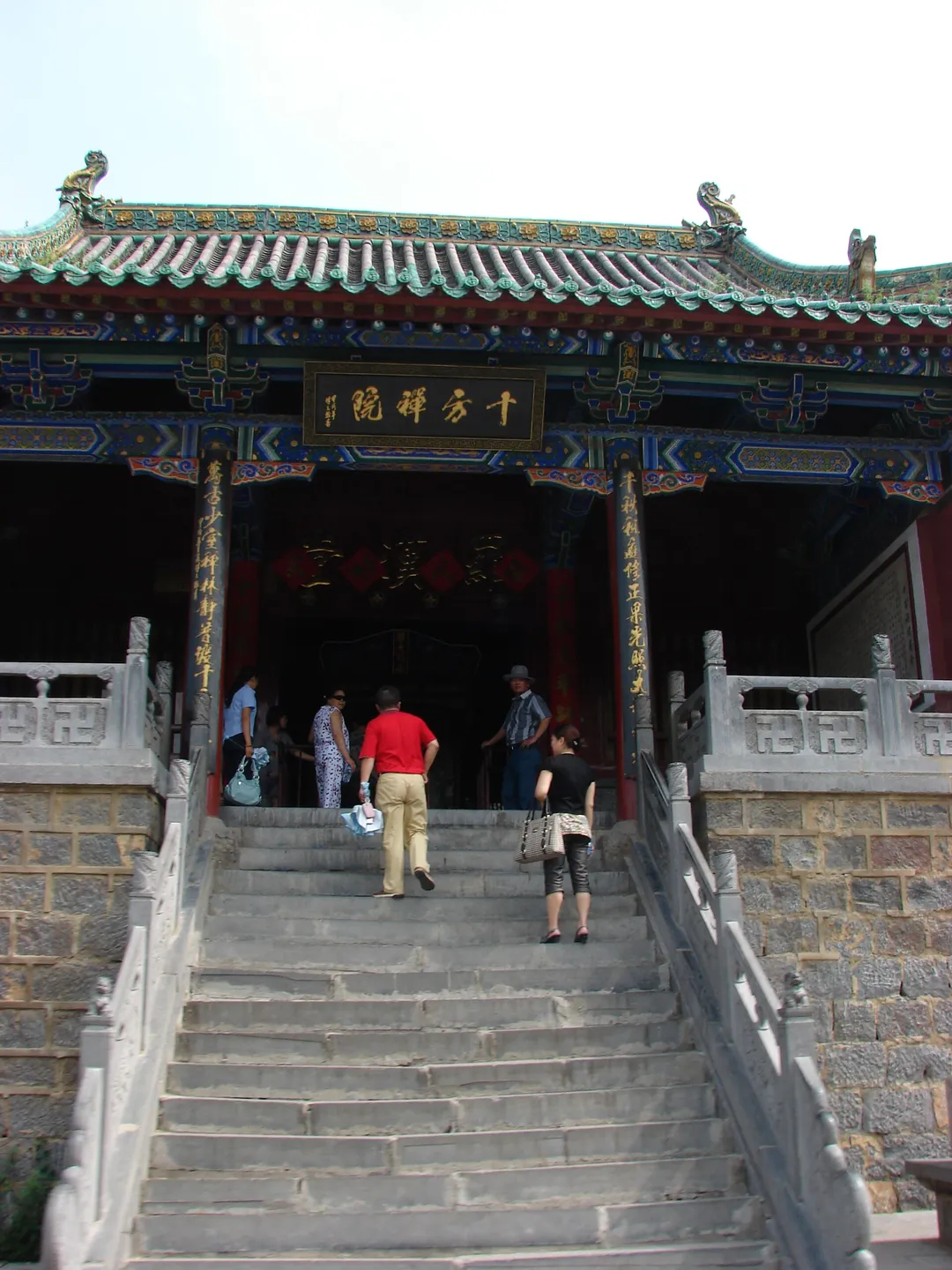
- The temple's mountain gate
- The pagoda cluster of the Pagoda Forest
- The kung fu performance
- The Sanhuangzhai plank walkway
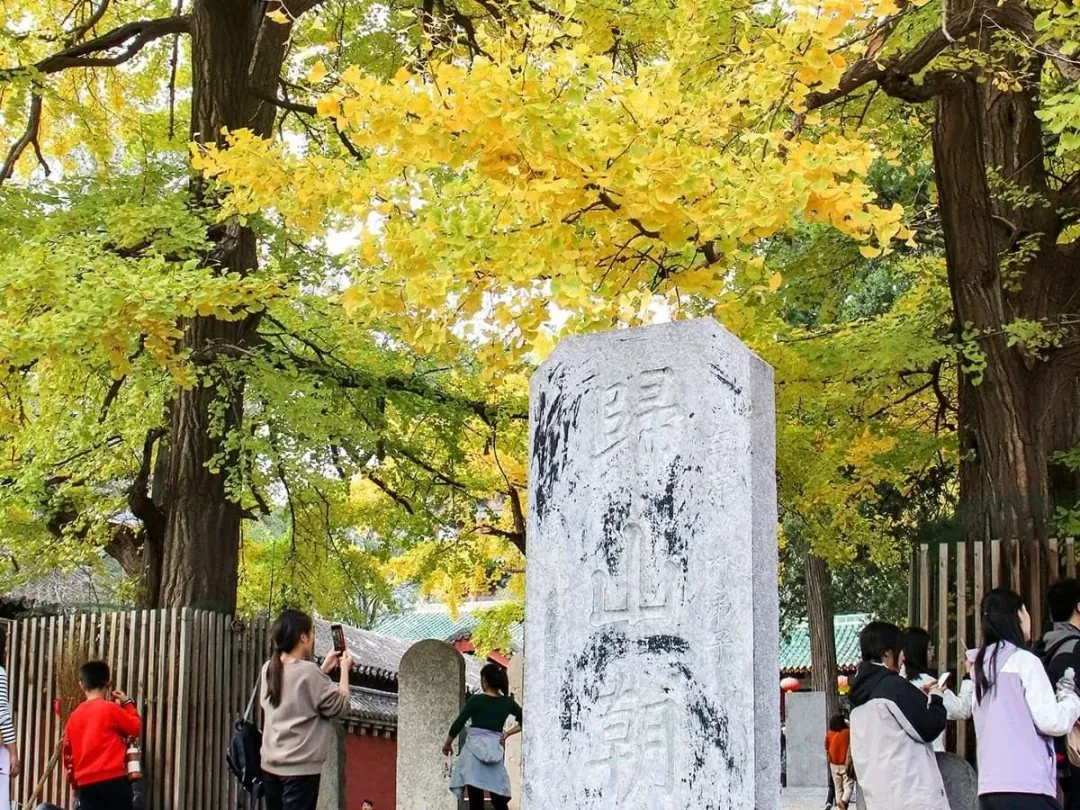
- The ancient ginkgo in the temple grounds
Tips
- The kung fu show is a must — check the timetable before you plan
- The Sanhuangzhai climb is steep; skip it if your legs are unsure
- Buy tickets online ahead in high season to dodge the queues
- Try the vegetarian meal served in the temple
Scams to avoid
- Martial-arts schools around the temple overpromise in their recruiting — choose with care
- Vendors on the hill sell souvenirs "blessed" by the temple at steep markups
- Parking may attract arbitrary charges from locals
Frequently asked questions
How do Shaolin Temple and Mount Song relate?
The temple stands on Shaoshi Peak in the Songshan range — one of China's five sacred mountains, split into Taishi and Shaoshi. Shaolin is the mountain's most important sight.
How much climbing is involved?
The temple itself takes 1-2 hours; the Pagoda Forest about 30 minutes. Sanhuangzhai is a 3-4 hour hike, fairly demanding.
Can I learn kung fu there?
Several accredited martial-arts schools near the temple offer short experience courses — choose a properly licensed one with care.
Read next
Other things to do in Luoyang
Baiyun Mountain (Luoyang)
Yuhuangding, the highest summit of the Central Plains at 2,216 m, delivers spectacular seas of cloud, sunrise views and fiery autumn foliage — a celebrated summer escape.
Longmen Grottoes
One of China's four great grotto sites, with some 100,000 Buddha figures carved into the cliffs on both banks of the Yi River, framed by Xiangshan Temple and Bai Garden.
Luoyang Museum
A National First-Grade museum holding 5,000 years of Heluo civilization — the evidence of 'the earliest China.
Luoyang Old Street
Night-market culture atop the Sui-Tang city of Luoyang — lantern-lit streets for tasting the water banquet and street snacks; best spent over 1-2 evening hours.
Museums in Luoyang
Luoyang Ancient Tombs Museum
Walk through 25 reconstructed underground tombs spanning 1,500 years — from Han Dynasty brick chambers to Song Dynasty frescoed vaults — in the world's only museum dedicated to ancient burial.
Longmen Grottoes Museum
The museum documenting the Longmen Grottoes (龙门石窟) — one of China's four great Buddhist cave temple sites with 100,000+ Buddhist images carved between 493 CE and the Tang Dynasty. ¥90.
Luoyang Museum
Luoyang's city museum covers capital-city archaeology across 13 dynasties — the nine-dynasties capital — plus context for the nearby Longmen Grottoes. Free.