

Hegang at a Glance
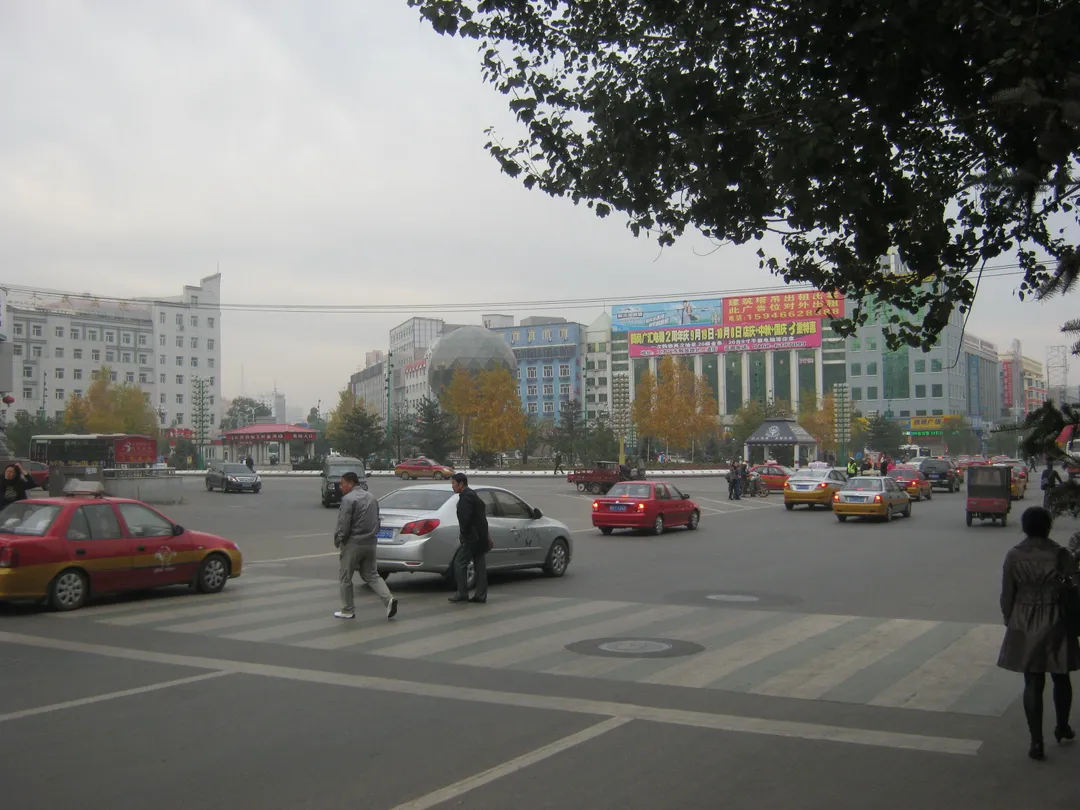
Hegang (鹤岗) is a small coal city in northeastern Heilongjiang, and it rewards a specific kind of traveller: the one who has done Harbin and wants to see how the other Northeast actually lives. In 2-3 days you get four things. The city museum reads a coal town that grew from the 1910s. The national mine park, one of China's first batch and approved in 2005, keeps the giant pits and rail lines of a century of digging. The Xilinhe folk park, a 30-minute drive east, swaps headframes for forest and a reservoir. And a border day runs 90 km northeast to Mingshan Island at Luobei county, where the Amur — the China-Russia border river — slides past with the Russian settlement of Amurzet on the far bank.
There is a fifth thing, and it is the reason the city is famous at home: since a 2019 online post about an apartment bought for under 60,000 yuan, Hegang has been shorthand in China's affordable-housing debate. Walk the blocks and the story reads plainly — low, affordable buildings, a compact centre, and winters that empty the streets.
Why Hegang
Hegang is not a sightseeing city in the poster sense, and that is exactly its value. It shows the resource-Northeast without make-up: a town that mined itself into existence, kept its squares and parks, and now talks about coal in the past tense. Travellers who liked the railway towns of the Northeast or the border atmosphere of Heihe will recognise the register immediately.
The practical case: the city is small, flat and cheap — our roster pegs a backpacker day at 40 CNY and a mid-range day at 100 CNY — distances are short, and everything in this guide fits a 2-3 day window without rushing. The costs are equally clear: English signage is limited outside main attractions, the January cold is serious, and no high-speed line has made Hegang a convenient stop — you come here because the journey itself is the point.
Pair it honestly with the region: Harbin for the Russian quarter and the ice festival, Qiqihar or Jiamusi as neighbouring bases, and our Heilongjiang province guide for the full map. Hegang sits at the quiet end of that circuit — which is the appeal.
The City Museum: a Town Built on Coal
The Hegang city museum is the right first stop, and it takes 1-2 hours. Its exhibits follow the coal: a settlement that grew from the 1910s, the railway connections that turned a mining camp into a city, the boom decades and the quiet years that followed. Labels lean Chinese, so bring a translation app — but the photographs and the machinery carry the story on their own.
What the museum frames, the streets finish. Hegang reads like a city planned around shift work: wide squares, a compact centre, apartment blocks sized for miners' families, and the low prices that made it famous. Keep the museum ticket stub of your mind in your pocket as you walk — the city is the second gallery.
The National Mine Park
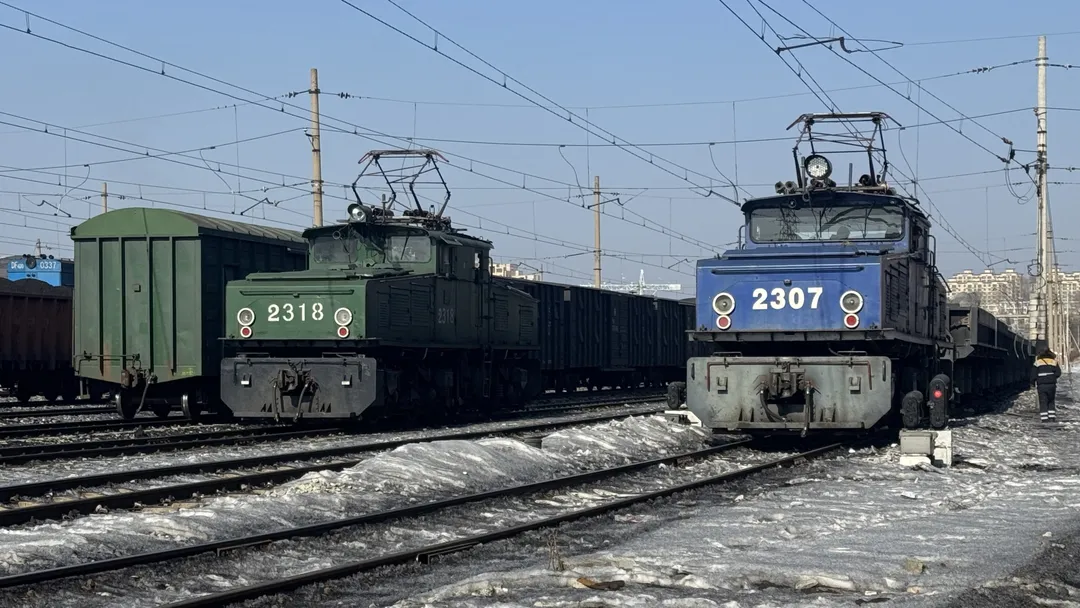
One of China's first-batch national mine parks, approved in 2005, sits on the city's mining legacy and does not tidy it up. Giant open pits, rail lines, winding towers and workshops remain where a century of digging left them, arranged so you can read the scale of the operation from the rim. It is industrial heritage in the raw — closer to a monument than a theme park — and photographers who like heavy machinery and long sightlines will stay longer than they planned.
Give it a morning. The pits are exposed, so in winter the wind on the rim is serious; in summer bring sun protection and water. The park is a short ride from the centre, and pairing it with an afternoon elsewhere is easy — the folk park to the east is the natural second half.
Tianshui Lake and the Evening Circuit
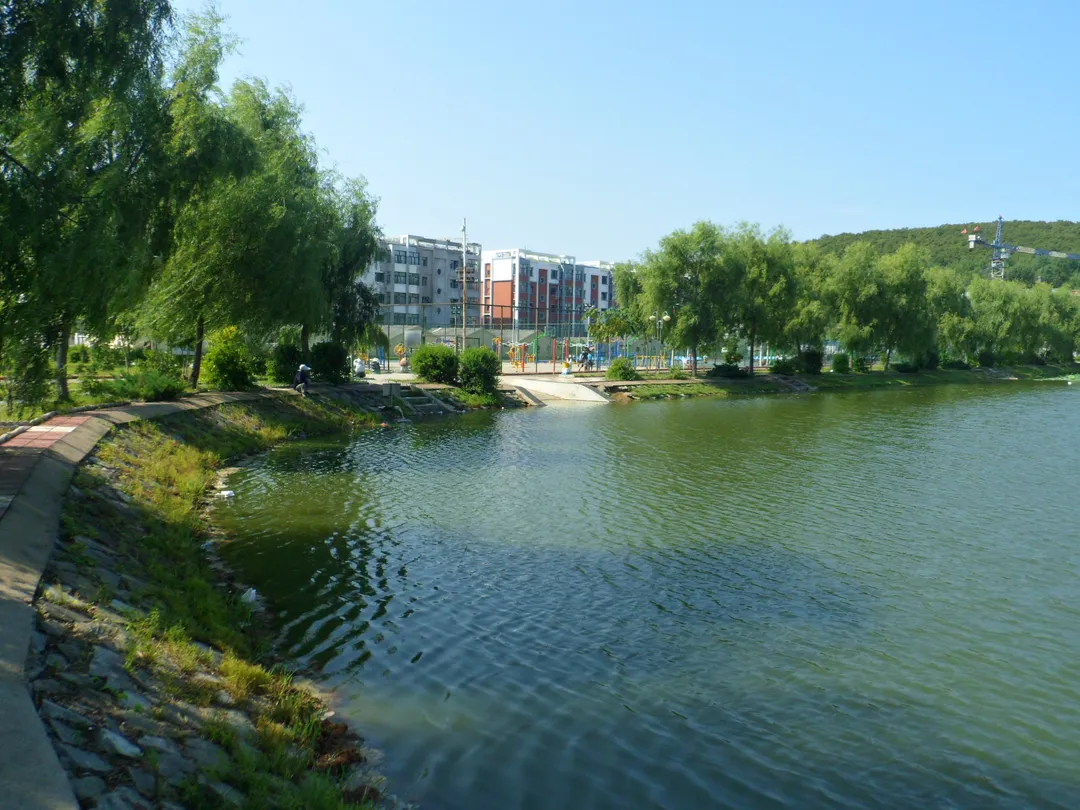
Every Chinese city keeps a park where the evenings happen, and in Hegang it is Tianshui Lake. Families circle the water after dinner, vendors set up at the gates, and the dancing troupes claim their corners by seven. There is no ticket and no agenda — it is simply where the city relaxes, and for a visitor it is the easiest hour of local life to join.
Come back after dark in summer. The northern summer evening runs long and cool, the square fills, and the lake circuit gives you the city at its most unguarded. If your trip is short, this is the cheapest way to understand the place: a loop of the lake, a snack from the stalls, and the low skyline doing what it does.
Xilinhe: Forest and Reservoir
The Xilinhe folk park, about a 30-minute drive east of the city, changes the scenery completely: forested hills around a reservoir, walking paths, and a folk-culture theme that leans into the region's forest and river traditions rather than mining. In the green season — June-August — it fills the afternoon comfortably, with picnic spots under the trees and water views across the reservoir.
It is a local outing rather than a national sight, which is the point: on a weekday you may share it with nobody. Prices are modest, transport is by taxi or a hired car, and the walk is gentle. In deep winter the same roads turn to packed snow; the park works then as a white-forest walk for the properly dressed.
Mingshan Island: the Amur Border Day
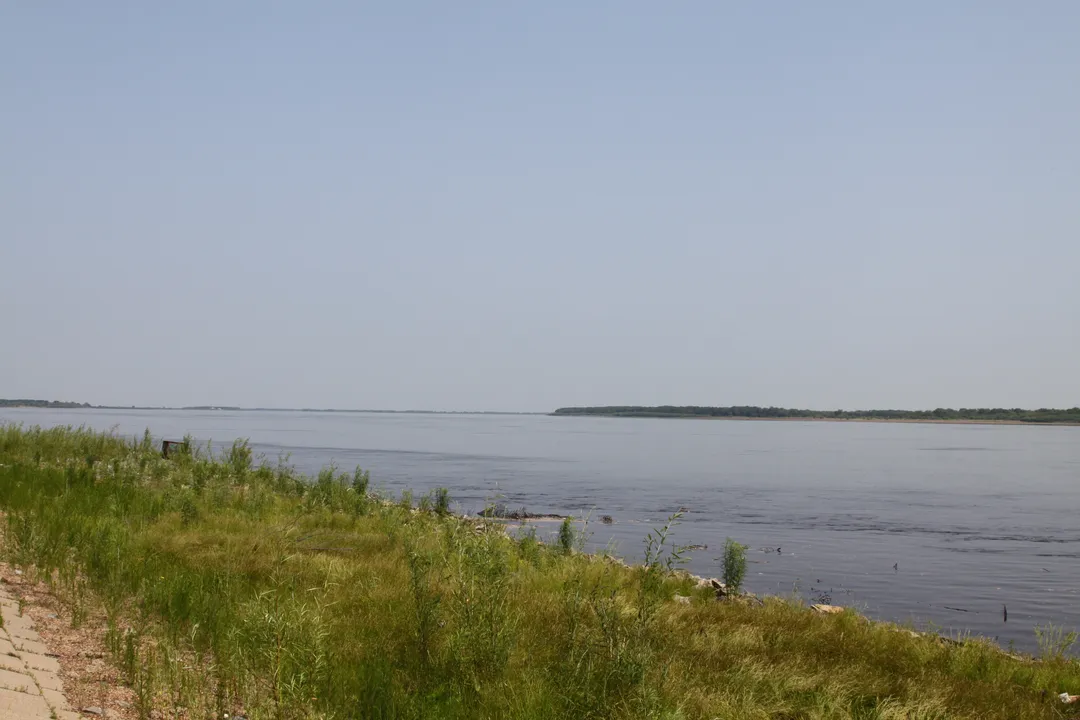
Northeast, about 90 km away at Luobei county, the trip changes scale. Mingshan Island sits in the Amur — the Heilongjiang, the China-Russia border river — with the Russian settlement of Amurzet visible across the water. The riverside park and viewing areas need no documents at all: you walk the banks, watch the river slide past, and stand closer to Russia than most travellers ever get without a visa.
Crossing is another matter. Passing to the far bank requires passport and visa, and the ferry runs seasonally; most visitors take the riverside option and keep their documents in their pockets. The road out to Luobei runs through farmland and forest, and the island's wetland paths give the day a nature half to balance the city mornings. Build the day generously — the route out and back takes real hours — and check opening status locally before committing the day.
A Two-Day Plan (and a Third)
- Day 1 — the city itself. The city museum in the morning (1-2 hours), lunch downtown, the mine park in the afternoon light, and Tianshui Lake after dinner for the evening circuit.
- Day 2 — green and water. The 30-minute run east to Xilinhe for the forest-and-reservoir walk, back to town mid-afternoon, evening at the lake or the night market streets.
- Day 3 — the border. Leave early for the 90 km run to Mingshan Island at Luobei; riverside walk, wetland paths, seafood lunch if the season allows, back by evening.
The day-by-day version with legs and bookings lives in our Hegang 3-day trip builder, and the 7-day plan extends the circuit across the region. For the province-wide picture — Harbin, Qiqihar, the border towns — see our Heilongjiang guide.
Getting There and Around
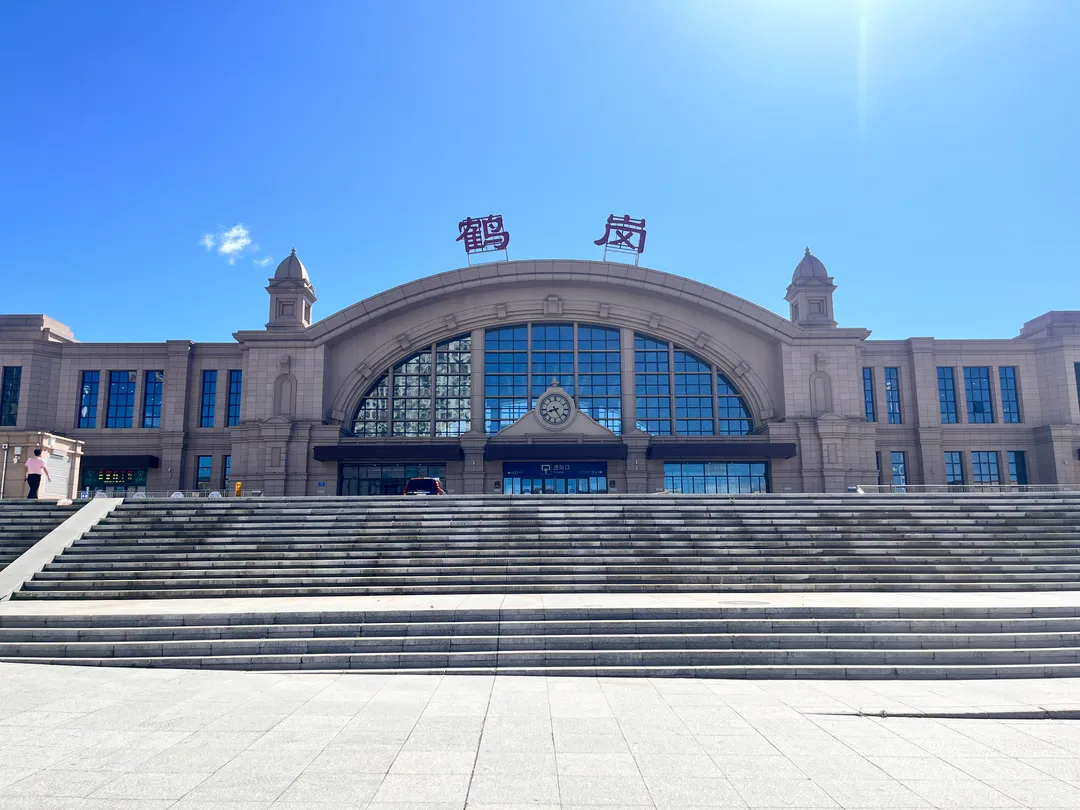
Hegang sits off the region's high-speed spine, and getting there is part of the trip: overland connections run through neighbouring cities such as Jiamusi, with Harbin as the usual gateway — our Harbin guide covers the arrival city. Check current timetables close to travel; schedules on this corridor change more often than on the main lines.
Inside the city, distances are short and taxis are inexpensive; DiDi works with an international card. The mine park and the lake sit close to the centre, Xilinhe and Mingshan Island need a car, a driver or a local tour — arrange the driver the day before, and agree the return leg when you book. Winter driving is a local specialty; leave it to someone who does it daily.
Where to Stay
Stay central, near the lake or the main squares: you get the evening circuit on foot, the cheapest rates of any city this size, and the short winter exposure between bed and breakfast. Hotel stock is solid mid-range — the city built housing affordably, and rooms follow — so the 300-600 CNY band that our roster lists for a mid-range month buys noticeably more here than in provincial capitals. Book ahead only for the July-August green season and the national holiday weeks; in winter, choice is wide and prices soft.
What to Eat in Hegang
This is Northeastern China, so the table follows the region: dumplings by the tray, stews that arrive in metal pots, pancakes and pickles, and barbecue streets that run hottest in the short summer nights. Portions are sized for people who work outdoors in January — order accordingly, and let the waiter talk you down one dish. Freshwater fish from the Amur system appears on the eastern side of the trip, when the season allows.
Mobile payment works nearly everywhere — Alipay linked to an international card covers restaurants and markets — but keep 50-100 CNY in small notes for the market stalls and the smallest eateries. English menus are rare outside hotel restaurants; pointing works, and translation apps cover the rest.
What a Day Costs
| Item | Price band | Notes |
|---|---|---|
| Backpacker day | 40 CNY | hostels or budget rooms, buses, noodle shops |
| Mid-range day | 100 CNY | rated hotels, taxis, fuller meals |
| Luxury day | 300 CNY | top local hotels, private car |
| Accommodation (mid-range month) | 300-600 CNY/night | central hotels, generous standard |
| Food | 100-200 CNY/day | dumpling lunches to barbecue dinners |
| Local transport | 30-60 CNY/day | short taxi hops across a small city |
| Attractions | 50-150 CNY/day | mine park, museum, folk park |
At mid-range, count on roughly 500-1,000 CNY per person per day including accommodation — our roster's estimate — and note that Hegang sits at the bottom of that band more comfortably than most. The border day adds transport cost for the 90 km round trip; everything else stays small.
When to Go
June-August is the season this guide assumes: the cool green summer, with July days near 21 °C and long evenings. May and September are quieter and cooler. Winter is a different city — January averages near -18 °C — and it is a serious, beautiful proposition: packed snow, frozen river at Luobei, streets emptied by cold. Come then only with real winter kit, and plan indoor mornings.
The national holiday weeks of early February, early May and early October move the whole country at once; even in a quiet city like this, transport out and back gets busy. Shoulder-season weekdays are when Hegang works best.
Practical Tips
- Payment: link an international card to Alipay or WeChat Pay before arrival; carry 50-100 CNY in small notes for markets and small eateries.
- Connectivity: a tourist data eSIM (about 5-30 USD) avoids the phone-shop queue; install a VPN before you fly, since Google, WhatsApp and Instagram are blocked on the mainland.
- Language: English signage is limited outside main attractions — screenshot addresses in Chinese and keep your hotel's name written down.
- Cold: in winter, dress for -18 °C mornings; layers, windproof outer, and indoor margins in the plan.
- Emergencies: police 110, ambulance 120, fire 119, national tourist hotline 12301.
Frequently Asked Questions
How many days do I need in Hegang?
Two cover the city properly — museum, mine park, lake evenings and Xilinhe — and the third belongs to the border run at Mingshan Island, 90 km out. One day is possible for the museum and mine park alone, but the border day is the reason most travellers come, so protect it.
Why is Hegang famous for housing prices?
In 2019 an online post described an apartment bought here for under 60,000 yuan, and the story made Hegang the national shorthand for affordable housing in China's shrinking industrial towns. The blocks you walk past are the evidence: solid, low-rise, priced for locals. Travellers come to see the reality behind the headline — a functional small city, not a ghost town.
Can you cross to Russia at Mingshan Island?
Crossing to the far bank at Luobei requires passport and visa, and the ferry runs seasonally — check status locally before you plan the day around it. The riverside park and viewing areas need no documents, and for most visitors that is the experience: standing on the bank of the Amur with Amurzet across the water.
Is Hegang cold in winter — really?
Yes. January averages near -18 °C, and the wind on exposed ground cuts harder than the number suggests. The city runs normally through it, and the frozen landscape is genuinely beautiful — but it demands proper winter clothing and an indoor-friendly plan. The green season, June-August with July days near 21 °C, is the easier trip.
Do I need cash in Hegang?
Mostly no — Alipay or WeChat Pay linked to an international card works at nearly every restaurant and shop. Keep 50-100 CNY in small notes for market stalls and the smallest eateries, where cards and QR codes sometimes lag.
How does Hegang pair with Harbin?
Well, and in that order. Harbin — our guide here — gives you the arrival city, the Russian quarter and the ice festival; Hegang, a few hours further east, gives the working coal town and the border river. Our Heilongjiang province guide assembles the full circuit with Qiqihar and Jiamusi.
Is the mine park worth it if I don't care about industry?
Most visitors who say that leave convinced. The pits are genuinely vast — a century of digging visible at a glance — and the 2005-approved park arranges them so the scale does the persuading. Give it a morning with the museum, and the city's whole story falls into place.
Useful Phrases
| Chinese | Pinyin | Meaning |
|---|---|---|
| 你好 | nǐhǎo | hello |
| 谢谢 | xièxie | thank you |
| 多少钱 | duōshǎo qián | how much |
| 鹤岗 | Hègǎng | Hegang |
| 矿山公园 | kuàngshān gōngyuán | mine park |
| 名山岛 | Míngshān dǎo | Mingshan Island |
| 黑龙江 | Hēilóngjiāng | the Amur / Heilongjiang river |
| 东北菜 | dōngběi cài | Northeastern cuisine |
Final Notes
Every figure above — the 2-3 day frame, the 1910s founding decade, the 2005 mine-park approval, the 30-minute run to Xilinhe, the 90 km road to Mingshan Island, January's -18 °C and July's 21 °C, the 2019 post about a 60,000-yuan apartment and the 40/100/300 CNY daily bands — was checked in October 2026 against our city roster data and the Hegang trip itineraries. Prices move; reconfirm within a fortnight of travel. Come with the right expectations and Hegang overpays you: a century of industrial history you can walk into, a border river with another country on the far bank, and a city that answers the internet's favourite question about it in person.
- Source: China National Tourism Administration — policy and seasonal notices.
- Source: Trip.com — live hotel and ticket listings for cross-checks.
Last verified 2026-10-14.