이 페이지는 보관되어 더 이상 업데이트되지 않습니다. 최신 가이드: 최신 가이드 보기
푸저우 서호福州西湖
푸저우 시후는 진나라 때 처음 만들어져 당·송·청을 거치며 확장된 1,700년 역사의 호수 정원입니다. 지금은 태극권·보트·호숫가 차 즐기기 좋은 무료 공원입니다.
Fuzhou · 여행 가이드2026-10-19
빠른 답변
푸저우 서호에 갈 가치가 있나요?
시내 중심에 있는 1,700년 역사의 황실 정원. 무료 입장. 연못, 정자, 그리고 푸저우 최고의 도시 녹지.
핵심 정보
| 입장료 | 입장 무료(2026년 기준). 보트 대여: 1인 30–60위안. 동물원: 25위안. |
|---|---|
| 관람 시간 | 공원: 하계 6:00–22:00, 동계 6:00–21:00. 보트: 8:00–17:30. 동물원: 8:00–17:00. |
| 권장 관람 시간 | 1–3시간(활동에 따라). |
| 방문 최적기 | 이른 아침(6:00–8:00)에는 태극권과 지서(水로 쓰는 글씨) 풍경을 볼 수 있습니다. 봄은 연꽃, 여름 저녁은 호숫가 차, 가을은 산책이 쾌적합니다. 한여름 정오의 더위는 피하세요. |
| 교통 방법 | 지하철 1호선으로 상텅(上藤) 또는 둥제커우(东街口)역에 내려 서쪽으로 도보 10분. 또는 1, 54, 65, 66, 70, 77, 80, 86, 109, 111, 121, 128번 버스로 시후(西湖) 정류장 하차. |
| 영어 안내 표지 | 부분 |
| 휠체어 접근 | 있음 |
| 연혁 | 1,700년(진나라 시대 창건, 서기 282년) |
| 호수 면적 | 0.43 km² |
| 황실 정원 | 당·송·청 왕조의 황실 정원 |
| 핵심 볼거리 | 연못, 정자가 있는 섬, 나무 그늘 산책로 |
| 공원 내 동물원 | 푸저우 동물원이 공원 안에(25위안) |
볼거리와 체험
푸저우 시후는 서기 282년 진나라 시대에 주변 농경지의 관개 저수지로 처음 파였습니다. 이후 수세기에 걸쳐 역대 왕조는 그 잔잔한 물의 아름다움에 주목하여 호숫가에 누각, 방죽, 정원 건축을 세웠습니다. 송나라(960–1279년) 때 황실 정원으로서 절정을 이루었고, 북송부터 청나라에 이르기까지 황제들이 푸저우를 방문할 때마다 호수 시설이 확장되었습니다. '시후(西湖)'라는 이름은 항저우의 유명한 서호를 연상시키지만, 푸저우판은 더 작고 친근하며 덜 붐빕니다.
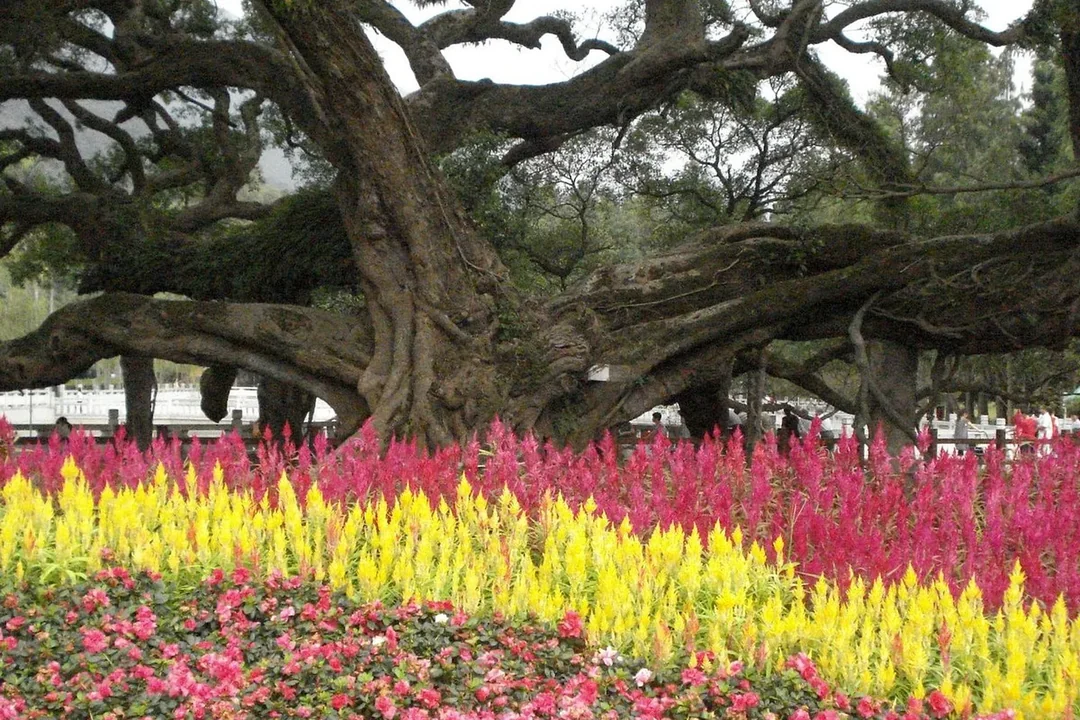
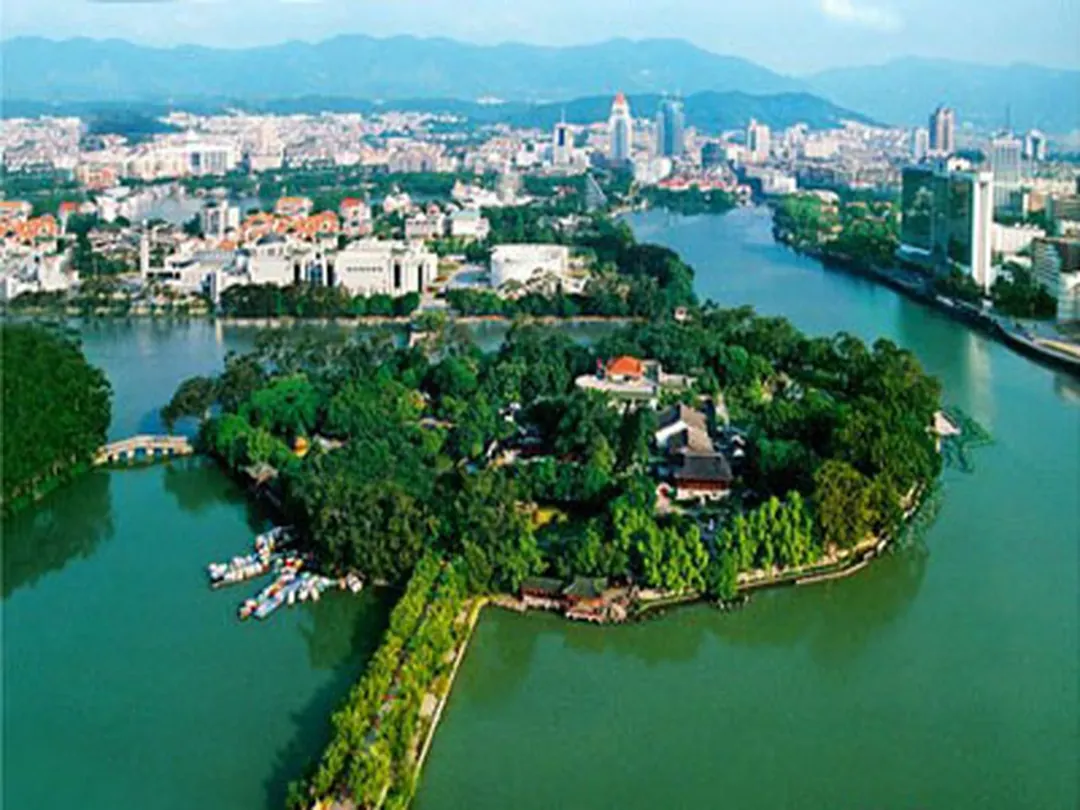
오늘날 공원은 푸저우 시내 중심의 43헥타르 호숫가 녹지를 차지하며, 그 대부분을 호수가 덮고 있습니다. 위다이차오(옥띠 다리)가 호수의 가장 좁은 구간을 가로질러 본안(本岸)과 카이화사(开化寺)와 중국식 정자가 서 있는 작은 섬을 연결합니다. 호수에는 연꽃이 심어져 여름에는 수면이 분홍빛과 하얀 꽃으로 뒤덮입니다. 주변 공원과 산책로는 반얀나무, 노송나무, 목란나무 그늘에 가려져 있으며, 일부는 수백 년 나이입니다.
공원은 하루 종일 무료 개방되어 푸저우의 가장 평등한 공공 공간입니다. 새벽이면 수백 명의 시민이 태극권을 하고 춤을 추고 붓 대신 물로 바닥에 글씨를 씁니다. 오전이면 보트 선착장이 가족 단위 방문객으로 붐빕니다. 푸저우 동물원은 공원 서쪽 구역을 차지하며 판다, 호랑이, 코끼리가 있어 아이들에게 인기입니다.
교통 방법
지하철 1호선 상텅역, 1번 출구로 나와 퉁판루를 따라 서쪽으로 도보 10분. 또는 지하철 1호선 둥제커우역에서 서쪽과 남쪽으로 도보 15분. 1, 54, 65, 66, 70, 77, 80, 86, 109, 111, 121, 128번 버스가 화린루의 시후 정류장에 정차합니다.
포토 스팟
- 여름 연꽃을 배경으로 한 위다이차오 — 공원의 가장 유명한 장면
- 호숫가 산책로에서 태극권을 하는 사람들과 일출
- 잔잔한 아침 호수에 비친 섬의 정자 — 안개가 낀 날이 최고
- 호수 북쪽 반얀나무 가로수 길 — 우뚝한 뒤틀린 줄기와 퍼진 수관
팁
- 6:30에 오면 태극권과 지서 풍경이 펼쳐집니다 — 푸저우에서 가장 진정성 있는 경험 중 하나입니다
- 페달보트를 빌려(1인 30위안/30분) 물 위로 나가세요 — 연꽃밭은 호수 위에서 볼 때 가장 아름답습니다
- 아이와 함께라면 푸저우 동물원도 함께 방문하세요
- 공원은 푸저우 박물관 지구와 맞닿아 있습니다 — 푸젠 박물원과 푸저우 시립 박물관이 근처에 있습니다
- 최고의 계절은 연꽃이 피는 6–8월. 더위를 피해 이른 아침에 가세요
주요 사기 수법
- '친구' 사기 — 다가와 친해지려다 돈을 부탁하는 수법으로, 중국의 인기 공원이라면 어디든 흔합니다. 정중히 거절하세요
- 공원 자체에는 뚜렷한 상업적 사기가 없습니다 — 진짜 공공 공간입니다
자주 묻는 질문
푸저우 시후와 항저우 서호의 차이는 무엇인가요?
푸저우 시후는 훨씬 작고(43헥타르 대 600헥타르) 훨씬 한산하며 무료입니다. 항저우 서호는 탑과 사찰, 극적인 산세를 배경으로 한 유네스코 세계유산입니다. 푸저우 시후는 더 친밀하고 현지색이 짙습니다 — 관광지라기보다 동네 공원 느낌입니다.
호수에서 보트 타기는 안전한가요?
네 — 배는 표준 페달보트나 젓는 배이고 구명조끼도 있으며, 호수는 얕고 잔잔합니다. 어린이는 보호자가 지켜봐야 합니다. 보트 대여는 1인 30–60위안/30분입니다.
푸저우 시후는 휠체어 접근이 가능한가요?
네 — 주요 산책로는 평탄하고, 방죽 다리에는 계단 대신 완만한 경사로가 있습니다. 섬 정자로는 몇 계단을 오르야 하지만 반대편 경사로로 접근할 수 있습니다.
하루 중 방문 최적 시간은?
가장 진정성 있는 분위기는 이른 아침(6:00–9:00) — 태극권, 춤, 물 글씨. 늦은 오후(16:00–18:00)는 노을과 시원한 기온. 저녁에는 불 켜진 정자와 야경을 즐길 수 있습니다.
공원 안에서 먹을 곳이 있나요?
남문 근처 작은 노점에서 간식과 음료를 팝니다. 공원 주변 화린루와 퉁판루 일대에는 식당이 늘어서 있습니다. 섬에는 찻집도 있습니다.
함께 읽기
Fuzhou의 다른 즐길 거리
푸저우 고산
민장 동쪽 기슭 약 48㎢를 뒤덮은 고산은 783m 봉우리, 천년 고찰 용천사, 절벽 각석, 케이블카가 나절 여행의 보람을 주는 곳입니다.
핑탄다오
푸젠 최대의 섬, 대교로 육지와 연결. 바닷바람, 풍차, 해변, 그리고 중국 최대의 해변 좌불. 주말 여행지로 적합.
구산
푸저우 시내 동쪽의 숲속 산. 고사원, 정자, 도시 전망을 갖춘 산. 케이블카로 정상까지. 입산 무료, 케이블카 70위안.
민장
푸젠 최대의 강이 푸저우의 식민지 시대 강변을 흐릅니다. 야간 크루즈에서 도시의 불빛 스카이라인을 감상. 크루즈 100위안 이상.
싼팡치샹
푸저우의 1,100년 건축 유산 지구——명·청대 방스(坊市) 주택과 사당, 문인 정원이 얽힌 골목 격자입니다.
난징 토루
차밭 언덕에 흩어진 판토(夯土) 원형 토루 군. 샤먼에서 남서쪽으로 약 130km — 90위안이면 톈루오헝과 윈수이야오를 돌며 하루 종일 천천히 토루 안뜰에 들어설 수 있습니다.
융딩 투루
융딩 한 현에 약 23,000동의 판토 원루가 모여 있습니다. 청치, 젠청, 옌샹 등 세 대표 토루를 위해 샤먼에서 문 간 문까지 약 10시간의 긴 하루를 잡으세요.