This page is archived and no longer updated — see the current guide: See the current guide
Three Lanes and Seven Alleys三坊七巷
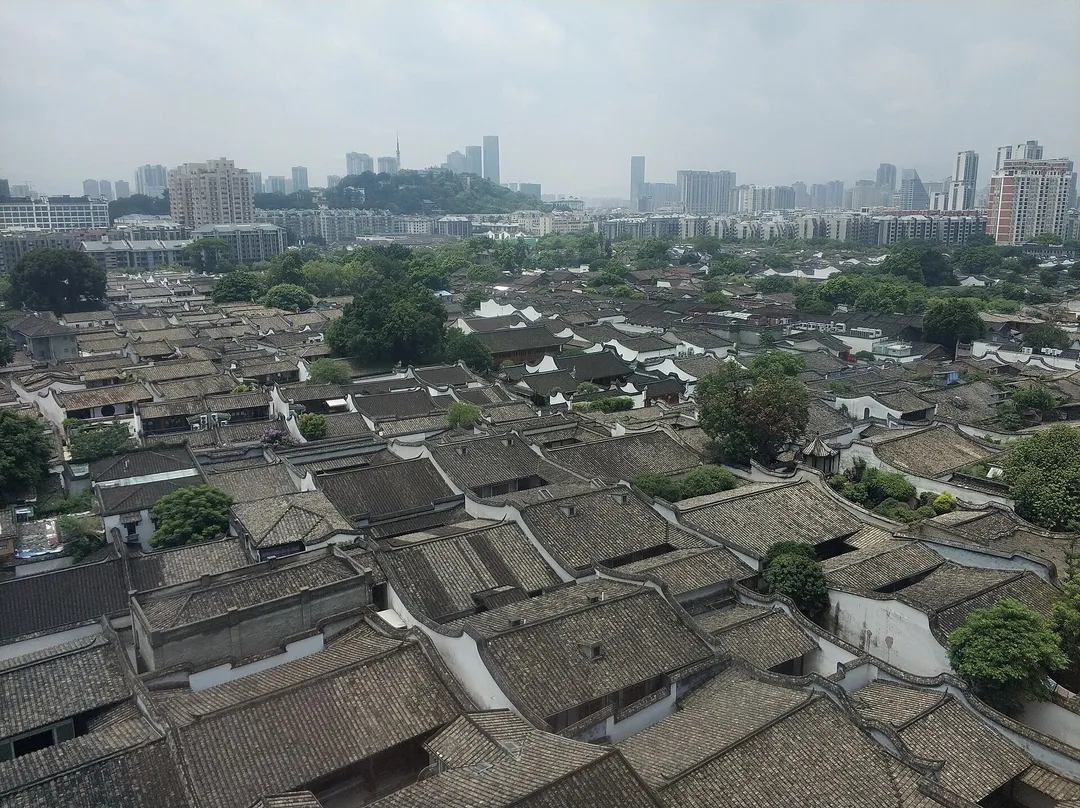
Three Lanes and Seven Alleys is Fuzhou's 40-hectare Tang-era lane grid of horse-wall courtyards, lived in for forty generations; UNESCO heritage award 2005.
Fuzhou · Visitor Guide2026-10-19
Quick Answer
Is Three Lanes and Seven Alleys worth visiting?
Fuzhou's 1100-year-old heritage district of Ming and Qing courtyard houses and scholar gardens; free to wander the lanes, historic-house tickets from 120 yuan, on Metro Line 1 at Dongjiekou.
Quick facts
| Ticket | Free to walk the lanes. ¥120 for access to individual historic houses (林则徐纪念馆, 严复故居, etc.). Cultural show (闽剧/评话) ¥60. |
|---|---|
| Hours | 24 hours (the lanes are always open). Historic houses: 08:30–17:30. Evening illuminations from 18:30. |
| Recommended duration | 2–3 hours for a thorough visit. |
| Best time to visit | Dawn (06:30–08:00) for empty lanes and the smell of Fuzhou's famous mian song (棉穴) breakfast cooking. Evening for the illuminations. Weekday mornings for the most atmospheric experience. Avoid public holidays when Fuzhou residents flood the area. |
| How to get there | Metro Line 1 to Dong Street (东街口) Station, Exits 1–4 — directly adjacent to the district. City buses 1, 8, 20, 66 to Three Lanes stop. A DiDi within Fuzhou costs ¥10–15. |
| English signage | Partial |
| Wheelchair accessible | Partial |
| Area | ~40 hectares |
| Age | 1,100+ years (Tang dynasty origins) |
| Lanes | 3 major lanes (坊) + 7 alleys (巷) |
| Notable residents | Lin Zexu (林则徐), Yan Fu (严复), Bing Xin (冰心) |
| Architecture style | Minpai (闽派) — southern Chinese scholar-merchant |
| UNESCO award | Asia-Pacific Heritage Awards for Culture Heritage Conservation, 2005 |
What to expect
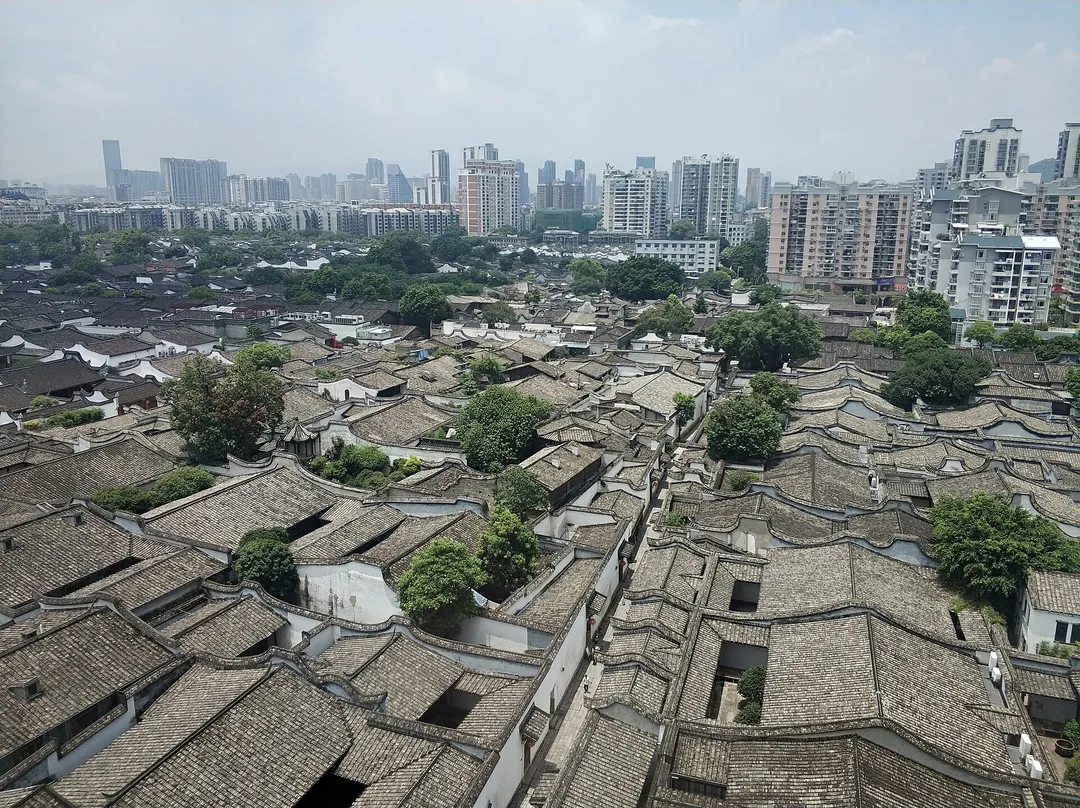
The Three Lanes and Seven Alleys originated as the Tang-dynasty market district of Fuzhou, a city that was one of China's major ports and diplomatic gateways from the 7th century. The name refers to the administrative divisions of the time — the three lanes (坊) were residential enclosures with gates, and the seven alleys (巷) were the commercial/service lanes between them. By the Ming and Qing dynasties, the area had become the preferred address of Fuzhou's scholar-official and merchant families, who built the courtyard houses (第) that survive today: two-storey structures with white-plaster walls, dark timber frames, and characteristic horse-head gable walls (马头墙) rising above the street line.
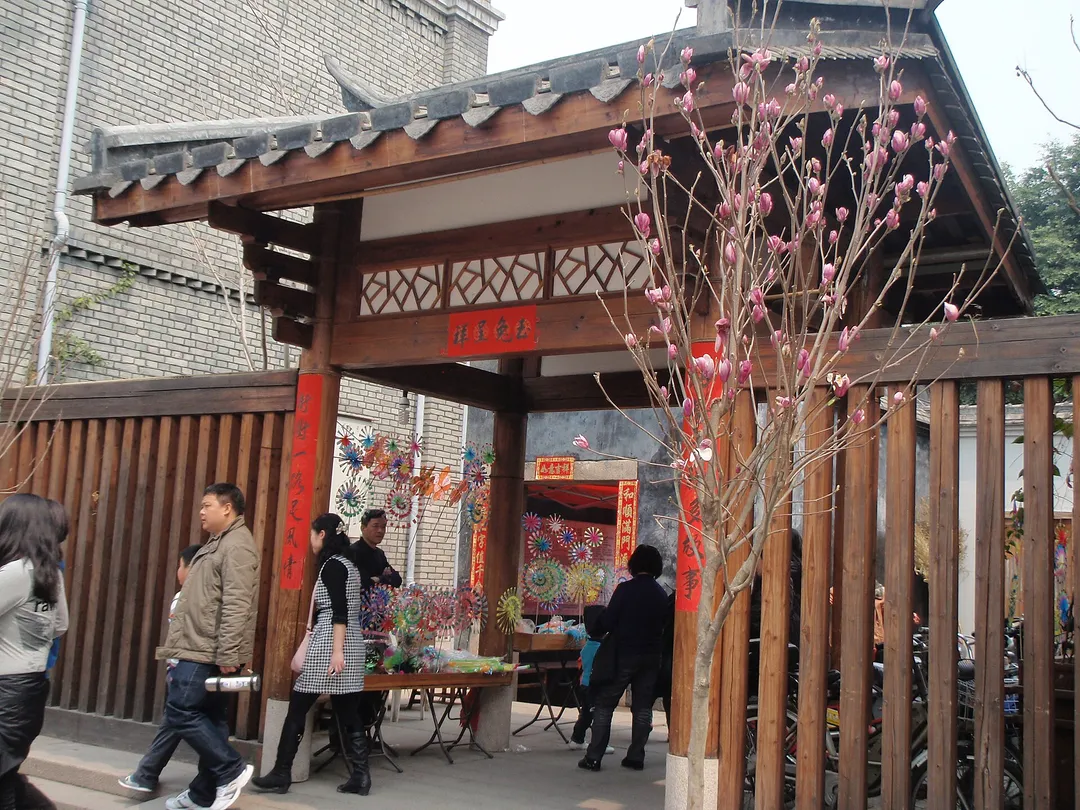
The district is most interesting for what it is not: a heritage theme park. The houses are still lived in, the small temples still receive worshippers, the breakfast shops still sell Fuzhou specialities (肉燕, 鱼丸, 芋泥) to residents who have been buying here for generations. The famous residents who grew up here include Lin Zexu (the Qing dynasty reformer whose 1839 destruction of British opium in Humen is considered the opening act of the First Opium War) and Yan Fu (the scholar who translated Darwin, Adam Smith, and John Stuart Mill into Chinese). Their former residences are open to the public (¥60–120 combined ticket).
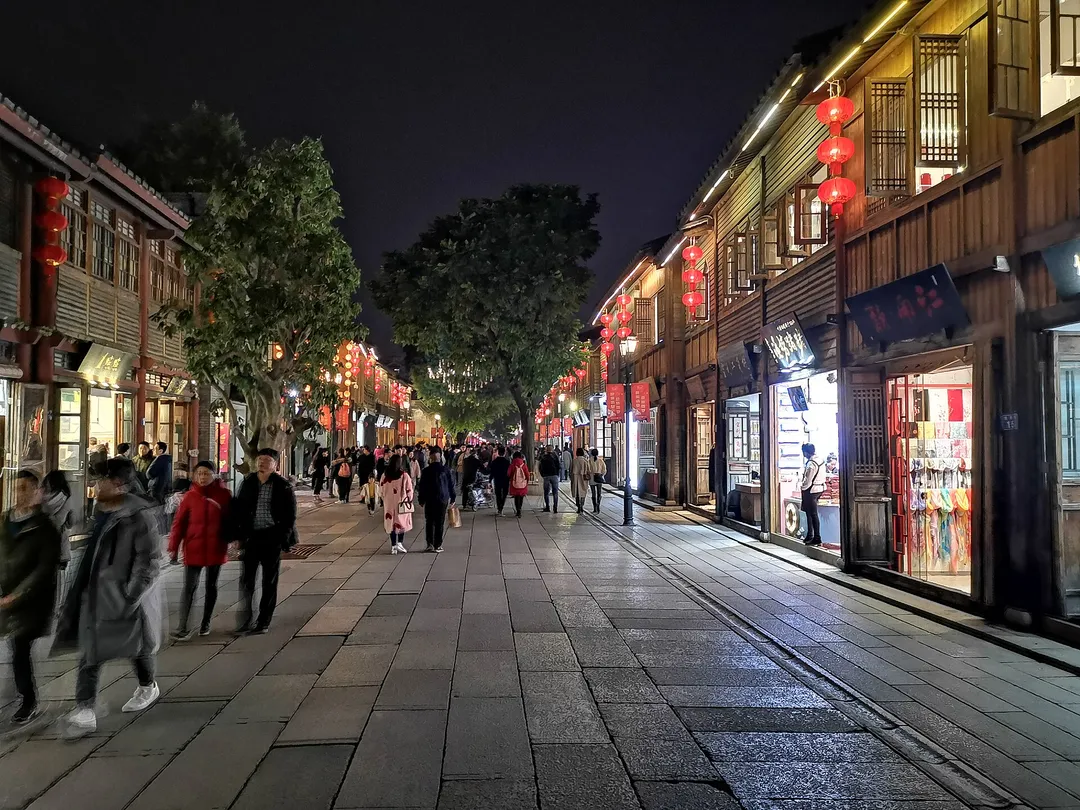
The night illumination transforms the lanes — red lanterns and warm-white LEDs light the white walls and dark timber, and the district becomes much more atmospheric than during the day. The Fuzhou-style street food scene peaks in the evening: the night market on the western side of the district (18:00–22:00) sells local specialities at honest prices. The district is best combined with a Fuzhou food tour.
How to get there
Metro Line 1 to Dong Street (东街口) Station, Exits 1–4 — exits directly onto the district. Fuzhou Railway Station is 6 km away (DiDi ¥20); Fuzhou South Railway Station is 12 km (DiDi ¥35–45).
Best photo spots
- The lane entrance on a rainy morning — whitewashed walls, dark timber, and red lanterns reflected in the wet stone
- Lin Zexu's former residence (林则徐纪念馆) — the formal courtyard and inscribed tablets
- The horse-head gable walls on the western side of the district — the most distinctive Minpai architectural element, best photographed from the lane below
- The evening illumination from the elevated walkway at the north entrance — the warm glow of the lane
Tips
- Wake up early — the district is at its most atmospheric at dawn (06:30–08:00) when the breakfast shops open and the lanes are empty
- The combined ticket for historic houses (¥120) is worth it if you are interested in Fuzhou's intellectual history — Lin Zexu and Yan Fu are both significant figures
- Combine with a food tour of Fuzhou's famous soup culture (佛跳墙, 肉燕, 鱼丸) — the district and its surroundings are Fuzhou's culinary centre
- Evening (18:30+) for the illumination — the lane is more atmospheric at night than during the day
- Fuzhou is a rain city — bring an umbrella and embrace the wet-lane photography opportunities
Scams to avoid
- "Authentic Fuzhou craft" shops near the main entrance selling mass-produced items as handmade local crafts — buy from the specialist stores deeper in the district
- "Historical guides" near the metro station — the interpretive signs are adequate; these guides charge ¥80–150 for a basic walk
- Fake "free" walking tours that end in a tea house commercial visit — decline politely
Frequently asked questions
Is Three Lanes and Seven Alleys worth visiting?
Yes — it is Fuzhou's most significant cultural heritage site and one of the most authentic historic urban districts in Fujian. The living neighbourhood atmosphere, the Minpai architecture, and the Fuzhou food scene make it a rewarding half-day visit.
How long do I need?
2–3 hours for a thorough visit including the historic houses and a food stop. The lanes themselves can be walked in 30 minutes, but the atmosphere rewards slower exploration.
Is it free to walk the lanes?
Yes — walking the lanes is free. The individual historic houses (Lin Zexu, Yan Fu, etc.) charge ¥60–120 for entry. A combined ticket (¥120) covers all the open historic houses.
What is Minpai architecture?
Minpai (闽派) is the architectural style of Fujian province, characterised by white-plastered walls, dark timber frames, and distinctive horse-head gable walls (马头墙) that rise above the roofline for fire protection.
Is Three Lanes and Seven Alleys wheelchair accessible?
Partially. The main lanes are accessible, but the historic houses have thresholds and uneven floors that limit access.
Read next
Other things to do in Fuzhou
Drum Mountain
Covering about 48 square kilometers on the east bank of the Min River, Drum Mountain rewards a half-day trip with the 783-meter peak, a 1,000-year-old Yongquan Temple, cliff carvings, and a cable car.
Pingtan Island
Fujian's largest island, connected by bridge to the mainland. Sea breeze, windmills, beaches, and China's largest seaside Buddha. Free to drive onto; plan a full day or 2 with an overnight.
Gushan (Drum Mountain)
Forested mountain park east of Fuzhou with ancient temples, pavilions, and city views. Cable car to summit. Free to enter; ¥70 cable car.
Fuzhou West Lake
1,700-year-old imperial garden in the city center. Free. Lotus ponds, pavilions, and Fuzhou's best urban green space.
Min River (Minjiang River)
Fujian's largest river, flowing past Fuzhou's colonial riverfront. Night cruise shows city's illuminated skyline. ¥100+ for cruise.
Fujian Tulou — Nanjing Cluster
Clusters of rammed-earth round towers in tea-growing hills 130 km southwest of Xiamen — about 90 yuan gets you into Tianluokeng and Yunshuiyao for a long, slow day of stepping into courtyards.
Yongding Tulou Cluster
The Yongding cluster holds roughly 23,000 earthen roundhouses inside one Fujian county; budget 1 long day (about 10 hours door-to-door from Xiamen) for the three headline towers — Chengqi, Zhenc.
Museums in Fuzhou
Fujian Museum
Fujian's provincial museum in Fuzhou, strong in Min culture, overseas Chinese history, maritime heritage and the Jian-kiln Fujian blue ceramics. Free; verified in 2026.
Fuzhou Three Lanes and Seven Alleys Museum
The museum of Fuzhou's Three Lanes and Seven Alleys, China's best-preserved Song-dynasty alley network, some 1,600 years old. Free with district entry; verified in 2026.