This page is archived and no longer updated — see the current guide: See the current guide
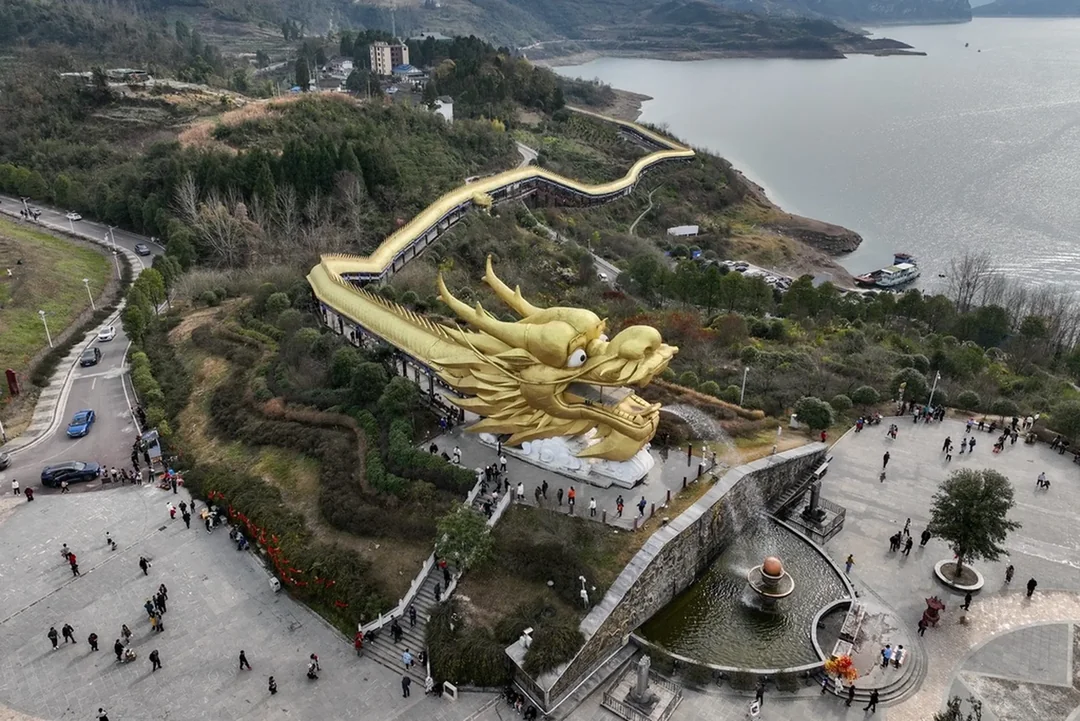
Gushan (Drum Mountain)鼓山
Gushan rises just east of Fuzhou's center: camphor-pine trails, a four-minute cable car (¥70 one way) and the 10th-century Yongquan Temple over the Min River.
Fuzhou · Visitor Guide2026-10-19

Quick Answer
Is Gushan (Drum Mountain) worth visiting?
Forested mountain park east of Fuzhou with ancient temples, pavilions, and city views. Cable car to summit. Free to enter; ¥70 cable car.
Quick facts
| Ticket | Free to enter the mountain (as of 2026). Cable car: ¥70 one way, ¥100 round trip. Individual temples: ¥3–10. |
|---|---|
| Hours | Mountain open 6:00–18:00. Cable car: 7:00–17:30 (summer), 7:30–17:00 (winter). Yongquan Temple: 6:00–18:00. |
| Recommended duration | Half day (3–5 hours including summit, temples, and hike back down). |
| Best time to visit | Early morning (6:00–9:00) for cool air and temple rituals. Autumn and spring for pleasant hiking weather. Summer is hot but the forest provides shade. Avoid rainy days — the stone paths become slippery. |
| How to get there | Take Metro Line 2 to Gushan (鼓山) station, then walk 5 minutes to the cable car base station. Alternatively, take bus routes 7, 29, 36, 40, 58, 64, 69, 70, 73, 97, 108, 112, 115, 131, 162, 170, 178, 196, 199, 302 to Gushan Park (鼓山公园) stop. |
| English signage | Partial |
| Wheelchair accessible | No |
| Elevation | 869 meters above sea level |
| Hiking path | 1,800 steps to summit (Stone Step Path) |
| Key temple | Yongquan Temple (涌泉寺) — founded 908 AD |
| Tree age | Ancient camphor and pine trees, some 500+ years old |
| City view | Panoramic view of Fuzhou and the Min River from the summit |
What to expect
Gushan (literally "Drum Mountain") gets its name from the muffled drum-like sound heard when pilgrims struck the huge boulder near the summit. The mountain has been a Buddhist pilgrimage site since the Tang Dynasty, and its slopes are carpeted with the kind of ancient, mossy camphor and pine forest that once covered all of Fujian. The 10th-century Yongquan Temple (涌泉寺) at the mid-slope is the mountain's spiritual heart — its name comes from a spring that supposedly bubbled up to save monks from a fire, hence the name "Bubbling Spring Temple."
The most popular approach is the Stone Step Path (十八景山路), a 1,800-step stone staircase that climbs from the cable car base to the summit through increasingly dense forest. The steps are ancient and polished smooth by generations of pilgrims. Along the way, stone tablets, small shrines, and pavilions offer places to rest and reflect. At the summit, a viewing platform provides a sweeping view of Fuzhou and the Min River delta — particularly dramatic at dawn and dusk.
The cable car, installed in 1993 and updated since, makes the summit accessible to everyone who can walk short distances. At the top, a network of pavilions and tea houses occupies the summit area. For the energetic, the hike down through the forest is more rewarding than the cable car ride up — the forest canopy filters light through ancient leaves, and the temple bells below provide an acoustic backdrop.
How to get there
Metro Line 2 to Gushan (鼓山) station, Exit 1, then walk 5 minutes to the cable car base station at the foot of the mountain. The Stone Step Path starts from the same area, to the right of the cable car station. Buses 7, 29, 36, 40, 58, 64, 69, 70, 73, 97, 108, 112, 115, 131, 162, 170, 178, 196, 199, 302, and 335 also stop at Gushan Park.
Best photo spots
- The summit viewing platform at sunrise — Fuzhou city grid and Min River in morning mist
- The Stone Step Path through ancient camphor forest — shafts of light through dense canopy
- The entrance gate of Yongquan Temple with its carved stone arch — ornate Ming Dynasty craftsmanship
- The cable car crossing the valley — good shot from the pavilion at the mid-station
Tips
- Take the cable car up (¥70) and hike down via the Stone Step Path — the best of both experiences
- Start as early as 6:30 AM to reach the summit for sunrise, when the air is fresh and the city below is still quiet
- Wear good hiking shoes — the stone steps are polished and can be slippery, especially in wet weather
- Visit Yongquan Temple (¥10) on the way up or down — it is one of Fuzhou's oldest and most atmospheric temples
- Bring water and a light snack — there are tea houses at the summit but they are overpriced
Scams to avoid
- "Unofficial guides" at the cable car station who offer to show you the mountain — the path is well-marked; you don't need a guide
- Tea house operators at the summit who add charges to your bill — confirm prices before ordering
Frequently asked questions
Should I take the cable car or hike?
For first-time visitors, take the cable car up and hike down. This gives you views from the top, saves energy for the downhill hike, and lets you experience the forest path. Strong hikers can do the round trip on foot in 3–4 hours.
Is Gushan suitable for children and elderly visitors?
The cable car makes the summit accessible for all ages. However, the Stone Step Path has 1,800 steps and is steep in places — not recommended for those with knee problems or balance issues. Yongquan Temple is a moderate walk from the cable car mid-station and is accessible to most.
What is the difference between Gushan and Fuzhou's other parks?
Gushan is a forested mountain with Buddhist temples and panoramic views — it is Fuzhou's nature escape. Fuzhou Forest Park (福州森林公园) is a larger nature reserve with botanical gardens and a zoo. Gushan is more culturally significant and has better views; the Forest Park is better for flora and picnics.
Can I combine Gushan with a visit to the Three Lanes and Seven Alleys?
Yes — take Metro Line 2 from Gushan station directly to Dongjie (东街口) station, which is next to the Three Lanes and Seven Alleys. The journey takes about 20 minutes.
Read next
Other things to do in Fuzhou
Drum Mountain
Covering about 48 square kilometers on the east bank of the Min River, Drum Mountain rewards a half-day trip with the 783-meter peak, a 1,000-year-old Yongquan Temple, cliff carvings, and a cable car.
Pingtan Island
Fujian's largest island, connected by bridge to the mainland. Sea breeze, windmills, beaches, and China's largest seaside Buddha. Free to drive onto; plan a full day or 2 with an overnight.
Fuzhou West Lake
1,700-year-old imperial garden in the city center. Free. Lotus ponds, pavilions, and Fuzhou's best urban green space.
Min River (Minjiang River)
Fujian's largest river, flowing past Fuzhou's colonial riverfront. Night cruise shows city's illuminated skyline. ¥100+ for cruise.
Three Lanes and Seven Alleys
Fuzhou's 1100-year-old heritage district of Ming and Qing courtyard houses and scholar gardens; free to wander the lanes, historic-house tickets from 120 yuan, on Metro Line 1 at Dongjiekou.
Fujian Tulou — Nanjing Cluster
Clusters of rammed-earth round towers in tea-growing hills 130 km southwest of Xiamen — about 90 yuan gets you into Tianluokeng and Yunshuiyao for a long, slow day of stepping into courtyards.
Yongding Tulou Cluster
The Yongding cluster holds roughly 23,000 earthen roundhouses inside one Fujian county; budget 1 long day (about 10 hours door-to-door from Xiamen) for the three headline towers — Chengqi, Zhenc.
Museums in Fuzhou
Fujian Museum
Fujian's provincial museum in Fuzhou, strong in Min culture, overseas Chinese history, maritime heritage and the Jian-kiln Fujian blue ceramics. Free; verified in 2026.
Fuzhou Three Lanes and Seven Alleys Museum
The museum of Fuzhou's Three Lanes and Seven Alleys, China's best-preserved Song-dynasty alley network, some 1,600 years old. Free with district entry; verified in 2026.